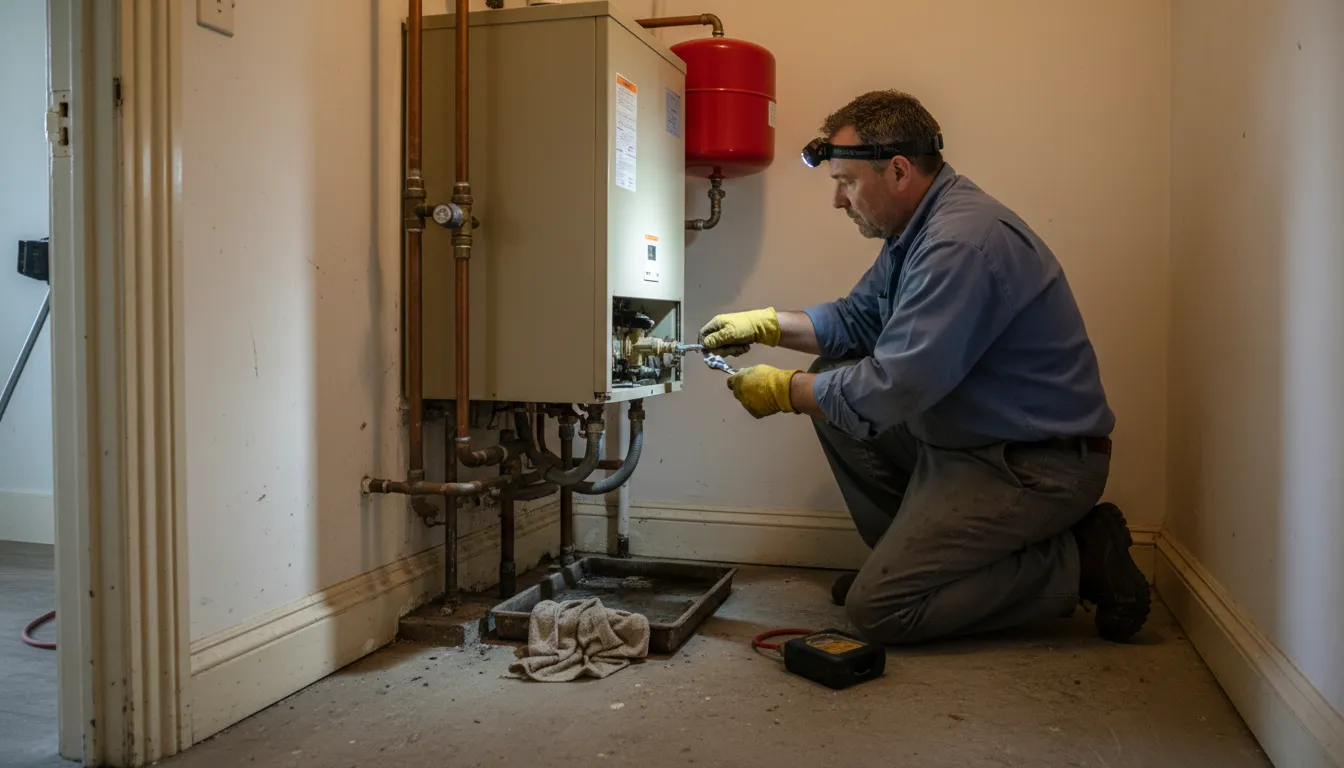
Find the Best Boiler Repair Contractors for Your Business
No obligation • Fast responses • Nationwide coverage

Why you can trust HVAC Firms
HVAC Firms is a leading United States resource for evaluating HVAC service providers. Our team researches companies, checks credentials, and reviews customer feedback to present clear, unbiased information. Listings and rankings are based on merit, and companies cannot pay to change our editorial content.
Search providers near you
Top Boiler Repair Contractors in Naperville, Illinois Ranked
Keeping your home warm and comfortable during Naperville's cold winters relies on a dependable boiler system. When your hydronic heating system malfunctions, finding a reliable and skilled technician for boiler repair is essential. This guide provides local homeowners with key information on common boiler types, maintenance needs, and how to evaluate when to repair or replace your unit, helping you connect with qualified professionals in the area.
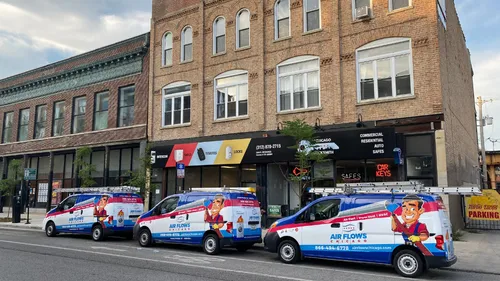
Air Flows Chicago - Belmont
3019 W Belmont Ave, Chicago, IL 60618
Air Flows Chicago - Belmont provides comprehensive HVAC, chimney, and indoor air quality services in Chicago, IL. They offer heating and cooling system installation, repair, and maintenance, including furnaces, boilers, air conditioners, ductless systems, and heat pumps. The company also specializes in chimney sweeping, inspection, and liner services, as well as dryer vent cleaning and repair. Their air duct cleaning and installation services help improve indoor air quality, supported by UV germicidal light installations, humidifiers, and air cleaners. Air Flows Chicago serves both residential and commercial clients and offers 24/7 emergency repair services to minimize downtime.
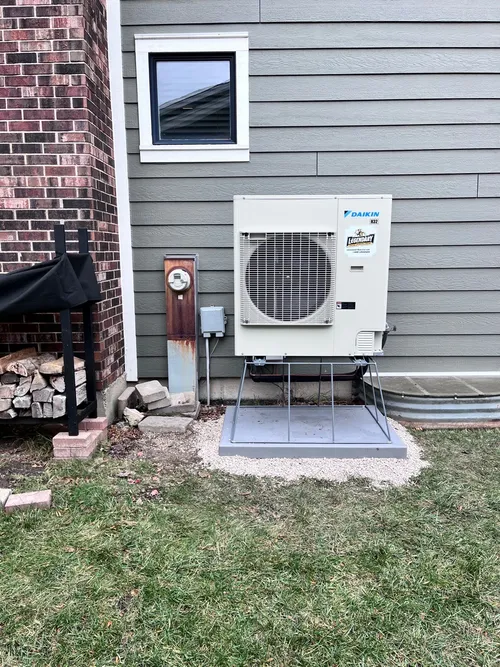
Legendary Service
960 Rand Rd Suite 200F, Des Plaines, IL 60016
Legendary Service is a home comfort provider based in Chicago, IL, offering heating, cooling, plumbing, and indoor air quality services. They handle AC and furnace installation, repair, and maintenance, along with plumbing and drain cleaning. With over 40 years of combined experience, Legendary Service provides comprehensive HVAC and plumbing solutions including indoor air quality improvements to help maintain a healthy home environment. Their team is skilled in diagnosing and resolving issues efficiently, supported by a maintenance agreement program for ongoing care.
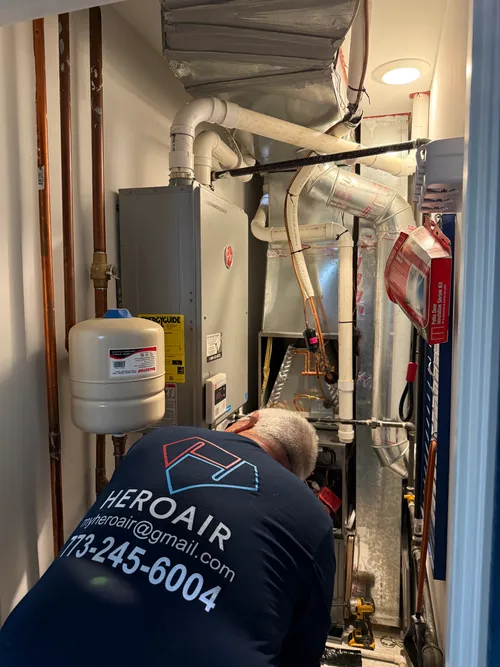
Hero Air
4823 W Patterson Ave, Chicago, IL 60641
Hero Air is a family-owned HVAC company serving Chicago, IL, with over 10 years of experience. They provide a wide range of heating and air conditioning services including installation, repair, and maintenance for air conditioners, furnaces, boilers, and ductless mini splits. Hero Air also specializes in indoor air quality solutions such as UV germicidal treatments and dehumidifiers to maintain healthy and comfortable indoor environments. Their certified and insured technicians work with both residential and commercial clients to ensure efficient system performance throughout the year.
Pro Comfort Solutions
2052 N Latrobe Ave, Chicago, IL 60639
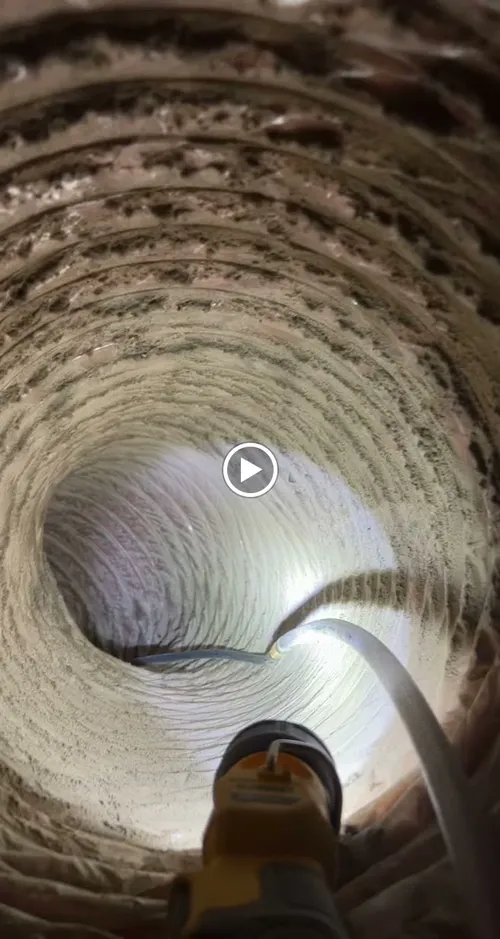
Pro Comfort Solutions is an HVAC and plumbing company serving Chicago, IL, and surrounding areas including Frankfort and Orland Park. They offer a wide range of services such as air conditioning installation and repair, furnace and boiler maintenance, heat pump services, and duct cleaning. Their team is certified and provides 24/7 emergency repairs, including for boilers and furnaces. Pro Comfort Solutions emphasizes clear pricing and customized solutions tailored to each home.
Tranquil Heating and Cooling
4838 N Lowell Ave, Chicago, IL 60630
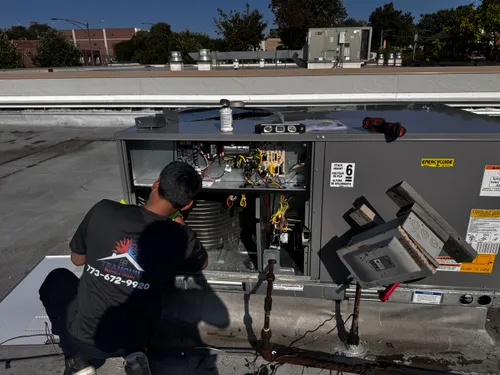
Tranquil Heating and Cooling is an HVAC company based in Chicago, IL, offering a range of heating and cooling services including installation, repair, and maintenance for air conditioners, furnaces, and boilers. They provide tailored solutions to ensure comfortable indoor environments using the latest technology and industry best practices. Their services include HVAC tune-ups, duct installation, and troubleshooting for both residential and industrial clients. The company emphasizes clear communication and personalized service to meet specific customer needs.
Understanding Your Naperville Boiler System
Most homes in Naperville use hydronic heating systems, where a boiler heats water that is then circulated through radiators, baseboards, or in-floor tubing to warm your home 1. The type of boiler you have significantly impacts its performance, efficiency, and repair considerations.
- Standard/Conventional Boilers: These are the most basic setups, typically consisting of a boiler unit and a separate hot water storage tank. They are reliable but may be less space and energy-efficient than newer models.
- Combination (Combi) Boilers: These units provide both space heating and on-demand domestic hot water from a single appliance, eliminating the need for a storage tank. They are excellent for saving space and can be more energy-efficient for smaller households.
- High-Efficiency Condensing Boilers: These advanced systems capture heat from exhaust gases that would otherwise be wasted, achieving higher efficiency ratings. They often use corrosion-resistant materials like stainless steel or aluminum and can lead to significant savings on energy bills 2.
The primary fuel sources for boilers in the region are natural gas, oil, and electricity, with natural gas being the most common.
Local Factors Affecting Boiler Performance
Naperville's climate and water quality present specific challenges for boiler systems that homeowners should be aware of.
- Freeze Protection: Our cold winters make freeze protection a critical concern. If the water inside your radiators or piping freezes, it can expand and cause catastrophic damage. Ensuring your system has proper thermostatic radiator valves with freeze settings and that all exterior components are well-insulated is vital 3.
- Water Quality: Areas with hard water can experience accelerated scale (mineral) buildup inside the boiler and piping. This buildup acts as an insulator, forcing the boiler to work harder and less efficiently, and can lead to overheating and component failure. This makes regular system flushing more important in our area.
Common Boiler Issues and Repair Signs
Recognizing early warning signs can prevent a minor issue from becoming a major, costly repair or a full system failure on a freezing day.
- Uneven Heating or Cold Radiators: If some radiators are cold while others are hot, or if a radiator is cold at the bottom but warm at the top, it often indicates trapped air (needing bleeding) or sludge buildup circulating in the system 4.
- Strange Noises: Banging, whistling, or gurgling sounds (often called "kettling") are typically caused by limescale buildup on the heat exchanger, trapped air, or low water pressure.
- Leaks: Any sign of water around the boiler, pipes, or pressure relief valve requires immediate attention from a technician.
- Pressure Problems: Consistently low boiler pressure often points to a leak in the system. Extremely high pressure can be a safety hazard.
- Pilot Light or Ignition Issues: A pilot light that frequently goes out or a boiler that won't ignite could indicate problems with the thermocouple, gas supply, or electronic ignition system.
- Increased Energy Bills: A sudden, unexplained rise in heating costs often signals that your boiler is losing efficiency and working harder than it should.
The Critical Decision: Repair or Replace Your Boiler?
Facing a boiler breakdown presents a significant question: is repair the right choice, or is it time for a replacement? Several key factors guide this decision.
- Age of the Unit: The average lifespan of a well-maintained boiler is about 30 years, while furnaces last roughly 16-20 years 5. If your boiler is approaching or has exceeded this age, replacement often becomes more cost-effective than investing in major repairs, as component failures will become more frequent.
- Cost of Repair: A common rule of thumb is to consider replacement if the repair cost exceeds 50% of the price of a new unit or is over $500 6. Frequent repairs add up quickly, making a new, reliable system a better long-term investment.
- Energy Efficiency: Older boilers operate at much lower efficiency levels. Upgrading to a modern high-efficiency condensing boiler can drastically reduce your natural gas consumption and lower your monthly utility bills. These upgrades may also qualify for rebates from local utilities like Nicor Gas, improving the return on investment.
Find the perfect boiler repair contractors for your needs
Get personalized recommendations and expert advice
Investing in a New Boiler in Naperville
If replacement is the right path, understanding the investment involved helps in planning. Costs can vary based on the boiler type, complexity of installation, and the specific model's efficiency.
- Unit Cost Ranges (Approximate): A standard boiler unit may cost between $1,200 and $4,500. A combination boiler typically ranges from $1,600 to $4,500. High-efficiency condensing boilers represent a larger initial investment, generally starting around $2,500 and can exceed $8,000 for the unit alone 7 8. These figures do not include installation labor, which should be quoted by a licensed contractor.
- The Importance of Professional Installation: Always hire a licensed and insured HVAC contractor with specific experience in hydronic systems. Proper sizing, installation, and integration with your existing piping and radiators are crucial for safety, efficiency, and system longevity. Local companies like Nortek Environmental emphasize the need for this expertise.
- Exploring Rebates and Incentives: Before purchasing, check for available rebates. Nicor Gas, for example, has historically offered incentives for upgrading to high-efficiency heating equipment, which can substantially offset the upfront cost.
Essential Maintenance for Longevity
Proactive maintenance is the best way to avoid emergency repairs, extend your boiler's life, and maintain its efficiency. An annual tune-up by a qualified technician is highly recommended 9.
- Annual Professional Service: A thorough inspection should include checking all controls and safety devices, inspecting the heat exchanger for cracks or corrosion, testing combustion efficiency, and verifying proper venting and gas pressure.
- System Flushing: Over time, sludge, rust, and mineral scale accumulate in the pipes. A professional hydronic system flush every 5 to 7 years (or more frequently in hard water areas) is critical to remove these deposits, restore heat transfer efficiency, and prevent damage to the boiler and circulator pump 10.
- Owner Vigilance: Between professional visits, keep an eye on the system pressure gauge and listen for unusual noises. Visually check for leaks or signs of corrosion. Ensuring vents and air intakes are not blocked is also important for safe operation.
Finding the Right Service Professional in Naperville
Your choice of technician directly impacts the quality and longevity of your boiler repair or installation. Look for contractors who are:
- Licensed and Insured: This is non-negotiable for your protection and safety.
- Experienced with Hydronics: Specialized knowledge of boiler systems, piping, and radiators is different from forced-air furnace expertise.
- Transparent in Communication: They should provide clear, written estimates, explain problems in understandable terms, and offer options without high-pressure sales tactics.
- Locally Established: Companies with a long history in the Naperville area are often more invested in community reputation and customer satisfaction.
Frequently asked questions
Sources
Footnotes
-
Hydronic Heating Systems - K. Kelly, Inc. - https://www.kkellyinc.com/hydronic-heating.html ↩
-
What Are the Different Boilers Types? | BWS Plumbing, Heat & Air - https://bwsheatingandair.com/blog/what-are-the-different-types-of-boilers/ ↩
-
Hydronic Freeze Protection - Plumbing & HVAC - https://plumbingandhvac.ca/hydronic-freeze-protection/ ↩
-
Low Water Boiler Conditions: Avoiding Boiler Catastrophes - https://www.rasmech.com/blog/low-water-boiler-conditions-avoiding-boiler-catastrophes/ ↩
-
Heating Systems | Keep Warm Illinois - https://keepwarm.illinois.gov/content/dam/soi/en/web/keepwarm/documents/heatingsystems.pdf ↩
-
Past newsletters - Nicor Gas - https://www.nicorgas.com/business/ways-to-save/trade-allies/newsletters-events-training/past-newsletters.html ↩
-
How Much Does Boiler Replacement Cost in Chicago? [2026 Data] - https://www.angi.com/articles/how-much-does-boiler-installation-cost/il/chicago ↩
-
Aurora and Naperville Boiler Service - Nortek Environmental - https://www.nortekenvironmental.com/boiler-service ↩
-
Why It's Crucial to Service Your Boiler - Hunt Heat - https://huntheat.com.au/blog/why-its-crucial-to-service-your-boiler-every-year/ ↩
-
Should Hydronic Heating Systems Be Flushed? - Fante's HVAC - https://fantesphvac.com/should-hydronic-heating-systems-be-flushed/ ↩