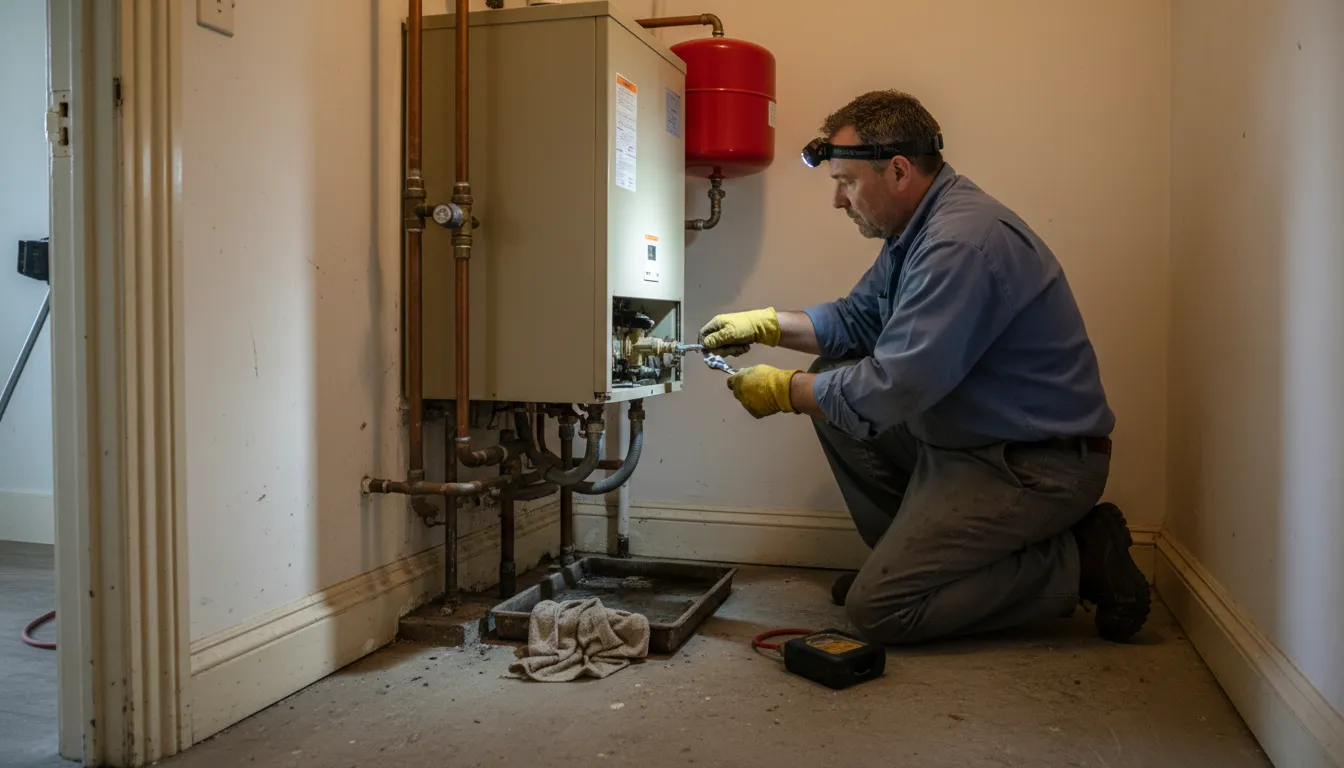
Find the Best Boiler Repair Contractors for Your Business
No obligation • Fast responses • Nationwide coverage

Why you can trust HVAC Firms
HVAC Firms is a leading United States resource for evaluating HVAC service providers. Our team researches companies, checks credentials, and reviews customer feedback to present clear, unbiased information. Listings and rankings are based on merit, and companies cannot pay to change our editorial content.
Search providers near you
Best Boiler Repair Contractors in Illinois Ranked
A reliable boiler is essential for comfort and safety in Illinois homes and businesses, especially during the state's cold winters. When your heating system fails, it's more than an inconvenience-it can be a safety hazard and lead to costly property damage. This guide provides clear, practical information on recognizing boiler problems, understanding maintenance requirements, and navigating repair processes specific to Illinois. Use this resource to make informed decisions and connect with qualified local professionals who can restore your system's warmth and efficiency.
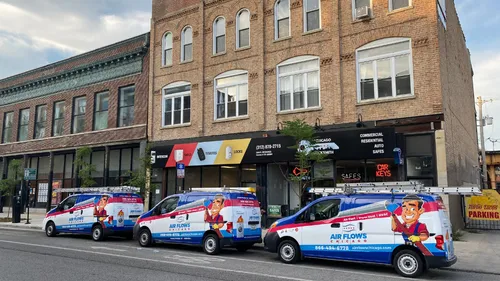
Air Flows Chicago - Belmont
3019 W Belmont Ave, Chicago, IL 60618
Air Flows Chicago - Belmont provides comprehensive HVAC, chimney, and indoor air quality services in Chicago, IL. They offer heating and cooling system installation, repair, and maintenance, including furnaces, boilers, air conditioners, ductless systems, and heat pumps. The company also specializes in chimney sweeping, inspection, and liner services, as well as dryer vent cleaning and repair. Their air duct cleaning and installation services help improve indoor air quality, supported by UV germicidal light installations, humidifiers, and air cleaners. Air Flows Chicago serves both residential and commercial clients and offers 24/7 emergency repair services to minimize downtime.
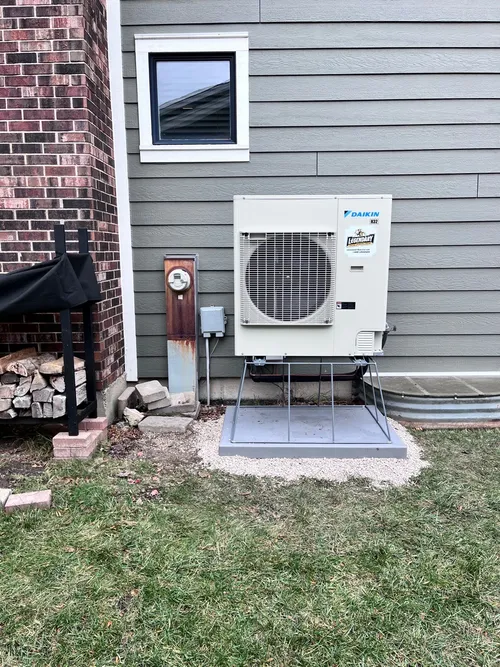
Legendary Service
960 Rand Rd Suite 200F, Des Plaines, IL 60016
Legendary Service is a home comfort provider based in Chicago, IL, offering heating, cooling, plumbing, and indoor air quality services. They handle AC and furnace installation, repair, and maintenance, along with plumbing and drain cleaning. With over 40 years of combined experience, Legendary Service provides comprehensive HVAC and plumbing solutions including indoor air quality improvements to help maintain a healthy home environment. Their team is skilled in diagnosing and resolving issues efficiently, supported by a maintenance agreement program for ongoing care.
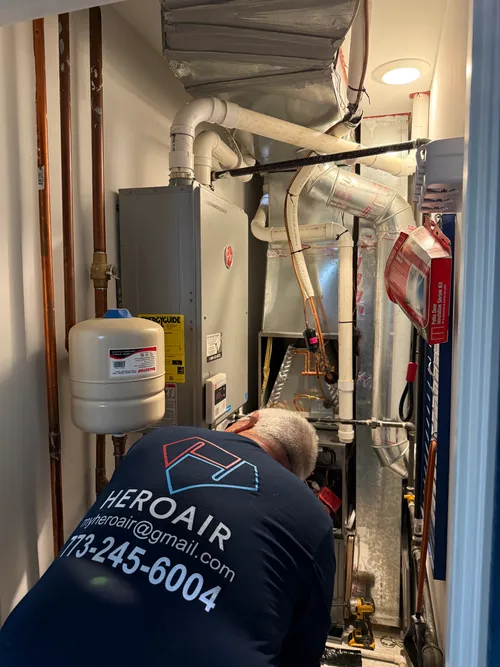
Hero Air
4823 W Patterson Ave, Chicago, IL 60641
Hero Air is a family-owned HVAC company serving Chicago, IL, with over 10 years of experience. They provide a wide range of heating and air conditioning services including installation, repair, and maintenance for air conditioners, furnaces, boilers, and ductless mini splits. Hero Air also specializes in indoor air quality solutions such as UV germicidal treatments and dehumidifiers to maintain healthy and comfortable indoor environments. Their certified and insured technicians work with both residential and commercial clients to ensure efficient system performance throughout the year.
Pro Comfort Solutions
2052 N Latrobe Ave, Chicago, IL 60639
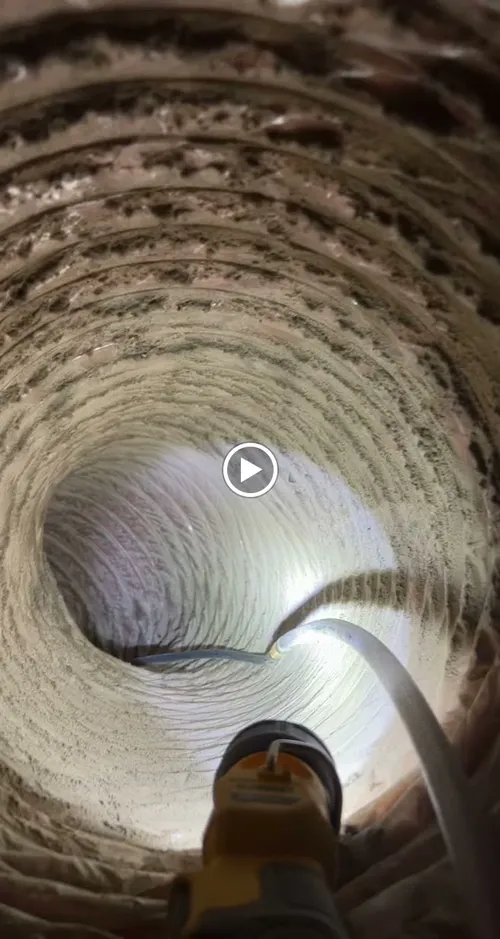
Pro Comfort Solutions is an HVAC and plumbing company serving Chicago, IL, and surrounding areas including Frankfort and Orland Park. They offer a wide range of services such as air conditioning installation and repair, furnace and boiler maintenance, heat pump services, and duct cleaning. Their team is certified and provides 24/7 emergency repairs, including for boilers and furnaces. Pro Comfort Solutions emphasizes clear pricing and customized solutions tailored to each home.
Tranquil Heating and Cooling
4838 N Lowell Ave, Chicago, IL 60630
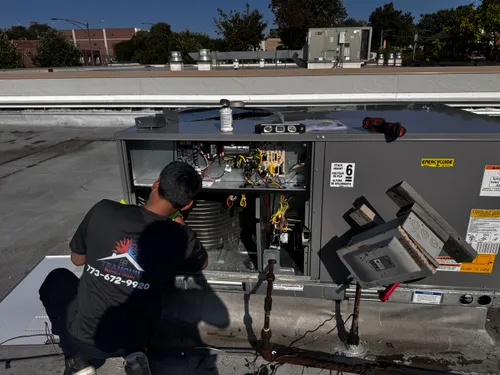
Tranquil Heating and Cooling is an HVAC company based in Chicago, IL, offering a range of heating and cooling services including installation, repair, and maintenance for air conditioners, furnaces, and boilers. They provide tailored solutions to ensure comfortable indoor environments using the latest technology and industry best practices. Their services include HVAC tune-ups, duct installation, and troubleshooting for both residential and industrial clients. The company emphasizes clear communication and personalized service to meet specific customer needs.
Common Boiler Problems in Illinois
Recognizing the early signs of a failing boiler can prevent a minor issue from becoming a major, expensive repair. Here are the most frequent problems Illinois homeowners encounter:
- Leaks or Dripping: Water pooling around your boiler or from connected pipes and valves is a serious concern. It signals potential corrosion, failed seals, or high pressure, and can lead to water damage and reduced system efficiency.
- Strange Noises: Your boiler should operate relatively quietly. Sounds like hissing, banging, gurgling, or whistling often indicate trapped air (which requires bleeding), a failing pump, or issues with water pressure and flow.
- Low Pressure: If your boiler's pressure gauge consistently reads below the recommended range (typically 12-15 PSI), it can cause the system to shut down or fail to heat properly. This often points to a leak or a problem with the pressure relief valve.
- No Heat or Hot Water: This is the most obvious sign of trouble. It can stem from various issues, including a broken thermostat, failed ignition components (like the pilot light or electronic igniter), or a malfunctioning motorized valve.
- Ignition or Pilot Light Failure: For gas boilers, a pilot light that won't stay lit or an ignition system that fails to spark prevents the boiler from firing up. This can be due to a faulty thermocouple, a gas supply issue, or buildup on the ignition components1.
Essential Boiler Maintenance Checklist
Proactive maintenance is the key to safety, efficiency, and longevity for your heating system. Following a simple routine can help you avoid unexpected breakdowns.
- Monthly Visual Checks: Take a moment to look at your boiler and the area around it. Check for any signs of new leaks, corrosion, rust, or damp spots on the floor or walls.
- Monitor System Pressure: Keep an eye on the pressure gauge. Ensure it remains in the green "normal" zone, usually between 12 and 15 PSI for a sealed system. Consistent low pressure needs professional attention.
- Bleed Your Radiators: If you have hot-water radiators, trapped air can cause cold spots and reduce efficiency. Bleeding them at the start of the heating season releases this air, allowing hot water to circulate fully2.
- Test Carbon Monoxide (CO) Alarms: This is a critical safety step. Test the batteries in your CO detectors monthly and replace them as needed. Ensure you have a detector on every level of your home, especially near sleeping areas 3.
- Schedule Annual Professional Service: The most important task is to have a licensed technician perform a full tune-up before each heating season. This service is non-negotiable for safe and efficient operation4.
Illinois Boiler Regulations and Safety
Illinois has specific laws governing boilers to ensure public safety. Understanding these requirements is crucial for every boiler owner.
- State Registration Mandate: Illinois law requires that most boilers be registered with the Illinois State Fire Marshal's Division of Boiler and Pressure Vessel Safety. This registration is the first step in the official inspection process.
- Required Inspections: Registered boilers must undergo periodic inspections by a licensed state inspector. The frequency (typically every 1-3 years) depends on the boiler's type and use 5. These inspections are separate from your annual maintenance check and focus on compliance with state safety codes.
- The Professional Tune-Up: Your annual service visit from a qualified HVAC technician complements state inspections. A thorough tune-up includes cleaning the heat exchanger and burners, checking all safety controls and valves, inspecting the flue and ventilation, and testing system operation to ensure peak efficiency and safety6 7 8.
Find the perfect boiler repair contractors for your needs
Get personalized recommendations and expert advice
Understanding Boiler Repair Costs in Illinois
Repair costs can vary widely based on the problem's complexity, the boiler's age and model, and labor rates in your area. Here's a general breakdown of what you might expect:
- Minor Repairs: Fixing issues like a faulty pressure relief valve, replacing an igniter or thermocouple, or sealing a small leak typically ranges from $100 to $400.
- Major Component Replacement: Replacing a circulator pump, a control board, or, most significantly, a cracked heat exchanger constitutes a major repair. Heat exchanger replacement alone can cost between $1,200 and $3,000 or more, given the part's cost and intensive labor required.
- Average Service Call: A standard diagnostic visit and repair for a common issue often falls in the range of $190 to $6599.
- Annual Servicing Cost: Investing in a yearly professional maintenance visit is a proactive expense that can prevent costly repairs. This service generally costs between $200 and $50010 11.
Remember, these are estimates. The most accurate way to understand potential costs is to get a detailed, written estimate from a licensed professional after they diagnose your specific issue.
When to Call a Professional vs. DIY
While some basic vigilance is homeowner responsibility, most boiler work requires a trained expert.
What you can (and should) do:
- Perform the monthly visual and pressure checks.
- Bleed radiators to remove air.
- Ensure the area around the boiler is clear of clutter and flammable materials.
- Test and replace batteries in CO and smoke detectors.
When to immediately call a licensed professional:
- You smell gas or suspect any type of leak (gas or water).
- The CO alarm sounds.
- You see visible soot, scorching, or signs of flame rollout.
- The boiler is making unusual, loud, or persistent noises.
- There is no heat or hot water.
- You need your annual safety tune-up or state inspection.
- The pressure relief valve is leaking or the system pressure is uncontrollably high.
Attempting repairs on gas lines, pressure vessels, or electrical components without proper licensing and training is extremely dangerous and can violate state codes and void warranties.
Preparing for a Service Visit
To ensure a smooth and efficient repair process, you can prepare before the technician arrives:
- Note the Symptoms: Write down exactly what's happening (e.g., "loud banging noise when starting," "no hot water for two days," "pressure gauge at 8 PSI").
- Know Your Boiler: Have the boiler's make, model, and approximate age available. This information is often on a label on the unit itself.
- Clear Access: Ensure the area around the boiler is completely clear. Move storage items, cleaning supplies, or anything else that might block access.
- List Recent Issues: Note any past problems or repairs, even if they seemed minor.
- Ask About Registration: If unsure, ask the technician about your boiler's registration status with the state and whether an official inspection is due.
Frequently asked questions
Sources
Footnotes
-
Top Signs You Need Boiler Repair in Chicago Before Winter Hits - https://www.vanderbosch.com/top-signs-you-need-boiler-repair-in-chicago-before-winter-hits/ ↩
-
Understanding Boiler Repairs: A Comprehensive Guide - https://chambersburgsupertechs.com/boiler-repair/understanding-boiler-repairs-a-comprehensive-guide/ ↩
-
Boiler Safety Inspections Checklist - PlumbersStock - https://www.plumbersstock.com/how-to-hvac/boilers/safety-inspection-checklist.html ↩
-
Residential Boiler Repair: A Guide To Saving Money At Home - https://inmotionheating.com/residential-boiler-repair/ ↩
-
Boilers Frequently Asked Questions - https://sfm.illinois.gov/about/divisions/boilers-pressure-vessels/boilers-faqs.html ↩
-
Why Boiler Safety Matters, Especially in Chicagoland - https://serviceexpressheatingandair.com/blog/why-boiler-safety-mattersin-chicagoland ↩
-
Boiler Maintenance Checklist: Heating System Upkeep Guide - https://skaggswalsh.com/boiler-maintenance-checklist-sw/ ↩
-
Boiler & Pressure Vessel Safety - https://sfm.illinois.gov/about/divisions/boilers-pressure-vessels.html ↩
-
Boiler Repair Cost Guide 2026 | Prices & Common Repairs - https://modernize.com/hvac/heating-repair-installation/boiler/repair-cost ↩
-
How Much Does It Cost to Repair a Boiler? [2025 Data] - Fixr.com - https://www.fixr.com/costs/repair-boiler ↩
-
How Much Does It Cost to Service or Repair a Boiler? [2026 Data] - https://www.angi.com/articles/how-much-does-repairing-boiler-cost.htm ↩