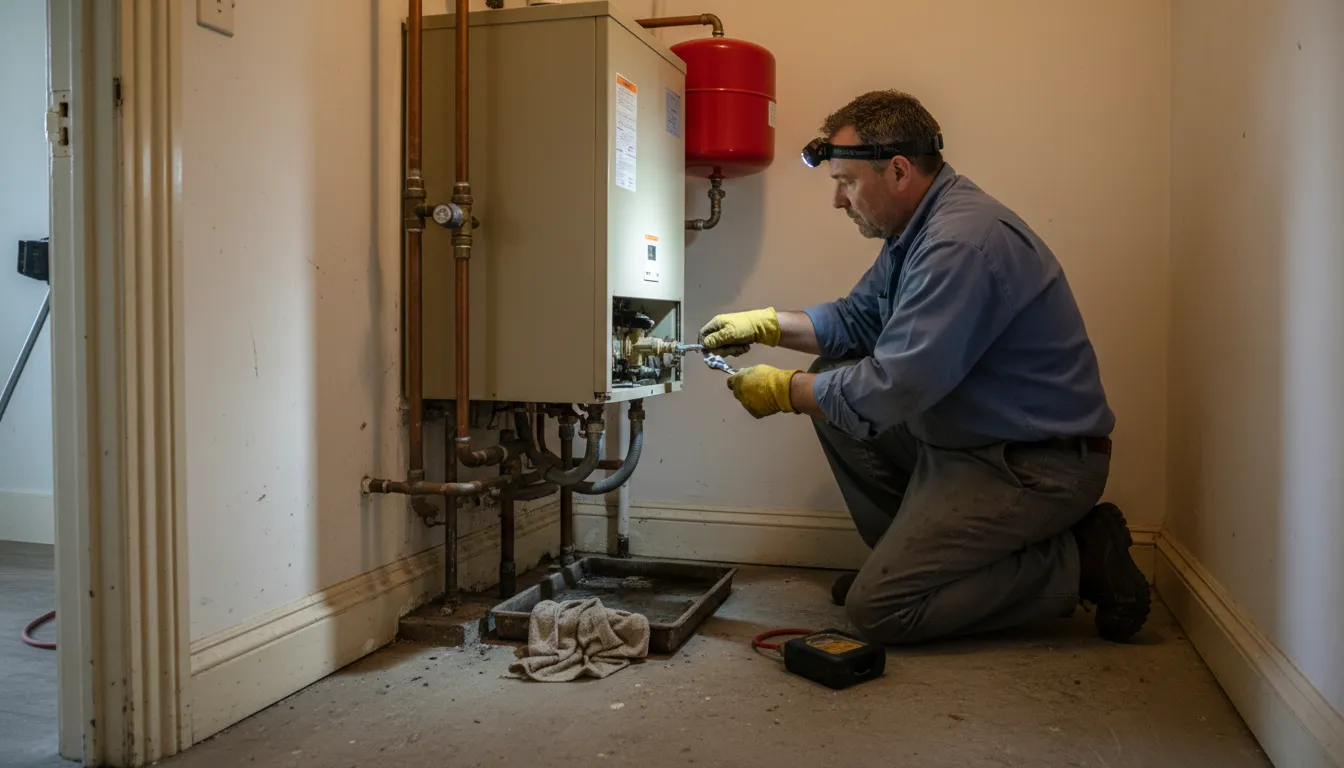
Find the Best Boiler Repair Contractors for Your Business
No obligation • Fast responses • Nationwide coverage

Why you can trust HVAC Firms
HVAC Firms is a leading United States resource for evaluating HVAC service providers. Our team researches companies, checks credentials, and reviews customer feedback to present clear, unbiased information. Listings and rankings are based on merit, and companies cannot pay to change our editorial content.
Search providers near you
Top Boiler Repair Contractors in Chicago, Illinois Ranked
When the winter wind whips off Lake Michigan, a reliable heating system isn't just a comfort-it's a necessity. For the many Chicago homes and buildings that rely on hydronic systems, boiler repair and maintenance are critical services that ensure warmth and safety during the long, cold season. This guide is designed to help you understand your boiler system, recognize when it needs attention, and navigate the decision between repair and replacement with confidence, connecting you with the expertise needed to keep your home cozy.
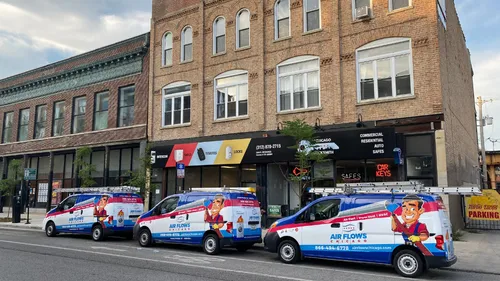
Air Flows Chicago - Belmont
3019 W Belmont Ave, Chicago, IL 60618
Air Flows Chicago - Belmont provides comprehensive HVAC, chimney, and indoor air quality services in Chicago, IL. They offer heating and cooling system installation, repair, and maintenance, including furnaces, boilers, air conditioners, ductless systems, and heat pumps. The company also specializes in chimney sweeping, inspection, and liner services, as well as dryer vent cleaning and repair. Their air duct cleaning and installation services help improve indoor air quality, supported by UV germicidal light installations, humidifiers, and air cleaners. Air Flows Chicago serves both residential and commercial clients and offers 24/7 emergency repair services to minimize downtime.
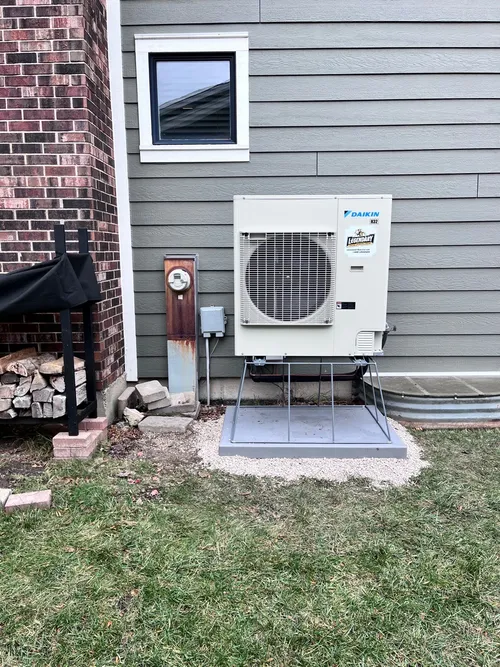
Legendary Service
960 Rand Rd Suite 200F, Des Plaines, IL 60016
Legendary Service is a home comfort provider based in Chicago, IL, offering heating, cooling, plumbing, and indoor air quality services. They handle AC and furnace installation, repair, and maintenance, along with plumbing and drain cleaning. With over 40 years of combined experience, Legendary Service provides comprehensive HVAC and plumbing solutions including indoor air quality improvements to help maintain a healthy home environment. Their team is skilled in diagnosing and resolving issues efficiently, supported by a maintenance agreement program for ongoing care.
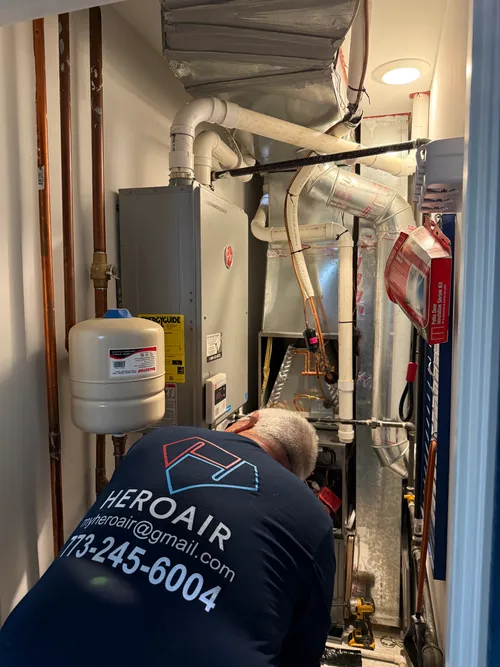
Hero Air
4823 W Patterson Ave, Chicago, IL 60641
Hero Air is a family-owned HVAC company serving Chicago, IL, with over 10 years of experience. They provide a wide range of heating and air conditioning services including installation, repair, and maintenance for air conditioners, furnaces, boilers, and ductless mini splits. Hero Air also specializes in indoor air quality solutions such as UV germicidal treatments and dehumidifiers to maintain healthy and comfortable indoor environments. Their certified and insured technicians work with both residential and commercial clients to ensure efficient system performance throughout the year.
Pro Comfort Solutions
2052 N Latrobe Ave, Chicago, IL 60639
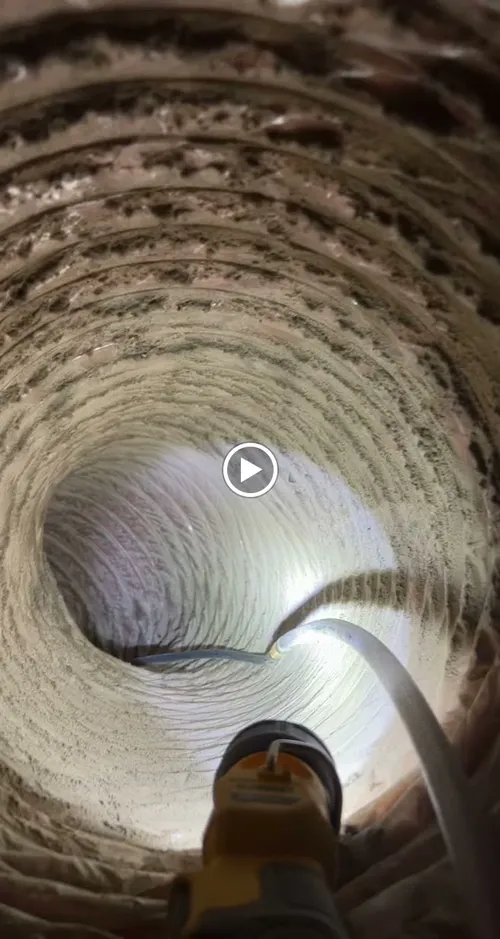
Pro Comfort Solutions is an HVAC and plumbing company serving Chicago, IL, and surrounding areas including Frankfort and Orland Park. They offer a wide range of services such as air conditioning installation and repair, furnace and boiler maintenance, heat pump services, and duct cleaning. Their team is certified and provides 24/7 emergency repairs, including for boilers and furnaces. Pro Comfort Solutions emphasizes clear pricing and customized solutions tailored to each home.
Tranquil Heating and Cooling
4838 N Lowell Ave, Chicago, IL 60630
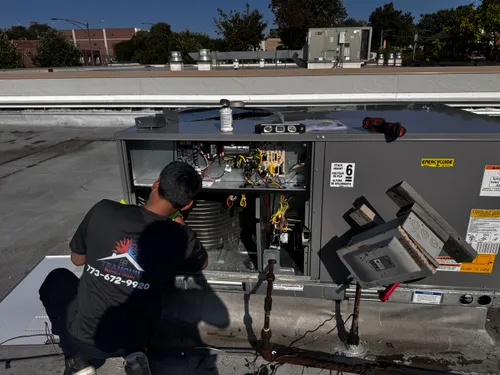
Tranquil Heating and Cooling is an HVAC company based in Chicago, IL, offering a range of heating and cooling services including installation, repair, and maintenance for air conditioners, furnaces, and boilers. They provide tailored solutions to ensure comfortable indoor environments using the latest technology and industry best practices. Their services include HVAC tune-ups, duct installation, and troubleshooting for both residential and industrial clients. The company emphasizes clear communication and personalized service to meet specific customer needs.
Understanding Chicago's Boiler Systems
Chicago's architectural history is rich, and so is its variety of heating systems. A significant number of homes, particularly in older neighborhoods, utilize hydronic (hot water) or steam boiler systems. These systems heat water, which is then circulated through a network of pipes to radiators, baseboard heaters, or even radiant floor systems to warm your space. The most common fuel sources are natural gas and, in some older homes, oil.
The classic cast-iron radiator is a hallmark of many Chicago apartments and houses, and it's almost always powered by a central boiler. Understanding that you have a boiler system-rather than a furnace that heats air-is the first step in addressing any heating issues. These systems are prized for their consistent, comfortable heat but require specific knowledge to service properly, especially given the demands of our local climate.
Why Chicago's Climate Demands a Reliable Boiler
Our winters are no joke. The sustained sub-freezing temperatures and biting wind chill place immense stress on any heating system. An older or inefficient boiler has to work much harder to maintain a comfortable indoor temperature, leading to increased wear and tear, higher energy bills, and a greater likelihood of a mid-winter breakdown. Efficiency becomes not just a matter of cost savings, but of system reliability. A modern, high-efficiency boiler operates more effectively in extreme cold, providing steady heat while consuming less fuel, which is crucial for both comfort and budgeting during a Chicago winter.
Common Boiler Problems and Repairs
Boilers are generally durable, but components can fail. Being able to identify common issues can help you communicate effectively with a technician. Here are some frequent problems:
- No Heat or Insufficient Heat: This could stem from a faulty thermostat, a broken circulator pump (which moves hot water through the pipes), low water pressure, or a problem with the ignition system on gas boilers.
- Strange Noises: Banging, whistling, or gurgling sounds (often called "kettling") are usually caused by limescale buildup on the heat exchanger, trapped air in the system, or low water flow.
- Leaks: Even a small drip from the pressure relief valve, pump seals, or pipe connections can indicate corrosion or failing components that need immediate attention to prevent water damage or a loss of system pressure.
- Pilot Light or Ignition Issues: If the pilot light won't stay lit or the electronic ignition fails, your boiler won't fire up. This can be due to a faulty thermocouple, a gas supply issue, or an ignition control problem.
- Fluctuating Pressure: Boilers operate within a specific pressure range. Pressure that's too high or too low can shut the system down and may indicate a failing pressure relief valve, a leak, or a problem with the expansion tank.
Find the perfect boiler repair contractors for your needs
Get personalized recommendations and expert advice
Repair vs. Replacement: Making the Smart Choice for Your Home
This is the central question for many homeowners facing a boiler issue. The right choice depends on the age, condition, and efficiency of your current unit, as well as the cost of the proposed repair.
When Repair is the Best Path: Opting for boiler repair is often advisable if your system is relatively new (less than 10-15 years old), has been well-maintained, and the repair is minor and affordable. Examples include replacing a thermostat, fixing a small leak at a valve, or addressing a faulty pressure gauge. If the repair cost is a fraction of the price of a new installation and the unit has historically been reliable, a repair can extend its life for several more seasons 1 2.
When Replacement Becomes the Wiser Investment: There are several clear signs that investing in a new boiler is more cost-effective than continuing to repair an old one:
- Age: Most boilers have a lifespan of 15-20 years. If yours is within or beyond this range, components are wearing out, and efficiency has likely dropped significantly 3.
- Frequent Breakdowns: If you're calling for service multiple times a season, you're facing recurring inconvenience and cost. This is a strong indicator of systemic failure.
- Rising Energy Bills: As boilers age, their efficiency declines. If your heating bills are climbing steadily despite consistent usage, an old boiler is likely wasting fuel 4.
- Cost of Repair: A standard rule of thumb is that if the repair estimate exceeds 50% of the cost of a new, high-efficiency boiler, replacement is the more financially sound decision 5 6. You're putting significant money into a system that may fail again soon.
Understanding Boiler Service Costs in Chicago
Costs can vary based on the complexity of the job, the type of boiler, and the parts required. Here's a general overview of what you might expect:
- Common Repairs: Replacing a thermostat might range from $100 to $300. Fixing or replacing a pressure relief valve could cost $200 to $500. A more involved job like swapping out a circulator pump often falls between $500 and $800 7.
- Full Replacement: This is a larger investment. A straightforward swap of a standard-efficiency boiler might range from $4,000 to $6,500. Upgrading to a high-efficiency condensing boiler (with 90%+ AFUE) typically costs between $6,500 and $9,000 or more. Complex jobs, such as converting a steam system or moving the boiler location, can push costs to $9,000-$12,000+ 8 9 10.
While the upfront cost of a new boiler is substantial, the long-term savings on energy bills and the peace of mind from a reliable warranty and fewer repair calls often justify the investment, especially in our climate.
The Benefits of Modern High-Efficiency Boilers
Today's boilers are vastly more efficient than those made even 15 years ago. Upgrading to a high-efficiency model (90% AFUE or higher) offers tangible benefits for a Chicago homeowner:
- Lower Utility Bills: These units extract more heat from the same amount of fuel, directly reducing your monthly gas or oil expenses.
- Improved Comfort: Modern modulating boilers can adjust their heat output to match the demand precisely, eliminating temperature swings and providing consistent warmth.
- Enhanced Reliability: With advanced components and smarter controls, new systems are less prone to breakdowns.
- Quieter Operation: New designs and better components often result in a much quieter system.
- Potential Rebates: Utility companies and sometimes state programs offer rebates for installing high-efficiency equipment, which can help offset the initial cost.
Finding the Right Professional for the Job
Boiler work is not a DIY project. It involves gas lines, water pressure, electricity, and complex controls. A qualified, licensed technician is essential for safe and effective service. Look for professionals with specific experience in hydronic heating systems. They should perform a thorough assessment, explain your options clearly, provide a detailed written estimate, and be willing to answer all your questions about the repair or proposed new equipment. Proper installation is just as important as the quality of the boiler itself for achieving promised efficiency and longevity.
Frequently asked questions
Sources
Footnotes
-
Repairing vs. Replacing Your HVAC System - Deljo Heating & Cooling - https://deljoheating.com/blog/repairing-vs-replacing-your-hvac-system/ ↩
-
Boiler Repair vs Replacement: How to Make the Right Choice - https://www.grossiservicesinc.com/boiler-repair-vs-replacement-how-to-make-the-right-choice ↩
-
Heating Systems | Keep Warm Illinois - https://keepwarm.illinois.gov/content/dam/soi/en/web/keepwarm/documents/heatingsystems.pdf ↩
-
The Cost of Boiler Repair vs. Replacement: What's the Best Option? - https://www.premierboilerandcombustion.com/the-cost-of-boiler-repair-vs-replacement-whats-the-best-option ↩
-
Boiler Repair vs Replacement Guide - Hahn Plumbing - https://hahnplumbing.com/is-it-better-to-repair-or-replace-a-broiler/ ↩
-
Boiler Troubles? How to Tell If It's Time for Repair or Replacement - https://www.halcoenergy.com/about-us/blog/49647-boiler-troubles-how-to-tell-if-its-time-for-repair-or-replacement.html ↩
-
Boiler Repair vs. Replacement: Make the Right Choice - https://www.smithandcompanyhvac.com/boiler-repair-vs-replacement-how-to-make-the-right-choice/ ↩
-
Average Boiler Replacement Cost in Chicago: What You Need to Know - https://ecotemphvac.com/boilers/average-boiler-replacement-cost-in-chicago-what-you-need-to-know/ ↩
-
Boiler Replacement Cost | Chicago Home Heating Experts - https://polarheatingandair.com/index.php/2020/01/20/boiler-replacement-cost-chicago-home-heating-experts/ ↩
-
How Much Does it Cost to Replace a Boiler? - Runwise - https://www.runwise.com/learn/how-much-does-it-cost-to-replace-a-boiler ↩