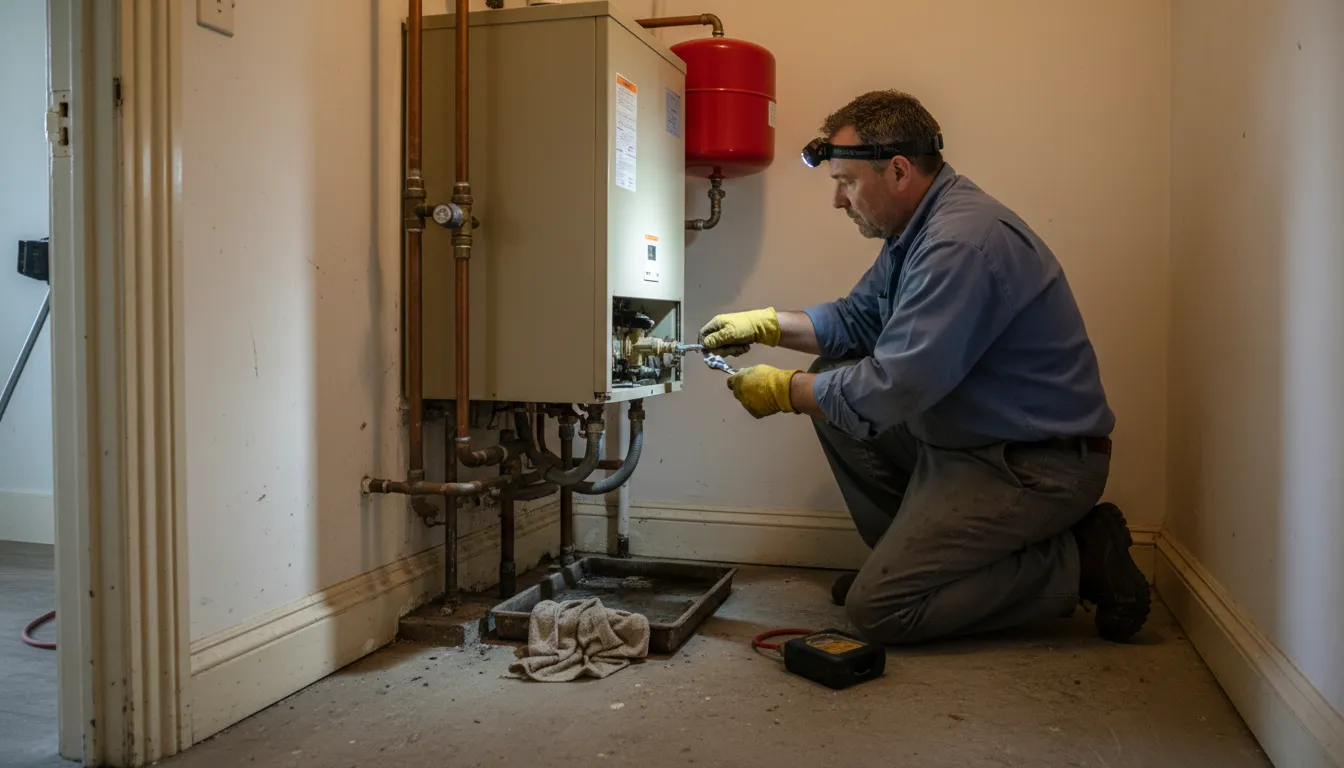
Find the Best Boiler Repair Contractors for Your Business
No obligation • Fast responses • Nationwide coverage

Why you can trust HVAC Firms
HVAC Firms is a leading United States resource for evaluating HVAC service providers. Our team researches companies, checks credentials, and reviews customer feedback to present clear, unbiased information. Listings and rankings are based on merit, and companies cannot pay to change our editorial content.
Search providers near you
Top Boiler Repair Contractors in Arlington Heights, Illinois Ranked
When the winter chill settles into Arlington Heights, a reliable heating system isn't just a comfort-it's a necessity. Boiler repair and maintenance services ensure your home's hydronic heating system operates safely and efficiently, preventing costly breakdowns during the coldest months. This guide helps you understand your options for boiler service, from troubleshooting common issues to evaluating the benefits of a modern, high-efficiency replacement, so you can find the right local expertise for your home.
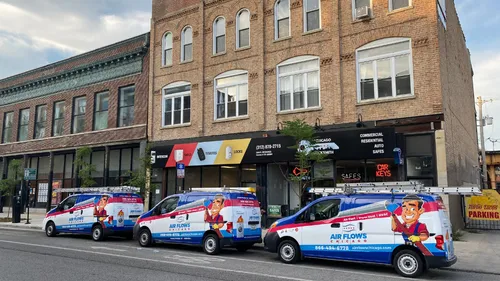
Air Flows Chicago - Belmont
3019 W Belmont Ave, Chicago, IL 60618
Air Flows Chicago - Belmont provides comprehensive HVAC, chimney, and indoor air quality services in Chicago, IL. They offer heating and cooling system installation, repair, and maintenance, including furnaces, boilers, air conditioners, ductless systems, and heat pumps. The company also specializes in chimney sweeping, inspection, and liner services, as well as dryer vent cleaning and repair. Their air duct cleaning and installation services help improve indoor air quality, supported by UV germicidal light installations, humidifiers, and air cleaners. Air Flows Chicago serves both residential and commercial clients and offers 24/7 emergency repair services to minimize downtime.
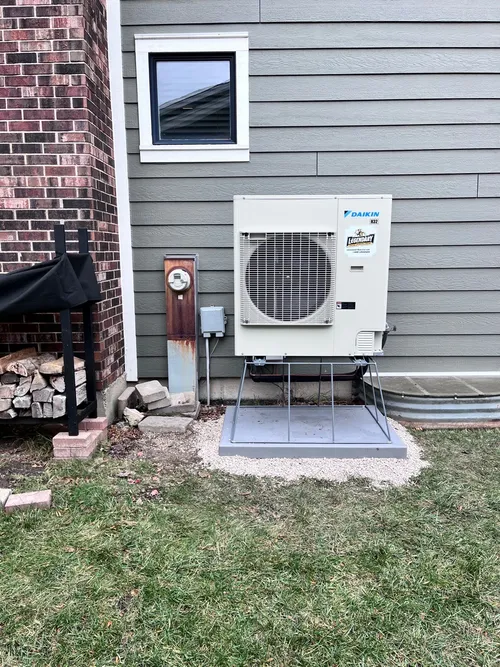
Legendary Service
960 Rand Rd Suite 200F, Des Plaines, IL 60016
Legendary Service is a home comfort provider based in Chicago, IL, offering heating, cooling, plumbing, and indoor air quality services. They handle AC and furnace installation, repair, and maintenance, along with plumbing and drain cleaning. With over 40 years of combined experience, Legendary Service provides comprehensive HVAC and plumbing solutions including indoor air quality improvements to help maintain a healthy home environment. Their team is skilled in diagnosing and resolving issues efficiently, supported by a maintenance agreement program for ongoing care.
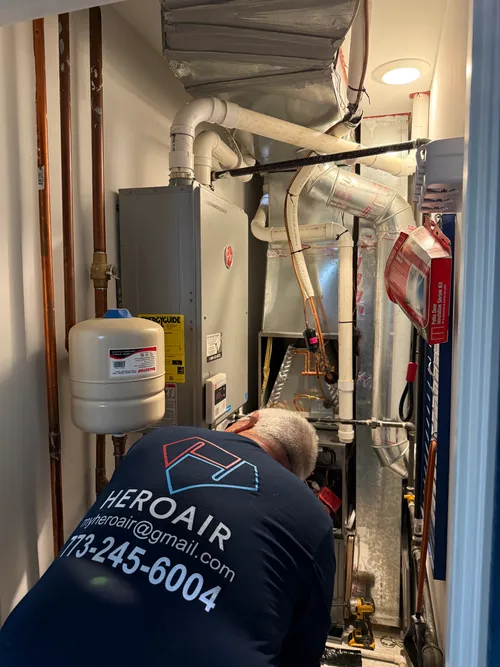
Hero Air
4823 W Patterson Ave, Chicago, IL 60641
Hero Air is a family-owned HVAC company serving Chicago, IL, with over 10 years of experience. They provide a wide range of heating and air conditioning services including installation, repair, and maintenance for air conditioners, furnaces, boilers, and ductless mini splits. Hero Air also specializes in indoor air quality solutions such as UV germicidal treatments and dehumidifiers to maintain healthy and comfortable indoor environments. Their certified and insured technicians work with both residential and commercial clients to ensure efficient system performance throughout the year.
Pro Comfort Solutions
2052 N Latrobe Ave, Chicago, IL 60639
Pro Comfort Solutions is an HVAC and plumbing company serving Chicago, IL, and surrounding areas including Frankfort and Orland Park. They offer a wide range of services such as air conditioning installation and repair, furnace and boiler maintenance, heat pump services, and duct cleaning. Their team is certified and provides 24/7 emergency repairs, including for boilers and furnaces. Pro Comfort Solutions emphasizes clear pricing and customized solutions tailored to each home.
Tranquil Heating and Cooling
4838 N Lowell Ave, Chicago, IL 60630
Tranquil Heating and Cooling is an HVAC company based in Chicago, IL, offering a range of heating and cooling services including installation, repair, and maintenance for air conditioners, furnaces, and boilers. They provide tailored solutions to ensure comfortable indoor environments using the latest technology and industry best practices. Their services include HVAC tune-ups, duct installation, and troubleshooting for both residential and industrial clients. The company emphasizes clear communication and personalized service to meet specific customer needs.
Understanding Your Home's Heating System in Arlington Heights
Arlington Heights, located in Climate Zone 5, experiences harsh winters that demand robust and reliable heating 1. Most homes in the area rely on one of two primary systems: forced-air furnaces or hydronic (hot water) boilers. Knowing which system you have is the first step in addressing any heating issue.
Forced-Air Furnaces are the most common overall heating system. They burn fuel (typically natural gas) to heat air, which is then distributed throughout the home via a network of ducts 2. While this guide focuses on boiler repair, it's important to distinguish between the two, as their maintenance and repair needs are different.
Hydronic Boiler Systems are prevalent in many older Arlington Heights homes. These systems heat water in a boiler, which is then circulated through pipes to radiators, baseboard heaters, or even in-floor tubing to provide warmth. This type of heating is often praised for its consistent, comfortable heat and quiet operation. When we discuss boiler repair, we're typically referring to servicing these hydronic systems.
A growing third option is the heat pump or ductless mini-split system. These electrically powered systems are gaining popularity for their exceptional efficiency, as they move heat rather than generate it, and they offer excellent zoning capabilities for controlling temperatures in individual rooms 3.
Common Boiler Problems and Repairs
Even well-maintained boilers can develop issues, especially as they age. Recognizing the signs of trouble early can prevent a minor repair from turning into a major failure or a full system replacement.
- Leaks and Dripping Water: Corrosion, failed seals, or excessive pressure can cause water to leak from the boiler, pressure relief valve, or associated piping. This not only reduces system efficiency but can cause water damage to your home.
- Circulator Pump Failure: The pump is responsible for moving hot water through the pipes to your radiators or baseboards. A failing pump may make unusual noises, vibrate excessively, or stop working entirely, leading to cold spots in your home.
- Ignition or Burner Problems: If your boiler is struggling to ignite, producing unusual flames, or shutting off unexpectedly, the issue could lie with the ignition system, gas valve, or burner assembly. These are critical safety components that require immediate professional attention.
- Unusual Noises: Kettling (a rumbling or banging sound) is often caused by limescale buildup on the heat exchanger, which traps steam and creates loud pockets of boiling water. Other noises like whistling or gurgling can indicate air in the system or issues with water flow.
- No Heat or Inconsistent Heat: This broad symptom could stem from a faulty thermostat, a broken diaphragm or valve in a zone control system, low water pressure, or a problem with the boiler's internal controls.
For systems under 10-12 years old, repairing these common issues is often the most cost-effective path to restoring comfort. A qualified technician can diagnose the specific problem and recommend a targeted repair.
When to Repair vs. Replace Your Boiler
This is one of the most critical decisions for a homeowner facing a boiler issue. While repair is the right choice for newer systems and simple fixes, there comes a point when replacement offers greater long-term value, comfort, and energy savings.
Consider Repairing Your Boiler If:
- The boiler is relatively new (less than 12-15 years old).
- The repair is straightforward, like replacing a circulator pump or pressure relief valve.
- The system has been generally reliable, and this is an isolated incident.
- The cost of repair is significantly less than the cost of a new system.
It May Be Time to Replace Your Boiler If:
- Age: The boiler is 15 years or older. Efficiency and reliability drop significantly with age.
- Frequent Breakdowns: You are calling for repairs every season. The cumulative cost and hassle often justify an upgrade.
- Declining Efficiency: Older boilers, especially non-condensing models, can have Annual Fuel Utilization Efficiency (AFUE) ratings of 80% or less, meaning 20 cents of every fuel dollar is wasted 4. You may notice steadily rising heating bills.
- Ineffective Heating: The system can no longer maintain a consistent temperature or heat your home adequately.
- Major Component Failure: If the heat exchanger is cracked, replacement is usually recommended, as this is a costly repair on an aging system.
Find the perfect boiler repair contractors for your needs
Get personalized recommendations and expert advice
The Benefits of Modern, High-Efficiency Heating
Replacing an old, inefficient boiler with a modern system is an investment that pays dividends in comfort, control, and cost savings for Arlington Heights residents.
High-Efficiency Condensing Boilers are the gold standard for hydronic heating replacement. They achieve AFUE ratings of 95% or higher by capturing heat from exhaust gases that would otherwise be vented out of a traditional boiler. This process can reduce your fuel consumption for heating by 20-40%, leading to substantial savings on your utility bills.
Air-Source Heat Pumps represent a highly efficient, all-electric alternative. They work like a reversible air conditioner, extracting heat from the outside air (even in cold weather) and transferring it inside. Modern cold-climate models are effective in Illinois winters and provide both heating and cooling from one unit 5. They are exceptionally efficient, often delivering over 300% efficiency (for every unit of electricity used, they move 3+ units of heat).
Both options offer advanced features like modulating burners or inverters that adjust output to match the home's exact heating demand, eliminating the on/off cycling of older systems and providing more consistent comfort.
Costs, Savings, and Financial Incentives
Understanding the financial landscape is key to making a smart decision. While upfront costs are a factor, long-term operating costs and available incentives can make a new system surprisingly affordable.
Typical Cost Ranges in Arlington Heights:
- New High-Efficiency Boiler: Installation of a qualifying, high-efficiency condensing boiler typically ranges from $4,000 to $8,000 or more, depending on the unit's capacity, complexity of the installation, and any necessary updates to piping or radiators.
- Air-Source Heat Pump System: Installing a ductless mini-split or central heat pump system generally falls in the range of $8,000 to $15,000+, influenced by the number of indoor units (for zoning) and the system's capacity.
Long-Term Energy Savings: Upgrading from an 80% AFUE boiler to a 95%+ AFUE model can cut your heating fuel use significantly. For a home with an annual heating bill of $1,200, this could mean savings of $200-$400 per year or more, accelerating the return on your investment 6.
Federal Tax Credits: The IRS Energy Efficient Home Improvement Credit is a powerful incentive. Homeowners can claim a tax credit of up to $2,000 per year for the installation of qualifying biomass boilers or air-source heat pumps 7. This credit directly reduces the amount of tax you owe, making a high-efficiency upgrade more accessible.
For Arlington Heights homeowners with older hydronic systems, a thorough inspection by a local professional to compare repair costs against the long-term savings-and potential tax credits-of a new, high-efficiency boiler or heat pump is the crucial final step for making a smart, energy-conscious choice 8.
Frequently asked questions
Sources
Footnotes
-
Residential Building Energy Efficiency Field Studies - https://www.energycodes.gov/sites/default/files/2021-07/LRMF_Studies_final_report_2020-06-24.pdf ↩
-
4 Different Types of Heating Systems | Martel Plumbing and Heating - https://www.martelplumbingri.com/blog/4-different-types-of-heating-systems/ ↩
-
What Are The Different Types Of Heating Systems? - https://jerrykelly.com/blog/what-are-the-different-types-of-heating-systems/ ↩
-
Residential Rehabilitation Inspection Guide - HUD User - https://www.huduser.gov/portal/publications/rehabinspect.pdf ↩
-
Ductless Heating & Cooling | ENERGY STAR - https://www.energystar.gov/products/ductless_heating_cooling ↩
-
Pros and Cons of Hydronic Heating | First Supply - https://www.firstsupply.com/Knowledge-Center/pros-and-cons-of-hydronic-heating ↩
-
Energy Efficient Home Improvement Credit | Internal Revenue Service - https://www.irs.gov/credits-deductions/energy-efficient-home-improvement-credit ↩
-
Arlington Heights Test & Balance | Mechanical Design | ACCA Manual J - https://www.priorityenergy.com/service/arlington-heights-test-balance-mechanical-design-acca-manual-j/ ↩