Find the Best Boiler Installation & Replacement Contractors for Your Business
No obligation • Fast responses • Nationwide coverage

Why you can trust HVAC Firms
HVAC Firms is a leading United States resource for evaluating HVAC service providers. Our team researches companies, checks credentials, and reviews customer feedback to present clear, unbiased information. Listings and rankings are based on merit, and companies cannot pay to change our editorial content.
Search providers near you
Top Boiler Installation & Replacement Contractors in Oklahoma City, Oklahoma Ranked
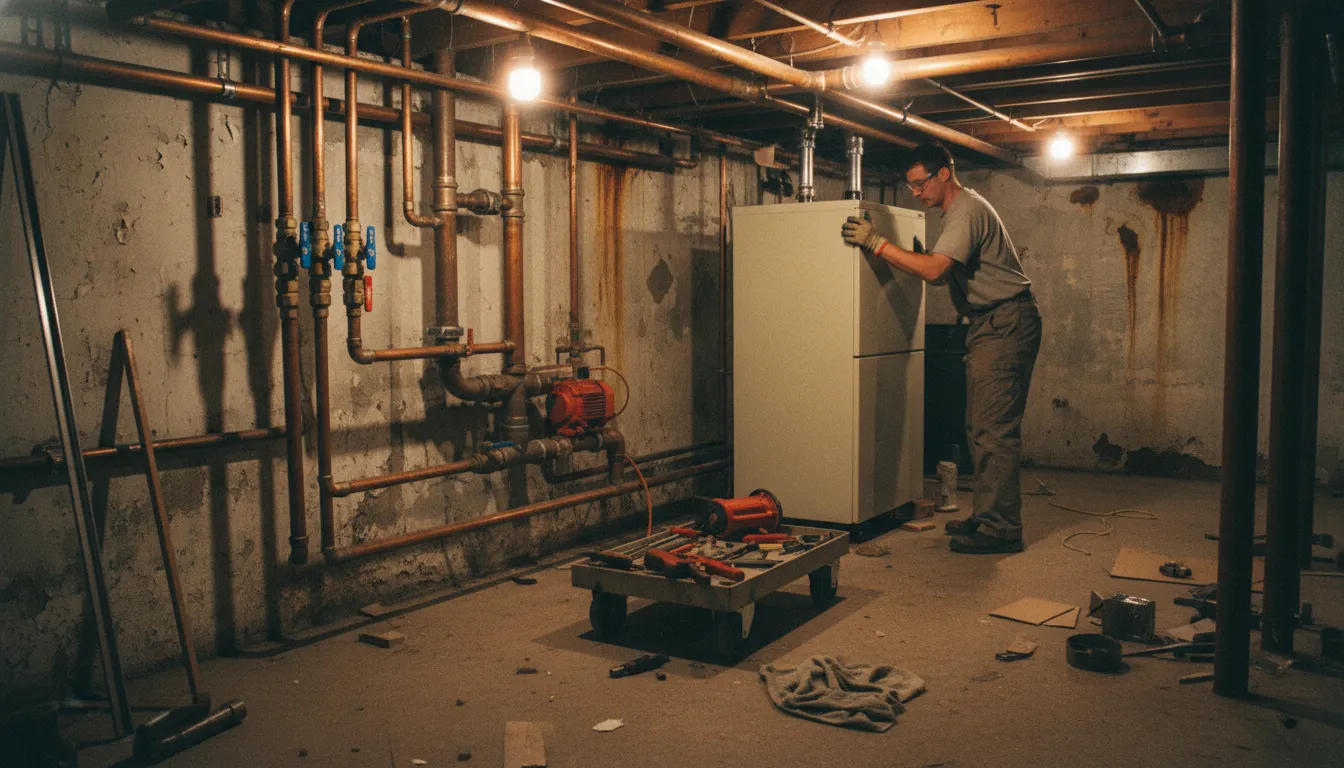
A new boiler installation or replacement is a significant investment in your home's comfort, safety, and energy efficiency. Whether you're upgrading an aging system, converting from another fuel source, or installing heating in a new build, understanding the process, options, and local requirements is crucial. This guide provides essential information on boiler systems, local regulations, and costs to help you make an informed decision and connect with qualified professionals in the Oklahoma City area.
Trinity Climate Control
Oklahoma City, OK
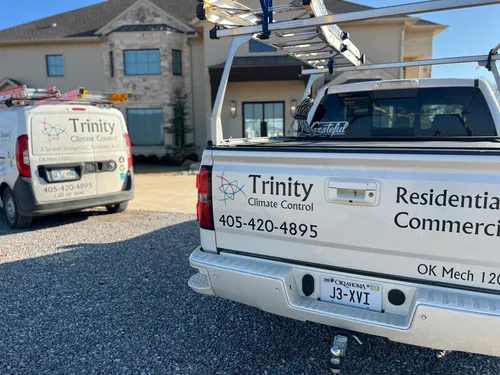
Trinity Climate Control is a family-owned HVAC company serving Oklahoma City, OK. They provide repair, installation, and tune-up services for air conditioners, furnaces, heat pumps, and boilers. The company maintains a large inventory of parts to complete repairs and installations efficiently. Trinity Climate Control also offers emergency services to address urgent HVAC needs.
Hodge Heat and Air LLC
11200 Ashford Dr, Yukon, OK 73099
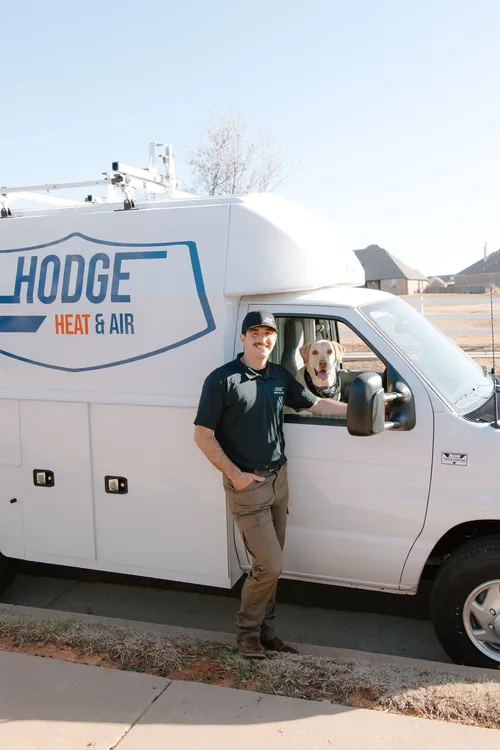
Hodge Heat and Air LLC provides residential HVAC services in Oklahoma City, OK. They specialize in the installation, repair, and maintenance of air conditioners, furnaces, heat pumps, boilers, mini splits, and geothermal heat pumps. The company offers HVAC tune-up services and is available around the clock to address heating and cooling needs. Their team consists of qualified professionals focused on delivering reliable HVAC solutions for home comfort.
Smart Air Solutions, LLC
10 NE 10th St Suite 209, Oklahoma City, OK 73104
Smart Air Solutions, LLC is an HVAC company serving Oklahoma City, OK, specializing in heating and air conditioning repair, installation, and maintenance. Their services cover air conditioners, furnaces, heat pumps, boilers, mini splits, and geothermal heat pumps. The company provides comprehensive system evaluations and customized solutions to fit different needs and budgets. They also offer preventative maintenance plans to help extend the life of HVAC systems. Smart Air Solutions emphasizes clear communication with customers throughout the service process to ensure transparency and satisfaction.
Platinum Heat and Air
2917 Tucson Dr, Yukon, OK 73099
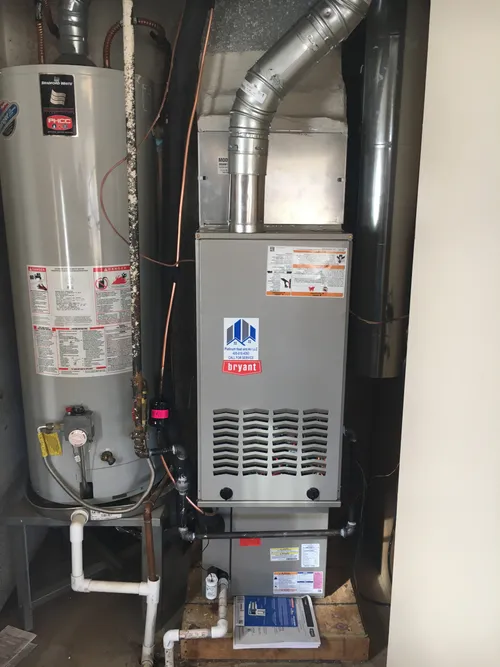
Platinum Heat and Air provides HVAC installation, repair, and maintenance services in Oklahoma City, OK. They offer solutions for air conditioning, furnaces, heat pumps, and boilers, serving Oklahoma City, Mustang, Yukon, and nearby areas. Their team handles installations and tune-ups with attention to quality and care. The company focuses on reliable heating and cooling systems tailored to customer needs, emphasizing both technical expertise and customer comfort.

Advantage Heating & Air conditioning
4317 SW 22nd St #705, Oklahoma City, OK 73108
Advantage Heating & Air Conditioning is a family-owned HVAC contractor serving Oklahoma City, OK, with over 23 years of experience. They provide a wide range of heating, ventilation, and air conditioning services including installation and repair of air conditioners, furnaces, heat pumps, boilers, and thermostats. Their certified technicians specialize in ductwork, ventilation system installation, and water heater services. The company is fully licensed, insured, NATE certified, and a member of the Better Business Bureau and Air Conditioning Contractors of America. They offer 24/7 emergency HVAC services to address urgent repairs any time of the year.
Understanding Your Boiler Options
Choosing the right boiler for your Oklahoma City home depends on your existing setup, budget, and efficiency goals. The primary types of residential heating boilers include standard hot water or steam systems, combination boilers, and high-efficiency condensing models.
Standard Hot Water/Steam Boilers These traditional systems heat water, which is then circulated through pipes to radiators, baseboard heaters, or radiant floor systems to warm your home. Steam boilers vaporize water, and the steam travels through pipes to radiators. Older systems often include a separate tank (cylinder) for domestic hot water. These units are reliable and well-understood by most HVAC technicians, making them a common choice for replacements in homes with existing radiator networks.
Combination (Combi) Boilers Combi boilers are space-saving units that provide both home heating and domestic hot water on demand, eliminating the need for a separate water heater or storage tank. They heat water directly from the mains when you turn on a tap or your heating calls for warmth. While they add complexity to the installation, they are an excellent option for homes with limited space 1.
High-Efficiency Condensing Boilers For maximum energy savings, a high-efficiency or condensing boiler is the modern standard. These units recover heat from the exhaust gases that would otherwise be lost up the flue, achieving Annual Fuel Utilization Efficiency (AFUE) ratings of 90% or higher. They are best paired with modern heating distribution systems and, while costlier upfront, can lead to significant savings on your monthly utility bills, especially during Oklahoma's chilly winters 2 3.
Fuel Types: Natural Gas vs. Oil
The fuel your boiler uses is a major cost and logistics factor. In Oklahoma City, the two most common fuels are natural gas and oil.
- Natural Gas: This is the most popular fuel source due to its widespread availability and typically lower cost. Installation requires a dedicated gas line run to the boiler location by a licensed professional. Ensuring proper gas line sizing and safety is a critical part of the installation process.
- Oil: Some older homes may still use oil-fired boilers. Replacement involves the boiler unit itself and may also require addressing the existing oil storage tank, which could need removal or replacement if it's old or leaking. Switching from oil to gas is a common upgrade that involves adding the gas line infrastructure.
Navigating OKC Permits, Codes, and Inspections
Installing or replacing a boiler in Oklahoma City isn't a simple DIY project; it involves strict adherence to local and state codes to ensure safety. Your licensed contractor will manage this process, but it's helpful to understand what's required.
Permits Are Mandatory Virtually all new boiler installations and replacements require a permit from your local municipality or the state. This permit process ensures the work is planned according to code before it begins. Your contractor will typically pull this permit on your behalf.
Oklahoma Department of Labor (ODL) Oversight The ODL's Boiler & Pressure Vessels Program has jurisdiction over boiler safety in the state. They license qualified installers and often oversee or require inspections of the installed equipment. Working with an ODL-licensed professional is non-negotiable for a safe, legal installation.
Key Code Requirements Installations must comply with the 2018 International Residential Code (IRC) as adopted by Oklahoma, along with all manufacturer instructions. Critical code areas include:
- Proper venting and chimney lining to safely exhaust combustion gases.
- Correct gas line materials, sizing, and leak testing.
- Adequate combustion air supply to the boiler room.
- Proper installation of pressure relief valves and expansion tanks.
- Secure seismic strapping in earthquake-prone areas.
- Correct electrical connections and disconnect switches 4 5.
Final Inspection After installation, a final inspection by the city or state inspector is required to verify code compliance. Your contractor will schedule this inspection. The system should not be put into permanent operation until it passes this final check.
Find the perfect boiler installation & replacement contractors for your needs
Get personalized recommendations and expert advice
Cost Breakdown for Boiler Replacement in OKC
The total cost of a boiler replacement in Oklahoma City varies widely based on the system type, efficiency, and complexity of the installation. Here's a general breakdown to help you budget.
Equipment and Installation Costs
- Standard Efficiency Boiler: A full replacement for a standard gas or oil boiler typically ranges from $3,000 to $8,000 installed.
- High-Efficiency Condensing Boiler: For a top-of-the-line condensing model, expect to invest between $6,000 and $11,000 or more for a complete installation. The higher initial cost is offset by greater long-term energy savings.
What Influences the Price?
- Boiler Unit Itself: The equipment cost can range from $2,000 for a basic model to over $5,000 for a high-efficiency unit.
- Labor: Professional installation labor generally costs between $1,500 and $2,500, depending on the job's duration and complexity.
- Removal & Disposal: Removing and responsibly disposing of your old boiler and any associated tanks adds approximately $500 to $1,000.
- Permits: Permit fees from the city or state usually fall in the $50 to $200 range.
- System Upgrades: If the job involves adding a new gas line, upgrading electrical service, or modifying flue/vent systems, this will increase the total cost. Switching from oil to gas, for example, can add around $2,000 for new gas line work 6 7 8.
The Professional Installation Process: A Step-by-Step Guide
A successful boiler replacement follows a clear process managed by your chosen professional.
- Initial Consultation and Quote: A licensed HVAC or plumbing contractor will visit your home to assess your needs, evaluate the existing system, and discuss your options. They should provide a detailed, written quote covering equipment, labor, permits, and any ancillary work.
- System Selection and Planning: Together, you'll select the right boiler type, size (BTU output), and efficiency rating for your home. The contractor will handle the permit application and plan the installation timeline.
- Preparation and Removal: On installation day, the team will safely disconnect utilities, remove the old boiler and any related equipment, and prepare the site for the new unit.
- New Installation: The new boiler is positioned, connected to fuel and water lines, wired electrically, and vented according to strict code standards. All connections are tested.
- System Startup and Inspection: The contractor will start the system, check for proper operation, balance the heating distribution, and ensure safety devices work. They will then schedule and accompany the final code inspection 9 10 11.
- Customer Orientation: A good professional will walk you through the operation of your new boiler, explain basic maintenance, and provide all warranty information.
Maintaining Your New Boiler System
To protect your investment and ensure long-term efficiency and safety, regular maintenance is key. An annual professional tune-up before each heating season is recommended. This service typically includes cleaning the burner and heat exchanger, checking all safety controls, testing for carbon monoxide, and inspecting the venting system. Homeowners can also keep an eye on the system pressure gauge and ensure the area around the boiler is clear of clutter and flammable materials.
Frequently asked questions
Sources
Footnotes
-
How Much Does Residential Boiler Installation Cost? - https://www.aeroenergy.com/how-much-does-residential-boiler-installation-cost/ ↩
-
Heating Installation in Oklahoma City, OK - Air Comfort Solutions OKC - https://aircomfortsolutions.net/okc/heating/installation/ ↩
-
How much does a new boiler cost to install or replace? - HomeGuide - https://homeguide.com/costs/boiler-replacement-cost ↩
-
Boiler & Pressure Vessels Program - https://oklahoma.gov/labor/safety-and-health/safety-standards/boiler-pressure-vessels.html ↩
-
Chapter 20 Boilers and Water Heaters - UpCodes - https://up.codes/viewer/oklahoma/irc-2018/chapter/20/boilers-and-water-heaters ↩
-
Boiler Replacement Costs: Smart Budgeting and Planning ... - https://www.tcmemt.com/post/the-cost-of-boiler-replacement-expert-guide-to-smart-budgeting-and-installation-planning ↩
-
Heating System Replacement Costs in Oklahoma City - https://calltripleplay.com/cost-to-replace-heating-system/ ↩
-
What Does Boiler Replacement Cost? [2025 Data] - HomeAdvisor - https://www.homeadvisor.com/cost/heating-and-cooling/install-a-boiler/ ↩
-
Guide to Installing a New Boiler System - Aspen Creek HVAC - https://www.aspencreekhc.com/guide-to-installing-a-new-boiler-system/ ↩
-
Oklahoma City Water Heater Installation - Hull Plumbing, Inc. - https://www.hullplumbinginc.com/water-heaters/water-heater-installation/ ↩
-
Oklahoma City Furnace Installation | Local Heating ... - https://www.pinkvantechs.com/heating/furnace-installation/ ↩