Find the Best Boiler Installation & Replacement Contractors for Your Business
No obligation • Fast responses • Nationwide coverage

Why you can trust HVAC Firms
HVAC Firms is a leading United States resource for evaluating HVAC service providers. Our team researches companies, checks credentials, and reviews customer feedback to present clear, unbiased information. Listings and rankings are based on merit, and companies cannot pay to change our editorial content.
Search providers near you
Top Boiler Installation & Replacement Contractors in Columbus, Ohio Ranked
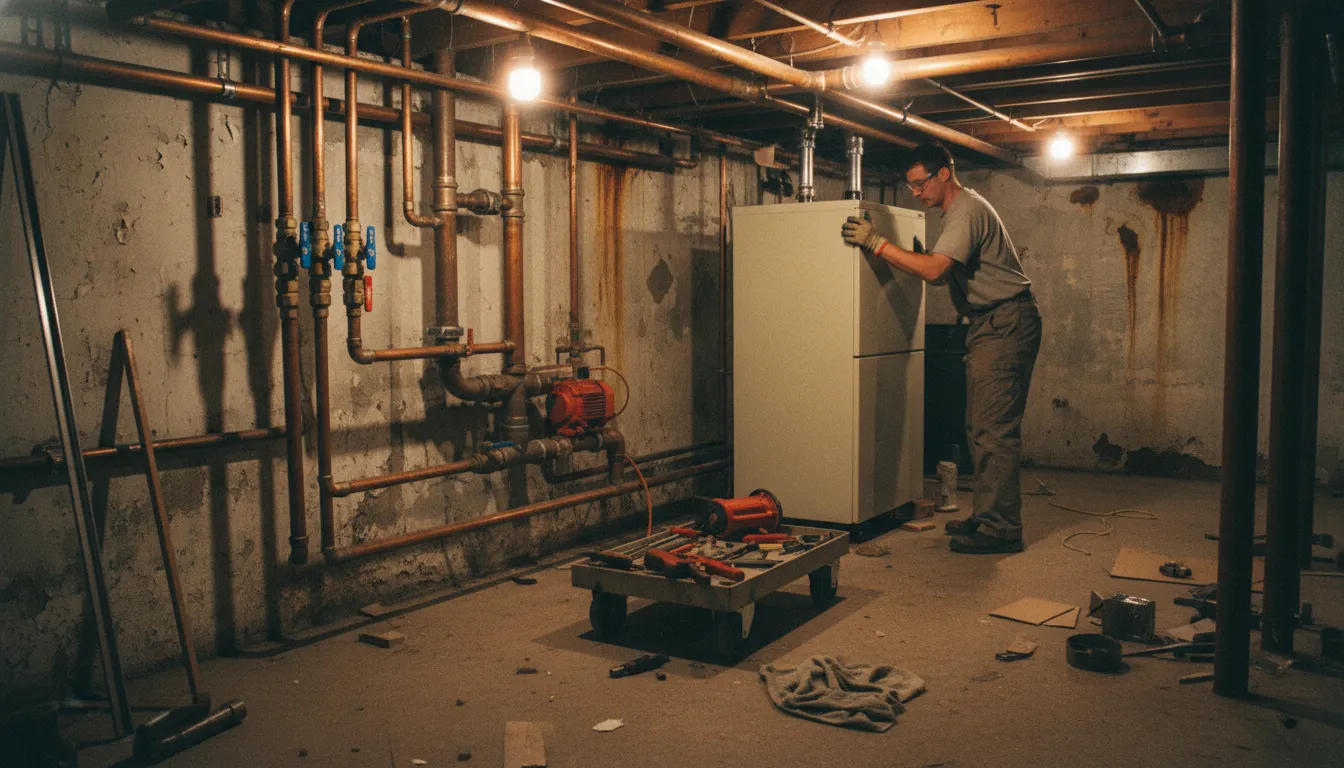
Ensuring your Columbus home has a reliable and efficient heating system is essential for comfort through the long Ohio winters. Boiler installation and replacement is a significant home improvement project that involves selecting the right type of heating unit, navigating local and state regulations, and ensuring a professional setup for long-term performance. This guide will help you understand the key considerations, from boiler types and costs to the required permits and the installation process, so you can make an informed decision when connecting with local heating specialists.
Foust Plumbing & Heating
321 W Bigelow Ave Suite 200, Plain City, OH 43064
Foust Plumbing & Heating is a family-owned HVAC and plumbing contractor serving Columbus, OH, and surrounding areas. They offer installation, repair, and maintenance services for air conditioning, furnaces, heat pumps, boilers, and geothermal heat pumps. With over 40 years of experience, they work with all major brands and provide emergency service availability. Their team is licensed, insured, and certified, focusing on transparent pricing and skilled workmanship.
AK Services
5615 Rocky Pine Loop N, Columbus, OH 43229
AK Services is a family-owned heating and air conditioning company based in Columbus, OH. They provide a wide range of HVAC services including installation, repair, maintenance, and indoor air quality solutions for both residential and commercial properties. Their skilled technicians use modern diagnostic tools and energy-efficient technologies to handle systems such as air conditioners, furnaces, heat pumps, boilers, mini splits, and thermostats. AK Services offers 24/7 emergency support throughout Columbus and nearby areas. With over 10 years of experience, they focus on accurate diagnosis and tailored solutions to meet customer needs.

Dor-Mar Pataskala Heating Cooling Plumbing Electrical Appliances Radon
24 Front St Suite 207, Pataskala, OH 43062
Dor-Mar Pataskala Heating Cooling Plumbing Electrical Appliances Radon is a family-owned home services contractor serving Columbus, OH, and the surrounding Central Ohio area. The company offers a wide range of services including installation, repair, and maintenance of heating and cooling systems such as furnaces, heat pumps, boilers, air conditioners, and mini splits. They also provide duct cleaning, thermostat installation, indoor air quality services, plumbing, electrical, appliance repair, water filtration, and radon testing and mitigation. Established in 1962, Dor-Mar has grown from a small door-to-door business to one of the largest heating and cooling service companies in Ohio, with a team of trained technicians and 24/7 availability for furnace and air conditioning repairs.

Dor-Mar Westerville Heating Cooling Plumbing Electric Appliances Radon
924 Eastwind Dr #2, Westerville, OH 43081
Dor-Mar Westerville Heating Cooling Plumbing Electric Appliances Radon is a family-owned home services contractor based in Columbus, OH. They provide a wide range of services including heating, air conditioning, plumbing, electrical, appliance repair, water filtration, and radon testing and mitigation. Serving Central Ohio with multiple locations, Dor-Mar offers installation, maintenance, and repair for HVAC systems such as furnaces, heat pumps, boilers, and mini splits. They have been in business since 1962 and maintain a team of trained technicians who stay current with industry updates. The company also provides 24-hour emergency furnace repair and air conditioning services to ensure customer comfort at any time.

Dor-Mar Dublin Heating Cooling Plumbing Electrical Appliances Radon
6543 Commerce Pkwy D, Dublin, OH 43017
Dor-Mar Dublin Heating Cooling Plumbing Electrical Appliances Radon is a full-service home services contractor based in Columbus, OH. They provide a wide range of services including HVAC installation, repair, and maintenance for air conditioners, furnaces, heat pumps, boilers, and mini splits, as well as duct cleaning, thermostat installation, indoor air quality services, plumbing, electrical, appliance repair, water filtration, and radon testing and mitigation. With a history dating back to 1962, Dor-Mar has grown from a small family-owned business to one of Central Ohio's largest heating and cooling companies. They offer 24/7 furnace repair and emergency air conditioning services, ensuring support is available any time it is needed.
Understanding Your Boiler Options
When it's time for a new boiler, you'll find several types available, each with distinct advantages. The right choice depends on your home's layout, your hot water needs, and your efficiency goals.
- Standard/Mid-Efficiency Boilers: These units offer a reliable baseline of performance and are often a cost-effective choice for replacement projects where upgrading an older, less efficient system. They provide dependable heat but operate at lower Annual Fuel Utilization Efficiency (AFUE) ratings than their high-efficiency counterparts.
- High-Efficiency Condensing Boilers: For maximum energy savings, a condensing boiler is the top choice. These systems achieve AFUE ratings of 90% or higher by extracting extra heat from combustion gases, which then condense into water vapor. While the upfront cost is higher, the long-term savings on fuel bills can be substantial. They often use specialized plastic venting (PVC) instead of traditional metal flues 1.
- Combination (Combi) Boilers: A popular space-saving solution, combi units heat water for both your home's hydronic heating system and your domestic hot water (DHW) needs on demand, eliminating the need for a separate storage tank. They are excellent for homes with limited space.
- System Boilers (Pressurized Hot Water): These integrated systems include a pump and expansion vessel within the unit, making them easier to install than traditional boilers. They work with an unvented hot water cylinder to provide strong water pressure for showers and taps, suitable for homes with higher hot water demand 2.
- Traditional (Conventional) Boilers: Often found in older Columbus homes, these systems use a separate cold water storage tank and hot water cylinder. They are compatible with legacy heating systems and can be a straightforward like-for-like replacement.
How Boiler Systems Distribute Heat
Unlike forced-air furnaces that use ductwork, boilers provide heat through a hydronic (water-based) distribution system. Heated water is circulated through a network of pipes to various heat emitters in your home 3. Common types include:
- Radiators: Classic cast-iron or modern panel radiators in individual rooms.
- Baseboard Heaters: Long, low units along walls that provide consistent, convective heat.
- Radiant Floor Heating: Pipes embedded in the floor for luxurious, even warmth from the ground up.
Understanding your existing distribution system is a critical first step for any boiler replacement project, as it influences the type and size of boiler you need.
Columbus Regulations and Required Permits
Installing or replacing a boiler in Columbus is not a DIY project. The process is governed by strict state and local codes to ensure safety. Your chosen contractor must manage this compliance process.
- State Contractor Registration: In Ohio, any business performing boiler installation, repair, or replacement must hold a valid Certificate of Registration from the Ohio Department of Commerce, Division of Industrial Compliance. Always verify your installer's registration.
- City Permits: A building permit, and potentially an electrical permit, is required from the City of Columbus before work begins. Your installer will typically pull these permits.
- State Boiler Inspection: After installation or a major repair, the boiler must be inspected by the state to receive a Certificate of Operation. This is a mandatory step for legal operation.
- Governing Codes: Installations must comply with the Ohio Revised Code (ORC Chapter 4104), the Ohio Administrative Code (OAC 4101:4), and ASME construction standards 4 5. This includes strict rules on proper venting, clearances (e.g., maintaining a 3-foot clear space around the unit), and safety valve installation 6 5.
Cost Breakdown for Boiler Installation
The total investment for a new boiler system in Columbus varies widely based on the equipment, home size, and project complexity. Here's a general cost framework:
- Total Project Cost: $4,000 to over $10,000+.
- Equipment Cost: $2,000 - $5,000+, depending on the type, brand, and efficiency rating.
- Labor Cost: $1,500 - $2,500+ for professional installation 7.
- Permit & Fees: $50 - $200+ for required city and state paperwork.
- Old System Removal: $500 - $1,000 to safely disconnect and remove the old boiler and, if applicable, an old oil tank.
- Fuel Conversion: If switching from oil to natural gas, adding a new gas line can add $2,000 or more to the project cost 8.
Find the perfect boiler installation & replacement contractors for your needs
Get personalized recommendations and expert advice
The Professional Installation Process
A proper boiler setup follows a meticulous process to ensure efficiency, safety, and longevity.
- Heat Load Calculation: This is the most critical first step. A professional will perform a room-by-room Manual J calculation to determine your home's exact heating needs (measured in BTUs). In Ohio's climate, a rough estimate is around 35 BTUs per square foot, but an accurate calculation prevents the costly mistake of installing an oversized or undersized unit 9.
- Comprehensive System Assessment: Your technician will evaluate your entire existing heating system: the condition of pipes, radiators or baseboards, thermostats, and controls. They will also assess your domestic hot water needs to recommend the best boiler type.
- Permitting & Code Compliance: As outlined above, your installer will secure all necessary permits from the City of Columbus and ensure the planned work meets all Ohio boiler codes 10.
- Installation & Final Testing: The old unit is removed, the new boiler is installed and connected to fuel, water, and electrical lines. The system is thoroughly tested for leaks, proper venting, and optimal operation. Finally, the installer should provide you with a walkthrough on how to operate and maintain your new system 11 12.
Key Benefits of a Modern Boiler Upgrade
Replacing an old, inefficient boiler with a modern system offers tangible benefits for Columbus homeowners:
- Lower Energy Bills: High-efficiency models, especially condensing boilers, can significantly reduce monthly heating costs.
- Improved Comfort: Modern boilers provide more consistent and even heat without the drafts and temperature swings common with old systems.
- Increased Reliability: New equipment means fewer breakdowns and repair calls during the coldest months.
- Reduced Carbon Footprint: Efficient boilers use less fuel, lowering your home's environmental impact.
- Enhanced Home Value: An updated, efficient heating system is a valuable asset for potential buyers.
Frequently asked questions
Sources
Footnotes
-
Boiler Replacement Westerville OH Installation Guide - https://bestservicehvac.com/boiler/boiler-replacement-westerville-oh ↩
-
How Much Does Residential Boiler Installation Cost? - https://www.aeroenergy.com/how-much-does-residential-boiler-installation-cost/ ↩
-
How Much Does Boiler Installation and Replacement Cost? [2026 ... - https://www.angi.com/articles/how-much-does-boiler-installation-cost.htm ↩
-
Boiler Compliance - Ohio Department of Commerce - https://com.ohio.gov/wps/portal/gov/com/divisions-and-programs/industrial-compliance/boilers/guides-and-resources/boiler-compliance ↩
-
Boiler & Pressure Vessel Rules - Ohio Department of Commerce - https://com.ohio.gov/divisions-and-programs/industrial-compliance/boards/board-of-building-standards/building-codes-and-interpretations/boiler-pressure-vessel-rules ↩ ↩2
-
Checklist for New Hot Water Heating or Hot Water Supply Boilers | Ohio Department of Commerce - https://com.ohio.gov/divisions-and-programs/industrial-compliance/boilers/guides-and-resources/checklist-for-new-hot-water-heating-or-hot-water-supply-boilers ↩
-
Boiler Replacement Costs: Smart Budgeting and Planning ... - https://www.tcmemt.com/post/the-cost-of-boiler-replacement-expert-guide-to-smart-budgeting-and-installation-planning ↩
-
Boiler Replacement Cost and Price - Carrier - https://www.carrier.com/residential/en/us/products/boilers/cost-buying-boiler-replacement/ ↩
-
What Size Boiler Do I Need for My House? A Complete Guide - https://greenenergymech.com/blog/what-size-boiler-need-for-house/ ↩
-
HVAC Installation Downtown Columbus OH Service Guide - https://bestservicehvac.com/hvac/hvac-installation-downtown-columbus-oh ↩
-
Boiler Installation in Columbus, OH | Reliable Heating - https://hetterheating.com/heating/boiler-installation/ ↩
-
Expert Boiler Installation Columbus | The Waterworks - https://thewaterworks.com/heating/boiler-installation/ ↩