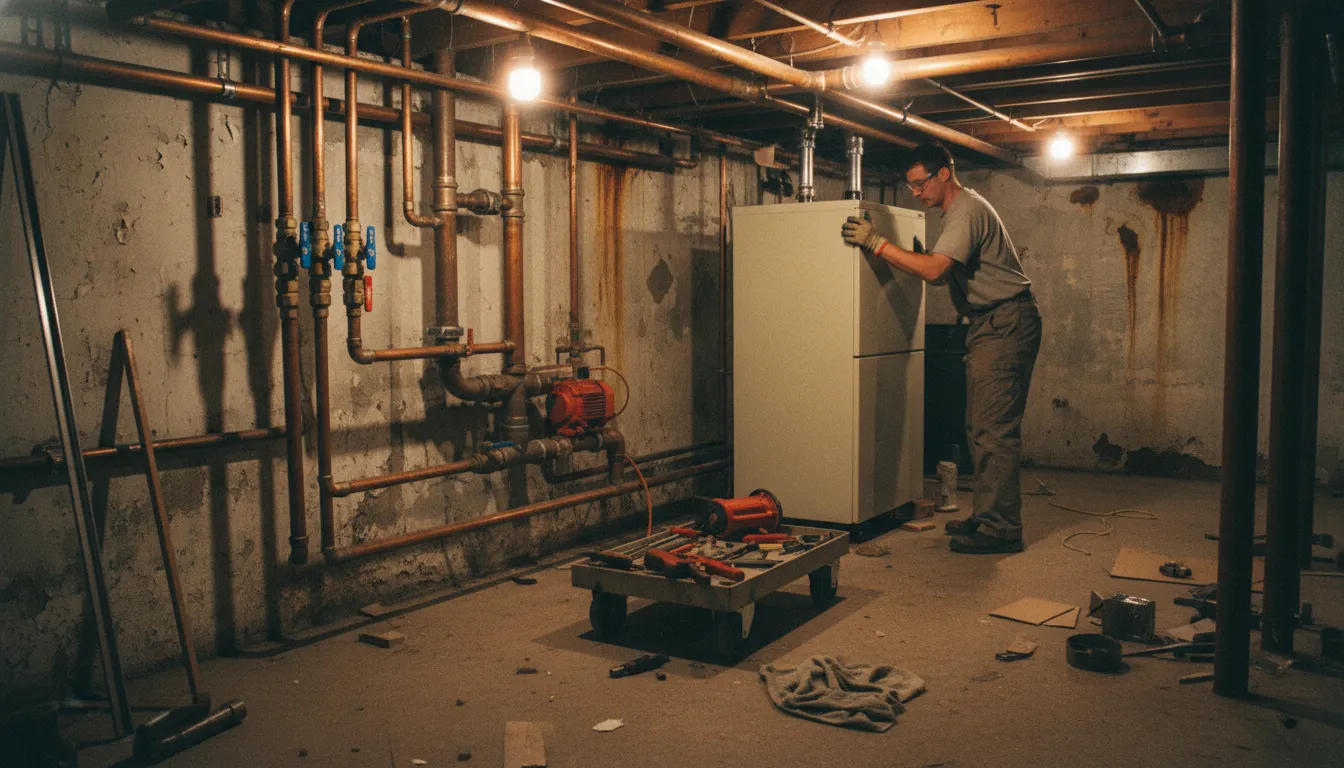
Find the Best Boiler Installation & Replacement Contractors for Your Business
No obligation • Fast responses • Nationwide coverage

Why you can trust HVAC Firms
HVAC Firms is a leading United States resource for evaluating HVAC service providers. Our team researches companies, checks credentials, and reviews customer feedback to present clear, unbiased information. Listings and rankings are based on merit, and companies cannot pay to change our editorial content.
Search providers near you
Top Boiler Installation & Replacement Contractors in High Point, North Carolina Ranked
A new boiler installation or replacement is a significant investment in your home's comfort, efficiency, and safety. Whether you're upgrading an aging system, converting from another heat source, or building a new home, a properly installed boiler provides reliable, even heat through radiators or radiant floor systems. For High Point residents, navigating local permits, state inspections, and choosing the right system can be complex. This guide provides the essential information you need to understand the process, costs, and regulations for boiler work in High Point, helping you make an informed decision when selecting a qualified professional.

Aire Serv of Liberty
Greensboro, NC
Aire Serv of Liberty is a heating and air conditioning company serving Greensboro, NC. They provide a range of HVAC services including repair, installation, and maintenance for air conditioners, furnaces, heat pumps, and boilers. The company also offers indoor air quality improvements with air purification systems. Aire Serv of Liberty is known for its skilled professionals and commitment to customer satisfaction, backed by the Neighborly Done Right Promise®. They provide 24/7 customer service to ensure heating and cooling systems remain operational at all times.
Thomas Cooling & Heating, LLC
Winston Salem, NC
Thomas Cooling & Heating, LLC is a licensed HVAC company based in Winston Salem, NC. They provide a range of services including installation, repair, and maintenance for air conditioning, furnaces, heat pumps, boilers, and full HVAC systems. Their technicians bring years of experience to each job and offer individualized HVAC solutions to fit customer needs and budgets. The company also provides a one-year labor warranty alongside manufacturer warranties, emphasizing quality parts and equipment in their work.
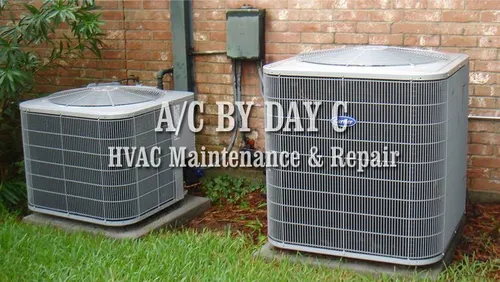
Ac by Day C
Greensboro, NC
Ac by Day C is a female-owned HVAC contractor based in Greensboro, NC, offering residential and commercial heating and cooling services. The company provides installation, repair, diagnostics, and seasonal maintenance for air conditioners, furnaces, heat pumps, boilers, and other HVAC equipment. With 15 years of experience, Ac by Day C emphasizes quality craftsmanship and transparency while promoting inclusion in the skilled trades. They serve the Greensboro area and the surrounding Triad region, providing access to major HVAC brands and specialized equipment like cranes for rooftop system installations.
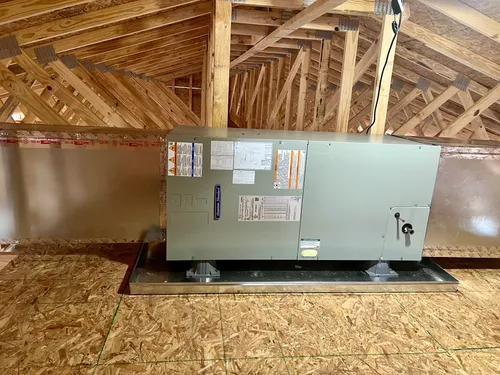
GunnAire
4630 Duffer Ln, Pfafftown, NC 27040
GunnAire is a veteran-owned HVAC contractor based in Winston Salem, NC, offering full-service heating and air conditioning solutions for residential, commercial, and industrial clients. Their services include installation, repair, maintenance, retrofits, and upgrades for systems such as air conditioners, furnaces, heat pumps, and boilers. GunnAire is licensed and insured, with a focus on accurate diagnosis and troubleshooting. They also provide a twice-yearly maintenance program to help extend the life of HVAC systems. Additional services include general construction and waterproofing through business partners.
Spainhour
Winston Salem, NC
Spainhour is a local, family-owned HVAC company serving Winston Salem, NC, and surrounding areas including High Point and Thomasville. They provide a range of heating and air services, including repair and installation of air conditioners, furnaces, heat pumps, and boilers. Their technicians service all makes and models and offer convenient, fast on-site service.
Understanding Your Boiler and Hydronic Heating System
At its core, a boiler is a vessel that heats water or generates steam to distribute warmth throughout your home. Unlike a furnace that heats air, a hydronic heating system uses water as the heat-transfer medium. This method is known for its consistent, comfortable heat and quiet operation. The two primary configurations you'll encounter are:
- Hot Water Systems: The most common type in modern installations. The boiler heats water, which is then circulated via a pump through a network of pipes to baseboard radiators, radiant floor tubing, or coils in an air handler.
- Steam Systems: Found in many older homes, these systems boil water to create steam, which rises through pipes to radiators. While effective, they are less efficient than modern hot water systems and require specialized knowledge for maintenance and replacement.
The fuel source for your boiler is another key consideration. In High Point, the most common options are natural gas, propane, and electricity. Oil-fired systems are less common but still present in some homes. Your choice will impact long-term operating costs, installation requirements, and available equipment.
Why Consider Boiler Replacement?
Replacing an old boiler isn't just about fixing a breakdown. Modern boiler installation offers tangible benefits:
- Increased Efficiency: Older boilers may operate at 70% Annual Fuel Utilization Efficiency (AFUE) or less. New models, especially high-efficiency condensing boilers, can achieve AFUE ratings of 90% to 98%. This means more of your fuel dollar goes directly into heating your home.
- Lower Utility Bills: The jump in efficiency directly translates to lower monthly heating costs, helping the new system pay for itself over time.
- Enhanced Comfort: New systems provide more consistent temperatures and often include advanced modulating controls that adjust heat output to match demand precisely.
- Improved Safety and Reliability: New boilers incorporate the latest safety standards and controls, reducing risks associated with older, potentially compromised equipment.
- Reduced Environmental Impact: High-efficiency models produce fewer emissions, making them a more environmentally friendly choice.
Navigating High Point and North Carolina Regulations
A critical aspect of boiler replacement in High Point is compliance with a two-tiered regulatory system. Skipping these steps can result in fines, an unsafe installation, and problems when selling your home.
- Local Permits: Before any work begins, your contractor must pull the necessary permits from the City of High Point. This typically includes mechanical, electrical, and plumbing permits. These local inspections ensure the installation meets building and safety codes specific to our area.
- State Inspection: After local approvals, the installation must be inspected by the North Carolina Department of Labor (NCDOL). The NCDOL issues the final permit to operate the boiler. This state-level inspection is mandatory and focuses on compliance with the North Carolina Boiler and Pressure Vessel Rules.
- Key Code Requirements: Installations must follow the manufacturer's instructions and state-adopted codes like the International Residential Code (IRC). Important rules include:
- Garage Installations: Most gas-fired appliances, including boilers, must be installed so the ignition source is at least 18 inches above the garage floor to prevent ignition of flammable vapors.
Find the perfect boiler installation & replacement contractors for your needs
Get personalized recommendations and expert advice
Choosing the Right Boiler: Efficiency and Types
When selecting a new unit, understanding efficiency ratings and technology is crucial. The AFUE rating is the primary measure. Mid-efficiency models range from 80% to 85% AFUE, while high-efficiency condensing boilers are 90% and above.
Condensing boilers are often the recommended choice for new installations. They capture heat from the exhaust gases that would otherwise go up the flue, condensing the water vapor in the process. This extra heat exchange allows them to achieve exceptional efficiency. They do require a drain for the condensate produced and are typically paired with low-temperature distribution systems like radiant floors for optimal performance.
Your contractor will perform a heat load calculation to determine the correct size (measured in BTU/h) for your home. An oversized boiler will short-cycle (turn on and off frequently), reducing efficiency and comfort, while an undersized one will struggle to keep your home warm.
Cost Breakdown for Boiler Replacement in High Point
The total cost of a boiler installation can vary widely based on the unit, labor, and complexity of the job. For High Point homeowners, the following ranges provide a general guideline, with total installed costs typically falling between $4,000 and $10,000 or more3 4 5.
- Boiler Unit Itself: $2,000 - $5,000. This depends on brand, efficiency (condensing vs. non-condensing), capacity, and fuel type.
- Professional Labor: $1,500 - $3,000+. This covers removal of the old unit, installation of the new boiler, and connection to existing piping and controls.
- Permits and Fees: $100 - $300 for local High Point permits and state NCDOL fees 6.
- Old Unit Removal & Disposal: $500 - $1,000.
- System Upgrades (Additional): $1,000 - $3,000+. This is a significant variable. Costs can rise if you need to replace or reroute piping, upgrade electrical service, install a new flue liner for a condensing boiler, or add components like an indirect water heater for domestic hot water.
It's important to get detailed, written estimates that break down all these costs. The lowest bid may not include necessary permits or system upgrades, leading to unexpected expenses later.
The Professional Installation Process: What to Expect
Working with a licensed professional ensures a smooth, code-compliant installation. Here's a typical process:
- Consultation and Load Calculation: A technician will assess your home, discuss your needs, and calculate the required heating capacity.
- System Design and Quote: They will recommend a specific boiler and system configuration and provide a detailed proposal.
- Permit Procurement: Your contractor will secure all necessary local permits from the City of High Point before work begins.
- Preparation and Removal: The area around the old boiler is prepared, utilities are safely disconnected, and the old unit is removed.
- New Installation: The new boiler is set, leveled, and connected to fuel, water, electrical, and venting systems. New piping, pumps, and controls are installed as needed.
- System Startup and Testing: The system is filled, purged of air, and fired up. The technician will check for leaks, verify proper operation of all controls and safety devices, and balance the system.
- Inspections: The contractor will arrange for the required local and NCDOL inspections 7.
- Homeowner Orientation: A final walkthrough where the installer explains system operation, maintenance, and your new thermostat.
Finding a Qualified Contractor in High Point
Your choice of installer is as important as your choice of boiler. Look for a contractor who:
- Holds current North Carolina licensing for HVAC and/or plumbing work.
- Carries both liability insurance and workers' compensation.
- Has specific experience with hydronic heating systems and boiler replacements.
- Provides clear, written estimates and is willing to explain the details of the job.
- Handles the entire permit and inspection process with the City of High Point and NCDOL.
- Offers references from recent boiler installation projects.
Frequently asked questions
Sources
Footnotes
-
CHAPTER 20 BOILERS AND WATER HEATERS - https://codes.iccsafe.org/content/NCRC2018P2/chapter-20-boilers-and-water-heaters ↩
-
Chapter 20 Boilers and Water Heaters: North Carolina Residential ... - https://up.codes/viewer/north_carolina/irc-2015/chapter/20/boilers-and-water-heaters ↩
-
The Cost of Boiler Replacement: Expert Guide to Smart Budgeting and Installation Planning - https://www.tcmemt.com/post/the-cost-of-boiler-replacement-expert-guide-to-smart-budgeting-and-installation-planning ↩
-
How Much Does Boiler Replacement Cost? (2026) - This Old House - https://www.thisoldhouse.com/heating-cooling/boiler-replacement-cost ↩
-
How Much Does it Cost to Replace a Boiler? - Runwise - https://www.runwise.com/learn/how-much-does-it-cost-to-replace-a-boiler ↩
-
North Carolina Boiler Laws: Rules, Regulations, & Inspection - https://www.wcrouse.com/blog/north-carolina-boiler-laws-rules-regulations-inspection/ ↩
-
Build High Point - INSPECTIONS UPDATE - https://www.buildhighpoint.com/Archive/ViewFile/Item/125 ↩