Find the Best Boiler Installation & Replacement Contractors for Your Business
No obligation • Fast responses • Nationwide coverage

Why you can trust HVAC Firms
HVAC Firms is a leading United States resource for evaluating HVAC service providers. Our team researches companies, checks credentials, and reviews customer feedback to present clear, unbiased information. Listings and rankings are based on merit, and companies cannot pay to change our editorial content.
Search providers near you
Top Boiler Installation & Replacement Contractors in Greenville, North Carolina Ranked
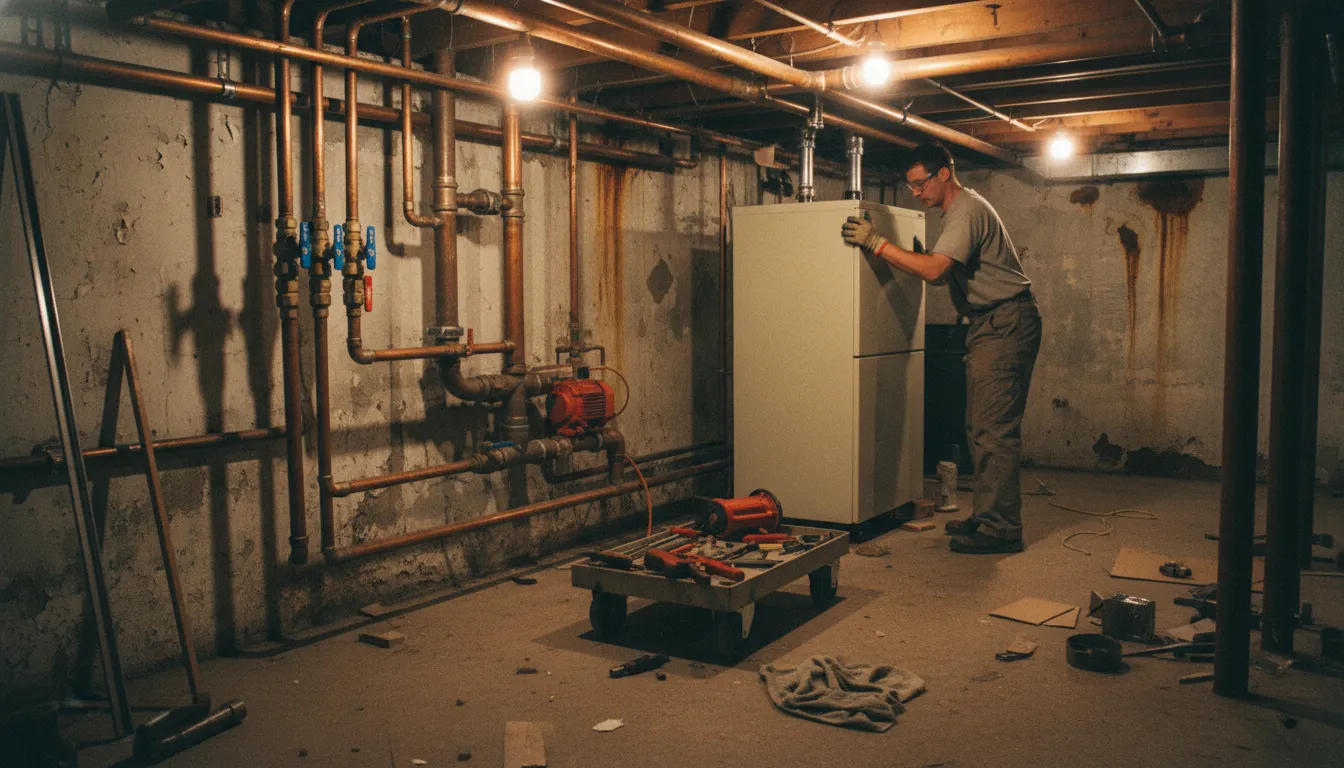
Installing or replacing a boiler is a significant home investment that directly impacts your comfort, energy bills, and safety. A properly installed hydronic heating system provides reliable warmth through radiators or baseboard heaters for decades. For Greenville homeowners, navigating local codes, permit requirements, and choosing the right equipment can be complex. This guide helps you understand the process, costs, and key considerations for a successful boiler project, connecting you with qualified local professionals.
Understanding Your Boiler System Options
Modern boiler systems, or hydronic heaters, are far more efficient and versatile than older models. The core function is to heat water, which is then circulated through pipes to provide space heating. The right type for your Greenville home depends on your existing infrastructure, fuel availability, and heating needs.
Common Fuel Types:
- Gas-Fired (Natural or Propane): The most popular choice due to the widespread availability of natural gas and generally lower fuel costs. Modern condensing gas boilers can achieve efficiency ratings (AFUE) over 90% by extracting extra heat from exhaust gases.
- Oil-Fired: Often found in older homes without gas service. These systems require an on-site storage tank and typically have higher maintenance needs and lower baseline efficiency compared to new gas condensing models, though modern oil boilers are still effective. 1
- Electric: An excellent option for smaller homes, additions, or all-electric properties. They have near 100% efficiency at the point of use but can lead to higher operating costs depending on local electricity rates. Installation is often simpler as no fuel line or venting is required. 2 3
System Configurations:
- Standard Boiler: Heats water for your radiators, baseboards, or radiant floor loops. A separate water heater provides domestic hot water.
- Combi (Combination) Boiler: An increasingly popular all-in-one unit that provides both space heating and on-demand domestic hot water. This eliminates the need for a separate water heater tank, saving space and improving efficiency for smaller households.
- System Type: Your home will use either a hot water (hydronic) system or a steam system. It's crucial to match the new boiler to the existing system type, as components and controls differ significantly.
Navigating Greenville and North Carolina Regulations
A legal and safe boiler installation in Greenville is governed by a series of mandatory codes and inspections. Skipping these steps can result in fines, an unsafe system, and problems when selling your home.
Permits Are Required: Before any work begins, your licensed contractor must pull the necessary permits from the local Greenville/Pitt County building department. This typically includes separate mechanical, plumbing, and electrical permits.
Adherence to State Code: The installation must comply with the North Carolina State Building Code, including the Residential Code (IRC) and Mechanical Code (IMC). Key standards include ASME CSD-1 for controls and safety devices, and specific UL standards for oil (UL 726) and electric (UL 834) boilers. The installation must also strictly follow the manufacturer's instructions. 4
Mandatory Safety Devices: Code requires specific safety features to be installed, including pressure and temperature gauges, low-water cut-offs (for steam boilers), automatic feed valves, and correctly sized pressure relief valves. The relief valve discharge pipe must be directed to a safe location with an air break. 5 6
The Critical Final Inspection: After the local city or county inspections pass the mechanical, plumbing, and electrical work, a final state inspection is required. A special inspector from the North Carolina Department of Labor (NCDOL) Boiler Safety Bureau must inspect the installation before the boiler is operated. They will issue an operating permit, which must be renewed periodically. This state-level inspection is non-negotiable for legal operation.
Find the perfect boiler installation & replacement contractors for your needs
Get personalized recommendations and expert advice
Cost Factors for Boiler Installation in Greenville
The total investment for a new boiler system varies widely. Understanding what drives the cost helps in budgeting and evaluating quotes.
Primary Cost Drivers:
- Boiler Type and Efficiency: A standard mid-efficiency gas boiler replacement starts at a lower price point, while a high-efficiency condensing model, with its specialized venting and condensate drain, commands a higher upfront cost but offers long-term fuel savings.
- Fuel Source Conversion: Switching from an oil-fired system to natural gas involves running a new gas line, removing the old oil tank (which may require environmental remediation), and modifying the burner and controls. This conversion can add $2,000 or more to the project cost. 7
- System Complexity and Labor: The labor cost, often ranging from $100 to $250 per hour, is influenced by the difficulty of the install. Factors include the boiler's physical location (e.g., tight basement vs. spacious utility room), the need to retrofit new piping, integrating with existing radiators, and installing new zoning controls or thermostats. 8
- Incidental Costs: Remember to factor in the cost of permits (typically $50-$200) and any necessary upgrades to your home's gas line, electrical service, or chimney lining that the new system may require. 9
Example Cost Ranges: It's important to view these national averages as a starting point; your specific quote will depend on the factors above.
- Standard Gas or Oil Boiler Replacement: $3,500 - $8,000+
- High-Efficiency Condensing Boiler Installation: $6,000 - $10,000+
- Combi Boiler Installation: $5,500 - $9,000+
The Step-by-Step Process for Homeowners
- Assessment and Quotes: Contact several licensed HVAC contractors who are familiar with Pitt County and North Carolina state codes. They should perform a heat load calculation (Manual J) to properly size the boiler and provide a detailed written quote covering equipment, labor, permits, and cleanup.
- Permitting: Your chosen contractor will submit plans and pull all required local permits before scheduling the work.
- Installation Day: The old boiler is safely disconnected and removed. The new unit is installed, along with all new controls, safety devices, and any necessary piping modifications, strictly according to code and manufacturer specs.
- Local Inspections: After installation, the contractor will schedule the required municipal inspections for mechanical, plumbing, and electrical work.
- NCDOL State Inspection: Once local inspections pass, your contractor will arrange the final, mandatory inspection with the NC Department of Labor. Only after this state inspector grants approval can your new boiler be safely started up for regular use. 10
Choosing the Right Equipment and Professional
Selecting a boiler isn't just about the lowest price. Consider the Annual Fuel Utilization Efficiency (AFUE) rating-a higher percentage means more heat from your fuel. Look for features like modulating burners that adjust heat output for greater comfort and efficiency. For homes in flood hazard areas, special installation requirements apply to electrical components and the boiler itself. 11 12
Most importantly, your installer's expertise is paramount. Ensure they hold a valid North Carolina HVAC license, carry proper insurance, and have a track record of passing NCDOL inspections. They should be able to clearly explain the code requirements, the reasons behind their equipment recommendation, and provide references from past boiler installation clients in the Greenville area.
Frequently asked questions
Sources
Footnotes
-
How much does a new boiler cost to install or replace? - HomeGuide - https://homeguide.com/costs/boiler-replacement-cost ↩
-
How Much Does Boiler Installation and Replacement Cost ... - https://www.angi.com/articles/how-much-does-boiler-installation-cost.htm ↩
-
How Much Does Boiler Replacement Cost in 2026? Price by Type - https://modernize.com/hvac/heating-repair-installation/boiler ↩
-
Chapter 20 Boilers and Water Heaters: North Carolina Residential ... - https://up.codes/viewer/north_carolina/irc-2015/chapter/20/boilers-and-water-heaters ↩
-
CHAPTER 10 BOILERS WATER HEATERS AND PRESSURE ... - https://codes.iccsafe.org/content/NCMC2024V1.0/chapter-10-boilers-water-heaters-and-pressure-vessels ↩
-
Chapter 10 Boilers, Water Heaters and Pressure Vessels - UpCodes - https://up.codes/viewer/north_carolina/imc-2021/chapter/10/boilers-water-heaters-and-pressure-vessels ↩
-
Boiler Replacement Costs: Smart Budgeting and Planning ... - https://www.tcmemt.com/post/the-cost-of-boiler-replacement-expert-guide-to-smart-budgeting-and-installation-planning ↩
-
Boiler Replacement Cost and Price - Carrier - https://www.carrier.com/residential/en/us/products/boilers/cost-buying-boiler-replacement/ ↩
-
What Does Boiler Replacement Cost? [2025 Data] - HomeAdvisor - https://www.homeadvisor.com/cost/heating-and-cooling/install-a-boiler/ ↩
-
North Carolina Boiler Laws: Rules, Regulations, & Inspection - https://www.wcrouse.com/blog/north-carolina-boiler-laws-rules-regulations-inspection/ ↩
-
2024 North Carolina State Building Code: Residential Code - G2452 ... - https://codes.iccsafe.org/s/NCRC2024V1.0/chapter-24-fuel-gas/NCRC2024V1.0-Pt06-Ch24-SecG2452.2 ↩
-
2024 North Carolina State Building Code: Residential Code - https://codes.iccsafe.org/s/NCRC2024V1.0/preface/NCRC2024V1.0-PREFACE-Chapter20BoilersAndWaterHeaters ↩