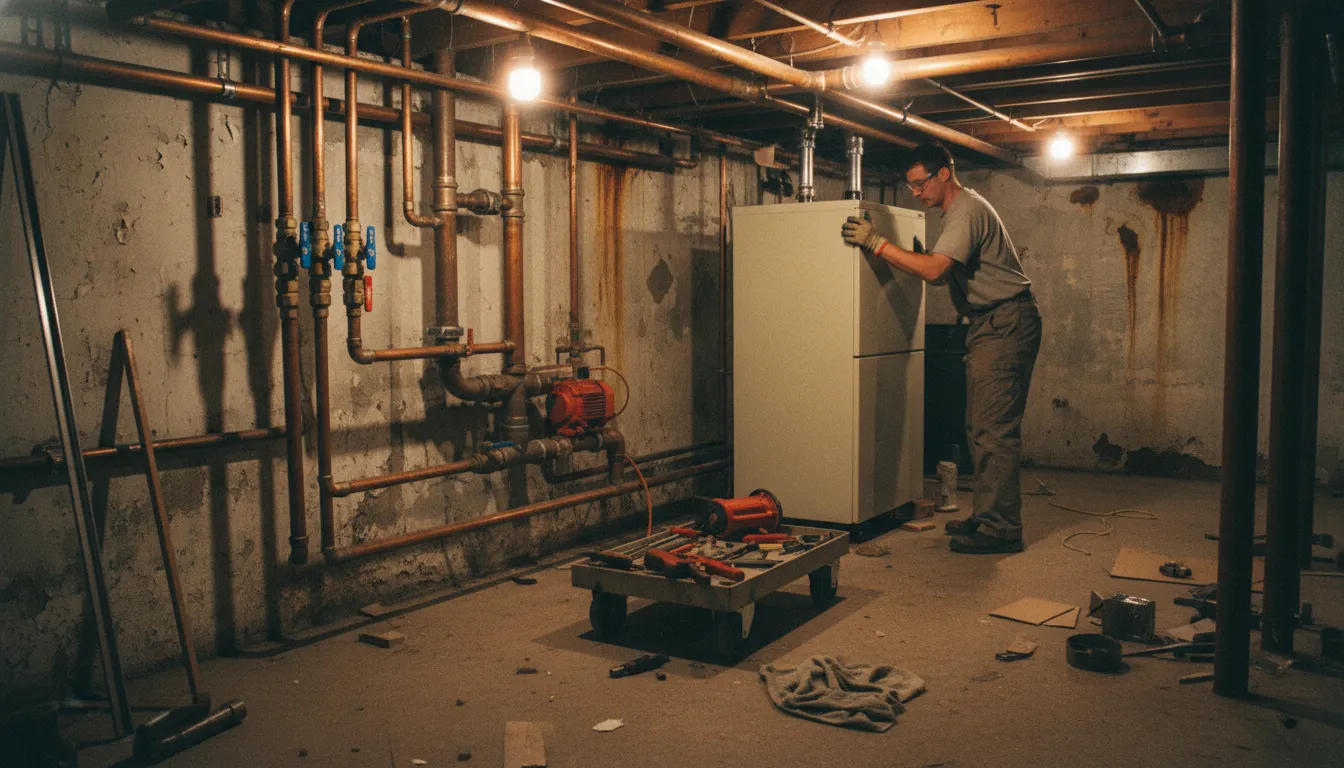
Find the Best Boiler Installation & Replacement Contractors for Your Business
No obligation • Fast responses • Nationwide coverage

Why you can trust HVAC Firms
HVAC Firms is a leading United States resource for evaluating HVAC service providers. Our team researches companies, checks credentials, and reviews customer feedback to present clear, unbiased information. Listings and rankings are based on merit, and companies cannot pay to change our editorial content.
Search providers near you
Top Boiler Installation & Replacement Contractors in Gastonia, North Carolina Ranked
Installing or replacing a boiler is a significant home improvement decision that directly impacts your comfort, energy bills, and safety. A properly installed hydronic heating system provides reliable warmth during Gastonia's cooler months and can be a major upgrade in efficiency over an older unit. This guide is designed to help you understand the process, local requirements, and key considerations for a successful boiler installation or replacement project in Gastonia.
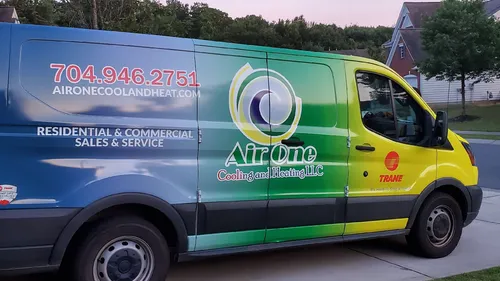
Air One Cooling & Heating, LLC
16507-A Northcross Dr #107, Huntersville, NC 28078
Air One Cooling & Heating, LLC is an HVAC company based in Charlotte, NC, providing residential and commercial heating and air conditioning services. They offer installation, replacement, maintenance, and repair for systems including air conditioners, heat pumps, furnaces, boilers, geothermal systems, and ductless mini splits. As a certified Preferred Partner of Piedmont Natural Gas and a Trane dealer, they provide expertise in indoor air quality products and emergency service available 24/7. The company is known for customized solutions and extended service agreements to maintain system efficiency.
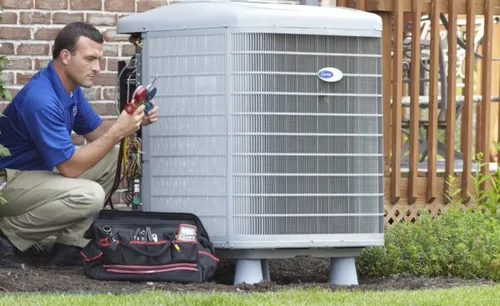
Precision Climate
45 Shadowbrook Rd, Mt Holly, NC 28120
Precision Climate is an HVAC company serving Charlotte, NC, specializing in repair and installation of air conditioning, furnaces, heat pumps, boilers, mini splits, and geothermal heat pumps. With over 25 years of experience, they provide comprehensive HVAC tune-up services to maintain system efficiency and comfort.

Quality Air Indoor Specialists, Inc.
Charlotte, NC
Quality Air Indoor Specialists, Inc. is an HVAC company based in Charlotte, NC, focusing on both heating and cooling services as well as improving indoor air quality. They provide installation and repair services for air conditioners, furnaces, heat pumps, and boilers, with an emphasis on systems that also clean the air to support health. Their team serves Charlotte and the surrounding Lake Norman area, including Huntersville, Mooresville, Cornelius, Concord, and Davidson. The company is known for assessing air quality issues and offering solutions tailored to reduce health problems related to poor indoor air. Quality Air Indoor Specialists, Inc. is committed to community connections and supporting local areas through sponsorships and partnerships.
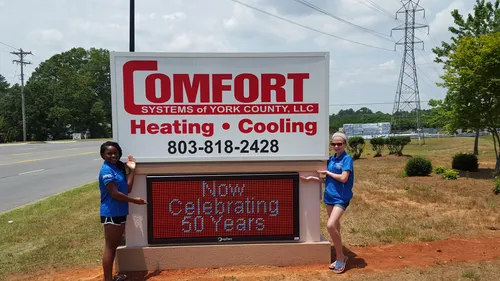
Comfort Systems of York County
5010 Old York Rd, Rock Hill, SC 29732
Comfort Systems of York County is a locally owned HVAC company serving Charlotte, NC, and the surrounding areas. They provide a range of services including air conditioning, furnace, heat pump, and boiler repair and installation, as well as HVAC tune-ups. With over 60 years of experience, the company has built a reputation for honest small-town service and has served more than 15,000 customers. Comfort Systems of York County also offers 24/7 emergency service for urgent HVAC needs.

All-Weather Heating & Air Conditioning
Charlotte, NC
All-Weather Heating & Air Conditioning is an HVAC contractor serving Charlotte, NC, and nearby communities including Clover. They offer installation, repair, and maintenance services for air conditioners, heat pumps, furnaces, boilers, geothermal systems, and ductless split systems. As a licensed Trane dealer, they provide a range of indoor comfort equipment and specialize in indoor air quality solutions such as air cleaners and ultraviolet lights. The company also offers emergency service and service agreements to maintain system performance throughout the year.
Understanding Your Boiler Options
Before contacting professionals, it's helpful to understand the types of heating systems available. A boiler heats water, which is then circulated through pipes to radiators, baseboard heaters, or radiant floor tubing to warm your home. This is distinct from a furnace, which heats air.
- Conventional Boilers: These standard units heat water using gas, oil, or electricity and are the backbone of many existing hydronic systems in Gastonia homes. They are reliable but typically have lower Annual Fuel Utilization Efficiency (AFUE) ratings than modern counterparts.
- High-Efficiency Condensing Boilers: This is the modern standard for new installations. These units achieve AFUE ratings of 90% or higher by extracting additional heat from the exhaust gases, which then condense. This process makes them significantly more energy-efficient, though they often have a higher upfront cost 1 2.
- System Types: Most residential systems are closed-loop, meaning the same water is heated and recirculated. A popular option is the combination (combi) boiler, which provides both space heating and on-demand domestic hot water from a single, compact unit, saving space and potentially energy.
Navigating Gastonia and North Carolina Regulations
A boiler installation is not a simple swap. It is a regulated process to ensure public safety. Compliance with local and state codes is non-negotiable and a key reason to hire a qualified professional.
Required Permits: In Gastonia, a boiler installation will typically require permits from the city's Building Services Department. These often include Mechanical, Plumbing, and Electrical permits, depending on the scope of work. Your contractor should pull these permits, which involve a fee and plan review.
Critical Inspections: The work doesn't end when the boiler is physically installed. It must pass inspections before it can be legally operated.
- City Inspections: A city inspector will check that the installation complies with the North Carolina State Building Code, including the International Mechanical Code (IMC) and International Plumbing Code (IPC) for aspects like proper venting, fuel gas lines, pressure relief valves, and clearances 3.
- State Inspection: Crucially, all boilers in North Carolina must also be inspected by the North Carolina Department of Labor (NCDOL) Boiler Safety Bureau before being placed into service. Your installer must provide the NCDOL with specific information, and an inspection fee is required. Only after passing this state inspection can your boiler be fired up.
Safety and Housing Codes: Installations must adhere to strict safety standards, including the use of ASME-rated pressure relief valves and proper venting to prevent carbon monoxide hazards 4 5. Furthermore, the installation location itself must meet minimum housing standards, such as having adequate access, a watertight floor, and proper wall construction.
Cost Considerations for Boiler Replacement
The total investment for a new boiler in Gastonia varies based on equipment, labor, and ancillary work. Here's a general breakdown of what to expect:
- Standard Boiler Installation: Replacing a like-for-like gas or oil-fired unit typically ranges from approximately $3,500 to $6,000, including the equipment and professional installation.
- High-Efficiency/Condensing Boiler Installation: Upgrading to a high-efficiency model involves more advanced equipment and sometimes different venting requirements, with costs generally ranging from $6,000 to $8,500 or more.
- Fuel Conversion: Switching from an old oil-fired boiler to a new natural gas system adds significant cost. You must account for running a new gas line, removing the old oil tank (which requires special environmental handling), and potentially modifying the venting system. This conversion can add $2,000 or more to the total project cost.
- Additional Project Costs: Remember to factor in permit fees (typically $50-$200), the cost for professional removal and disposal of the old boiler (approximately $500-$1,000), and any necessary upgrades to your home's plumbing or electrical systems discovered during the installation 6 7.
Find the perfect boiler installation & replacement contractors for your needs
Get personalized recommendations and expert advice
How to Choose the Right Professional
The complexity of codes and the critical importance of safety make choosing the right contractor the most important step.
- Seek Qualified, Local HVAC Specialists: Look for licensed, insured contractors who specialize in boiler and hydronic heating systems. A local Gastonia professional will be familiar with the specific inspectors, permit processes, and common housing stock issues in the area.
- Get Multiple Detailed Quotes: Obtain at least three written estimates. These should itemize the cost of the boiler model (make and model specified), labor, materials, permit fees, and old unit removal. This allows for an apples-to-apples comparison 8.
- Verify Credentials and References: Ensure the contractor holds the necessary state and local licenses. Ask for references from recent boiler installation projects and follow up on them. Check their standing with the Better Business Bureau.
- Discuss System Design and Efficiency: A good contractor will ask detailed questions about your home's size, insulation, and your hot water needs to properly size the new unit. They should explain the efficiency benefits and potential utility savings of different models to help you make an informed decision.
- Prepare Your Home for the Process: Ensure the installer has clear access to the boiler location and the electrical panel. Discuss the project timeline, including when inspections are scheduled, so you know what to expect. Verify that the installation area meets basic code requirements for access and structure before work begins 9.
The Installation and Inspection Process
Knowing what happens during the installation can help the project go smoothly. After selecting a contractor and securing permits, the process generally follows these steps:
- Removal of Old Equipment: The existing boiler and any related components, like an old oil tank, are safely disconnected and removed from the premises.
- Preparation and Installation: The area is prepped, which may involve updating gas lines, electrical connections, or plumbing. The new boiler is set in place, connected to the fuel source, electrical supply, and hydronic piping system, and the venting is installed per code.
- Initial System Check: The contractor will fill the system, purge air from the lines, and perform an initial check for leaks and proper operation.
- City Inspection: The contractor will schedule the required city mechanical/plumbing inspections. The inspector verifies code compliance.
- NCDOL State Inspection: The contractor must provide the boiler information to the NCDOL and schedule the mandatory state inspection. The boiler must not be used for heating until this inspection is passed 10.
- Final Commissioning: After passing all inspections, the contractor will do a final commissioning, setting controls, explaining the system to you, and providing all manuals and warranty information.
Frequently asked questions
Sources
Footnotes
-
2024 North Carolina State Building Code: Residential Code - https://codes.iccsafe.org/s/NCRC2024V1.0/preface/NCRC2024V1.0-PREFACE-Chapter20BoilersAndWaterHeaters ↩
-
Boiler-Book-2024.pdf - https://nclicensing.org/wp-content/uploads/2024/01/Boiler-Book-2024.pdf ↩
-
2024 North Carolina State Building Code: Residential Code - G2452 ... - https://codes.iccsafe.org/s/NCRC2024V1.0/chapter-24-fuel-gas/NCRC2024V1.0-Pt06-Ch24-SecG2452.2 ↩
-
Chapter 10 Boilers, Water Heaters and Pressure Vessels - https://up.codes/viewer/north_carolina/imc-2021/chapter/10/boilers-water-heaters-and-pressure-vessels ↩
-
Chapter 10 Boilers, Water Heaters and Pressure Vessels: North ... - https://up.codes/viewer/north_carolina/imc-2015/chapter/10/boilers-water-heaters-and-pressure-vessels ↩
-
Boiler Replacement Costs: Smart Budgeting and Planning ... - https://www.tcmemt.com/post/the-cost-of-boiler-replacement-expert-guide-to-smart-budgeting-and-installation-planning ↩
-
How Much Does It Cost to Replace a Boiler? - United State Solutions - https://unitedstatesolutions.com/how-much-does-it-cost-to-replace-a-boiler/ ↩
-
Comprehensive Boiler Installation Guide - PlumbersStock - https://www.plumbersstock.com/how-to-hvac/boilers/comprehensive-installation-guide.html ↩
-
Minimum Standards & Regulations for Existing Houses - https://www.gastonianc.gov/images/files/building_services/documents/MinimumHousingRegulations-20141124.pdf ↩
-
North Carolina Boiler Laws: Rules, Regulations, & Inspection - https://www.wcrouse.com/blog/north-carolina-boiler-laws-rules-regulations-inspection/ ↩