Find the Best Boiler Installation & Replacement Contractors for Your Business
No obligation • Fast responses • Nationwide coverage

Why you can trust HVAC Firms
HVAC Firms is a leading United States resource for evaluating HVAC service providers. Our team researches companies, checks credentials, and reviews customer feedback to present clear, unbiased information. Listings and rankings are based on merit, and companies cannot pay to change our editorial content.
Search providers near you
Top Boiler Installation & Replacement Contractors in Indianapolis, Indiana Ranked
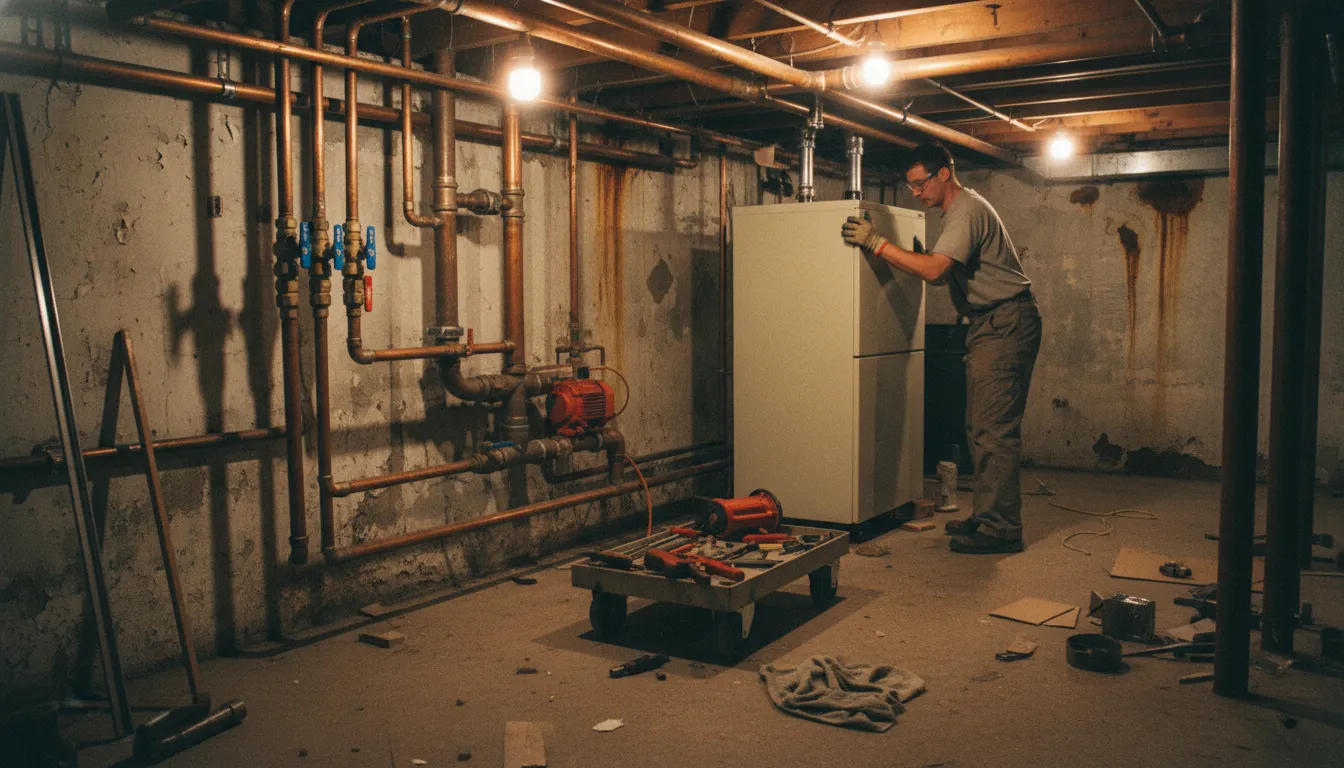
A new boiler is a significant investment in your home's comfort, efficiency, and safety. Whether you're upgrading an aging system, converting from a different heat source, or building a new home, understanding your options for boiler installation and replacement is crucial. This guide is designed to help Indianapolis homeowners navigate the process, from selecting the right type of hydronic heating system to finding qualified local professionals for the job.
King of Comfort Heating & Cooling
7009 E 56th St, Indianapolis, IN 46226
King of Comfort Heating & Cooling is an HVAC company based in Indianapolis, IN, offering a wide range of heating and cooling services. Their team provides installation, repair, and maintenance for air conditioners, furnaces, heat pumps, boilers, mini splits, geothermal heat pumps, and thermostats. They emphasize comprehensive service and staying current with industry developments to meet diverse HVAC needs. The company also offers 24/7 emergency repair services to ensure reliable heating and cooling during extreme weather conditions. Their technicians handle everything from routine tune-ups to complex repairs, including cracked heat exchangers and faulty thermostats.
Bowers Heating and Cooling
Indianapolis, IN
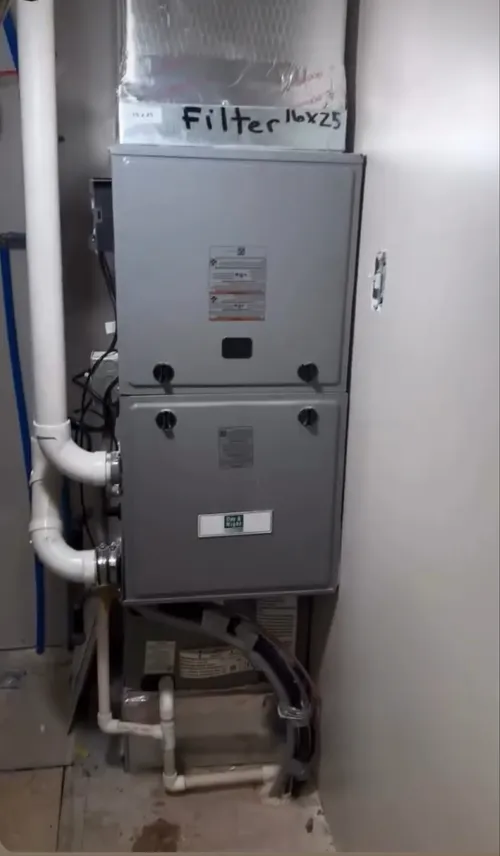
Bowers Heating and Cooling provides HVAC installation, repair, and tune-up services in Indianapolis, IN. They handle air conditioning, furnace, heat pump, and boiler systems with tailored solutions based on thorough consultations. The company serves several surrounding areas including Westfield, Carmel, Fishers, Noblesville, and Zionsville. Their process emphasizes transparency and consistent updates throughout each project.
Just-Rite Heating & Air LLC / Real Comfort Solutions
Indianapolis, IN
Just-Rite Heating & Air LLC / Real Comfort Solutions is an HVAC company based in Indianapolis, IN, offering a full range of heating, cooling, and indoor air quality services. They provide installation, repair, and maintenance for air conditioners, furnaces, heat pumps, boilers, and water heaters. The company serves Central Indiana, including Greenwood and surrounding counties. Their technicians are certified and insured, and they offer 24/7 emergency service to address heating and cooling issues at any time. Real Comfort Solutions emphasizes quality workmanship and customer care, supporting local communities and prioritizing safety and reliability.

Summers Plumbing Heating & Cooling
1693 E Northfield Dr, Brownsburg, IN 46112
Summers Plumbing Heating & Cooling is a licensed and insured heating service provider based near Indianapolis, IN. They specialize in furnace, heat pump, and boiler repair and installation, serving the Brownsburg area with tailored heating solutions. The company uses top-quality products and offers various warranties to ensure reliable system performance. With years of experience, Summers Plumbing Heating & Cooling also provides emergency 24-hour services to address urgent heating needs promptly.
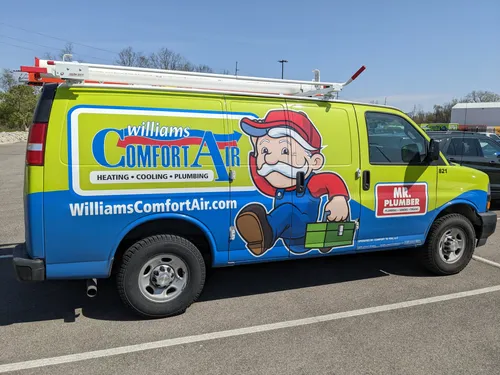
Williams Comfort Air - Heating Cooling Plumbing Electrical
310 West Main Street Suite 202, Greenwood, IN 46142
Williams Comfort Air - Heating Cooling Plumbing Electrical is a full-service HVAC and plumbing company serving Indianapolis, IN. They offer a wide range of services including air conditioning, furnace, heat pump, boiler, and geothermal HVAC repair and installation, as well as duct cleaning and indoor air quality solutions. The company is a Carrier Factory Authorized Dealer and employs NATE-certified technicians who provide comprehensive diagnostics and repairs. Established in 1966, Williams Comfort Air has decades of experience and provides 24/7 emergency HVAC service to ensure customers are never left without heating or cooling when they need it most.
Understanding Your Boiler Options
Modern boilers are far more efficient and versatile than their predecessors. When planning a boiler installation in Indianapolis, you'll typically choose between three primary types of systems, each suited to different needs and home layouts.
Standard Boilers are the traditional workhorses of hydronic heating. They are often less expensive upfront and are well-suited for homes with existing radiator or baseboard systems. These units heat water that is then circulated through pipes to provide warmth.
Combi (Combination) Boilers are an increasingly popular choice, especially in homes with limited space. These innovative units heat water for both your home's heating system (radiators/baseboards) and your domestic hot water taps from a single, compact appliance. They provide fast heating and eliminate the need for a separate water heater tank 1.
High-Efficiency Boilers are designed to maximize fuel use and minimize energy bills. These models boast AFUE (Annual Fuel Utilization Efficiency) ratings of 90% or higher, meaning they convert nearly all the fuel they consume into usable heat for your home. While they have a higher initial cost, the long-term savings on utility bills can be substantial 2 3.
The Hydronic Heating Advantage
Boilers are the heart of a hydronic heating system, which uses hot water circulated through a network of pipes. This method of home heating offers several distinct benefits that are particularly appreciated during Indianapolis's cold winters.
- Consistent, Comfortable Heat: Unlike forced-air systems that can create drafts and temperature swings, hydronic systems provide a steady, radiant warmth. Heat radiates evenly from baseboards, radiators, or in-floor tubing, eliminating cold spots.
- Quiet Operation: With no loud blower fans kicking on and off, boiler systems operate almost silently.
- Improved Air Quality: Since hydronic systems don't blow air, they don't circulate dust, allergens, or dry out the air in your home.
- Zoning Potential: Hydronic systems can be easily divided into zones, allowing you to control the temperature in different areas of your house independently, which can lead to further energy savings.
Critical Steps in the Installation Process
A successful boiler replacement or new installation hinges on proper planning and execution by skilled technicians. It's not just about swapping an old unit for a new one.
1. Professional Sizing and Assessment: The most critical first step is ensuring your new boiler is correctly sized for your Indianapolis home. An oversized boiler will short-cycle (turn on and off frequently), reducing efficiency and lifespan. An undersized unit will struggle to keep your home warm. Technicians calculate the required BTU output based on your home's square footage, insulation, window quality, and other factors, using guidelines such as approximately 35 BTUs per square foot as a starting point 4. They will also assess your existing piping, fuel line, and venting to plan the installation.
2. Adherence to Codes and Permits: All boiler installations and replacements in Indianapolis require a permit from your local city or county building department. This is not mere bureaucracy; it's a vital safety check. The installation must comply with the Indiana Residential Code (IRC), which governs everything from how the boiler is mounted and connected to mandatory safety controls. The code mandates that installations strictly follow the manufacturer's instructions and that a permanently affixed rating plate remains on the unit. A final inspection ensures the work is safe and compliant, protecting your home and family.
3. Safety First: Professional technicians prioritize safety throughout the installation. This includes verifying adequate combustion air for the boiler, especially for solid or liquid fuel models, as required by code 5. They will perform thorough checks for gas leaks (on gas/propane units) and confirm that working carbon monoxide (CO) alarms are installed in appropriate locations near sleeping areas. Proper venting of combustion gases is non-negotiable for safety.
Find the perfect boiler installation & replacement contractors for your needs
Get personalized recommendations and expert advice
Understanding the Costs of Boiler Installation
The total cost for a boiler installation or replacement in Indianapolis can vary widely based on the system type, your home's specifics, and labor complexity. Having a clear budget expectation helps in planning this important home improvement.
Overall Cost Range: For a full residential boiler replacement, homeowners can expect a total cost ranging from $4,000 to over $10,000. This wide range accounts for the different system types and home requirements.
Breakdown of Costs:
- Boiler Unit Itself: The equipment cost is a major component. A standard boiler unit can range from $1,500 to $4,500, while a high-efficiency gas boiler typically costs between $4,000 and $9,000 for the unit and installation combined 6 7.
- Labor: Professional labor for a standard replacement typically ranges from $1,000 to $2,500, reflecting 6 to 10 hours of work at prevailing rates 8 9 10. This covers the removal of the old unit, installation, testing, and setup of the new system.
- Additional Factors: Several variables can increase the project cost. These include relocating the boiler to a new area of the home, updating or extending complex pipework (especially for zone additions), dealing with difficult physical access, and installing a high-BTU unit for a very large home.
Fuel Types and Your Home
The fuel your boiler uses significantly impacts operating costs, availability, and installation details. Indianapolis homes commonly use the following:
- Natural Gas: The most common and often most cost-effective fuel for boilers in areas with gas service. High-efficiency gas condensing boilers are a popular choice.
- Propane: A common alternative in areas without natural gas lines. It requires an on-site storage tank.
- Heating Oil: Used in some older homes. Oil-fired boilers are powerful but require tank storage and regular fuel deliveries.
- Electric: Electric boilers are 100% efficient at point-of-use and are simpler to vent, but electricity costs in Indiana can make them more expensive to operate than gas models for primary heating.
Finding the Right Professional and Maintaining Your System
Getting Quotes: It is highly recommended to obtain detailed quotes from several licensed, insured, and experienced HVAC contractors in the Indianapolis area, such as Thiele or Choice Mechanical 11. A reputable professional will perform a thorough home assessment, discuss your options (standard, combi, or high-efficiency), provide a clear, written estimate, and explain the permit process.
Ongoing Maintenance: To protect your investment and ensure safe, efficient operation for years to come, annual maintenance is essential. A yearly service check should include cleaning the heat exchanger, inspecting the flame sensor and burners, checking all safety controls, and verifying system pressure and operation. Regular maintenance can prevent costly breakdowns and sustain peak efficiency 12 13.
Frequently asked questions
Sources
Footnotes
-
How Much Does Residential Boiler Installation Cost? - Aero Energy - https://www.aeroenergy.com/how-much-does-residential-boiler-installation-cost/ ↩
-
Boiler Repair in Indianapolis - Bolls Heating & Cooling - https://www.bollscomfort.com/hvac-services/boiler-services/ ↩
-
How Much Does it Cost to Replace a Boiler? - Runwise - https://www.runwise.com/learn/how-much-does-it-cost-to-replace-a-boiler ↩
-
What Size Boiler Do I Need for My House? A Complete Guide - https://greenenergymech.com/blog/what-size-boiler-need-for-house/ ↩
-
Chapter 20 Boilers and Water Heaters: Indiana Residential ... - https://up.codes/viewer/indiana/irc-2018/chapter/20/boilers-and-water-heaters ↩
-
How Much Does Boiler Replacement Cost in Indianapolis, IN? - https://www.angi.com/articles/how-much-does-boiler-installation-cost/in/indianapolis ↩
-
Boiler Replacement Cost and Price - Carrier - https://www.carrier.com/residential/en/us/products/boilers/cost-buying-boiler-replacement/ ↩
-
Guide to Installing a New Boiler System - Aspen Creek HVAC - https://www.aspencreekhc.com/guide-to-installing-a-new-boiler-system/ ↩
-
Boiler Replacement Costs: Smart Budgeting and Planning Guide - https://www.tcmemt.com/post/the-cost-of-boiler-replacement-expert-guide-to-smart-budgeting-and-installation-planning ↩
-
How Much Does Boiler Installation and Replacement Cost? [2026 ... - https://www.angi.com/articles/how-much-does-boiler-installation-cost.htm ↩
-
Boiler Installation & Repair in Indianapolis, IN | Thiele - https://callthiele.com/indianapolis-boiler-repair-installation/ ↩
-
Comprehensive Boiler Installation Guide - PlumbersStock - https://www.plumbersstock.com/how-to-hvac/boilers/comprehensive-installation-guide.html ↩
-
Hydrotherm Boiler Repair and Installation in Indianapolis | CMS - https://choicemechanical.net/boilers/hydrotherm/ ↩