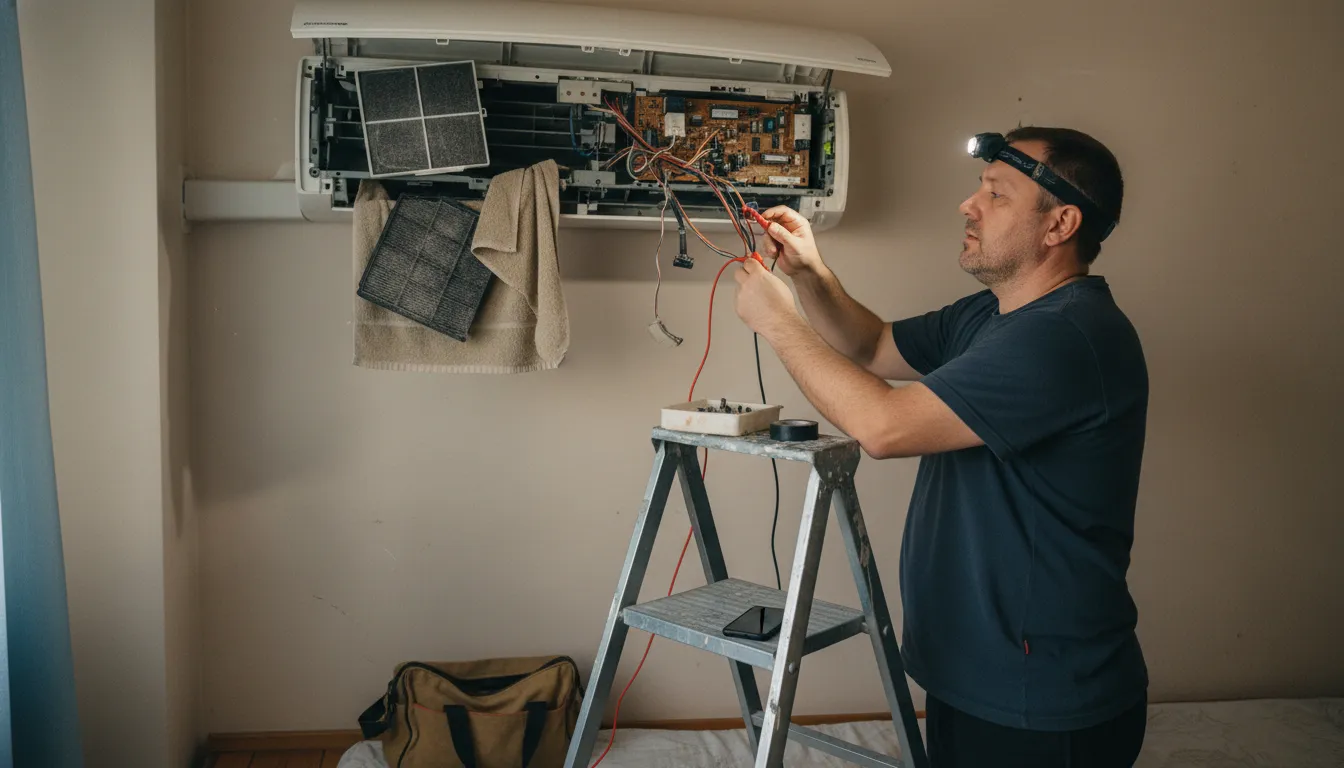
Find the Best AC Repair Contractors for Your Business
No obligation • Fast responses • Nationwide coverage

Why you can trust HVAC Firms
HVAC Firms is a leading United States resource for evaluating HVAC service providers. Our team researches companies, checks credentials, and reviews customer feedback to present clear, unbiased information. Listings and rankings are based on merit, and companies cannot pay to change our editorial content.
Search providers near you
Top AC Repair Contractors in Cincinnati, Ohio Ranked
When Cincinnati's summer humidity arrives, a reliable air conditioning system isn't just a luxury-it's essential for comfort and health. Air conditioning repair services address the sudden failures and gradual declines in performance that can leave your home sweltering. This guide helps you understand common cooling problems, what to expect from a service visit, and how to find qualified local technicians to get your system running efficiently again.
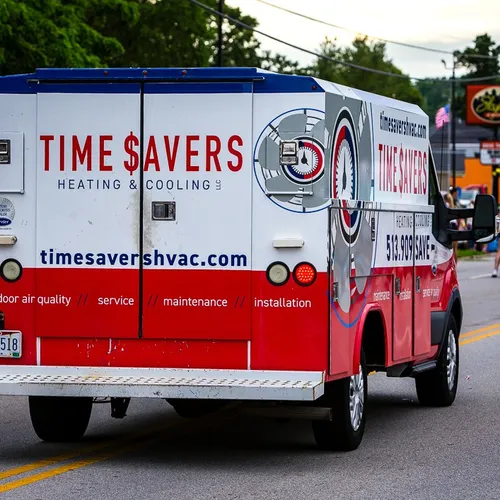
Time Savers Heating & Cooling LLC
420 Wards Corner Rd # B, Loveland, OH 45140
Time Savers Heating & Cooling LLC is a locally owned HVAC company serving Cincinnati, OH, and nearby communities. With over 32 years of experience, they provide residential and commercial heating and air conditioning services including repair, installation, and tune-ups. The company is known for ethical practices and thorough inspections, offering services such as gas furnace repair and HVAC system diagnostics. They serve multiple areas around Cincinnati, including Blue Ash, Indian Hill, and Loveland.
Watson Heating and Cooling
3788 Dead Timber Rd, California, KY 41007
Watson Heating and Cooling is a small business serving Cincinnati, OH, specializing in heating, cooling, and indoor air quality services. They provide installation, maintenance, and repair for air conditioners, furnaces, heat pumps, and HVAC systems. Their offerings also include duct cleaning, whole home air purifiers, odor control, and humidifier installation. The company emphasizes preventative maintenance plans to help customers maintain comfort throughout the year. Watson Heating and Cooling is known for its trained and licensed technicians who focus on personalized service for local residents.
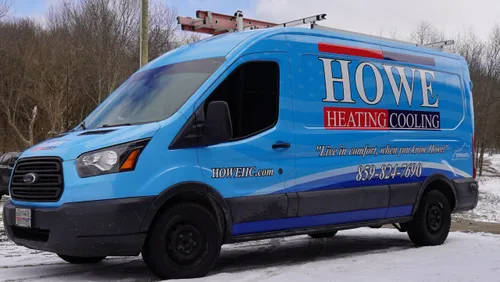
Howe Heating & Cooling
8397 US-42, Florence, KY 41042
Howe Heating & Cooling provides heating, air conditioning, and indoor air quality services in Cincinnati, OH. They offer repair and installation for HVAC systems, including furnaces and air conditioners, with a focus on maintaining comfortable home environments. The company serves Northern Kentucky communities and is staffed by trained and licensed technicians who emphasize precision and professionalism. Howe Heating & Cooling is experienced in delivering quality HVAC solutions and offers advanced indoor air quality services to improve home air freshness.
High Performance Heating and Air
Cincinnati, OH
High Performance Heating and Air is an HVAC company based in Cincinnati, OH, offering a wide range of heating and cooling services. Their expertise includes air conditioning repair and installation, furnace and heat pump repair and replacement, ductless and mini split system installation, as well as indoor air quality services such as duct cleaning, air purifiers, and dehumidifiers. They also provide commercial HVAC services and sheet metal forming. The company emphasizes regular maintenance and tune-ups to improve system efficiency and indoor air quality.
Apollo Home
4538 Camberwell Rd, Cincinnati, OH 45209
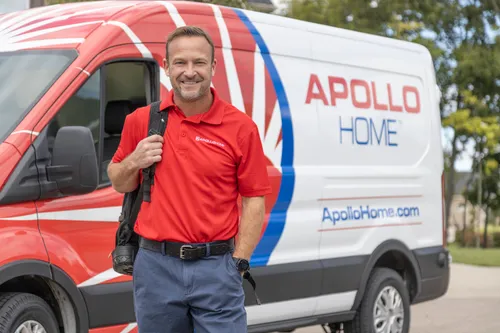
Apollo Home is a Cincinnati, OH-based company offering a wide range of home services including HVAC installation and repair, duct cleaning, indoor air quality solutions, plumbing, and electrical work. They serve many neighborhoods around Cincinnati and specialize in maintaining and repairing heating and cooling systems, such as furnaces, heat pumps, air conditioners, and mini-split systems. Apollo Home also provides drain cleaning, sewer repair, and electrical upgrades to meet modern home demands. With decades of experience working in Cincinnati homes, they understand local challenges like aging systems and seasonal extremes. The company offers 24/7 emergency support to address urgent heating, cooling, and plumbing issues.
Why Cincinnati Summers Demand Reliable Cooling
The climate in Cincinnati, with its hot, humid summers, places significant strain on air conditioning systems. This consistent demand for cooling leads to wear and tear, making timely maintenance and repair critical. A malfunctioning unit during a heatwave isn't just uncomfortable; it can pose health risks, especially for vulnerable individuals. Understanding the local climate's impact is the first step in proactive system care.
Most Common Air Conditioning Problems in Cincinnati Homes
Local HVAC professionals report a consistent set of issues driven by seasonal weather patterns. Recognizing these signs early can prevent minor problems from becoming major, costly repairs.
- Refrigerant Leaks: Often caused by corrosion or wear over time, leaks lead to low refrigerant levels and a noticeable drop in cooling power.
- Frozen Evaporator Coils: This is frequently triggered by restricted airflow from a dirty filter or, ironically, by low refrigerant levels, causing ice to build up on the indoor unit 1.
- Failed Capacitors and Contactors: These electrical components are common failure points that can prevent the compressor or fan motor from starting, leaving the system completely unresponsive.
- Clogged Condensate Drains: The high humidity in Cincinnati produces substantial condensation. This moisture can lead to algae growth, clogging the drain line and potentially causing water damage or a system shutoff.
- Dirty Condenser Coils: The outdoor unit's coils can become caked with dirt, pollen, and lawn debris, causing the system to overheat and lose efficiency.
- Short Cycling: When a system turns on and off too frequently, it's often a sign of an oversized unit, a faulty thermostat, or an airflow restriction. This wastes energy and puts extra stress on components 2 3.
What to Expect During a Professional Service Call
When you schedule air conditioner repair, a certified technician will follow a systematic process to diagnose and resolve the issue. A standard service call typically includes:
- Initial System Assessment: The technician will check thermostat settings, ensure power is reaching the unit, and inspect basic components like air filters.
- Performance Evaluation: This involves measuring temperature differentials between the return and supply air and checking system pressures to assess refrigerant levels and overall operation.
- Electrical Inspection: Key components like capacitors, contactors, fan motors, and wiring are tested for proper function and safety 4.
- Leak Detection: If a refrigerant leak is suspected, technicians use tools like electronic leak detectors or UV dye to locate the source 5.
- Repair or Replacement: Once diagnosed, the technician will explain the faulty part-such as a motor, capacitor, or coil-and discuss repair options 6.
Most local companies in Cincinnati offer appointments within 24-48 hours for standard issues, with 24/7 emergency service available for urgent situations like complete system failure during extreme heat 7 8.
Understanding Air Conditioning Repair Costs
The cost for fixing your cooling system in Cincinnati varies based on the problem, the parts required, and the time needed for labor. A diagnostic or service call fee typically ranges from $50 to $200. Here's a breakdown of common repairs:
- AC Capacitor Replacement: $120 - $400
- AC Contactor Repair: $160 - $400
- Refrigerant Leak Repair & Recharge: $200 - $1,500 (highly dependent on leak location and refrigerant type)
- Condenser Fan Motor Replacement: $350 - $750
- Evaporator Coil Replacement: $650 - $1,200 9
- Compressor Replacement: $1,200 - $2,800 10
On average, homeowners in Cincinnati can expect to pay around $334 for an AC repair 11. It's always wise to request a detailed, written estimate before authorizing any major work.
Find the perfect ac repair contractors for your needs
Get personalized recommendations and expert advice
Proactive Maintenance to Avoid Costly Repairs
Regular upkeep is the most effective way to extend the life of your cooling system and avoid unexpected breakdowns. Simple habits can make a big difference.
- Keep Units Clear: Ensure at least 2-3 feet of clear space around your outdoor condenser unit. Remove leaves, grass clippings, and other debris to maintain proper airflow 12 13.
- Change Air Filters Regularly: This is the simplest and most important task. During peak summer months, check and replace disposable filters monthly to prevent frozen coils and system strain 14.
- Schedule Professional Tune-Ups: An annual maintenance check by a qualified technician, often costing between $65 and $80, can identify small issues before they escalate. This service typically includes cleaning coils, checking refrigerant levels, tightening electrical connections, and calibrating the thermostat 15 16 17.
Choosing a Service Provider for Your Cooling Needs
Selecting the right technician is crucial. Look for licensed, insured, and NATE-certified professionals with strong local reputations. Read reviews, ask for references, and ensure they provide clear, upfront pricing. A trustworthy company will offer a thorough diagnosis, explain your options without pressure, and stand behind their work with a warranty.
Frequently asked questions
Sources
Footnotes
-
AC Repair in Cincinnati, OH - $68 HVAC Repair Calls - https://www.myqualitycomfort.com/solution/air-conditioning/ac-repair/ ↩
-
For Cincinnati Homeowners: Top 15 Summer Cooling Problems - https://thomasgalbraith.com/knowledge-center/common-summer-cooling-problems/ ↩
-
Air Conditioning Repair in Cincinnati, Erlanger, and Florence - https://www.arlinghausair.com/air-conditioning/ac-repair/ ↩
-
7 Warning Signs Your Cincinnati Home Needs AC Repair - https://www.geiler.com/blog/signs-your-cincinnati-home-needs-ac-repair-before-summer-hits ↩
-
Cincinnati Air Conditioning Contractors - 24/7 Cooling Services - https://thomasgalbraith.com/cooling/ ↩
-
7 Warning Signs Your Cincinnati Home Needs AC Repair - https://www.geiler.com/blog/signs-your-cincinnati-home-needs-ac-repair-before-summer-hits ↩
-
AC Repair Services in Cincinnati, OH - JonLe Heating & Cooling - https://jonle.com/cooling/ac-repair/ ↩
-
Expert Air Conditioning Repair in Cincinnati | One Hour® - https://www.onehourheatandair.com/cincinnati/services/air-conditioning/ac-repair/ ↩
-
AC Repair Pricing for Common Air Conditioning Problems - https://www.watkinsheating.com/repair/ac-repair-pricing/ ↩
-
Getting a Grip on AC Repair Costs: Tips and Insights for Homeowners - https://callwisler.com/getting-a-grip-on-ac-repair-costs-tips-and-insights-for-homeowners/ ↩
-
Cooling Down Your Costs: How Much Does AC Repair Really ... - https://jollyplumbing.com/how-much-does-ac-repair-really-cost/ ↩
-
AC Repair Cincinnati OH - Peak Heating and Air - http://www.peakhvac.com/ac-repair ↩
-
Air Conditioning 101: Everything You Need to Know - https://jacobsheating.com/blog/air-conditioning-guide/ ↩
-
AC Repair Cincinnati OH | Bryant Heating Cooling - https://callbryant.com/ac-repair-cincinnati-oh/ ↩
-
Understanding the Average Cost of an HVAC Service Call - https://aironeohio.com/understanding-the-average-cost-of-an-hvac-service-call ↩
-
AC Maintenance & Tune-Up in Cincinnati, OH | Hauser - https://www.hauserair.com/air-conditioning/air-conditioner-maintenance ↩
-
Cleveland, TN AC Repair: Springdale's Expert Service - https://springdaleair.com/air-conditioning/ac-repair-cleveland-tn/ ↩