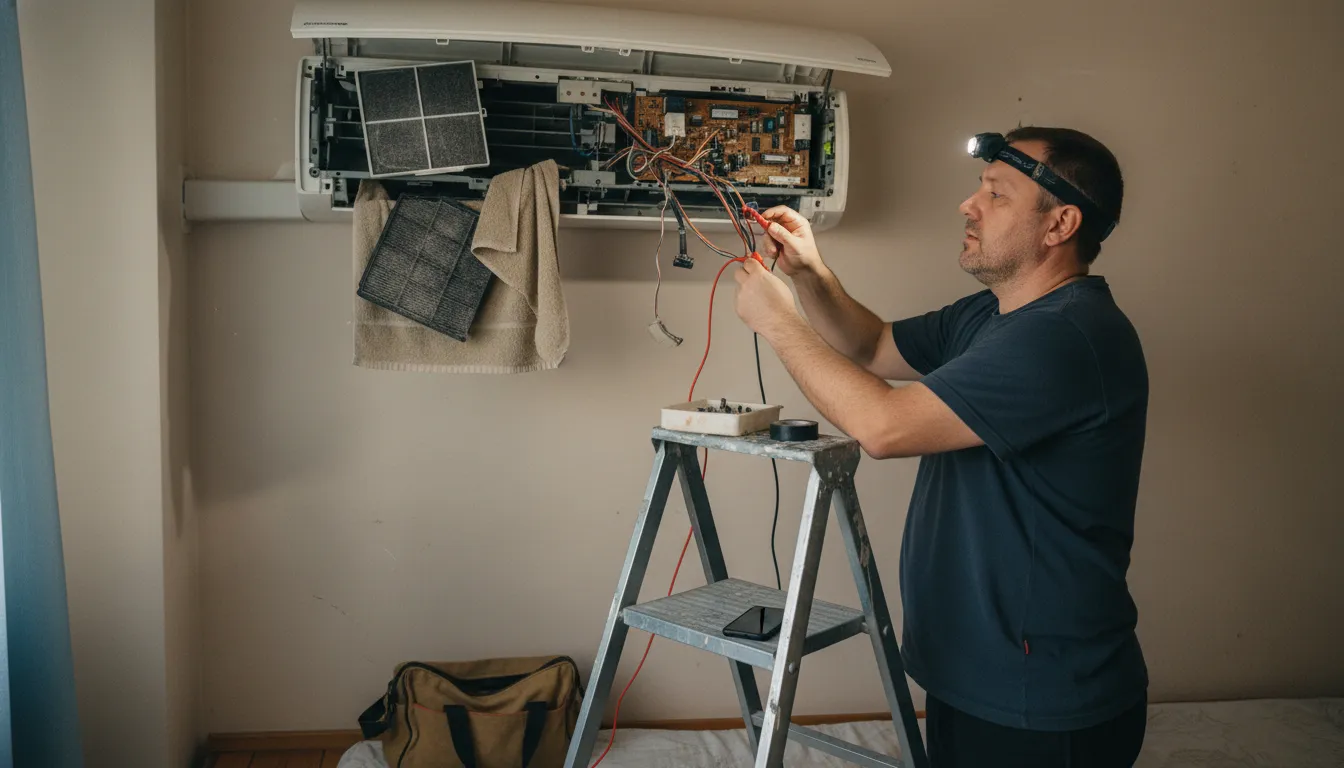
Find the Best AC Repair Contractors for Your Business
No obligation • Fast responses • Nationwide coverage

Why you can trust HVAC Firms
HVAC Firms is a leading United States resource for evaluating HVAC service providers. Our team researches companies, checks credentials, and reviews customer feedback to present clear, unbiased information. Listings and rankings are based on merit, and companies cannot pay to change our editorial content.
Search providers near you
Best AC Repair Contractors in Ohio Ranked
When your air conditioner stops working on a hot Ohio summer day, finding reliable help quickly becomes a priority. Air conditioning repair is a specialized service that addresses everything from minor thermostat glitches to major system failures, ensuring your home or business stays comfortable and safe. This guide explains the types of systems common in Ohio, the repairs they often need, and how to connect with qualified local professionals who can accurately diagnose and fix your cooling problems.
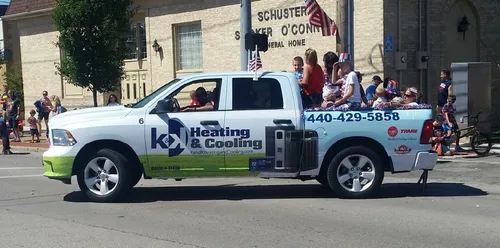
K and K Heating and Cooling
4107 Brookpark Rd, Parma, OH 44134
K and K Heating and Cooling is a residential and commercial HVAC company serving Cleveland, OH, and the broader Northeast Ohio region. They provide a full range of heating and cooling services, including installation, repair, and maintenance of air conditioning and furnace systems. The company is known for servicing all major HVAC brands and offers a comprehensive system diagnosis. Their technicians are NATE-certified and committed to ongoing education to ensure skilled service. K and K Heating and Cooling also offers a 100% satisfaction guarantee on installations and strives for same-day repairs when parts are available.
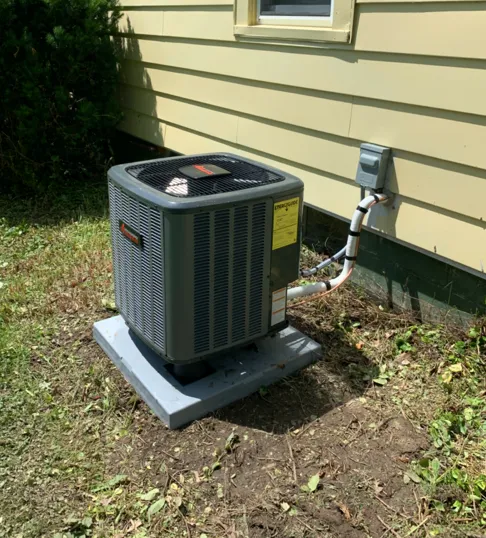
Lanigan Heating & Air Conditioning
1869 E 337th St, Eastlake, OH 44095
Lanigan Heating & Air Conditioning is a locally owned HVAC company serving Cleveland, OH. They provide a range of services including air conditioning and furnace installation, repair, and maintenance for both residential and commercial properties. Their capabilities include air duct inspection and cleaning to improve indoor air quality and reduce allergens. Lanigan Heating & Air Conditioning offers guarantees on parts, labor, and equipment to ensure customer satisfaction.
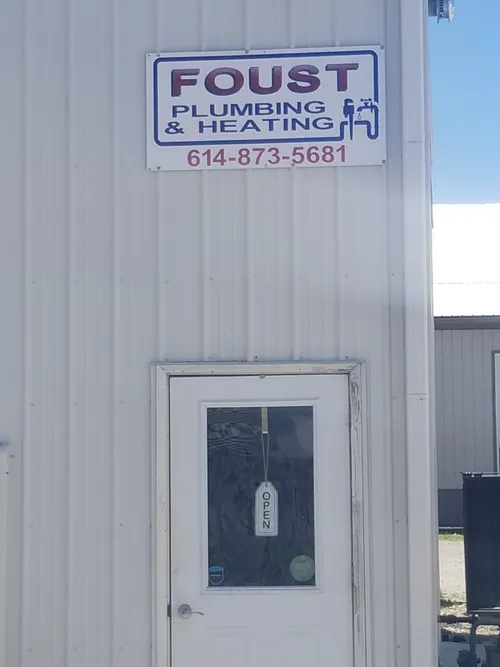
Foust Plumbing & Heating
321 W Bigelow Ave Suite 200, Plain City, OH 43064
Foust Plumbing & Heating is a family-owned HVAC and plumbing contractor serving Columbus, OH, and surrounding areas. They offer installation, repair, and maintenance services for air conditioning, furnaces, heat pumps, boilers, and geothermal heat pumps. With over 40 years of experience, they work with all major brands and provide emergency service availability. Their team is licensed, insured, and certified, focusing on transparent pricing and skilled workmanship.
Right Way Heating and Cooling
2933 Donnylane Blvd, Columbus, OH 43235
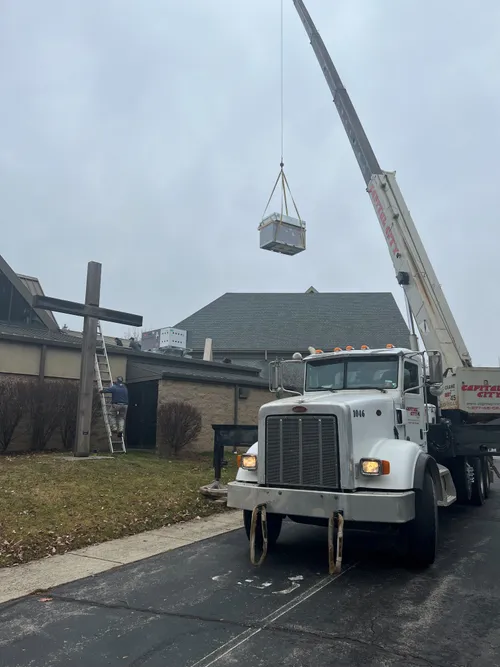
Right Way Heating and Cooling is a family-owned HVAC company serving Columbus, OH, and surrounding areas including Franklin, Licking, and Ross counties. Founded in 2009, they offer a full range of heating and cooling services such as air conditioner, furnace, and heat pump installation and repair, as well as indoor air quality solutions like whole home air filtration and humidifiers. The company provides 24-hour emergency service to address urgent HVAC needs promptly and is staffed by NATE certified technicians.
P.K. Wadsworth Heating & Cooling
Front Unit, 1658 Mentor Ave, Painesville Township, OH 44077
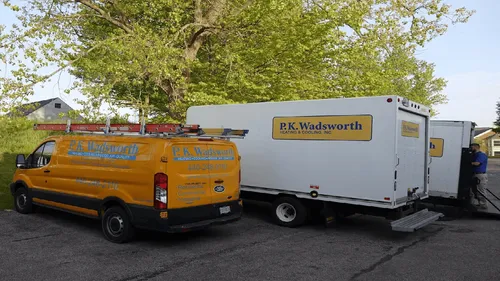
P.K. Wadsworth Heating & Cooling has been serving Cleveland, OH, and the surrounding areas since 1936. The company offers a range of HVAC services including air conditioning and furnace repair, installation, and tune-ups, as well as water heater services. Their experienced technicians handle repairs, replacements, and maintenance to ensure efficient heating and cooling systems year-round. With over 80 years of experience, they provide reliable plumbing services including water heater repair and fixture replacement.
Common Air Conditioning Systems in Ohio
Understanding the type of system you have is the first step in diagnosing a problem. Ohio homes and businesses use a variety of cooling technologies, each with its own repair considerations.
Central Air Conditioning: This is the most common system in Ohio homes. It uses a central compressor/condenser unit outside, connected to an indoor air handler or furnace coil. Cooled air is distributed throughout the building via a network of ducts. Repairs often involve the outdoor unit, refrigerant lines, or the ductwork itself.
Ductless Mini-Split Systems: Increasingly popular for room additions, older homes without ducts, or for creating zoned cooling, these systems have an outdoor compressor connected to one or more indoor wall-mounted units. They are efficient but require technicians familiar with their specific refrigerant lines and electrical connections.
Commercial Rooftop Units (RTUs): Common on Ohio schools, offices, and retail spaces, these are large, self-contained units mounted on the roof. They are more complex than residential systems and repairs can involve advanced components like economizers, large compressors, and sophisticated control boards.
Variable Refrigerant Flow (VRF) Systems: Found in larger commercial buildings, these systems provide precise zoned cooling (and often heating) by varying the flow of refrigerant to multiple indoor units. Repairing these requires highly specialized training.
How Ohio's Climate Impacts Your AC
The weather across the Buckeye State directly stresses air conditioning systems, influencing common repair needs.
- High Humidity: Ohio summers are not just hot; they're often muggy. High humidity forces an AC to work harder to remove moisture from the air, which can lead to frozen evaporator coils, mold growth in drain pans, and frequent drain line clogs. Systems may require additional dehumidification components or more frequent coil cleaning.
- Extreme Temperature Swings: Summer heat waves push compressors to their limit, increasing the risk of overheating and failure. For homes with heat pumps (which provide both heating and cooling), the cold snaps of winter also tax the system's reversing valve and defrost cycle, making year-round maintenance critical.
- Four-Season Use: Many Ohio systems, especially heat pumps, are used for both heating and cooling. This near-constant annual operation leads to more wear and tear compared to systems in milder climates, making regular maintenance and timely repairs essential for longevity.
Common AC Repairs and Typical Cost Ranges in Ohio
Repair costs in Ohio vary widely based on the system type, the specific part needed, and labor rates in your area. The following ranges are estimates; a professional diagnosis from a local technician is required for an accurate quote.
Minor Repairs ($100 - $300):
- Thermostat Replacement: A faulty thermostat can prevent the system from turning on or cycling properly. Replacing a basic model is often a lower-cost fix 1.
- Capacitor Replacement: This component helps start the compressor and fan motors. When it fails, the unit may hum but not start. Replacement is a common repair.
- Clearing Drain Line Clogs: A clogged condensate drain line can cause water leaks and system shutdowns. Clearing it is a standard service call.
- Contactor Relay Replacement: This electrical relay sends power to major components. Pitted or failed contacts are a common issue.
Mid-Range Repairs ($400 - $1,500):
- Evaporator or Condenser Coil Cleaning/Repair: Dirty coils reduce efficiency and can cause freezing. A deep clean is often needed, and repairing a leak in a coil can be more involved.
- Blower Fan Motor Replacement: The indoor fan that circulates air can wear out. Replacing it involves electrical work and part costs.
- Refrigerant Leak Detection and Repair: Finding and sealing a leak, followed by recharging the system with refrigerant, is a skilled job. Costs depend on the leak's location and the amount of refrigerant needed.
- Ductwork Repair: Sealing leaks or repairing damaged sections of duct in an attic or crawlspace can improve efficiency and comfort.
Major Repairs ($1,500 and Up):
- Compressor Replacement: The compressor is the heart of the AC system. Replacing it is labor-intensive and is often the most expensive single repair. On older units, it may be more cost-effective to consider system replacement.
- Control Board Replacement: The main circuit board that controls system operations. Failure can cause complete system shutdown, and the board itself is a costly component 2.
- Complete System Overhaul (Commercial): For large commercial RTUs, a major failure may involve replacing multiple interconnected components, leading to significant costs.
Find the perfect ac repair contractors for your needs
Get personalized recommendations and expert advice
Understanding Repair Cost Factors
Why does one repair cost $200 while another is over $2,000? Several key factors influence the final bill.
- Diagnostic Fee: Most companies charge a service fee (typically $75 - $150) for the technician's time to diagnose the problem. This fee is often applied toward the cost of the repair if you proceed with the work.
- Part Costs: The price of the component itself is a major driver. A capacitor may cost under $50, while a new compressor can be $600-$1,500 for the part alone 3 4.
- Labor Intensity: Some repairs are quick (e.g., replacing an accessible capacitor). Others, like replacing a compressor or repairing a leak in a hard-to-reach coil, require several hours of skilled labor, evacuation of refrigerant, and testing.
- System Age and Model: Obsolete parts for older systems can be expensive or hard to find. Repairs on newer, high-efficiency models may require proprietary tools or training.
- Commercial vs. Residential: Commercial air conditioning repair almost always costs more due to system complexity, larger part sizes, the need for specialized lifts or equipment to access rooftop units, and stricter code requirements 5 6.
The Critical Importance of Professional Diagnosis
Attempting a DIY fix or getting a guess over the phone can lead to wasted money and further damage. A professional diagnosis is essential because:
- Symptom Overlap: A frozen coil could be caused by a dirty filter, low refrigerant, or a failing fan motor. Only a trained technician with proper tools can pinpoint the root cause.
- Safety: HVAC systems involve high-voltage electricity, pressurized refrigerant, and, in furnaces, combustible gas. Improper handling is dangerous.
- Efficiency & Longevity: A correct repair ensures your system runs efficiently, saving on energy bills and preventing cascading failures that shorten the system's life.
- Accurate Pricing: As the data shows, costs depend entirely on the specific issue. A reputable Ohio HVAC professional will provide a detailed, written estimate after diagnosis.
Maintaining Your System to Avoid Repairs
The best repair is the one you never need. A proactive maintenance plan can identify small issues before they become big, expensive problems.
- Annual Tune-Ups: Schedule professional preventive maintenance each spring. This typically includes cleaning coils, checking refrigerant levels, inspecting electrical components, and ensuring the system is operating safely and efficiently 7.
- Filter Changes: Replace your indoor air filter every 1-3 months during the cooling season. A dirty filter is the most common cause of reduced airflow and system strain.
- Keep It Clear: Ensure the outdoor condenser unit has at least 2 feet of clear space around it for proper airflow. Keep it free of leaves, grass clippings, and debris.
- Listen and Observe: Unusual noises (grinding, screeching), weak airflow, warm air from vents, or frequent cycling on and off are all signs it's time to call for service.
Frequently asked questions
Sources
Footnotes
-
HVAC Repair Guide: Common Issues, Costs & Expert Solutions - https://www.bryant.com/en/us/products/hvac-repair/ ↩
-
Common HVAC Repairs - Ace Hardware Home Services - https://www.acehardwarehomeservices.com/blogs/the-most-common-hvac-repairs-do-you-know-what-they-are ↩
-
How Much Do HVAC Repairs Cost in Columbus, Ohio? - https://www.servicefirstair.com/blog/how-much-do-hvac-repairs-cost-in-columbus-ohio ↩
-
The Most Expensive Part to Replace on an AC Unit in Owasso - https://quality-hc.com/blog/most-expensive-part-to-replace-on-ac-unit/ ↩
-
8440 HVAC Lifecycle and Cost - https://ofcc.ohio.gov/static/OSDM/Files/ch8_sysmat_8440_hvac_lifecycle_and_cost.pdf ↩
-
What is the difference between residential, commercial and ... - https://www.blissaircon.com.au/blog/what-is-the-difference-between-residential-commercial-and-industrial-air-conditioning ↩
-
AC Tune-Up Cost 2025: Power Pro's Savings Guide for SoCal - https://www.powerproplumbing.com/blog/ac-tune-up-cost-complete-guide ↩