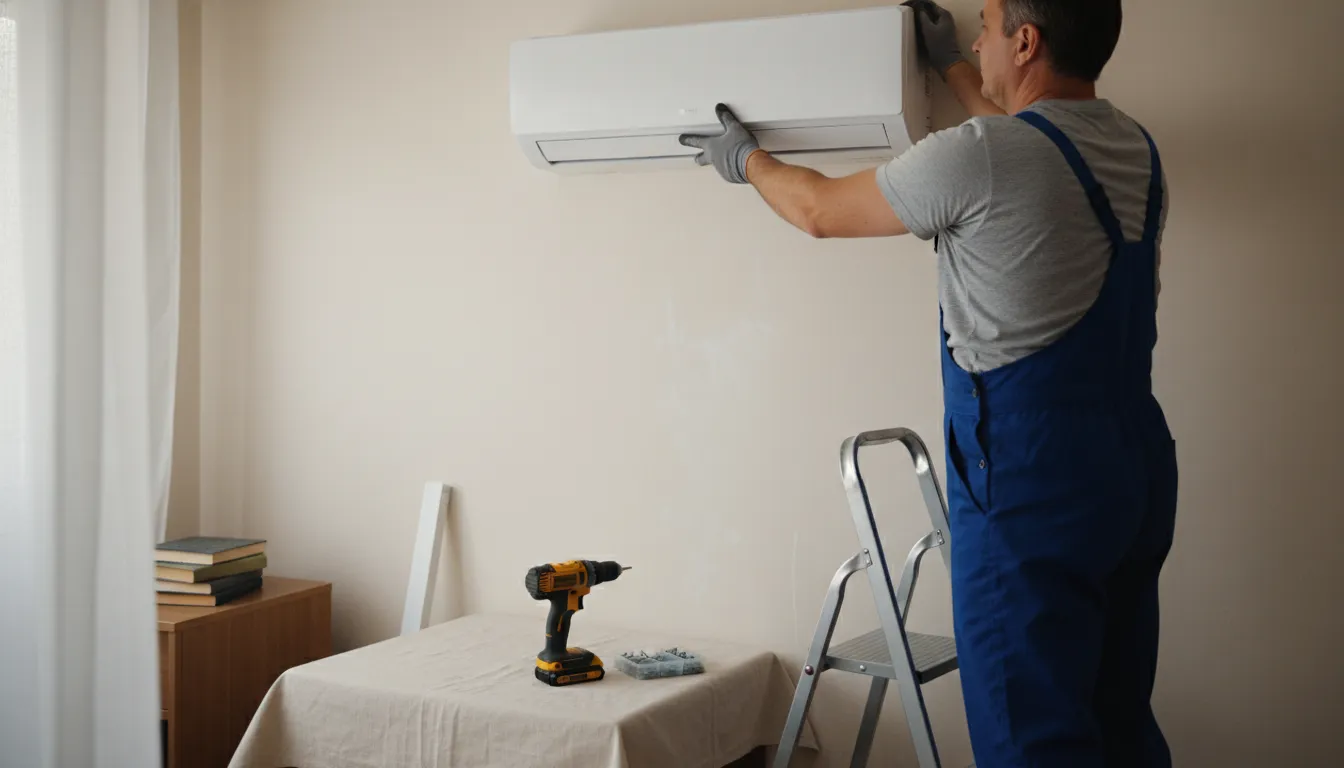
Find the Best AC Installation & Replacement Contractors for Your Business
No obligation • Fast responses • Nationwide coverage

Why you can trust HVAC Firms
HVAC Firms is a leading United States resource for evaluating HVAC service providers. Our team researches companies, checks credentials, and reviews customer feedback to present clear, unbiased information. Listings and rankings are based on merit, and companies cannot pay to change our editorial content.
Search providers near you
Top AC Installation & Replacement Contractors in Philadelphia, Pennsylvania Ranked
Keeping your Philadelphia home cool and comfortable during the humid summer months requires a reliable air conditioning system. Whether you're replacing an aging, inefficient unit or installing central air for the first time, understanding the process, costs, and local considerations is key to a successful project. This guide provides a detailed look at air conditioner installation and replacement in Philadelphia, helping you navigate the journey from consultation to a cool, efficient home.
J&J Mechanical Inc.
200 Grove Rd, Paulsboro, NJ 08066
J&J Mechanical Inc. is a family-owned HVAC and generator service provider serving Philadelphia, PA, and the surrounding South Jersey and Southeastern Pennsylvania areas. They offer a wide range of services including air conditioning and heating installation, repair, maintenance, and indoor air quality solutions. Their N.A.T.E certified technicians provide reliable system tune-ups and emergency repairs, along with energy-efficient and environmentally friendly options such as high-efficiency HVAC systems and backup generators. With over two decades of experience, J&J Mechanical Inc. is committed to transparent pricing and community involvement.
McGinley Services Heating & Cooling
746 Chester Pike STE A, Prospect Park, PA 19076
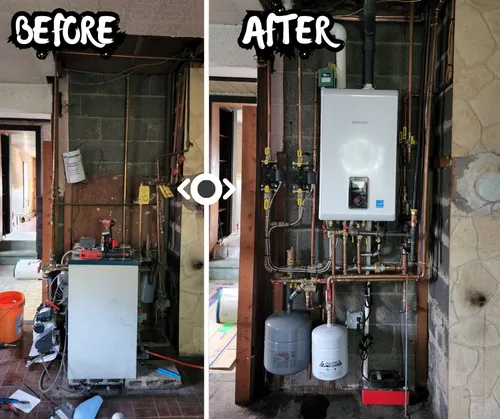
McGinley Services Heating & Cooling is a family-owned HVAC company serving Philadelphia, PA, and nearby Delaware and Montgomery counties. Since 2020, they have provided heating, air conditioning, indoor air quality, and water heating services, including installations, repairs, duct cleaning, and maintenance. The company offers 24/7 emergency service and same-day appointments, ensuring support during inconvenient times. Their licensed and insured team is experienced in heat pump and furnace installations as well as boiler repairs, focusing on safety and quality.
D’Auria & Son Heating and Air
26 Evergreen Ave, Blackwood, NJ 08012
D'Auria & Son Heating and Air is a family-owned HVAC company serving Philadelphia, PA, and the South Jersey area. With over 30 years of experience, they provide residential and commercial heating and cooling services, including installation, repair, and tune-ups for air conditioners and furnaces. The company offers 24/7 emergency repair services and focuses on maintaining comfortable indoor environments through reliable HVAC solutions.
DiBiase Heating and Cooling Company
565 Abbott Dr, Broomall, PA 19008
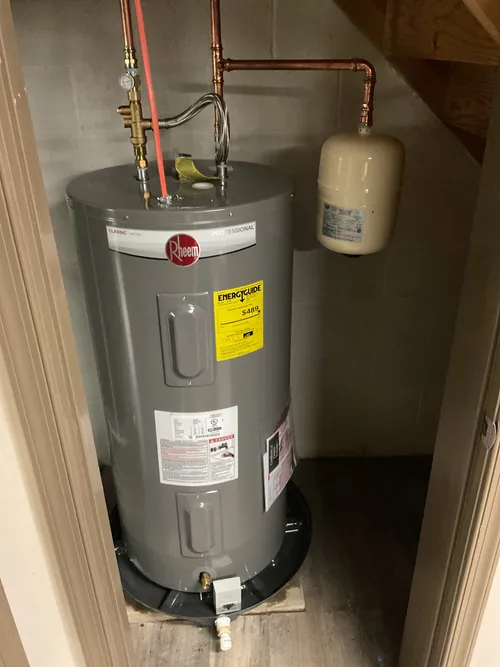
DiBiase Heating and Cooling Company is an HVAC contractor based in Philadelphia, PA, offering a range of heating, cooling, and water heater services. They provide furnace and air conditioning repairs, full system installations, and energy-saving solutions such as high-efficiency water heaters and smart thermostats. Their services cover routine maintenance, emergency repairs, and energy-efficient upgrades to help maintain home comfort year-round. DiBiase Heating and Cooling Company also offers 24/7 service availability and specializes in ductless mini split AC systems and refrigerant leak repairs.
Family Heating & Air Conditioning
873 Township Line Rd, Elkins Park, PA 19027
Family Heating & Air Conditioning is an HVAC company based in Philadelphia, PA, providing repair, installation, and maintenance services for heating and cooling systems. They offer services including AC and furnace repair, HVAC installation, and tune-ups. The company also provides heating and air conditioning replacements and a comfort protection plan that goes beyond basic maintenance.
Understanding Your Philadelphia Home's Cooling Needs
Philadelphia's climate presents unique challenges for home cooling. Our summers bring significant heat and humidity, while winters are cold, meaning your HVAC system works year-round. A properly sized and installed air conditioning system is not just about comfort; it's about energy efficiency, indoor air quality, and protecting your investment in your home. An oversized unit will cycle on and off too frequently, failing to dehumidify properly and wearing out components quickly. An undersized system will run constantly, struggling to reach the desired temperature and driving up your energy bills 1.
For a typical Philadelphia row home or standard single-family house of around 2,000 square feet, a 3-ton unit (36,000 BTU) is often the starting point for adequate cooling. However, this is a general estimate. The only way to ensure correct sizing is through a professional Manual J load calculation. This industry-standard assessment considers your home's specific characteristics: square footage, window type and orientation, insulation levels, ceiling height, and local climate data 2. Relying on square footage alone can lead to costly mistakes in both equipment and long-term operation.
The Step-by-Step Process of AC Installation & Replacement
A professional air conditioner installation is a multi-step process designed for safety, efficiency, and longevity. Here's what you can expect when you hire a qualified Philadelphia contractor.
1. Initial Consultation and Load Calculation The process begins with a thorough home evaluation. A technician will discuss your comfort needs, inspect the existing system (if there is one), and assess the ductwork, electrical panel, and potential installation sites. Most importantly, they will perform the Manual J calculation to determine the precise cooling capacity required for your home.
2. System and Equipment Selection Based on the load calculation and your budget, your contractor will recommend suitable equipment. Key decisions include the type of system (central air vs. ductless mini-split), the efficiency rating (SEER2), and the brand. Higher SEER2 units (18+) are more expensive upfront but offer substantial savings on monthly energy bills, a crucial consideration given Philadelphia's summer utility costs.
3. Preparation and Removal For a replacement, the old outdoor condenser and indoor evaporator coil will be safely disconnected. The refrigerant is recovered according to EPA regulations, and the old unit is removed and properly disposed of. The installation area is prepped, which may involve leveling a new concrete pad for the outdoor unit.
4. Ductwork Assessment and Modification The contractor will inspect your home's existing ductwork for leaks, proper sizing, and insulation. In many older Philadelphia homes, ductwork may need sealing, repairs, or even complete replacement to ensure efficient airflow, which can add $1,500 to $3,000 or more to the project cost. For ductless mini-split installations, this step involves running refrigerant line sets through walls instead of ducts.
5. Installation of New Components The new outdoor condenser is placed on its pad and connected to the home via refrigerant lines and electrical wiring. The matching indoor evaporator coil is installed atop your furnace or within your air handler. All connections are secured, and a new condensate drain line is established to handle moisture removal 3.
6. System Testing and Commissioning This is a critical phase. The contractor will charge the system with refrigerant, check for leaks, test electrical connections, and ensure airflow is balanced across all vents. They will start the system, verify it's cooling properly, and calibrate the thermostat. A proper commissioning ensures the system operates at its advertised efficiency 4 5.
7. Final Walkthrough and Permits A reputable contractor will handle pulling any required local permits for the installation. After testing, they should provide a final walkthrough, explaining your new system's operation, maintenance needs, and warranty details.
Find the perfect ac installation & replacement contractors for your needs
Get personalized recommendations and expert advice
Cost Breakdown for Philadelphia AC Projects
The cost of a new air conditioning system in Philadelphia varies widely based on your home's needs. Here's a breakdown of what homeowners can expect.
Central Air Conditioner Replacement For the standard 3-ton system suitable for many Philly homes, total replacement costs typically range from $4,400 to $8,600. This estimate generally includes the equipment, professional labor, and permits for a straightforward swap-out with no major ductwork or electrical modifications 6. The final price within this range is influenced by the unit's SEER2 rating, with higher-efficiency models commanding a premium.
High-Efficiency and Complex Installations Upgrading to a high-efficiency system (18+ SEER2) or installing a system for a larger home can push costs to $11,000 - $14,100 or more 7. Projects requiring new ductwork, significant electrical upgrades (like a new service panel), or custom solutions for historic homes will also see costs rise accordingly 8 9.
Ductless Mini-Split Systems For homes without existing ducts, like many Philadelphia rowhomes or room additions, ductless mini-splits are a popular and efficient option. Installation costs range from $2,000 to $5,000 per indoor zone (air handler), plus the cost of the outdoor condenser 10. While a DIY approach is sometimes discussed, professional installation is strongly recommended to ensure proper refrigerant handling, electrical work, and warranty validation 11.
Key Factors Influencing Your Installation
- System Size & Type: The tonnage (capacity) of the AC unit is the primary cost driver. The choice between central air, ductless mini-split, or heat pump systems also significantly impacts the price.
- Efficiency (SEER2 Rating): The new national minimum standard is 14 SEER2 (15 SEER in the North). Investing in a 16, 18, or 20+ SEER2 unit costs more upfront but lowers your PECO bill. The payback period depends on your usage.
- Ductwork Condition: Leaky, undersized, or uninsulated ducts in attics or crawl spaces can waste over 30% of your cooling energy. Repairing or replacing ductwork is a critical, though sometimes unexpected, part of many Philadelphia installations 12.
- Labor and Contractor Expertise: Rates vary between companies. Choosing a licensed, insured, and NATE-certified contractor might cost slightly more but provides peace of mind, proper permitting, and correct installation that maximizes system life.
- Additional Components: You may need a new thermostat, air handler, condensate pump, or upgraded electrical lines, which will be factored into the final quote.
Choosing the Right Philadelphia Contractor
Your installer is as important as the equipment itself. Look for a local Philadelphia HVAC company with:
- Proper Pennsylvania state and local licenses.
- Evidence of liability insurance and worker's compensation.
- Positive reviews on third-party sites and a solid local reputation.
- Transparency in quoting, including a detailed, line-item estimate.
- Willingness to perform a Manual J calculation in your home.
- Clear explanations of warranty coverage for both parts and labor.
Frequently asked questions
Sources
Footnotes
-
Central AC Installation Cost - https://www.ugihvac.com/blog/how-much-does-a-new-central-air-conditioner-cost/ ↩
-
5 Steps on How To Size an HVAC System for Your New Installation - https://easternshorehvac.com/blog/how-size-hvac-system/ ↩
-
FAQs - Daikin India - https://www.daikinindia.com/faqs ↩
-
Air Conditioning Installation: A Step-by-Step Process - https://nexgenairandplumbing.com/blog/air-conditioning-installation-a-step-by-step-process/ ↩
-
What Does AC Installation Include? A Comprehensive Guide - Air Necessity - https://airnecessityhvac.com/what-does-ac-installation-include-a-comprehensive-guide/ ↩
-
AC Unit Replacement in Bensalem, PA - Local Experts Since 1974 - https://regionserviceco.com/services/hvac-contractor-bensalem-pa/ac-unit-replacement/ ↩
-
Top Central AC Installation Contractors In Philadelphia, PA - https://modernize.com/near-me?find=central-air-conditioning-installation&location=Philadelphia,PA ↩
-
How Much Does AC Replacement Cost in Philadelphia ... - https://www.angi.com/articles/how-much-does-installing-new-ac-cost/pa/philadelphia ↩
-
Understanding the cost of air conditioning installation in ... - https://boylebrothersenergy.com/blog/cost-of-air-conditioning-installation-in-philadelphia/ ↩
-
How Much Does It Cost to Repair or Install an AC Unit in Philadelphia? - https://airmasterpa.com/how-much-does-it-cost-to-repair-install-new-ac-philadelphia/ ↩
-
DIY Mini-Split Installation: Step-by-Step Guide - Legacy AC - https://legacyac.us/blog/diy-made-easy-a-step-by-step-guide-to-installing-your-own-mini-split-system.html ↩
-
Cost to Replace AC Unit - 2025 Homeowner's Guide - https://regionserviceco.com/cost-to-replace-ac-unit/ ↩