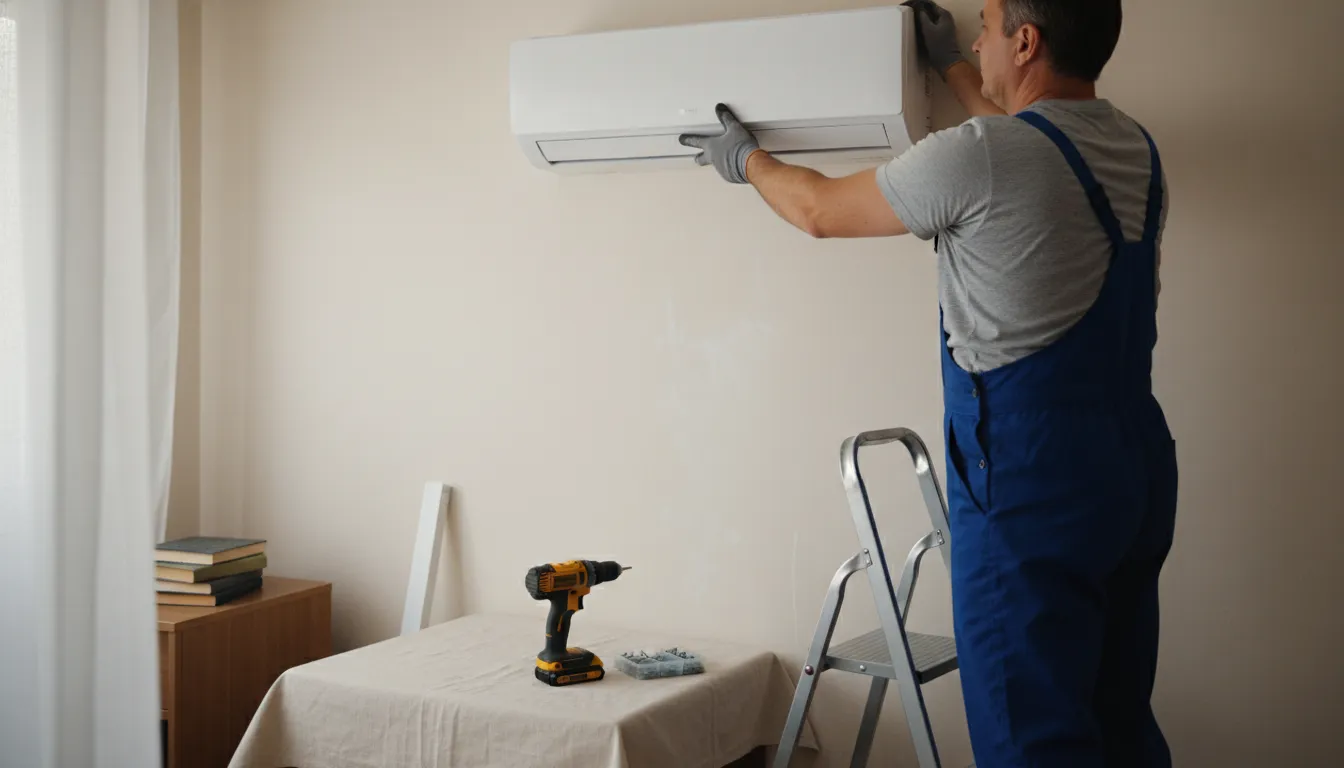
Find the Best AC Installation & Replacement Contractors for Your Business
No obligation • Fast responses • Nationwide coverage

Why you can trust HVAC Firms
HVAC Firms is a leading United States resource for evaluating HVAC service providers. Our team researches companies, checks credentials, and reviews customer feedback to present clear, unbiased information. Listings and rankings are based on merit, and companies cannot pay to change our editorial content.
Search providers near you
Best AC Installation & Replacement Contractors in Pennsylvania Ranked
Keeping your home cool and comfortable during Pennsylvania's humid summers requires a reliable, efficient air conditioning system. Whether you're replacing an aging unit or installing central air for the first time, understanding the process, costs, and local considerations is key to a successful project. This guide provides clear, practical information to help Pennsylvania homeowners navigate their cooling system options and connect with qualified local professionals for the job.
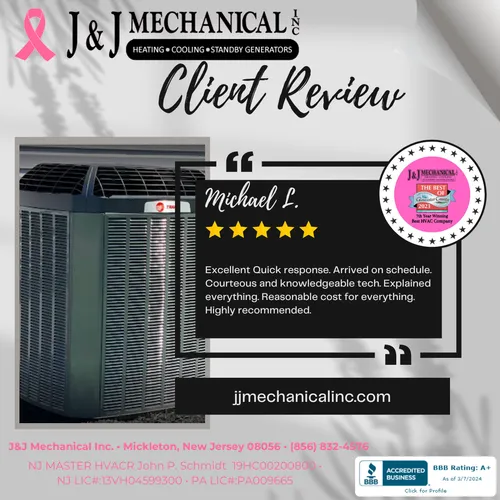
J&J Mechanical Inc.
200 Grove Rd, Paulsboro, NJ 08066
J&J Mechanical Inc. is a family-owned HVAC and generator service provider serving Philadelphia, PA, and the surrounding South Jersey and Southeastern Pennsylvania areas. They offer a wide range of services including air conditioning and heating installation, repair, maintenance, and indoor air quality solutions. Their N.A.T.E certified technicians provide reliable system tune-ups and emergency repairs, along with energy-efficient and environmentally friendly options such as high-efficiency HVAC systems and backup generators. With over two decades of experience, J&J Mechanical Inc. is committed to transparent pricing and community involvement.
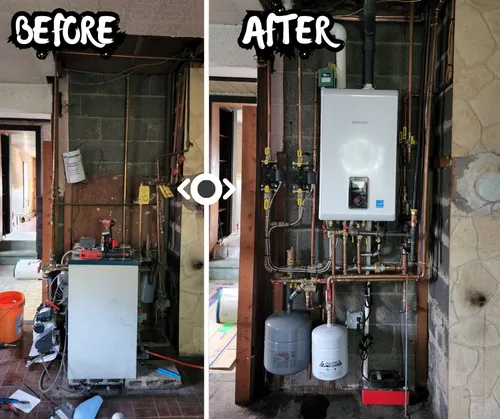
McGinley Services Heating & Cooling
746 Chester Pike STE A, Prospect Park, PA 19076
McGinley Services Heating & Cooling is a family-owned HVAC company serving Philadelphia, PA, and nearby Delaware and Montgomery counties. Since 2020, they have provided heating, air conditioning, indoor air quality, and water heating services, including installations, repairs, duct cleaning, and maintenance. The company offers 24/7 emergency service and same-day appointments, ensuring support during inconvenient times. Their licensed and insured team is experienced in heat pump and furnace installations as well as boiler repairs, focusing on safety and quality.
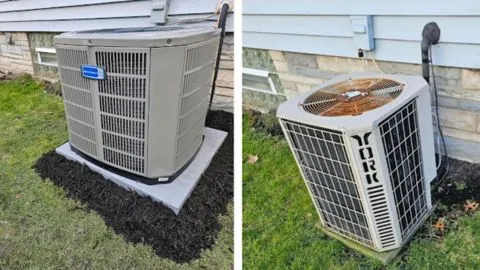
Supreme Heating and Cooling
1475 Frey Rd, Penn Hills Township, PA 15235
Supreme Heating and Cooling is an HVAC company based in Pittsburgh, PA, offering a wide range of heating and cooling services. They provide installation, repair, and maintenance for air conditioners, furnaces, heat pumps, boilers, mini split systems, and indoor air quality equipment. Their certified technicians also handle electrical services related to HVAC systems. The company emphasizes energy efficiency and improved indoor air quality in their work. Supreme Heating and Cooling is known for working with trusted brands and offers comprehensive HVAC solutions to keep homes comfortable year-round.
D’Auria & Son Heating and Air
26 Evergreen Ave, Blackwood, NJ 08012
D'Auria & Son Heating and Air is a family-owned HVAC company serving Philadelphia, PA, and the South Jersey area. With over 30 years of experience, they provide residential and commercial heating and cooling services, including installation, repair, and tune-ups for air conditioners and furnaces. The company offers 24/7 emergency repair services and focuses on maintaining comfortable indoor environments through reliable HVAC solutions.
DiBiase Heating and Cooling Company
565 Abbott Dr, Broomall, PA 19008
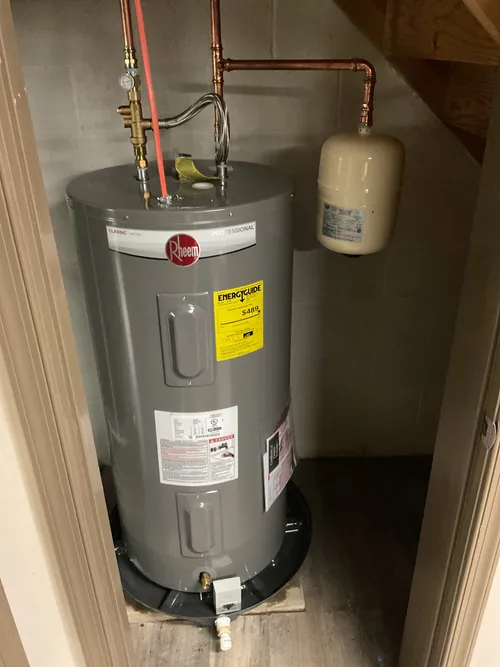
DiBiase Heating and Cooling Company is an HVAC contractor based in Philadelphia, PA, offering a range of heating, cooling, and water heater services. They provide furnace and air conditioning repairs, full system installations, and energy-saving solutions such as high-efficiency water heaters and smart thermostats. Their services cover routine maintenance, emergency repairs, and energy-efficient upgrades to help maintain home comfort year-round. DiBiase Heating and Cooling Company also offers 24/7 service availability and specializes in ductless mini split AC systems and refrigerant leak repairs.
Understanding Your AC System Options in PA
Choosing the right type of air conditioner is the first step. The best system for your home depends on its layout, existing infrastructure, and your specific comfort goals.
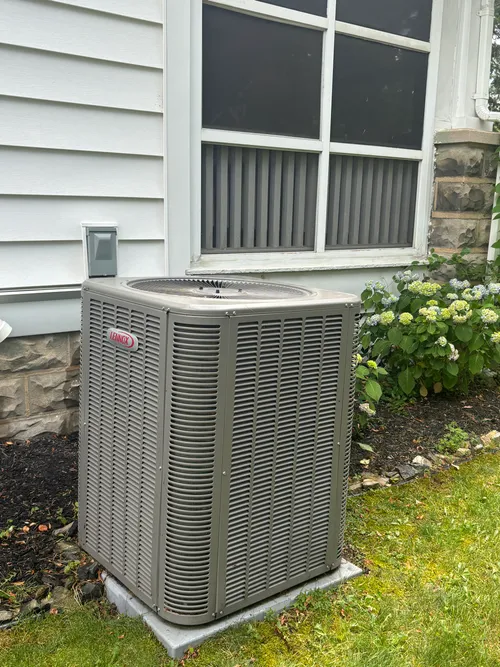
Central Air Conditioning Systems This is the most common setup in Pennsylvania homes, especially those with existing forced-air heating systems. A central AC system uses an outdoor condenser unit and an indoor evaporator coil (typically attached to a furnace or air handler) to cool air, which is then distributed throughout the home via ductwork. It provides whole-house cooling and is often the preferred choice for consistent temperature control. Modern systems are rated by SEER (Seasonal Energy Efficiency Ratio); higher SEER numbers indicate greater efficiency and lower operating costs, which is a significant consideration given Pennsylvania's summer energy use.
Ductless Mini-Split Systems These systems are gaining significant traction in the Keystone State. A ductless mini-split consists of an outdoor compressor/condenser and one or more indoor air-handling units mounted on walls or ceilings. They are ideal for homes without existing ductwork, such as those with hydronic (boiler) heat, older homes, or room additions. They offer excellent zoning capabilities, allowing you to cool specific areas independently, which can lead to energy savings. Their high efficiency and flexible installation make them a strong contender for many Pennsylvania households.
Why Pennsylvania's Climate Demands Careful Selection
Pennsylvania experiences a varied climate with hot, humid summers and cold winters. This directly impacts what you should look for in a cooling system.
- Managing High Humidity: Summers in Pennsylvania can be muggy. An effective AC system doesn't just lower temperature; it also removes moisture from the air. Look for systems with features designed for enhanced dehumidification. Proper sizing is also critical-an oversized unit will cool the air too quickly without running long enough to remove adequate humidity, leaving your home feeling clammy.
- Versatility for Variable Weather: The state sees a wide range of temperatures. A system that can handle both 90°F humid days and cooler 60°F evenings efficiently is important. This is where heat pumps become an excellent option. A heat pump is an air conditioner that can also run in reverse to provide highly efficient heating during milder winter days. Given Pennsylvania's climate, a heat pump can serve as a versatile, year-round comfort solution, potentially reducing reliance on a furnace for much of the shoulder seasons.
The AC Installation & Replacement Process: A Step-by-Step Guide
A professional installation follows a structured process to ensure safety, efficiency, and system longevity. Here's what you can typically expect.
- Initial Assessment and Planning: A qualified technician will visit your home to evaluate your needs. This includes calculating the correct cooling capacity (load calculation) for your home's size, insulation, and windows-not just replacing "ton for ton." They will also inspect existing ductwork for leaks or sizing issues and discuss system options, efficiency ratings, and thermostat choices. Necessary local building permits will be identified at this stage.
- Preparation and Removal: On installation day, the crew will prepare the worksite. For a replacement, this involves safely recovering refrigerant from the old unit, disconnecting electrical and refrigerant lines, and removing the old outdoor condenser and indoor coil. The area will be cleared for the new equipment.
- Ductwork and Electrical Preparation: If installing a new central system or modifying an existing one, ductwork will be installed, sealed, and insulated to prevent energy loss. For any system, proper electrical connections are crucial. This may involve installing a new dedicated circuit or disconnect box to meet the new unit's power requirements.
- New Equipment Installation: The new outdoor condenser is placed on a stable, level pad (often concrete). The matching indoor coil or air handler is installed and connected to the furnace or duct system. All components are carefully leveled and secured.
- Final Connections and Charging: The refrigerant lineset is connected between the indoor and outdoor units. The system is then pressurized with nitrogen to check for leaks before being evacuated with a vacuum pump to remove all moisture and air. Finally, the system is charged with the precise amount of refrigerant. Important Note: Due to federal regulations phasing out R-410A, new systems installed in 2025 and beyond will use next-generation, lower-global-warming-potential (GWP) refrigerants like R-454B. Ensure your installer is trained and certified to handle these new refrigerants 1.
- System Testing and Startup: The installer will power up the system, test all electrical components, check airflow at the vents, and verify the thermostat is communicating correctly. They will measure temperature drop across the coil and system pressures to ensure optimal performance before providing a final walkthrough 2.
Find the perfect ac installation & replacement contractors for your needs
Get personalized recommendations and expert advice
How Long Does AC Installation Take in Pennsylvania?
The timeline depends heavily on the project's scope.
- Straightforward Replacement: Swapping an existing central AC unit with a new one of similar type and capacity, with no ductwork modifications, typically takes 1 to 3 days 3.
- New Full System Installation: Installing a complete central AC system in a home without existing ducts is a larger project. This involves running ductwork throughout the home, which can take 3 to 5 days or more, depending on the home's size and layout 4.
- Ductless Mini-Split Install: Installing a single-zone ductless system is often quicker, potentially completed in a single day. Multi-zone systems with multiple indoor heads will take longer.
Understanding Costs for AC Installation in Pennsylvania
Costs can vary widely based on system type, efficiency, home specifics, and labor rates in your region. The figures below are estimates to help set expectations.
- Central AC Replacement: For a standard 3-ton central air conditioner replacement, homeowners in Pennsylvania can expect a range of $4,000 to $8,000 or more5 6. The final price is influenced by:
- System Efficiency (SEER): Higher SEER units have a higher upfront cost but lower monthly bills.
- Ductwork Modifications: Repairing, sealing, or replacing ducts adds to the project cost.
- Regional Labor Rates: Installation costs in metropolitan areas like Philadelphia and Pittsburgh may be higher than in more rural counties 7.
- New Refrigerant Standards: As the industry transitions to systems using R-454B and other new refrigerants, there may be incremental cost increases compared to older R-410A equipment. This is an important factor for long-term serviceability and environmental compliance 8.
- New Central AC Installation (Full System): This is a more significant investment, often ranging from $8,000 to $15,000+, as it includes the cost of the air handler, condenser, thermostat, and all new ductwork 9 10.
- Ductless Mini-Split Installation: A single-zone system typically costs $3,000 to $5,500 installed. Each additional indoor head (for a multi-zone system) adds to the total cost 11.
Always obtain detailed, written estimates from multiple licensed contractors. The estimate should include all equipment model numbers, labor, materials, permit fees, and a clear description of the work scope.
Key Factors for a Successful Installation
Beyond cost and timeline, focus on these critical elements:
- Proper Sizing: Insist on a Manual J load calculation. Guessing or using old rules of thumb can lead to an inefficient, uncomfortable system.
- Duct Evaluation: For central systems, have your ducts inspected for leaks and proper sizing. Sealing leaky ducts can improve efficiency by 20% or more.
- Contractor Credentials: Choose a licensed, insured, and NATE-certified (North American Technician Excellence) contractor. Check for positive reviews and ask for references.
- Warranty Understanding: Clarify what is covered by the manufacturer's warranty and what is covered by the installer's labor warranty.
Frequently asked questions
Sources
Footnotes
-
A Step-by-Step Guide to Air Conditioner Installation - https://candcheat.com/a-step-by-step-guide-to-air-conditioner-installation/ ↩
-
Step-by-Step HVAC Installation Guide - Carrier - https://www.carrier.com/residential/en/us/products/air-conditioners/hvac-installation/ ↩
-
Cost of a 2-Ton Air Conditioner - https://www.thisoldhouse.com/heating-cooling/2-ton-air-conditioner-cost ↩
-
How Long Does It Take to Install a New HVAC System? A Comprehensive Overview of the Installation Process - https://moodyheatingandair.com/how-long-does-it-take-to-install-a-new-hvac-system/ ↩
-
AC Installation Cost in Pennsylvania: 2025 Price Guide - https://lehighhvac.com/blogs/ac-installation-cost-in-pennsylvania-2025-price-guide/ ↩
-
Cost to Replace AC Unit - 2025 Homeowner's Guide - https://regionserviceco.com/cost-to-replace-ac-unit/ ↩
-
Discover the average AC installation cost in Pennsylvania. - https://lehighhvac.com/blogs/ac-installation-cost-in-pennsylvania-2025-price-guide/ ↩
-
The R-410A Phase-Out: What Homeowners Need to Know in 2025 - https://www.unitedheating.com/blog/the-r-410a-phase-out-what-homeowners-need-to-know-in-2025 ↩
-
HVAC System Cost 2025 - Jack Lehr HVAC Experts - https://www.jacklehr.com/blog/air-conditioning-service/new-hvac-system-cost-2025/ ↩
-
HVAC Replacement Cost: What You Need to Know - https://tscair.com/hvac-replacement-cost/ ↩
-
Residential HVAC Installation Process: A Comprehensive Guide - https://precisionairhc.com/blog/residential-hvac-installation-process/ ↩