Find the Best Thermostat Installation & Repair Companies for Your Business
No obligation • Fast responses • Nationwide coverage

Why you can trust HVAC Firms
HVAC Firms is a leading United States resource for evaluating HVAC service providers. Our team researches companies, checks credentials, and reviews customer feedback to present clear, unbiased information. Listings and rankings are based on merit, and companies cannot pay to change our editorial content.
Search providers near you
Top Thermostat Installation & Repair Companies in San Antonio, Texas Ranked
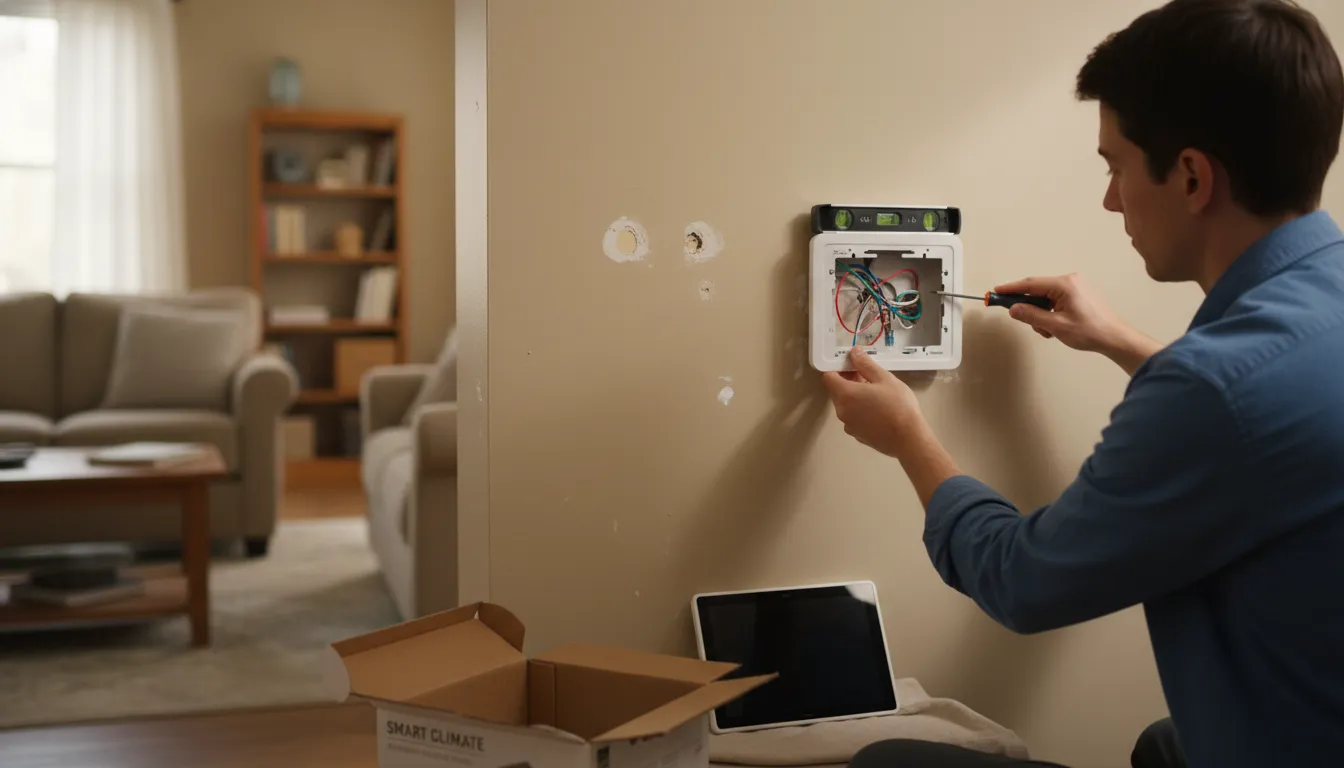
A properly functioning thermostat is the command center for your home's comfort, especially in a climate like San Antonio's. Thermostat installation and repair services ensure your heating and cooling system responds accurately to your needs, managing energy use and maintaining consistent temperatures. Whether you're troubleshooting a faulty unit or upgrading to a modern, Wi-Fi-enabled model, finding a qualified local professional is key to a successful and safe installation that integrates seamlessly with your existing HVAC system.
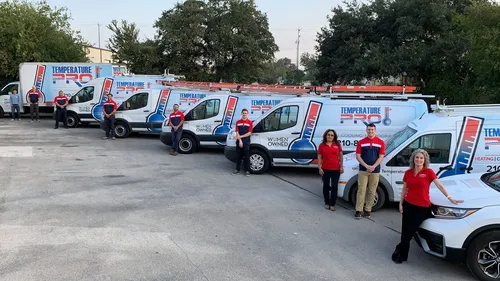
TemperaturePro San Antonio
14886 Tradesman Dr ste 116, San Antonio, TX 78249
TemperaturePro San Antonio is a locally woman-owned and family-operated HVAC and electrical service provider based in San Antonio, TX. With over 30 years of industry experience, they offer a range of residential and light commercial services including air conditioning and furnace installation, repair, tune-ups, and thermostat installation. The company emphasizes the use of next-generation tools and technology to ensure safety and efficiency on every job. They are licensed, insured, and bonded, with background-checked and drug-screened technicians. TemperaturePro specializes in installing and servicing Daikin HVAC systems, known for their energy-efficient and advanced designs. Their service area includes San Antonio and surrounding communities such as Timberwood Park, Boerne, and Schertz.
QuanAir
San Antonio, TX
QuanAir is an air conditioning company based in San Antonio, TX, with over 20 years of experience. The business offers a range of services including AC repair, new system installation, mini split installation, thermostat installation, HVAC tune-ups, and indoor air quality solutions. QuanAir specializes in quick diagnostics, system replacements, and neat installations. They also provide advanced air purification using Guardian Air™ technology to improve indoor air quality. The company is recognized as a Trane Comfort Specialist™ and is known for thorough maintenance and warranty repairs.
7K Mechanical Heating and Air Conditioning
San Antonio, TX
7K Mechanical Heating and Air Conditioning provides residential and commercial HVAC services in San Antonio, TX. Their licensed technicians handle installation, repair, and maintenance for heat pumps, gas furnaces, electric heating and cooling systems, mini-splits, and rooftop units. The company also specializes in commercial refrigeration service, including emergency repairs and preventive maintenance for walk-in coolers, freezers, and refrigerated prep units. With a veteran- and family-owned background, 7K Mechanical offers transparent estimates and clear explanations to ensure customers understand the work performed. They provide 24/7 emergency support for refrigeration failures and focus on energy-efficient solutions to improve comfort and reduce operating costs.
Air & Plumbing Today: HVAC Department
3615 Tavern Oaks, San Antonio, TX 78247
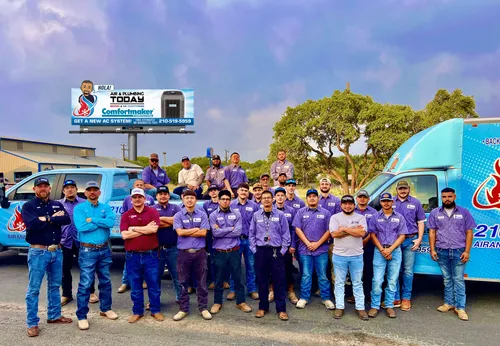
Air & Plumbing Today: HVAC Department is a comprehensive HVAC and plumbing service provider based in San Antonio, TX. They offer a wide range of services including air conditioning, furnace, and heat pump repair and installation, HVAC tune-ups, duct cleaning, thermostat installation, and indoor air quality solutions. The company is experienced in handling complex projects such as full system replacements and water softener installations, ensuring thorough diagnostics and clear communication throughout the process. Known for their professional approach, they provide detailed explanations and photo documentation of their work. Air & Plumbing Today also offers emergency and same-day services, demonstrating responsiveness to urgent needs.
Wright Home Services
6638 Topper Run, San Antonio, TX 78233
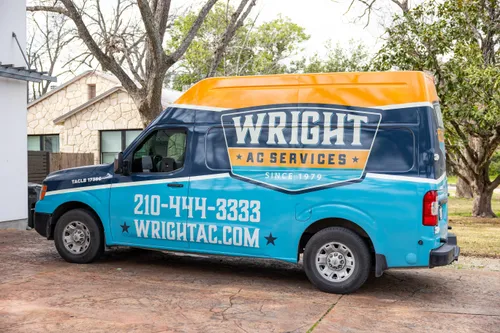
Wright Home Services is an HVAC and electrical service provider based in San Antonio, TX. They offer a wide range of heating and cooling services including air conditioner and furnace repair, installation of HVAC systems, heat pumps, mini splits, and smart thermostats. Their expertise extends to indoor air quality solutions, duct repair and replacement, and whole-home generator installations. Wright Home Services also provides electrical repairs and installations for both residential and commercial properties, ensuring systems meet code and support modern needs. Their team handles commercial HVAC and electrical projects with minimal disruption to business operations.
Understanding Your Thermostat's Role
Your thermostat does more than just set a temperature; it's the primary communication point between you and your HVAC equipment. A malfunctioning temperature control device can lead to uncomfortable rooms, short-cycling (frequent on/off cycles), and surprisingly high energy bills. In San Antonio, where summer temperatures soar, an inaccurate or unresponsive thermostat can cause your air conditioner to run excessively, straining the system and your wallet. Professional thermostat services address these core issues, restoring precise control and efficiency.
Signs You Need Thermostat Repair or Replacement
How do you know if your thermostat is the problem? Several common symptoms indicate it's time to call a specialist for thermostat troubleshooting or replacement:
- Inconsistent or Incorrect Temperatures: Rooms feel much hotter or colder than the temperature displayed. This is often due to a failing internal sensor.
- Non-Responsive Unit: The display is blank, buttons don't work, or the system doesn't turn on when adjusted. This could be a simple battery issue or a more complex wiring or power problem 1.
- Short-Cycling HVAC System: Your heater or air conditioner turns on and off every few minutes, which is inefficient and damaging to the equipment.
- High Energy Bills: An unexplained spike in your utility costs can signal that your thermostat is causing your system to run longer than necessary.
- Age: If your thermostat is over 10 years old, it may be using outdated technology that is less accurate and efficient. Replacement with a modern model is often recommended 2.
The Smart Thermostat Advantage in San Antonio
Upgrading to a Wi-Fi or smart thermostat is one of the most impactful home upgrades for San Antonio residents. These devices learn your schedule, allow remote control via smartphone, and provide detailed energy usage reports. The primary benefit is significant energy savings; by optimizing run times and allowing for easy temperature adjustments when you're away, smart thermostats can help combat the high cooling costs associated with South Texas summers. Popular, reliable models installed by local pros include Nest, ecobee, and Honeywell Lyric 3.
Professional Installation is Crucial
While some thermostats are marketed as DIY-friendly, professional installation is strongly advised. A certified technician ensures:
- Compatibility: Your new thermostat is fully compatible with your specific HVAC system (e.g., single-stage, multi-stage, or heat pump) 4.
- Proper Wiring: Correct handling of low-voltage (24-volt) wires, including identifying or installing a necessary "C-wire" for constant power that many smart models require 5.
- Ideal Placement: Installation on an interior wall, 52-60 inches above the floor, away from direct sunlight, drafts, or heat-producing appliances for accurate temperature reading 6.
- Correct Configuration: Proper setup of all system stages, fan controls, and Wi-Fi connectivity for optimal performance.
The installation process typically involves assessing the current system, safely removing the old unit, wiring the new thermostat, and configuring it with your home network, taking between 30 minutes to a few hours depending on complexity 7.
Find the perfect thermostat installation & repair companies for your needs
Get personalized recommendations and expert advice
Compatibility: The Key to a Successful Upgrade
Not every thermostat works with every HVAC system. Before purchasing a new unit, it's essential to understand your system's requirements. A professional can perform a full assessment, but here are key factors they check:
- System Type: Is it a conventional furnace and AC, a heat pump, or a multi-stage system? Heat pumps, for example, require thermostats specifically designed to manage their unique heating and cooling cycles 8.
- Voltage: Most residential systems use low-voltage (24V) control circuits, which are standard for modern thermostats.
- Wire Requirements: The presence of a "C-wire" (common wire) is critical for most smart thermostats as it provides continuous power for the display and Wi-Fi chip. If your existing wiring doesn't have one, a technician can run a new wire or install a power extender kit 9.
- Stage Configuration: Basic single-stage systems work with most thermostats. High-efficiency variable-speed or multi-stage systems require thermostats capable of controlling multiple levels of heating and cooling output 10.
What to Expect: Service and Cost Overview
Local HVAC companies in San Antonio frequently offer thermostat installation and repair, with many providing same-day or emergency service. Highly-rated providers for these specific services include companies like Will Fix It, Cowboys AC, Jon Wayne Service Company, and Beluga Air 11.
Service typically begins with a diagnostic visit to identify the issue. For repairs, common fixes include recalibrating sensors, replacing dead batteries, securing loose wiring, or replacing the entire unit if it's faulty. For installations, the technician will handle the entire process from compatibility check to final programming.
Understanding Pricing
Costs in San Antonio can vary based on the service required, the model of thermostat, and the complexity of your HVAC system. The following are general price ranges based on local market data:
- Service Call/Diagnostic Fee: Often ranges from $75 to $180, and this fee is usually applied toward the cost of the repair or installation if you proceed with the work 12.
- Thermostat Repair: For common, straightforward fixes, repair costs typically range from $75 to $240 13.
- Professional Thermostat Installation: Labor for installing a new thermostat, provided you supply the unit, generally costs between $150 and $350 14 15. This is a flat-rate price that covers the technician's time, expertise, and guarantee of correct installation.
- Full Replacement (Unit + Labor): If you need both a new thermostat and installation, total costs can range from approximately $100 for a basic model to $450 or more for a high-end smart thermostat with professional installation 16.
Maintaining Your Thermostat
After a professional installation or repair, simple maintenance can keep your thermostat working accurately:
- Gently clean the exterior with a soft, dry cloth.
- Ensure vents near the thermostat are not blowing air directly on it.
- Replace batteries annually if your model uses them, even if not prompted.
- Keep the area around the thermostat clear of furniture, curtains, or other objects that could block airflow or radiate heat.
Frequently asked questions
Sources
Footnotes
-
Thermostat Repair and Replacement in San Antonio, TX - https://jonwayne.com/cooling/thermostat-repair-replacement ↩
-
Thermostat Repair San Antonio - Climate Control - https://www.climatecontrol-sa.com/hvac-services/thermostat-repair/ ↩
-
Thermostat Installation in San Antonio, TX - Will Fix It - https://www.willfixit.com/air-conditioning/thermostats ↩
-
Is Your Thermostat Compatible With Your HVAC System? - https://www.callsinclair.com/blog/2019/september/is-your-thermostat-compatible-with-your-hvac-sys/ ↩
-
Make Sure Your Thermostat Is Compatible With Your HVAC - https://carefreecomfort.com/blog/make-sure-your-thermostat-is-compatible-with-your-hvac ↩
-
Where You Should (and Shouldn't) Install Your Thermostat - https://www.chasroberts.com/where-you-should-and-shouldnt-install-your-thermostat/ ↩
-
San Antonio Smart Thermostat Services | Tiger Home Services - https://www.tiger-services.com/air-conditioning/thermostats/ ↩
-
How to Know If Your Thermostat and HVAC System Are Compatible - https://environmentmasters.com/how-to-know-if-your-thermostat-and-hvac-system-are-compatible/ ↩
-
Will Any Smart Thermostat Work with My HVAC System? - https://www.webbselectric.com/webapp/p/590/will-any-smart-thermostat-work-with-my-hvac-system ↩
-
How to Know If Your Thermostat and HVAC System Are ... - https://environmentmasters.com/how-to-know-if-your-thermostat-and-hvac-system-are-compatible/ ↩
-
TOP 10 BEST Thermostat Repair in San Antonio, TX - Yelp - https://m.yelp.com/search?find_desc=Thermostat+Repair&find_loc=San+Antonio%2C+TX ↩
-
How Much Does AC Repair Cost in San Antonio? (2025 Guide) - https://apolloairtx.com/blog/how-much-does-ac-repair-cost-in-san-antonio/ ↩
-
How much does Thermostat repair cost? - Yelp - https://www.yelp.com/costs/thermostat_repair ↩
-
Thermostat Installation in San Antonio | Cowboys AC - https://cowboysac.com/hvac-services/thermostat-installation/ ↩
-
Thermostat Service San Antonio TX - https://www.mrwilsonair.com/thermostats ↩
-
Smart Thermostats - Energy-Saving Installation - Radiant - https://radiantplumbing.com/electricians/smart-thermostats/ ↩