Find the Best Thermostat Installation & Repair Companies for Your Business
No obligation • Fast responses • Nationwide coverage

Why you can trust HVAC Firms
HVAC Firms is a leading United States resource for evaluating HVAC service providers. Our team researches companies, checks credentials, and reviews customer feedback to present clear, unbiased information. Listings and rankings are based on merit, and companies cannot pay to change our editorial content.
Search providers near you
Top Thermostat Installation & Repair Companies in San Diego, California Ranked
Your thermostat is the command center for your home's comfort, translating your desired temperature into action for your heating and cooling system. Proper thermostat installation and expert repair are crucial for maintaining energy efficiency, consistent comfort, and the longevity of your HVAC equipment in San Diego's climate. This guide will help you understand how thermostats work, what to expect from professional services, and how to connect with qualified local specialists for your installation or repair needs.
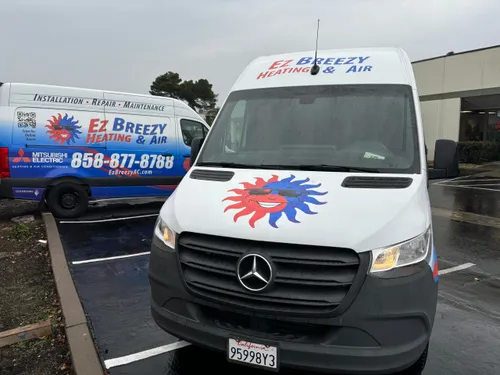
Ez Breezy Heating & Air
5160 Mercury Point Unit B, San Diego, CA 92111
Ez Breezy Heating & Air is an HVAC installation contractor based in San Diego, CA. They specialize in installing air conditioning systems, furnaces, heat pumps, mini splits, and thermostats. The company is an authorized dealer of Trane and Mitsubishi products and is recognized as a Google Nest Pro and Google Guaranteed contractor. Ez Breezy Heating & Air focuses on transparent communication and professional work to build lasting relationships with customers.
Maximum Comfort Heating and AC Repair
2733 Alpine Blvd #100, Alpine, CA 91901
Maximum Comfort Heating and AC Repair is a family-owned HVAC company serving San Diego, CA, and surrounding East County communities including Alpine, El Cajon, Descanso, and more. With over 10 years of experience, they provide air conditioning repair, installation, maintenance, and thermostat services tailored to the local climate. Their certified technicians are skilled in diagnosing and fixing common AC issues such as electrical problems, refrigerant leaks, and airflow disruptions. The company offers same-day service and 24/7 emergency repairs to ensure reliable comfort for their customers.
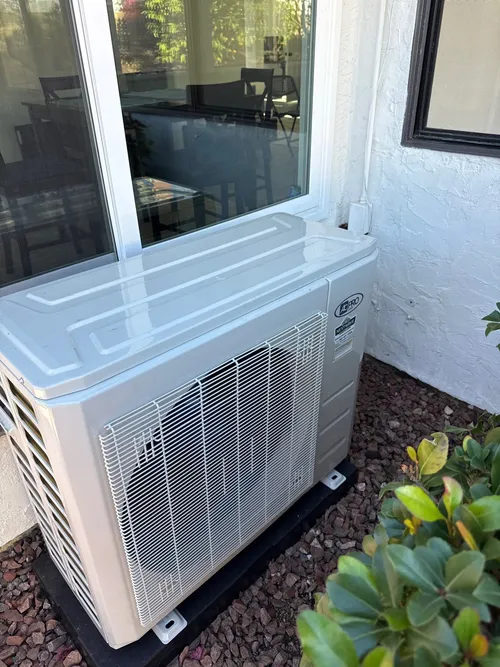
NextWave heating and air
28905 Olive Ln, Valley Center, CA 92082
NextWave Heating and Air is a family-owned HVAC company serving San Diego, CA, with over 40 years of experience. They offer a wide range of services including air conditioning, furnace, heat pump, and mini split installation and repair, as well as indoor air quality solutions. Their expertise includes custom HVAC system design for new construction and remodels, ensuring efficient and code-compliant installations. Founded in 1996 and passed down within the family, NextWave combines traditional values with modern technology to provide reliable home comfort solutions.
United Plumbing Heating Air & Electric
6767 Nancy Ridge Dr Unit C, San Diego, CA 92121
United Plumbing Heating Air & Electric is a licensed and insured company serving San Diego, CA, since 1976. They provide a wide range of services including plumbing, electrical, and HVAC repair and installation. Their HVAC services cover air conditioning, furnace, heat pump, mini split, and thermostat installation and repair. The company offers 24/7 emergency plumbing service and specializes in energy-saving solutions and preventive maintenance to enhance system efficiency and longevity. Their skilled technicians handle everything from fixing leaks and electrical upgrades to installing modern HVAC systems, ensuring homes remain comfortable year-round.
Personal Plumbing Heating & Air Conditioning
110 Copperwood Way O, Oceanside, CA 92058
Personal Plumbing Heating & Air Conditioning is a veteran-owned company based in San Diego, CA, offering plumbing, heating, and air conditioning services. They provide HVAC installation, repair, and thermostat installation, along with indoor air quality solutions. The company is licensed, insured, bonded, and NATE certified, emphasizing professional and reliable service. One of their notable capabilities includes installing the Smart Air Monitor (SAM) thermostat, which adapts to user habits and monitors air quality to enhance home comfort. Personal Plumbing Heating & Air Conditioning also offers same-day service to address urgent needs promptly.
How Your Thermostat Controls Comfort
At its core, a thermostat is a temperature-activated switch. It works through a continuous cycle of sensing and signaling to maintain your home's climate.
The Sensing & Signaling Process: A sensor inside the device constantly monitors the ambient room temperature and compares it to your set point. If the room becomes too warm or too cool, the thermostat sends a low-voltage electrical signal through a series of wires to your HVAC system-activating your air conditioner to cool or your furnace to heat. This creates a negative feedback loop, where the system's output works to correct the temperature deviation, bringing your home back to the desired setting and then shutting off, resulting in a stable, comfortable environment 1.
System Compatibility is Key: This process sounds simple, but it must be matched to your specific HVAC setup. Most San Diego homes use standard forced-air systems with a separate air conditioner and gas furnace. However, an increasing number utilize heat pumps for both heating and cooling, or dual-fuel systems that switch between a heat pump and a gas furnace. Each of these system types requires a thermostat with specific programming and wiring capabilities to function correctly 2.
Understanding Thermostat Types and Compatibility
Choosing the right thermostat isn't just about features; it's about ensuring it speaks the same "language" as your HVAC equipment. Installing an incompatible unit can lead to system damage, inefficiency, or a complete lack of function.
- Standard Thermostats: These basic, often non-programmable models are designed for conventional systems with separate air conditioning and heating (like a gas furnace). They are the most straightforward in terms of installation and operation.
- Heat Pump Thermostats: Heat pumps are a common, efficient choice in San Diego. They require specialized thermostats that can properly manage the reversing valve, which switches the system between heating and cooling modes. Using a standard thermostat on a heat pump can cause significant operational problems.
- Dual-Fuel System Thermostats: These advanced systems combine a heat pump with a gas furnace. The thermostat must be sophisticated enough to determine the most efficient heat source (the heat pump or the furnace) based on outdoor temperature and seamlessly switch between them 3.
- Smart & Wi-Fi Thermostats: Models like Nest, Ecobee, and others offer remote control via smartphone apps, learning schedules, and detailed energy reports. A critical compatibility check for these is the C-wire (common wire), which provides constant power for the display and Wi-Fi radio. Many older homes lack this wire, which can complicate a DIY installation.
What to Expect During Professional Installation
Hiring a professional for your thermostat service ensures compatibility, safety, and optimal performance. Here's a typical process for a new thermostat installation or replacement in San Diego:
- System Assessment: The technician will first identify your HVAC system type (e.g., heat pump, conventional) and examine your existing wiring at the thermostat wall plate. They will verify the presence of a C-wire if you're installing a smart model and confirm the new thermostat's compatibility with your equipment.
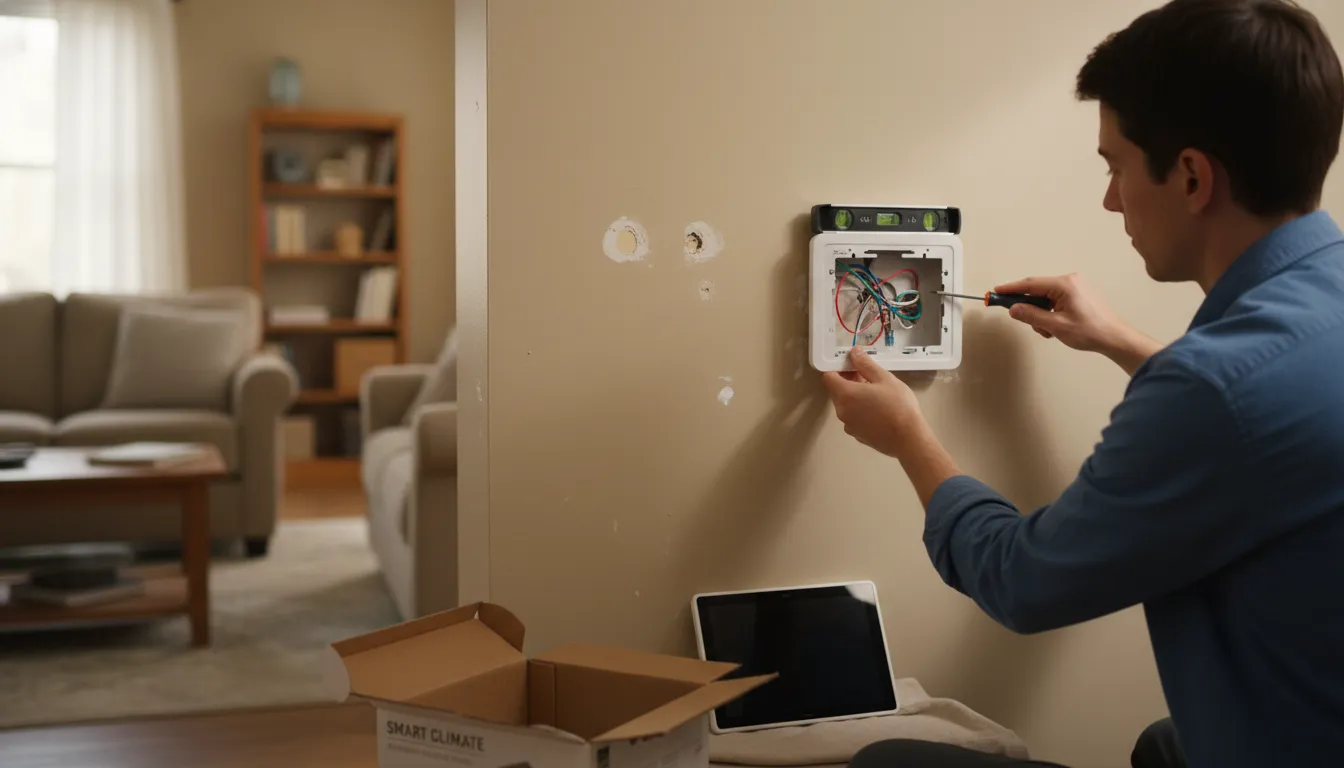
- Safe Removal & Wiring: After turning off power to the HVAC system for safety, the old thermostat is carefully disconnected. The technician then connects the low-voltage wires from your wall to the correct terminals (labeled R, C, G, Y, W, etc.) on the new thermostat's baseplate. Precise wiring is essential-a mistake here can prevent the system from working or cause damage 4.
- Mounting & Configuration: The new thermostat unit is attached to the baseplate. The technician will then restore power and configure the device. This includes setting the system type in the thermostat's programming, connecting it to your home Wi-Fi network, establishing heating/cooling schedules, and calibrating the temperature sensor for accuracy. A full professional installation typically takes 30 to 60 minutes.
- Customer Walkthrough: A reputable professional will always walk you through the basic functions of your new thermostat, showing you how to adjust settings, create schedules, and use any app features. This ensures you can immediately start benefiting from your investment.
Common Repair Issues and Troubleshooting
Not all thermostat problems require a full replacement. Often, issues stem from simple, fixable causes. Before calling for service, you can check a few things:
- Check Settings & Batteries: Ensure the thermostat is set to "Heat" or "Cool" (not "Off") and that the temperature setting is correct. For models with batteries, try replacing them, as a low battery can cause erratic behavior or a blank screen 5.
- Tripped Circuit Breaker: Check your home's electrical panel to see if the breaker for the HVAC system or furnace has tripped.
- Dirt and Debris: Gently remove the thermostat cover and use a soft brush or compressed air to clean any accumulated dust on the interior components, which can interfere with the mechanical switch or sensor.
If these steps don't resolve the issue, you likely need professional repair. A technician can diagnose problems like a faulty temperature sensor, internal wiring failure, or incorrect calibration. Sometimes, the issue isn't the thermostat at all but a problem within the HVAC system itself, which a pro can accurately identify 6. Repair costs vary, but a basic service call for diagnosis and minor fixes often ranges from $100 to $200, with the price increasing if a full unit replacement is necessary 7.
Find the perfect thermostat installation & repair companies for your needs
Get personalized recommendations and expert advice
Local Thermostat Service Providers in San Diego
San Diego residents have access to several established companies specializing in thermostat services. These providers can handle everything from compatibility assessments to complex installations for advanced systems.
- Baker Home Energy: This provider emphasizes energy-efficient solutions, offering professional installation and replacement services with a focus on ensuring your new thermostat maximizes your HVAC system's performance.
- Mauzy Heating & Air: Their certified technicians provide full installation services, including system setup, Wi-Fi configuration, and comprehensive customer walkthroughs to explain all features of your new device 8.
- Anderson Plumbing, Heating & Air: They offer a range of thermostat services including calibration, replacement, and upgrades, helping to resolve comfort issues and improve system control.
Investment and Value of Professional Service
The cost of thermostat services in San Diego reflects the expertise, guarantee of compatibility, and quality of installation. For the installation of a new smart or advanced energy-efficient thermostat, including the unit and professional labor, homeowners can expect a general range of $150 to $5009 10. The final price depends on the thermostat model's complexity and any required wiring updates, such as adding a C-wire.
While DIY installation kits are available, the value of professional service is significant. A pro ensures the job is done correctly the first time, preventing potential damage to your expensive HVAC equipment. They also handle any unexpected wiring challenges and provide a warranty on their workmanship. For systems beyond a basic single-stage furnace and AC-especially heat pumps, multi-stage systems, or dual-fuel setups-professional installation is strongly recommended 11.
Frequently asked questions
Sources
Footnotes
-
Energy Saving HVAC Thermostats Explained - Tameson.com - https://tameson.com/pages/hvac-thermostat ↩
-
How Negative Feedback Loops Keep Systems in Check - The Speaker Lab - https://thespeakerlab.com/blog/negative-feedback-loop/ ↩
-
How to Know If Your Thermostat and HVAC System Are Compatible - https://environmentmasters.com/how-to-know-if-your-thermostat-and-hvac-system-are-compatible/ ↩
-
How to Install a Thermostat | The Home Depot - https://www.youtube.com/watch?v=1_TxXw-NvVY&t=138 ↩
-
6 Important Things to Check Before Scheduling a Service Call - https://acmasters.com/6-things-to-check-before-scheduling-a-service-call/ ↩
-
Bad Thermostat or HVAC Problem? How to Tell the Difference - https://airdocsac.com/blog/bad-thermostat-or-hvac-problem/ ↩
-
Thermostat Services in San Diego - https://www.andersonplumbingheatingandair.com/heating/thermostats/ ↩
-
Thermostat Installation | San Diego, CA - Mauzy - https://mauzy.com/services/thermostats/ ↩
-
San Diego Thermostat Installation - Baker Home Energy - https://bakerhomeenergy.com/ac-services/thermostat-installation/ ↩
-
Smart Thermostat Installation Cost | Smart Thermostat Prices - https://www.fixr.com/costs/smart-thermostat-installation ↩
-
DIY vs Professional Installation for a Smart Thermostat - https://dcair.ca/diy-or-professional-installation-how-to-choose-the-best-option-for-your-smart-thermostat/ ↩