Find the Best Mini-Split Installers for Your Business
No obligation • Fast responses • Nationwide coverage

Why you can trust HVAC Firms
HVAC Firms is a leading United States resource for evaluating HVAC service providers. Our team researches companies, checks credentials, and reviews customer feedback to present clear, unbiased information. Listings and rankings are based on merit, and companies cannot pay to change our editorial content.
Search providers near you
Best Mini-Split Installers in Wisconsin Ranked
A ductless mini-split system is an efficient heating and cooling solution perfect for Wisconsin homes, offering targeted comfort in additions, sunrooms, or rooms with uneven temperatures. Professional installation is crucial for performance, safety, and accessing significant financial incentives. This guide provides essential information on the process, costs, regulations, and available rebates to help you make an informed decision and connect with qualified local professionals.
Professional Services Heating, AC & Electric Repair
113 Riverview Dr, Thiensville, WI 53092
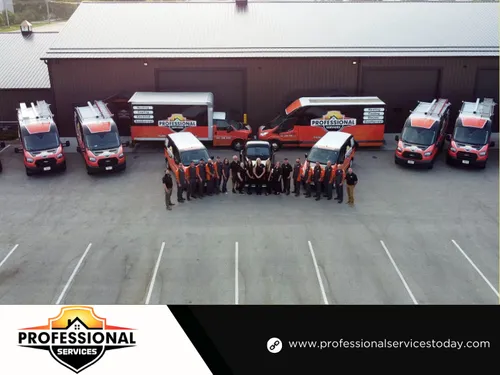
Professional Services Heating, AC & Electric Repair is an HVAC company serving Milwaukee, WI, and the surrounding Ozaukee and Washington counties. They provide a range of heating and cooling services including furnace, heat pump, boiler, and geothermal system repair and installation. The company is equipped to handle both standard and high-efficiency furnaces, as well as ductless split systems. They emphasize practical advice and offer warranties on parts and labor. Professional Services also offers 24/7 emergency service to address urgent heating and cooling needs.
Absolute Comfort HVAC LLC
W220N1560 Jericho Ct, Waukesha, WI 53186
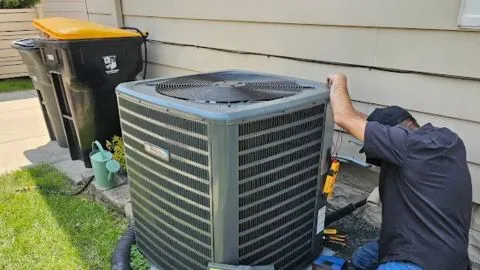
Absolute Comfort HVAC LLC provides heating, cooling, and ventilation services in Milwaukee, WI. They offer maintenance, repair, and installation for air conditioners, furnaces, boilers, mini splits, and indoor air quality systems. The company serves residential, commercial, light commercial, and new construction clients across multiple nearby communities. Their capabilities include HVAC tune-ups and installation of inverter and rooftop units. Absolute Comfort HVAC LLC covers a wide service area including Waterford, Waukesha, Brookfield, and surrounding locations.
Burkhardt Heating, Cooling, Plumbing & Electric
405 N Calhoun Rd, Brookfield, WI 53005
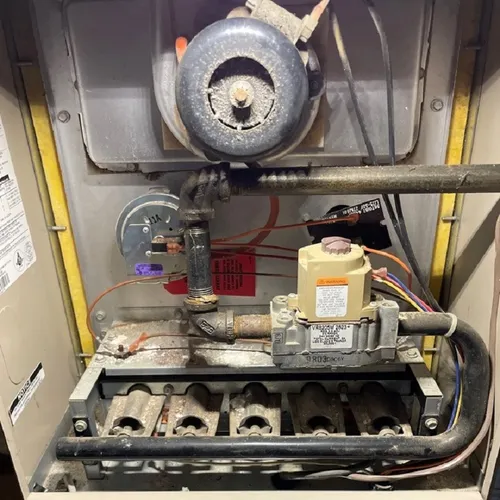
Burkhardt Heating, Cooling, Plumbing & Electric serves Milwaukee, WI, offering comprehensive HVAC services including installation, repair, and maintenance of air conditioners, furnaces, boilers, heat pumps, and mini-split systems. They provide tailored heating and cooling solutions with capabilities such as advanced zoning systems and smart thermostat integration to enhance home comfort and energy efficiency. With over 60 years of experience, Burkhardt focuses on customized service to meet unique home needs throughout the year.
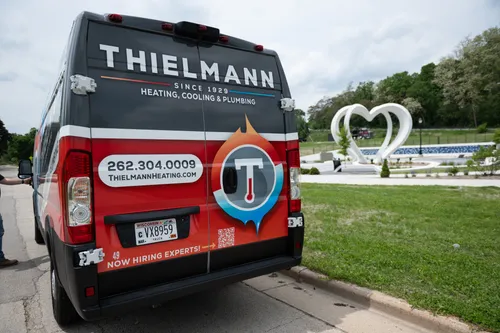
Thielmann Heating, Cooling & Plumbing
11512 N Port Washington Rd Suite 201K, Mequon, WI 53092
Thielmann Heating, Cooling & Plumbing is a well-established HVAC and plumbing company serving Milwaukee, WI, and the surrounding Southeast Wisconsin area. With nearly a century of experience since 1929, they provide a wide range of services including furnace and air conditioning repair, installation of heat pumps and mini-split systems, and routine HVAC tune-ups. Their team is licensed, insured, and NATE-certified, offering same-day and emergency services to ensure year-round home comfort. Thielmann also provides plumbing solutions, addressing issues from slow drains to water heater installations with a focus on lasting workmanship.
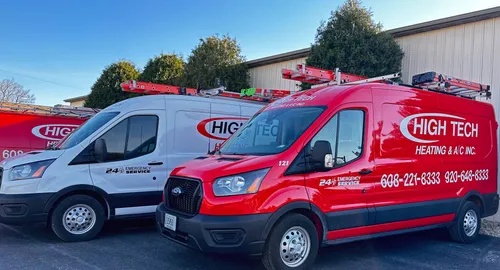
High Tech Heating & A/C, Inc.
2395 E Cottage Grove Rd, Cottage Grove, WI 53527
High Tech Heating & A/C, Inc. is a family owned heating and air conditioning company serving Madison, WI, and surrounding areas. Established in 1986, they provide installation, repair, and maintenance services for heating systems, air conditioners, boilers, and indoor air quality products. Their services include furnace and mini split installation, HVAC tune-ups, and air purification solutions. Known for offering 24-hour emergency service, High Tech Heating & A/C emphasizes long-term system reliability and whole home comfort.
Understanding Mini-Split Systems
Ductless mini-split systems consist of an outdoor compressor/condenser unit connected to one or more indoor air-handling units via a small conduit. This design eliminates the need for extensive ductwork, making them ideal for older homes, room additions, or spaces where extending traditional HVAC is impractical. In Wisconsin, they provide both efficient cooling in summer and effective heat pump heating in milder winter conditions, often serving as a primary or supplemental comfort system.
The key advantages for Wisconsin homeowners include:
- Zoned Comfort: Control the temperature in individual rooms or zones, saving energy by not conditioning unused spaces.
- High Efficiency: Modern models, especially ENERGY STAR certified ones, have high SEER (Seasonal Energy Efficiency Ratio) and HSPF (Heating Seasonal Performance Factor) ratings, leading to lower utility bills.
- Flexible Installation: The small conduit requires only a 3-inch hole in the wall, minimizing structural impact.
- Improved Air Quality: Multi-stage filtration in indoor units can reduce dust, allergens, and other particulates.
Wisconsin Regulations: Permits, Codes, and Licensing
Installing a mini-split is not a simple DIY project in Wisconsin. State and local regulations ensure safety and system performance.
Permits Are Typically Required
Most municipalities in Wisconsin require permits for mini-split installation. You will likely need both a mechanical permit for the refrigerant lines and a separate electrical permit for the new circuit and wiring. The permitting process allows your local building department to review the plans and perform inspections to verify the work meets code. Always contact your local building department to confirm specific requirements before work begins.
Adherence to State and Local Codes
Installations must comply with the Wisconsin Electrical Code and any local amendments. This governs proper wiring methods, circuit sizing, and the installation of required safety disconnects near the outdoor unit 1 2. Proper refrigerant handling, as per EPA Section 608 regulations, is also mandatory.
The Importance of Professional Licensing
Hiring a licensed HVAC contractor is strongly recommended and often legally required for pulling permits. A licensed professional ensures the system is sized correctly, installed to code, and that all refrigerant work is handled safely. They manage the permit process and coordinate necessary inspections, protecting you from liability and future issues when selling your home.
The Professional Installation Process
A proper installation by a qualified technician follows several critical steps to ensure optimal efficiency and longevity.
- Professional Assessment and Load Calculation: A technician will perform a Manual J load calculation, considering your home's square footage, insulation, windows, and other factors to determine the exact capacity (in BTUs) needed for each zone. Incorrect sizing leads to poor performance, higher costs, and reduced comfort 3.
- Strategic Unit Placement: The indoor units (heads) are placed for optimal airflow and aesthetics, typically high on a wall. The outdoor condenser is located on a stable pad with adequate clearance for airflow and service access, considering noise for neighboring properties 4.
- Electrical Work: Mini-splits require a dedicated electrical circuit from your main panel. This often involves running new wiring and installing an outdoor AC disconnect switch, which is a code requirement for safety during servicing.
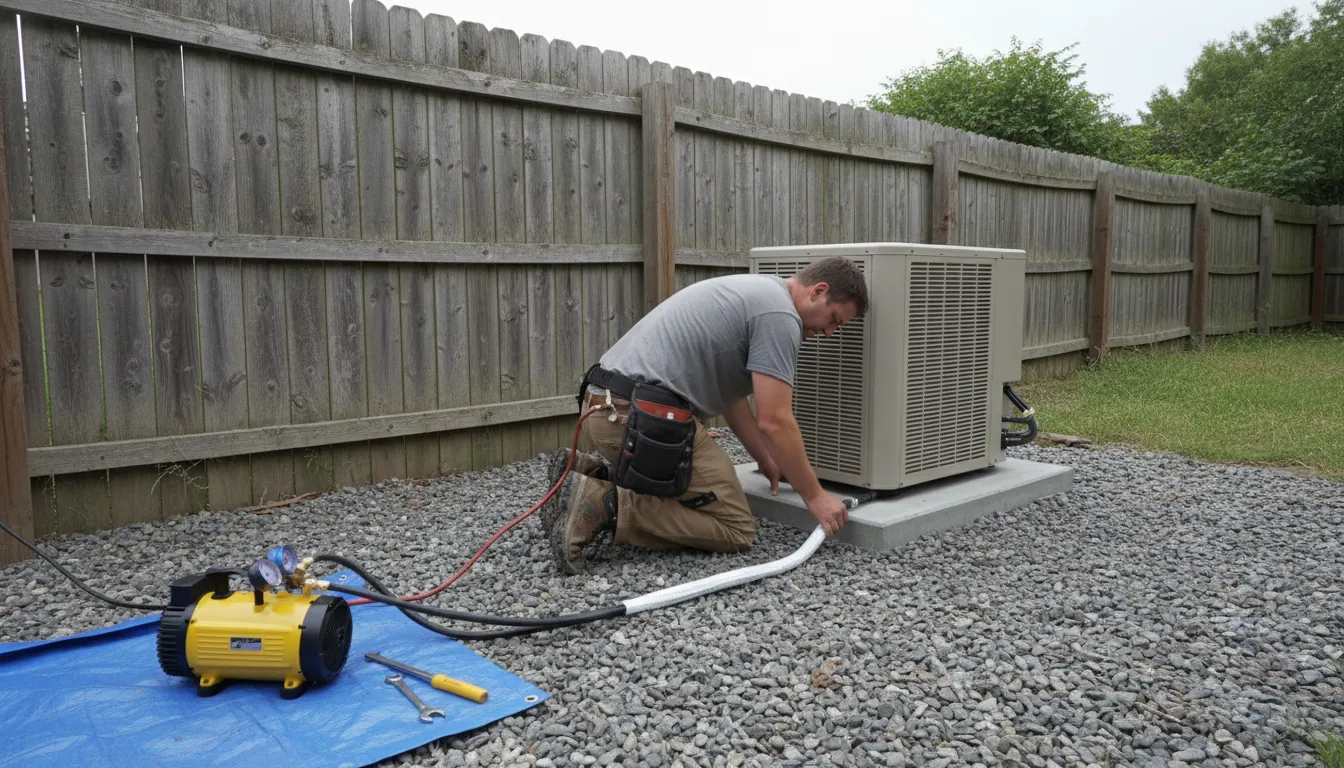
- System Installation & Commissioning: The technician will mount the units, drill a small hole for the conduit, connect the refrigerant lines, and pull a vacuum on the system to remove moisture and air. Finally, they will charge the system with refrigerant, test all functions, and demonstrate the controls.
Find the perfect mini-split installers for your needs
Get personalized recommendations and expert advice
Financial Incentives and Rebates in Wisconsin
One of the most compelling reasons to install an energy-efficient mini-split in Wisconsin today is the availability of significant financial incentives from state and federal programs.
Federal Tax Credits (Inflation Reduction Act)
The IRA provides a tax credit of up to $2,000 for the installation of a qualifying energy-efficient heat pump, which includes ductless mini-splits. The credit is 30% of the project cost, with a maximum annual benefit of $2,000. The installed equipment must meet specific efficiency tiers (e.g., ENERGY STAR certification) 5. You claim this credit when filing your federal income taxes.
Focus on Energy Rebates
Wisconsin's Focus on Energy program works with utilities to offer rebates for energy-efficient upgrades. Income-qualified homeowners may be eligible for substantial rebates on high-efficiency HVAC equipment, including mini-splits. The availability and amount depend on your utility provider and household income.
HEEHRA Rebates (Coming Soon)
The Home Energy Efficiency and Electrification Rebates Act (HEEHRA), also part of the IRA, will provide point-of-sale rebates administered by states. For low- and moderate-income households, these rebates could cover up to $8,000 for a heat pump installation. These are expected to become available in Wisconsin through trained and registered contractors 6 7.
> Pro Tip: To maximize these incentives, choose an ENERGY STAR certified model and work with a contractor who is familiar with the application processes for these programs.
Cost Considerations for Wisconsin Homeowners
The total cost of a mini-split installation in Wisconsin varies based on system complexity and home specifics.
- Single-Zone System: Installing one indoor unit with one outdoor compressor typically ranges from $2,000 to $5,000 before incentives.
- Multi-Zone System: Installing one outdoor unit that supports two, three, or four indoor heads ranges from $5,000 to $15,000 or more, depending on the home's layout and electrical requirements 8 9.
- Key Cost Factors: The final price is influenced by the number of zones, system efficiency rating (higher SEER/HSPF costs more upfront), the complexity of electrical work needed, and the contractor's labor rates. Remember, the higher upfront cost of a high-efficiency unit is often offset by greater utility savings and larger rebates or tax credits.
Finding a Qualified Installer in Wisconsin
Taking the time to find the right professional is the most important step. Start by searching for licensed HVAC contractors in your area with specific experience in ductless systems. Read reviews, ask for references, and obtain detailed written estimates from at least three companies. A reputable contractor will perform a load calculation, discuss placement options, explain the permit process, and provide a clear breakdown of costs and eligible rebates 10.
Frequently asked questions
Sources
Footnotes
-
Do Mini Splits Need Permits? Installation Requirements Guide - https://www.greecomfort.com/news-and-events/do-mini-splits-need-permits/ ↩
-
Mini-Split Installation in Port Washington, WI Ductless - https://www.alianceheatandcool.com/mini-split/mini-split-installation-port-washington-wi ↩
-
Mini Split - 3 Things I Wish I Knew Before Installing - https://www.youtube.com/watch?v=b67w0gEqHe8 ↩
-
Mini-Split Installation Services in Burlington, WI - HJ Faust, Inc - https://hjfaust.com/residential/cooling/minisplit-systems/installation/ ↩
-
Explore Discounts & Mini Split Tax Credits in 2025 - Carrier - https://www.carrier.com/residential/en/us/products/ductless-mini-splits/tax-credits/ ↩
-
Energy & HVAC Rebates/Incentives for Wisconsin Homeowners - https://www.allcomfortservices.com/blog/wisconsin-energy-hvac-rebates-incentives/ ↩
-
Rebates and Incentives | Kilowatt Heating, Air Conditioning & Electric - https://www.kilowatthvac.com/savings/rebates-and-incentives/ ↩
-
Mini-Split Systems: FAQs for Wisconsin Homeowners - https://martensheating.com/mini-split-systems-faqs-wisconsin/ ↩
-
Understanding the Cost of a New HVAC System: 2026 Guide - https://www.budgetheating.com/understanding-the-cost-of-a-new-hvac-system-guid/ ↩
-
Do You Need a Permit to Install a Mini Split? Find Out Now - https://www.edsheatingandcooling.com/blog/do-you-need-a-permit-to-install-a-mini-split-find-out-now/ ↩