Find the Best Mini-Split Installers for Your Business
No obligation • Fast responses • Nationwide coverage

Why you can trust HVAC Firms
HVAC Firms is a leading United States resource for evaluating HVAC service providers. Our team researches companies, checks credentials, and reviews customer feedback to present clear, unbiased information. Listings and rankings are based on merit, and companies cannot pay to change our editorial content.
Search providers near you
Top Mini-Split Installers in Bremerton, Washington Ranked
A ductless mini-split system is a versatile and efficient solution for heating and cooling specific areas of your home without the need for extensive ductwork. This type of installation is particularly valuable in Bremerton for adding comfort to room additions, older homes without ducts, or creating independent temperature zones. The following guide explains how these systems work, what to expect during installation, and how you can find qualified local professionals to assess your needs.
Energy Saver Solutions Inc - HVAC & Insulation W Seattle
4402 40th Ave SW, Seattle, WA 98116
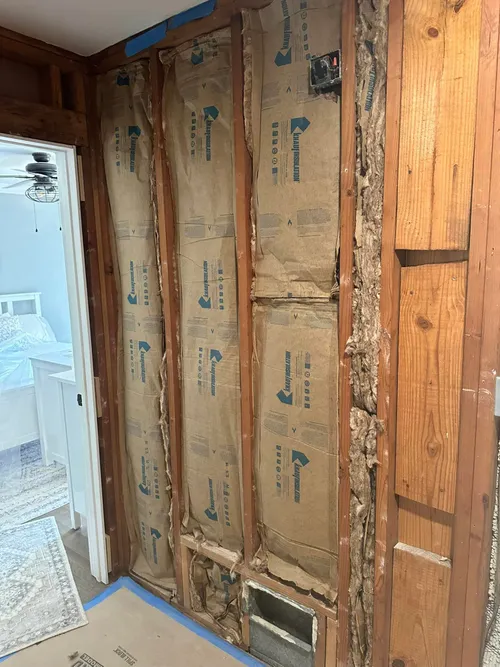
Energy Saver Solutions Inc - HVAC & Insulation W Seattle provides a range of HVAC services in Seattle, WA. They specialize in air conditioning repair, HVAC installation, boiler and mini split installation, as well as indoor air quality services. The company offers expert attic and crawl space insulation to improve energy efficiency and comfort. With over 30 years of industry experience, Energy Saver Solutions also performs carbon monoxide checks to ensure safety. They provide 24/7 emergency service and are available year-round to support heating and cooling needs in all weather conditions.
Energy Saver Solutions Inc - HVAC & Insulation SW Seattle
1414 SW 114th St, Seattle, WA 98146
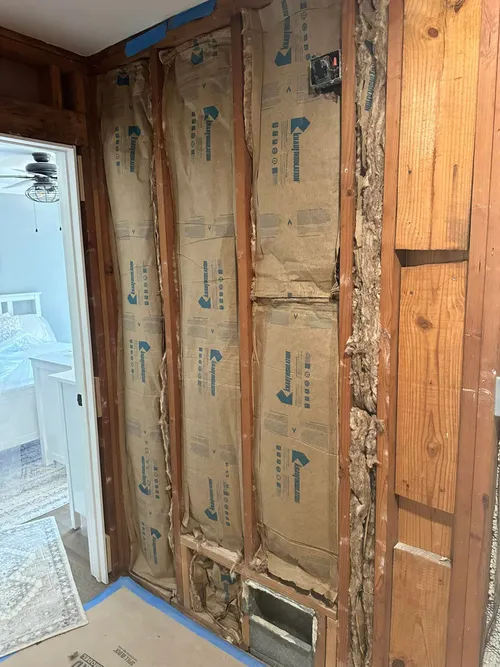
Energy Saver Solutions Inc - HVAC & Insulation SW Seattle provides comprehensive HVAC and insulation services in Seattle, WA. They specialize in air conditioning repair, HVAC and boiler installation, mini split systems, and indoor air quality services. The company offers expert attic and crawl space insulation to improve energy efficiency and comfort. With over 30 years of industry experience, they also provide carbon monoxide testing and 24/7 emergency service availability to address urgent heating and cooling needs.
Columbia Heating & Air
6811 S 204th St, Kent, WA 98032
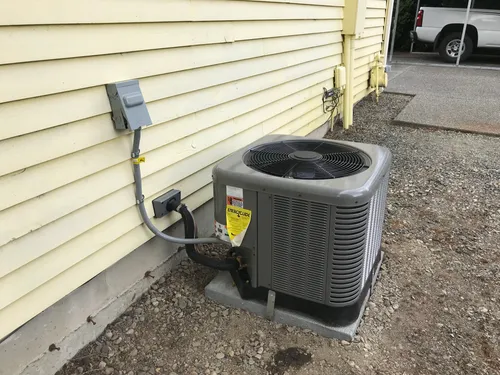
Columbia Heating & Air is an HVAC contractor based in Seattle, WA, serving King and Pierce counties. Founded in 1969, the company specializes in residential heating and cooling services including installation and repair of gas heating, air conditioning, heat pumps, ductless mini splits, and indoor air quality systems. They employ licensed and certified technicians and have been recognized as an A-Plus™ dealer by a leading manufacturer. Columbia Heating & Air offers evening and weekend service options for added convenience.
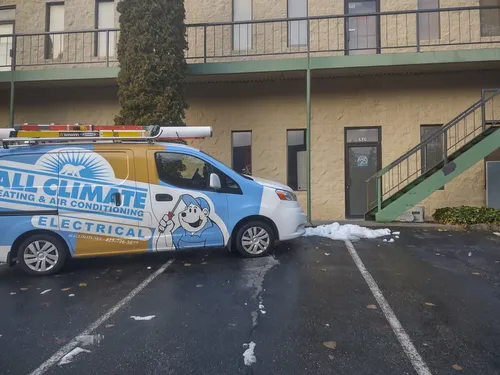
All Climate Heating & Air Conditioning
22313 70th Ave W Suite L7C, Mountlake Terrace, WA 98043
All Climate Heating & Air Conditioning is a family-owned HVAC company serving Seattle, WA, and the Greater Eastside areas since 1993. They provide a full range of heating and cooling services, including installation, repair, maintenance, and duct cleaning. As a Bryant authorized dealer, they offer energy-efficient heating and cooling equipment and employ NATE-certified technicians to ensure expert service. The company emphasizes careful workmanship and adherence to all codes and standards, with a lifetime workmanship warranty and extended factory warranties available on most equipment.
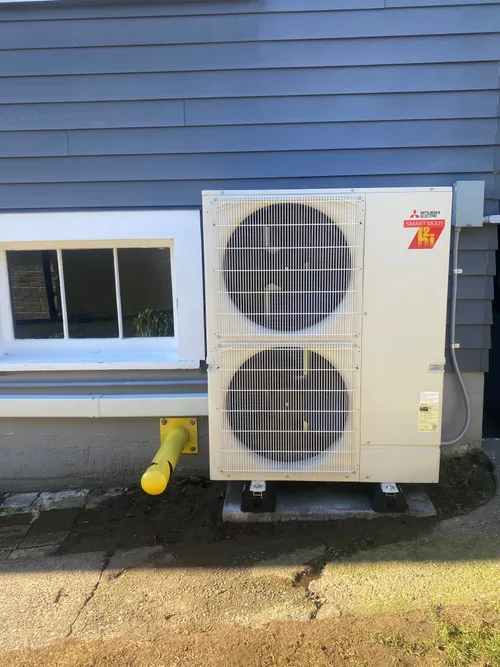
Progressive Comfort Solutions
129 NW 85th St Ste B, Seattle, WA 98117
Progressive Comfort Solutions is a Seattle-based contractor specializing in the design and installation of energy-efficient heat pump systems. Serving Seattle, WA, they focus on Mitsubishi Electric heat pump products, including ductless mini-splits and ducted systems, tailored for residential and commercial properties. Established in 2010, the company operates with a fully in-house technical team and offers personalized system designs to improve comfort and reduce energy use. They provide flexible scheduling and assist customers with financing options and available rebates.
How Ductless Mini-Split Systems Work
A ductless system, often called a mini-split, connects a single outdoor condenser unit to one or more indoor air handlers via small, flexible refrigerant lines and electrical wiring. This setup eliminates the need for bulky ductwork, making it an ideal retrofit solution. The indoor units, or "heads," are mounted on walls or ceilings and provide targeted heating and cooling directly to the space they occupy. Each indoor unit can be controlled independently, allowing for personalized comfort in different rooms-a feature known as zoned climate control.
The core technology involves a heat pump that transfers heat energy either into or out of your home. In cooling mode, it absorbs heat from indoor air and releases it outside. In heating mode, the process reverses, efficiently extracting heat from the outdoor air to warm your interior. This method of heat transfer is significantly more energy-efficient than traditional electric resistance heating, which can lead to noticeable savings on your energy bills, especially in Bremerton's climate.
Applications: Where Mini-Splits Shine in Bremerton Homes
Ductless installations are not a one-size-fits-all solution, but they excel in specific scenarios common in our area. They are a perfect match for older Bremerton homes, charming craftsman bungalows, or historic properties that were built without any central ductwork. Installing traditional forced-air systems in these homes would require invasive and costly construction to add ducts, whereas a mini-split system requires only a small, three-inch hole for the conduit.
Other prime applications include:
- Room Additions & Sunrooms: Adding a new bedroom, office, or enclosed porch without extending your existing HVAC system.
- Garage Conversions: Creating a comfortable workshop, gym, or living space in a previously unconditioned garage.
- Hot/Cold Spot Remediation: Providing supplemental cooling or heating to rooms that your central system struggles to reach.
- Whole-House Comfort: Using a multi-zone system to provide efficient, zoned temperature control throughout an entire home, which can be more efficient than a single central system 1.
System Types: Single-Zone vs. Multi-Zone
Understanding the two primary configurations is key to planning your project.
Single-Zone Systems This is the most straightforward setup, consisting of one outdoor condenser connected to a single indoor air handler. It's designed to condition one specific area, such as a master bedroom, home office, or living room. A single-zone system is an excellent and cost-effective choice for targeted comfort where ductwork is impractical.
Multi-Zone Systems A multi-zone system uses a single, more powerful outdoor unit that connects to multiple indoor air handlers-typically between two and eight or more. Each indoor unit operates independently, allowing you to set different temperatures for the kitchen, bedrooms, and living room simultaneously. This provides whole-house comfort with superior energy efficiency, as you only condition the rooms you are using. While the upfront cost is higher than a single-zone, the per-zone cost decreases, and the zoning flexibility can lead to greater long-term savings.
Critical Installation Considerations: Placement and Planning
Proper placement of both the indoor and outdoor units is crucial for performance, efficiency, and longevity. An experienced installer will conduct a thorough site assessment to determine the optimal locations.
Indoor Unit Placement Wall-mounted indoor units should be placed high on an interior wall, typically with about six inches of clearance from the ceiling and side walls to ensure proper airflow. The location should be central to the zone it's serving and away from direct sunlight, heat sources, and obstructions like tall furniture or curtains that could block airflow. The goal is to allow the conditioned air to circulate evenly throughout the room without creating drafts in a single spot.
Outdoor Unit Placement The outdoor condenser requires careful siting. It needs ample clearance-usually at least six inches on all sides and several feet above-for adequate airflow and heat exchange 2 3. It should be placed on a stable, level pad away from bedroom windows, patios, and dryer or bathroom exhaust vents to prevent noise disturbance and airflow interference. Good drainage is also essential to prevent water accumulation and potential ice buildup in winter 3.
Find the perfect mini-split installers for your needs
Get personalized recommendations and expert advice
Understanding Installation Costs in Bremerton
The cost of a ductless mini-split installation in Bremerton can vary widely based on the system's scope and complexity. Here's a general breakdown of what you might expect:
- Single-Zone System: Installing one indoor unit with one outdoor condenser typically ranges from $2,000 to $5,000, including equipment and professional installation 4 5.
- Multi-Zone System (2-3 zones): For a system with two or three indoor heads, costs generally start around $5,500 and can range up to $9,500 or more. Each additional zone often adds $1,500 to $3,000 to the total project cost 6 7.
- Whole-Home System (4+ zones): A comprehensive ductless solution for an entire house can range from $8,000 to $15,000 or higher, depending on the home's size, layout, and the efficiency of the equipment selected 8 9.
Factors Influencing Your Final Price
Several key elements will determine where your project falls within these price ranges:
- Number of Zones & Capacity: More indoor units and a larger-capacity outdoor unit increase material costs 10.
- System Efficiency (SEER2 Rating): Higher-efficiency models with superior SEER2 ratings for cooling and HSPF ratings for heating have a higher upfront cost but offer lower operating costs 11 12.
- Equipment Brand: Premium brands often command higher prices for perceived reliability, features, and warranty support.
- Installation Labor & Complexity: This is a significant variable. Factors include the length of the refrigerant line sets, the need for new electrical circuits or a sub-panel, the difficulty of running lines through walls and between floors, and whether a crane is needed for outdoor unit placement.
- Local Permits & Codes: Bremerton may require permits for electrical and mechanical work, and fees for these are typically included in the installation quote.
- Site-Specific Challenges: Unique aspects of your home, such as a difficult-to-access installation site, old wiring that needs upgrading, or special aesthetic considerations, can affect the final price.
The Professional Installation Process
A proper ductless mini-split installation is a job for certified HVAC professionals. The process generally follows these steps:
- Load Calculation & Design: A technician will perform a Manual J calculation to determine the precise heating and cooling needs (in BTUs) for each zone, ensuring correctly sized equipment.
- Equipment Selection: Based on the calculation, they will recommend a system type (single/multi-zone), capacity, and efficiency level that matches your home and budget.
- Mounting the Units: The indoor wall brackets and outdoor pad or mounting brackets are securely installed.
- Running the Line Set: A small hole is drilled through the exterior wall. The refrigerant tubing, electrical wiring, and condensate drain line are connected between the indoor and outdoor units 13.
- Electrical Connections: The outdoor unit is connected to a dedicated electrical circuit from your home's main panel.
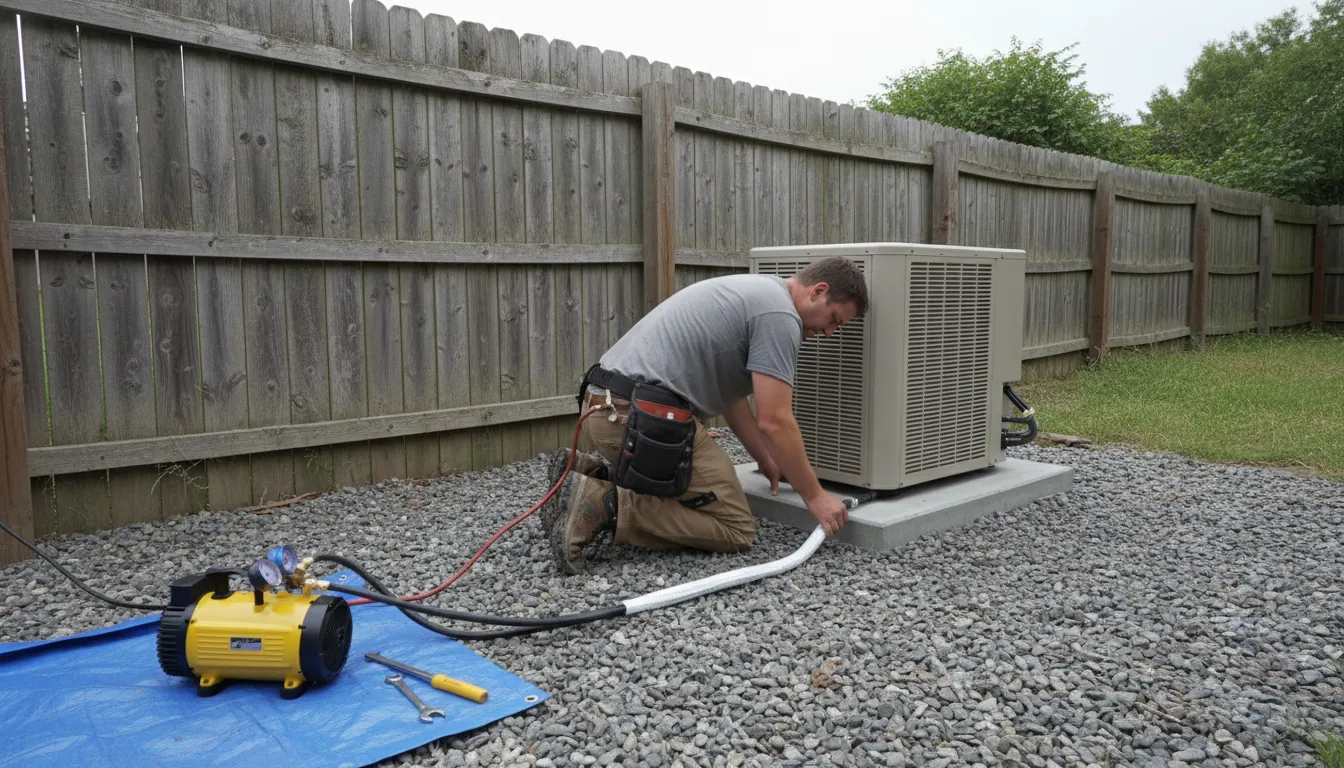
- Vacuum & Charge: The refrigerant lines are evacuated of air and moisture using a vacuum pump before the precise amount of refrigerant is charged into the system-a critical step for efficiency and longevity 14.
- Testing & Commissioning: The system is started, and all functions (heating, cooling, fan speeds, thermostats) are tested to ensure proper operation. The installer will also explain basic operation and maintenance.
Frequently asked questions
Sources
Footnotes
-
Whole House Ductless Mini Split Walk Through - https://www.youtube.com/watch?v=lDwutt_ywsA&t=2 ↩
-
Mini-Split Placement Guide: Best and Worst Spots for Installation - https://gulfshorecooling.com/mini-split-placement-guide/ ↩
-
Single- and Multi-Zone Outdoor Unit Installation for Winter Conditions - https://assets.ajmadison.com/ajmadison/itemdocs/LD097HV4-winter-installation.pdf ↩ ↩2
-
Ductless Mini-Split Installation Cost in 2025: Full Breakdown - https://osborneheatingncooling.com/ductless-mini-split-installation-cost/ ↩
-
How Much Does It Cost to Install a Mini Split System? - https://elementairco.com/how-much-does-it-cost-to-install-a-mini-split-system/ ↩
-
Understanding mini split installation costs: A quick guide - Homeaglow - https://www.homeaglow.com/hub/content/mini-split-installation-cost ↩
-
Cost to Install Mini Split AC System in 2025 - https://dellahome.com/blogs/della-blog/cost-to-install-mini-split-ac-system ↩
-
Ductless Mini Split Setup: An Ultimate Guide - Airflow Heating & Air - https://www.goairflow.com/blog/ductless-mini-split-installation/ ↩
-
How Much is an HVAC System for a 2000 Sq Ft House? - https://refreshedhvac.com/2025/07/10/cost-for-hvac-system-for-2000-sq-ft-house/ ↩
-
Ductless Mini-Splits: A Comprehensive Cost Breakdown | Fire & Ice - https://indoortemp.com/resources/cost-of-mini-split-ductless-system ↩
-
Ductless Mini Split Installation Costs in 2026 - Carrier - https://www.carrier.com/residential/en/us/products/ductless-mini-splits/ductless-mini-split-installation-cost/ ↩
-
How to Install a Mini Split - The Home Depot - https://www.homedepot.com/c/ah/how-to-install-a-mini-split/9ba683603be9fa5395fab90c887a9dd ↩
-
How to Install a Ductless Mini-Split Air Conditioner | This Old ... - https://www.youtube.com/watch?v=ozaw9QhxkQU&t=25 ↩
-
DIY Mini Split Install - All the Things Nobody Shows You - https://www.youtube.com/watch?v=2mKwCmaR5Qg&t=16 ↩