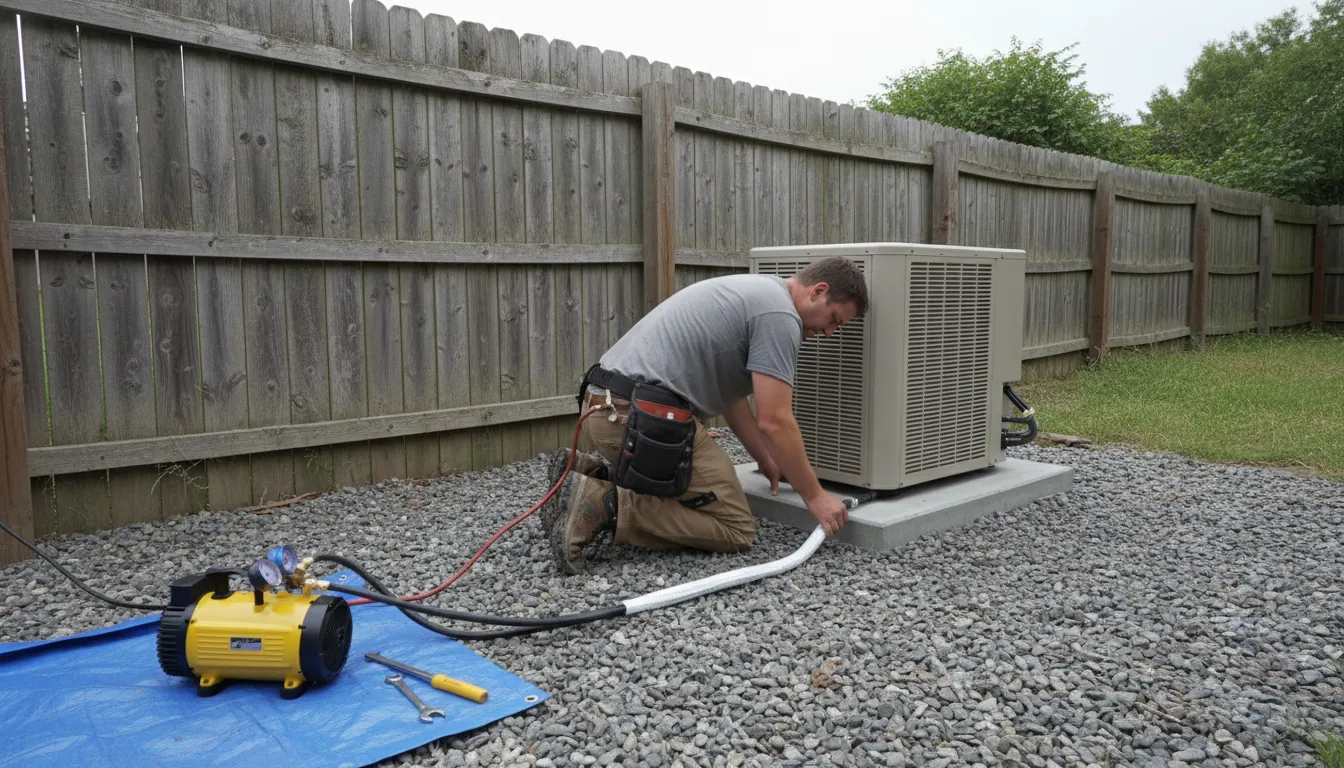
Find the Best Mini-Split Installers for Your Business
No obligation • Fast responses • Nationwide coverage

Why you can trust HVAC Firms
HVAC Firms is a leading United States resource for evaluating HVAC service providers. Our team researches companies, checks credentials, and reviews customer feedback to present clear, unbiased information. Listings and rankings are based on merit, and companies cannot pay to change our editorial content.
Search providers near you
Best Mini-Split Installers in Washington Ranked
Installing a ductless mini-split system is a popular and efficient way to add heating and cooling to homes across Washington. These systems are ideal for older homes without ductwork, room additions, or for creating independent temperature zones. A proper installation is critical for safety, efficiency, and ensuring your system performs as designed for years to come. This guide explains the key regulations, best practices, and considerations for Washington homeowners, helping you understand what to look for in a qualified installation professional.
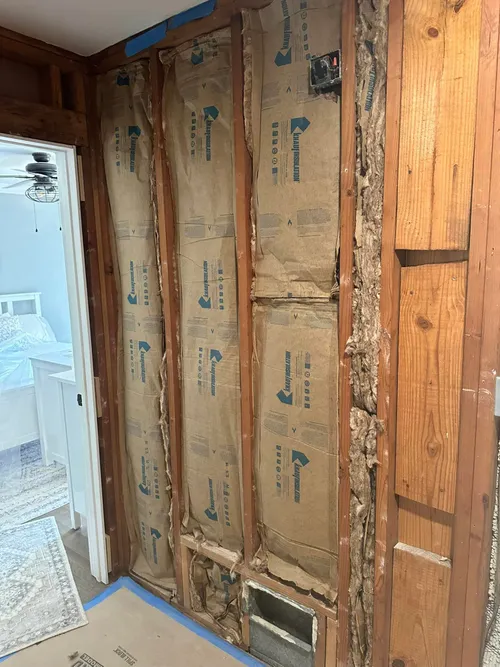
Energy Saver Solutions Inc - HVAC & Insulation W Seattle
4402 40th Ave SW, Seattle, WA 98116
Energy Saver Solutions Inc - HVAC & Insulation W Seattle provides a range of HVAC services in Seattle, WA. They specialize in air conditioning repair, HVAC installation, boiler and mini split installation, as well as indoor air quality services. The company offers expert attic and crawl space insulation to improve energy efficiency and comfort. With over 30 years of industry experience, Energy Saver Solutions also performs carbon monoxide checks to ensure safety. They provide 24/7 emergency service and are available year-round to support heating and cooling needs in all weather conditions.
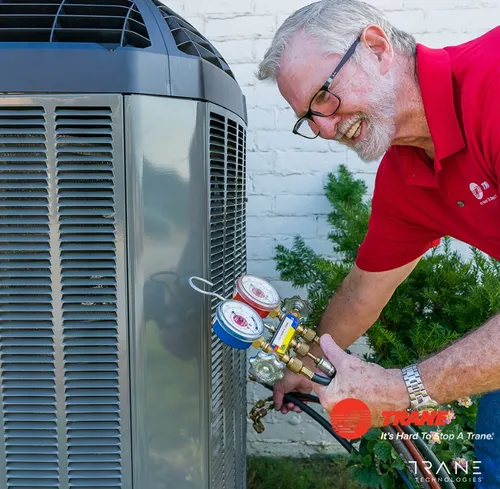
Comfort Heating, Cooling, Electrical & Plumbing
11711 E Trent Ave, Spokane Valley, WA 99206
Comfort Heating, Cooling, Electrical & Plumbing is a home services company based in Spokane, WA, offering a wide range of HVAC, plumbing, electrical, and water treatment services. They provide repair, maintenance, and installation for heating and cooling systems, including air conditioners, heat pumps, and ductless units. Comfort Heating, Cooling, Electrical & Plumbing has been serving the Post Falls and surrounding areas since 1993, bringing over 30 years of experience to their work. The company also offers 24/7 emergency service without extra charges for evenings or weekends.
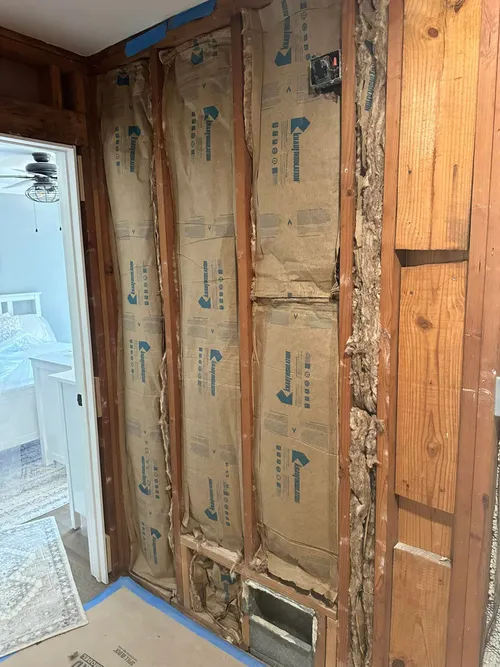
Energy Saver Solutions Inc - HVAC & Insulation SW Seattle
1414 SW 114th St, Seattle, WA 98146
Energy Saver Solutions Inc - HVAC & Insulation SW Seattle provides comprehensive HVAC and insulation services in Seattle, WA. They specialize in air conditioning repair, HVAC and boiler installation, mini split systems, and indoor air quality services. The company offers expert attic and crawl space insulation to improve energy efficiency and comfort. With over 30 years of industry experience, they also provide carbon monoxide testing and 24/7 emergency service availability to address urgent heating and cooling needs.
Columbia Heating & Air
6811 S 204th St, Kent, WA 98032
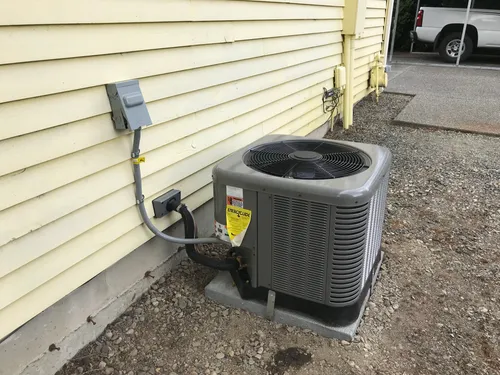
Columbia Heating & Air is an HVAC contractor based in Seattle, WA, serving King and Pierce counties. Founded in 1969, the company specializes in residential heating and cooling services including installation and repair of gas heating, air conditioning, heat pumps, ductless mini splits, and indoor air quality systems. They employ licensed and certified technicians and have been recognized as an A-Plus™ dealer by a leading manufacturer. Columbia Heating & Air offers evening and weekend service options for added convenience.
All Climate Heating & Air Conditioning
22313 70th Ave W Suite L7C, Mountlake Terrace, WA 98043
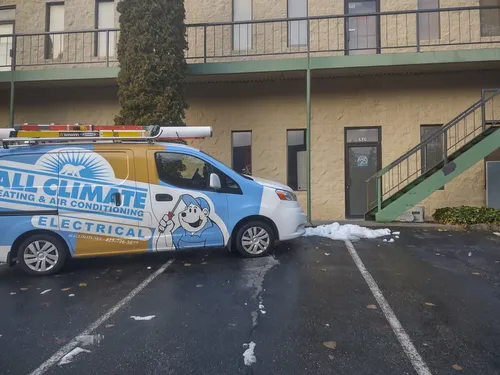
All Climate Heating & Air Conditioning is a family-owned HVAC company serving Seattle, WA, and the Greater Eastside areas since 1993. They provide a full range of heating and cooling services, including installation, repair, maintenance, and duct cleaning. As a Bryant authorized dealer, they offer energy-efficient heating and cooling equipment and employ NATE-certified technicians to ensure expert service. The company emphasizes careful workmanship and adherence to all codes and standards, with a lifetime workmanship warranty and extended factory warranties available on most equipment.
Understanding Washington's Installation Requirements
In Washington, installing a mini-split is more than just mounting units and connecting lines. State and local codes govern the process to ensure safety, energy efficiency, and system longevity.
Permits Are Mandatory: Virtually all permanent mini-split installations require permits from your local city or county building department 1. This typically includes both a mechanical (HVAC) permit and an electrical permit. These permits trigger required inspections, which verify that the installation meets the Washington State Energy Code (WSEC) and the National Electrical Code (NEC). Skipping permits can lead to fines, problems when selling your home, and may void your equipment warranty.
Adherence to Updated Energy Codes: Washington has aggressive energy efficiency goals, reflected in its building codes. The 2025 code updates specifically encourage the use of high-efficiency heat pumps, including mini-splits, in certain electrically heated homes. New installations must comply with current SEER2 (Seasonal Energy Efficiency Ratio) and HSPF2 (Heating Seasonal Performance Factor) minimum ratings, which are higher than older standards. A licensed professional will be up-to-date on these requirements.
HOA and Condominium Considerations: Washington state law, through legislation like SB 5973, protects a homeowner's right to install a heat pump 2. However, your Homeowners Association (HOA) or condominium board can enforce "reasonable" architectural guidelines. This means they can't prohibit the installation, but they may have rules about the placement of the outdoor condenser unit or the routing of the line-set to maintain the building's aesthetic.
The Critical Role of Licensed Professionals
While DIY mini-split kits are available, a professional installation by licensed contractors is strongly recommended and often required for permit approval and warranty validation.
Required Licenses: In Washington, anyone performing HVAC work must hold an appropriate state license. For mini-splits, this usually means an HVAC contractor license. The technician handling the refrigerant (the coolant inside the system) must also hold EPA Section 608 Certification, which is federal law. The electrical connection from your home's panel to the outdoor unit must be performed by a licensed electrician or an HVAC technician with the proper electrical endorsement.
Why Expertise Matters: Proper installation is a multi-step process:
- Sizing (Load Calculation): A pro will perform a Manual J calculation to determine the exact BTU capacity needed for your space. An oversized unit will short-cycle, reducing efficiency and comfort, while an undersized unit will struggle to maintain temperature.
- Refrigerant Handling: Incorrect charging of the refrigerant lines can drastically reduce efficiency and compressor life. Only EPA-certified technicians should handle refrigerant 3.
- Electrical Work: Safe connection to your home's electrical service panel is paramount to prevent fire hazards.
- Following Best Practices: Professionals in the Pacific Northwest are encouraged to follow the Northwest Ductless Heat Pump Best Practices Guide. This ensures installations are optimized for our regional climate and meet manufacturer specifications for warranty coverage 4.
Coordination is Key: A smooth installation often requires coordination between the HVAC team and a separate electrician. Some new state rules are designed to streamline this process to help reduce overall project costs.
Find the perfect mini-split installers for your needs
Get personalized recommendations and expert advice
Financial Considerations: Costs and Incentives
The total investment in a mini-split system includes equipment, labor, and permitting, but can be offset by significant financial incentives.
Installation Cost Factors: Costs in Washington vary widely based on several factors:
- Number of Zones: A single-zone system (one indoor head) is the most affordable. Multi-zone systems (one outdoor unit serving multiple indoor heads) increase in cost.
- System Capacity (BTUs): Larger capacity units for bigger spaces cost more.
- Equipment Brand and Efficiency: High-efficiency models with superior SEER2 and HSPF2 ratings command a premium price.
- Installation Complexity: The difficulty of routing the line-set, the need for new electrical circuits, and the location of the outdoor unit all impact labor costs.
Price Ranges: For a professional installation, homeowners can expect a broad range:
- Single-Zone System: Typically between $2,000 and $5,000+.
- Multi-Zone Systems: Can range from $5,000 to $14,500 or more, depending on the number of indoor units and system complexity 5 6.
DIY Kits: All-in-one DIY kits can be purchased for roughly $700 to $5,000 for the equipment and specialized tools alone. This does not include the value of your labor, the cost of permits, or the risk of incorrect installation affecting performance and safety.
Available Incentives: Washington offers excellent incentives to lower the net cost of high-efficiency systems:
- Local Utility Rebates: Many Public Utility Districts (PUDs) and municipal utilities offer instant rebates. For example, Mason County PUD No. 3 offers rebates for units meeting high HSPF2 ratings (e.g., ≥7.5) when installed by a certified professional, requiring submission of documentation and photos 7.
- Federal Tax Credits: The Energy Efficient Home Improvement Credit allows you to claim 30% of the project cost (up to a $2,000 annual limit) for qualifying high-efficiency heat pumps installed in your primary residence 8.
- State Programs: Keep an eye on programs from the Washington State Department of Commerce or other agencies that may offer additional rebates or low-interest financing.
DIY vs. Professional Installation: A Clear Choice
The prospect of saving on labor costs makes DIY installation tempting. However, the risks and hidden costs are substantial.
Warranty Implications: Most manufacturers' warranties are void if the system is not installed by a licensed HVAC professional according to their specifications and local codes. A professional installation protects your long-term investment.
Performance and Efficiency: An improperly installed mini-split can lose 20% or more of its rated efficiency due to incorrect refrigerant charge, poor line-set insulation, or inadequate vacuuming of the lines 9. A professional ensures you get the energy savings you paid for.
Safety and Code Compliance: Professionals ensure the electrical connections are safe and the system is securely mounted. They also manage the permit process and inspections, giving you peace of mind that the installation is legal and insurable.
The Verdict: For Washington homeowners, professional installation is not just a recommendation-it is the path to ensuring code compliance, securing valuable rebates, maintaining your warranty, and achieving the optimal performance and safety of your new mini-split system 10.
Frequently asked questions
Sources
Footnotes
-
Do Mini Splits Need Permits? Installation Requirements Guide - https://www.greecomfort.com/news-and-events/do-mini-splits-need-permits/ ↩
-
Senate Bill Report SB 5973 - https://lawfilesext.leg.wa.gov/biennium/2023-24/Pdf/Bill%20Reports/Senate/5973%20SBR%20LAW%20OC%2024.pdf ↩
-
Can I Install a Mini-Split Myself? What You Should Know 2025 - https://bigalsservices.com/blog/can-i-install-mini-split-myself/ ↩
-
Washington HVAC License & Certification | 2025 Contractor Guide - https://www.servicetitan.com/licensing/hvac/washington ↩
-
How Much Does it Cost to Install a Ductless Mini Split? - https://ballardnaturalgas.com/cost-of-a-ductless-mini-split/ ↩
-
Ductless mini-split installation: Cool 2025 Guide - Southern Air - https://www.southern-air.com/blog/ductless-mini-split-installation ↩
-
Ductless Heat Pump Incentives - Mason County PUD No. 3 - https://www.pud3.org/faqs/ductless-heat-pump-incentives/ ↩
-
Everything You Need to Know About Installing AC in Washington - Blog - https://www.bobsheating.com/blog/everything-you-need-to-know-about-installing-ac-in-washington ↩
-
Is a Ductless Mini-Split Installation a DIY Project A Complete Guide - https://www.heating-ac.com/blog/is-a-ductless-mini-split-installation-a-diy-project-a-complete-guide ↩
-
CONCISE EXPLANATORY STATEMENT - Lni.wa.gov - https://www.lni.wa.gov/rulemaking-activity/AO23-09/2309CES.pdf ↩