Find the Best Mini-Split Installers for Your Business
No obligation • Fast responses • Nationwide coverage

Why you can trust HVAC Firms
HVAC Firms is a leading United States resource for evaluating HVAC service providers. Our team researches companies, checks credentials, and reviews customer feedback to present clear, unbiased information. Listings and rankings are based on merit, and companies cannot pay to change our editorial content.
Search providers near you
Top Mini-Split Installers in Memphis, Tennessee Ranked
A ductless mini-split system is a versatile heating and cooling solution perfect for many Memphis homes. These systems provide zoned comfort by using individual indoor air handlers connected to an outdoor condenser, eliminating the need for extensive ductwork. Whether you're looking to cool a historic home, add climate control to a new room, or simply gain better temperature management, understanding your options for ductless installation is key. This guide will help you navigate the process, from choosing the right system to finding qualified local professionals to handle the job.
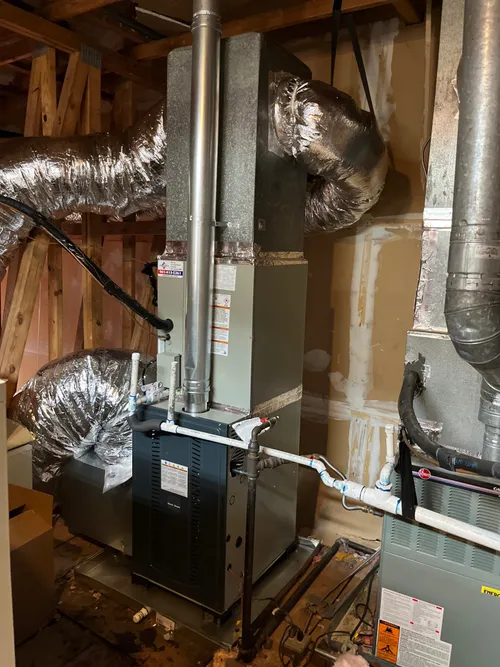
Crowe Services/Heating & Air
6391 Ferrell Dr, Memphis, TN 38134
Crowe Services/Heating & Air is an HVAC and plumbing company serving Memphis, TN. They offer a wide range of services including air conditioning, furnace, heat pump, and mini split installation and repair, as well as indoor air quality solutions. Their commercial HVAC services support local businesses with installation, maintenance, and repair. They also provide plumbing services such as faucet and toilet repairs, leak detection, drain cleaning, hydro jetting, and sewer line maintenance. Crowe Services is an American-Standard® dealer with licensed technicians experienced in both residential and commercial systems. Emergency service is available to address urgent needs.
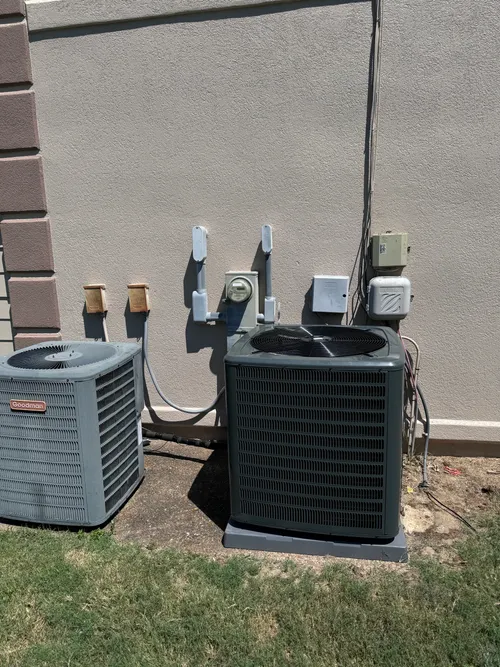
B&B HVAC LLC
Memphis, TN
B&B HVAC LLC is a family and friend owned HVAC company serving Memphis, TN. They provide a range of heating, ventilation, refrigeration, and air conditioning services including installation, repair, and tune-ups for systems such as air conditioners, furnaces, heat pumps, boilers, and mini splits. Their licensed and insured technicians focus on delivering transparent and reliable service while building lasting client relationships based on trust and satisfaction.
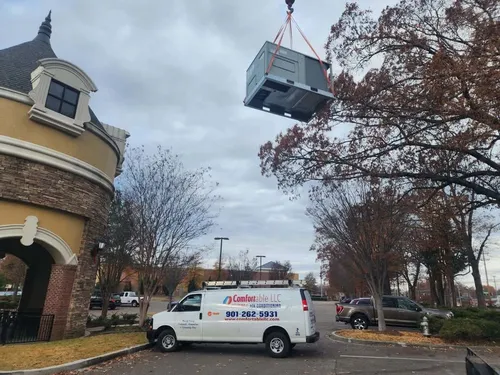
Comfortable LLC
356 New Byhalia Rd #4, Collierville, TN 38017
Comfortable LLC is an HVAC and electrical service provider located in Memphis, TN. They offer a wide range of services including installation, repair, and maintenance of heating and cooling systems such as air conditioners, furnaces, heat pumps, boilers, mini splits, and geothermal heat pumps. Comfortable LLC also provides indoor air quality solutions and electrical and lighting services. As a Trane dealer, they supply various indoor comfort products and specialize in emergency service available 24/7. With over ten years of experience, they serve Memphis and surrounding communities including Collierville, Germantown, Cordova, and East Memphis.
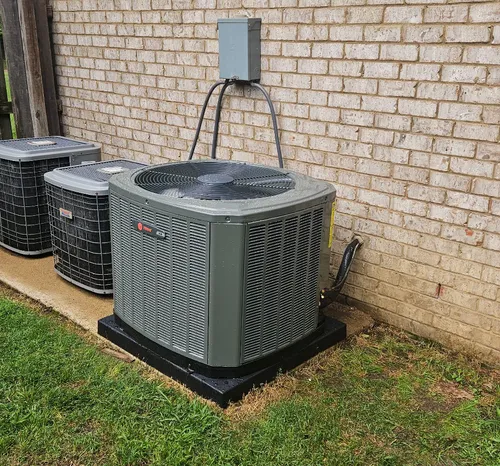
Renfrow Heating, Air, & Plumbing, LLC
8357 Industrial Dr, Olive Branch, MS 38654
Renfrow Heating, Air, & Plumbing, LLC is a licensed HVAC and plumbing contractor serving Memphis, TN. They offer a range of services including installation and repair of air conditioners, furnaces, heat pumps, mini splits, and geothermal systems. The company also provides duct cleaning, indoor air quality solutions such as Plasma AirREME HALO®, thermostat installation, and HVAC tune-ups to maintain system efficiency. Renfrow Heating, Air, & Plumbing is a Trane® dealer and supports both residential and commercial customers with customized comfort solutions. They offer service agreements to help prevent emergencies and are available for emergency service when needed.
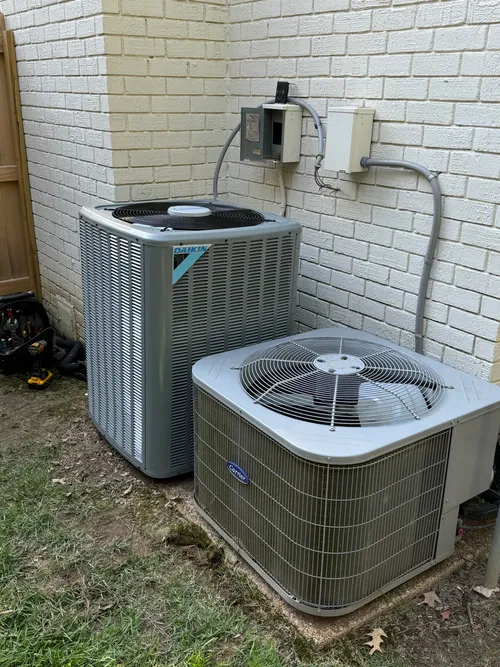
Collierville Air & Plumbing LLC
Memphis, TN
Collierville Air & Plumbing LLC is an HVAC and plumbing service provider based in Memphis, TN. They offer installation, repair, and maintenance services for air conditioners, furnaces, heat pumps, mini split systems, thermostats, and indoor air quality equipment. As a licensed contractor and Trane® dealer, they provide a range of indoor comfort products and specialize in HVAC tune-ups to maintain system efficiency. Their service area includes Collierville, Cordova, Germantown, and Memphis. The company focuses on customized solutions and services all brands of equipment.
Why Consider a Ductless System in Memphis?
Memphis's humid subtropical climate demands reliable and efficient cooling for much of the year, with heating needs in the winter. Traditional central HVAC systems rely on a network of ducts to distribute air. However, for many homes, installing or extending ductwork is impractical, expensive, or inefficient. This is where ductless mini-split air conditioners and heat pumps shine.
These systems are ideal for creating targeted comfort zones. You can cool or heat specific rooms as needed, which can lead to significant energy savings compared to running a central system for the entire house. For older homes, sunrooms, garage conversions, or home additions where extending ducts is difficult, a mini-split is often the most effective and cost-efficient solution 1 2.
Common Applications for Memphis Homes
- Historic or Older Homes: Many beautiful Memphis homes were built without central air conditioning ducts. A ductless system preserves architectural integrity while adding modern comfort without the massive renovation required for duct installation.
- Room Additions & Conversions: Adding a mini-split to a new sunroom, finished garage, attic apartment, or enclosed porch is typically far simpler and less expensive than tying into existing ductwork.
- Zoned Comfort Solutions: Families often have different temperature preferences. Installing units in bedrooms, a home office, or the main living area allows independent control, eliminating thermostat battles and cooling unused spaces.
Understanding System Types and Zoning
The first decision is understanding the scale of your project. Mini-splits are categorized by how many indoor units they support.
- Single-Zone Systems: This setup consists of one outdoor condenser connected to one indoor air handler. It's perfect for conditioning a single room, such as a primary bedroom, home office, or garage workshop.
- Multi-Zone Systems: A single, more powerful outdoor unit can connect to multiple indoor units (typically 2 to 5). This allows you to control the temperature in several rooms independently from one another, all from a single outdoor footprint 3 4. For example, one condenser could serve the living room, kitchen, and a bedroom, with each having its own remote control.
Choosing between single and multi-zone depends on your budget, the layout of your home, and your comfort goals. A whole-home ductless solution using multiple zones is a comprehensive alternative to traditional HVAC 5.
Choosing the Right Indoor Unit Style
Ductless indoor units come in several styles to suit different room layouts and aesthetic preferences. The placement affects both airflow and the look of your space.
- Wall-Mounted Units: This is the most common and generally most affordable type. They are mounted high on an exterior wall, providing excellent air circulation for open spaces like living rooms and bedrooms.
- Ceiling Cassette Units: These are recessed into the ceiling, with only a sleek vent panel visible. They provide four-way air distribution and are ideal for rooms with low wall space or where a discreet look is desired, though installation is more complex and costly 6.
- Floor-Mounted Units: Installed low on the wall, these are a great solution for rooms with large windows, sloped ceilings (like in some attics), or where wall space is limited. They are also easier to access for filter cleaning 7.
Critical Installation Considerations: Placement and Planning
Professional installation is crucial for performance, efficiency, and maintaining the manufacturer's warranty. Key planning steps include:
- Outdoor Unit Placement: The condenser must be placed on a stable, level surface-like a concrete pad or sturdy mounting brackets-away from heavy foot traffic and debris. Most importantly, it requires adequate clearance (as specified by the manufacturer, often 1-2 feet) on all sides for proper airflow and heat exchange.
- Indoor-Outdoor Connection: A small hole (approximately 3 inches in diameter) must be drilled through the exterior wall to connect the indoor and outdoor units. This conduit contains the refrigerant lines, condensate drain, and electrical wiring. Proper sealing of this hole is essential to prevent air and moisture leaks.
- Electrical Requirements: A dedicated electrical circuit is typically needed for the outdoor condenser. A qualified installer will ensure all electrical connections meet local Memphis codes.
Find the perfect mini-split installers for your needs
Get personalized recommendations and expert advice
The Professional Installation Process Explained
A proper ductless mini-split installation follows a meticulous sequence to ensure long-term reliability and efficiency.
- Site Evaluation & Preparation: A technician will assess the best locations for both indoor and outdoor units, check electrical capacity, and locate wall studs. They will then drill the precise hole through the exterior wall for the lineset conduit.
- Mounting the Units: The wall bracket for the indoor unit is securely anchored. The indoor unit is then hung on this bracket. Outside, the condenser is placed on its prepared pad or brackets.
- Connecting the Lineset: The pre-charged refrigerant lines, drain hose, and electrical cable are run through the wall conduit. These lines are carefully flared and connected to both the indoor and outdoor units.
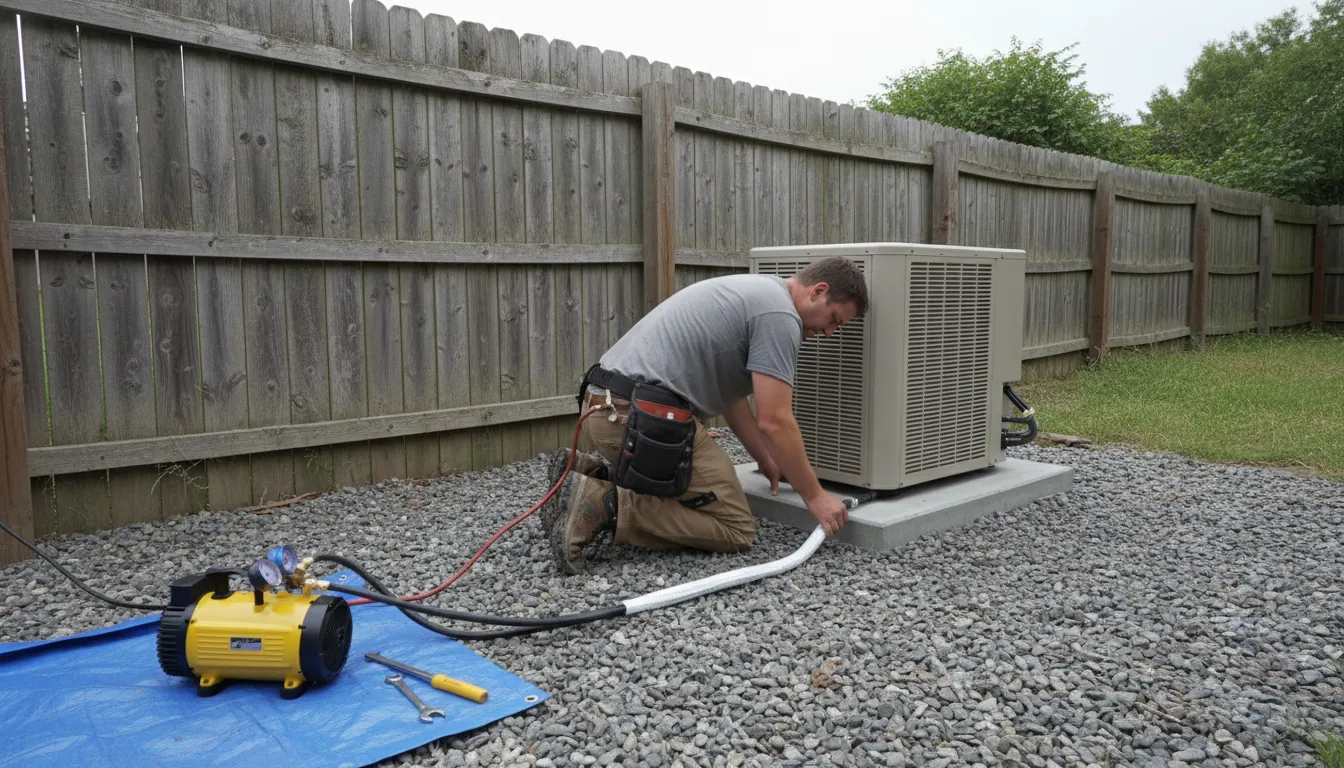
- Evacuation and Testing: This is a critical step. A vacuum pump is used to remove all air and moisture from the refrigerant lines, which can cause inefficiency and damage. The system is then checked for leaks, charged with refrigerant if needed, and powered on for a full functional test 8.
Understanding Cost Factors in Memphis
The cost of a ductless mini-split installation in Memphis can vary widely based on the project's scope and specifications. Here are the primary factors that influence the final price 9:
- Number of Zones: This is the biggest cost driver. Adding more indoor units increases the equipment and labor costs.
- System Capacity and Efficiency: The size of the unit, measured in BTUs or tons, must be correctly matched to the space. Higher-efficiency models with a higher SEER2 rating for cooling and HSPF for heating cost more upfront but save on energy bills.
- Brand and Features: Premium brands and units with advanced features (like Wi-Fi controls, advanced filtration, or ultra-quiet operation) command a higher price.
- Installation Complexity: The difficulty of running lines, electrical work, and the style of indoor unit (ceiling cassettes are more complex than wall mounts) all affect labor time and cost.
Example Cost Ranges
These are general price ranges that can vary based on the local Memphis market, specific installer rates, and the factors above 10 11 12:
- Single-Zone System: $3,000 - $5,000
- Two to Three-Zone System: $5,500 - $8,500+
- Whole-Home / Four or More Zones: $8,000 - $15,000+
It's important to get detailed, written estimates from multiple licensed contractors that break down equipment, labor, and any additional materials or electrical work required.
Frequently asked questions
Sources
Footnotes
-
Ductless Mini-Splits in Memphis | Prime HVAC and Electrical - https://www.primehvac-elec.com/hvac-services/ductless-mini-split-systems/ ↩
-
Ductless Mini-Split Systems - Memphis - Choates HVAC - https://choateshvac.com/hvac/ductless-heating-air-conditioning-system/ ↩
-
Best Place to Install a Ductless Mini Split System - https://jacobsheating.com/blog/mini-split-placement/ ↩
-
Mini-Split Buying Guide: Best Mini-Split Systems - https://www.alpinehomeair.com/learning-center/ductless-mini-split-systems/ductless-mini-split ↩
-
Ductless Mini Split Installation Cost | Ductless Air Conditioner Cost - https://www.carrier.com/residential/en/ca/products/ductless-mini-splits/ductless-air-conditioner-cost/ ↩
-
How Much Does a Mini-Split Installation Cost? - Taskrabbit Blog - https://www.taskrabbit.com/blog/mini-split-installation-cost/ ↩
-
How Much Does a Mini Split Installation Cost? (2026) - HomeGuide - https://homeguide.com/costs/ductless-mini-split-ac-cost ↩
-
Ductless Mini Split Setup: An Ultimate Guide - Airflow Heating & Air - https://www.goairflow.com/blog/ductless-mini-split-installation/ ↩
-
Ductless Mini Split Installation Costs in 2026 - Carrier - https://www.carrier.com/residential/en/us/products/ductless-mini-splits/ductless-mini-split-installation-cost/ ↩
-
Ductless Mini-Split Installation Cost in 2025: Full Breakdown - https://osborneheatingncooling.com/ductless-mini-split-installation-cost/ ↩
-
Ductless Mini-Splits: A Comprehensive Cost Breakdown | Fire & Ice - https://indoortemp.com/resources/cost-of-mini-split-ductless-system ↩
-
How Much Does a Mini-Split Cost in 2025? - EnergySage - https://www.energysage.com/heat-pumps/how-much-does-a-mini-split-cost/ ↩