Find the Best Mini-Split Installers for Your Business
No obligation • Fast responses • Nationwide coverage

Why you can trust HVAC Firms
HVAC Firms is a leading United States resource for evaluating HVAC service providers. Our team researches companies, checks credentials, and reviews customer feedback to present clear, unbiased information. Listings and rankings are based on merit, and companies cannot pay to change our editorial content.
Search providers near you
Top Mini-Split Installers in Akron, Ohio Ranked
A ductless mini-split system is a versatile heating and cooling solution that provides zoned comfort without the need for extensive ductwork. This makes it an ideal choice for older Akron homes, room additions, or creating separate climate zones in your living space. Understanding the installation process, costs, and options available locally can help you make an informed decision for your home's comfort needs.
W.F. Hann and Sons
26401 Miles Rd, Warrensville Heights, OH 44128
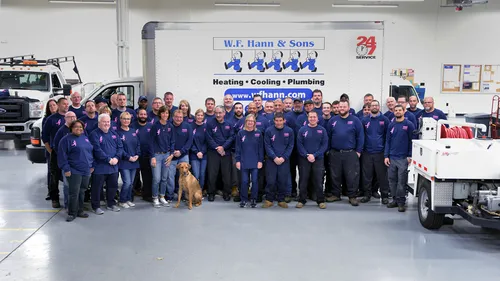
W.F. Hann and Sons is an HVAC and plumbing company serving Cleveland, OH, and the surrounding Northeast Ohio area. Established in 1907, they offer heating and cooling services including furnace, boiler, heat pump, and air conditioning repair and installation. Their team is factory-trained and certified, providing emergency services and maintenance for residential and commercial customers. The company also handles plumbing needs such as water heater installation and drain cleaning. W.F. Hann and Sons is known for upfront pricing and detailed proposals, with technicians available around the clock for urgent repairs.
Richardsons Heating & Cooling
190 Lucy Ln, Northfield, OH 44067
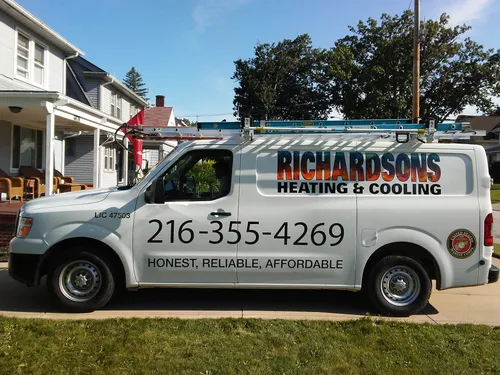
Richardsons Heating & Cooling is a veteran and minority-owned HVAC company based in Cleveland, OH. They provide installation, repair, and maintenance services for air conditioning systems, furnaces, heat pumps, ductless mini-splits, thermostats, and indoor air quality equipment. The company also offers electrical and plumbing services related to heating and cooling systems. Richardsons Heating & Cooling is known for its 24/7 emergency availability, serving Cleveland and surrounding communities in Northeast Ohio. Their team is certified and insured, focusing on flexible appointments and professional service.
Air Analytics Heating & Cooling
6743 Royalwood Rd, North Royalton, OH 44133
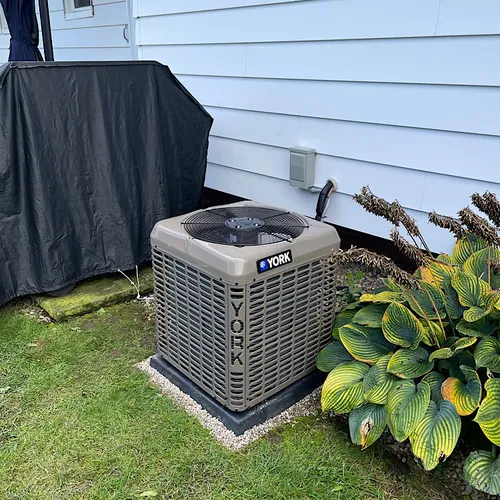
Air Analytics Heating & Cooling is a family-operated HVAC company based in Cleveland, OH. They provide a range of services including repair, maintenance, and installation of heating and air conditioning systems, as well as mini split installations and HVAC tune-ups. With over 10 years of industry experience, they focus on honest and transparent service tailored to customer needs. Their expertise includes handling complex installations such as mini splits in older homes, demonstrating adaptability to various heating and cooling challenges.

Sal's Heating & Cooling, Plumbing & Sewer
11701 Royalton Rd, North Royalton, OH 44133
Sal's Heating & Cooling, Plumbing & Sewer is a full-service HVAC and plumbing company serving Cleveland, OH, and Cuyahoga County. Established in 1975, the company specializes in air conditioning, furnace, and boiler installation and repair, as well as indoor air quality solutions and plumbing services. They provide 24/7 emergency repairs and have expertise in hydro jetting to clear stubborn drain blockages. Their experience with older homes in the area allows them to tailor services to the unique challenges posed by aging infrastructure and the local climate.
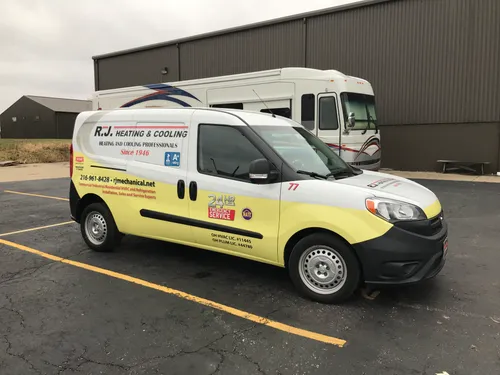
R.J. Heating & Cooling
4810 Briar Rd, Cleveland, OH 44135
R.J. Heating & Cooling is an HVAC company based in Cleveland, OH, serving all of Northeast Ohio. They provide installation, repair, and maintenance services for air conditioners, furnaces, heat pumps, boilers, mini splits, and thermostats. As a Bryant factory authorized dealer, they offer a range of indoor comfort equipment including air cleaners and zoning products. Their N.A.T.E certified technicians handle all brands of HVAC equipment and provide 24/7 emergency service. Established in 1946, R.J. Heating & Cooling has decades of experience in the heating and cooling industry.
Understanding Ductless Mini-Split Systems
A ductless mini-split system consists of one or more indoor air handling units connected to a single outdoor condenser. Unlike traditional central HVAC, which relies on a network of ducts to distribute air, these systems use a small conduit containing refrigerant lines, power cables, and a condensate drain. This design allows for targeted, or "zoned," temperature control, meaning you can heat or cool only the rooms you are using, leading to significant energy savings.
The core appeal of a ductless air conditioner or heat pump in Akron is its flexibility. It's a perfect answer for spaces where extending existing ductwork is impractical or prohibitively expensive. Whether you're looking to condition a finished basement, a garage workshop, a sunroom, or an entire home that lacks ducts, a mini-split installation offers a streamlined and efficient path to comfort.
Ideal Applications for Mini-Splits in Akron Homes
Ductless systems are not a one-size-fits-all replacement for central HVAC but excel in specific scenarios common in our area. Their installation is particularly advantageous for:
- Homes Without Ductwork: Many historic or older homes in Akron were built without central air conditioning. Installing a ductless system avoids the major renovation and loss of space required to add ducts.
- Room Additions & Finished Spaces: Adding a family room, in-law suite, or converting an attic? A mini-split provides dedicated climate control for the new space without overburdening your existing system.
- Creating Separate Zones: Do you have a room that's always too hot or too cold? A ductless head can solve that problem independently, allowing you to keep the main living area at one temperature and a back bedroom at another.
- Hard-to-Condition Areas: Spaces with large windows, high ceilings, or poor insulation (like sunrooms or garages) benefit from the direct, powerful airflow of a ductless unit.
Local HVAC experts like Lakes Heating & Air Conditioning and Five Star Home Services frequently recommend these systems for such targeted applications, noting their efficiency and the comfort control they offer homeowners.
Types of Mini-Split Systems: Single-Zone vs. Multi-Zone
Choosing the right system configuration is the first major decision in your ductless installation project.
- Single-Zone Systems: This setup involves one indoor unit connected to one outdoor condenser. It's designed to condition a single room or open space. This is the most straightforward and often most cost-effective option for a specific problem area, like a home office or master bedroom addition 1.
- Multi-Zone Systems: A single, more powerful outdoor unit can connect to multiple indoor air handlers (typically 2 to 5). Each indoor unit operates independently, allowing you to set different temperatures in the living room, kitchen, and bedrooms simultaneously. This provides whole-home comfort without ducts and is often more efficient than installing several separate single-zone systems 2.
The choice between single and multi-zone depends entirely on your goals-solving a single comfort issue or providing comprehensive, zoned climate control for larger areas of your home.
Indoor Unit Styles and Placement Considerations
The indoor component of your system, often called a "head" or "air handler," comes in several styles to suit different room layouts and aesthetic preferences.
- Wall-Mounted: This is the most common and generally most affordable style. The slim unit is mounted high on a wall, providing excellent air circulation across the room. It's relatively discreet and works well in most residential settings 3.
- Ceiling Cassette: These units are recessed into the ceiling, with only a decorative grill visible. They offer a very sleek, integrated look and are ideal for rooms with limited wall space or where a minimalist aesthetic is desired. Installation is more complex, as it requires space between ceiling joists.
- Floor-Mounted: Designed for rooms with low ceilings, large window walls, or sloped ceilings where wall or ceiling mounting isn't feasible. They are installed near the floor and direct airflow upward 4.
Proper placement is critical for performance and efficiency. Wall-mounted units should be placed high on an exterior wall for optimal airflow, away from direct sunlight or heat sources, and where furniture will not obstruct the vents. Technicians from companies like Southern Air and Ashburn HVAC Services emphasize ensuring at least 1-2 feet of clearance on all sides, especially in front of the unit, to prevent blocked ventilation 5.
Outdoor Unit Location and Requirements
The outdoor condenser is the heart of the system. Its placement affects efficiency, noise, and longevity. Key considerations for your Akron installation include:
- Clearance: The unit needs ample space for airflow-typically 1-2 feet of clearance on all sides-and must be placed on a stable, level pad, often concrete or a composite material.
- Environment: It should be located away from areas prone to falling leaves or debris, and in a spot that avoids excessive direct afternoon sun if possible, to help it run more efficiently.
- Access: Installers need room to work during the initial setup and for future maintenance or repairs. It should also be placed where the operational hum will not disturb your family or neighbors.
A professional installer will assess your property to recommend the optimal location that meets these requirements and complies with local Akron codes.
The Professional Installation Process
While a ductless mini-split is often less invasive than installing ductwork, the process is technical and should always be handled by a certified professional. A proper installation by a company like Jennings or EchoLS Heating is crucial for system performance, efficiency, and maintaining the manufacturer's warranty 6. The key steps involve:
- Site Assessment & Planning: A technician evaluates your home, determines the best locations for indoor and outdoor units, and plans the routing for the connecting lines.
- Mounting the Units: The indoor air handler is securely mounted on the wall, ceiling, or floor. The outdoor condenser is placed on its pad.
- Drilling & Line Routing: A small, precise hole (typically about 3 inches) is drilled through the exterior wall to connect the indoor and outdoor units. The refrigerant lines, electrical wiring, and condensate drain tube are run through this conduit.
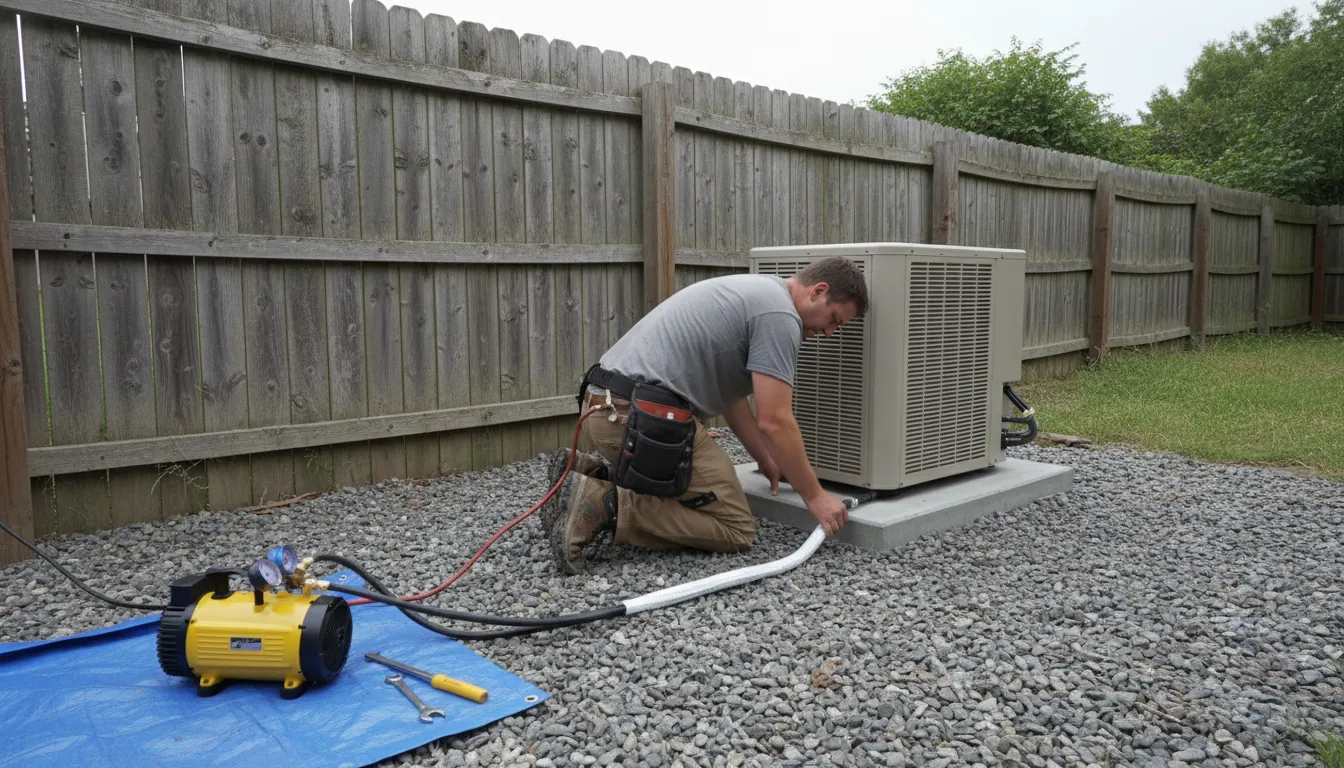
- Making Connections & Vacuuming: The lines are connected, and a deep vacuum is pulled on the refrigerant lines to remove all moisture and air, which is essential for system longevity and efficiency.
- System Testing & Commissioning: The system is charged with refrigerant, powered on, and thoroughly tested to ensure it heats and cools correctly and that all functions operate as designed.
Find the perfect mini-split installers for your needs
Get personalized recommendations and expert advice
Understanding Mini-Split Installation Costs in Akron
The cost of a ductless mini-split installation in Akron varies widely based on the system's complexity, capacity, and features. Here's a general breakdown based on current market data 7:
- Single-Zone System: For one indoor unit and one outdoor condenser, homeowners can expect costs ranging from $2,000 to over $5,000. The final price depends on the brand, SEER2 (Seasonal Energy Efficiency Ratio) rating, and the complexity of the installation.
- Multi-Zone Systems: These offer greater whole-home coverage. A system with 2-3 indoor zones typically ranges from $5,500 to $9,500. For larger homes needing 4 or more zones, costs can range from $8,000 to $15,000 or more 8 9 10.
Several factors influence these price ranges:
- Number of Zones & Capacity: More indoor heads and a larger outdoor unit increase cost.
- Equipment Efficiency & Brand: Higher SEER2 ratings (indicating greater efficiency) and premium brands come at a higher upfront cost but offer lower operating expenses.
- Installation Labor & Complexity: Longer refrigerant line runs, difficult wall penetrations (like brick), or the need for new electrical circuits add to labor time and cost.
- Additional Costs: Permits, which are required in Akron, may add $100-$300 to the project total. If your electrical panel needs an upgrade to handle the new system, that will be an additional, separate cost 11.
While the initial investment for a ductless heat pump or AC system can be significant, the long-term energy savings from zoned heating and cooling and high efficiency often provide a strong return, especially in homes previously reliant on inefficient window units or electric baseboard heat.
Why Professional Installation is Non-Negotiable
Installing a mini-split is not a typical DIY project. It requires specific expertise for several critical reasons:
- Refrigerant Handling: Technicians must be EPA-certified to handle refrigerants legally and safely. Improper charging can lead to poor performance and compressor failure.
- Electrical Work: Connecting high-voltage electrical components must be done to local code standards to ensure safety.
- System Integrity & Warranty: Most manufacturers will void the equipment warranty if the system is not installed by a licensed HVAC professional. A proper installation, including the critical vacuum step, ensures reliability and efficiency for years to come 12.
Choosing a qualified, local Akron installer guarantees the job is done right, protecting your investment and your home's comfort.
Frequently asked questions
Sources
Footnotes
-
Ductless mini-split installation: Cool 2025 Guide - Southern Air - https://www.southern-air.com/blog/ductless-mini-split-installation ↩
-
Ductless Mini-Splits In Akron, OH | Ductless AC Services - https://lakesheatingandair.com/air-conditioning/ductless/ ↩
-
Ductless Mini-Splits: A Comprehensive Cost Breakdown - https://www.myfivestarhomeservices.com/ductless-mini-splits-a-comprehensive-cost-breakdown/ ↩
-
How Much Does a Mini Split Installation Cost? (2026) - HomeGuide - https://homeguide.com/costs/ductless-mini-split-ac-cost ↩
-
The Ultimate HVAC Mini Split Installation Guide - https://ashburnhvac.com/the-ultimate-hvac-mini-split-installation-guide/ ↩
-
Akron Mini Split Services | Installs & Repair | Jennings - https://jenningsheating.com/cooling/mini-splits/ ↩
-
Ductless Mini-Splits: A Comprehensive Cost Breakdown | Fire & Ice - https://indoortemp.com/resources/cost-of-mini-split-ductless-system ↩
-
Ductless Mini-Split Installation Cost in 2025: Full Breakdown - https://osborneheatingncooling.com/ductless-mini-split-installation-cost/ ↩
-
Mini Split Installation Cost in 2024 - Alpine Home Air - https://www.alpinehomeair.com/learning-center/ductless-mini-split-systems/cost-to-install-mini-split ↩
-
Cost to Install Mini Split AC System in 2025 - https://dellahome.com/blogs/della-blog/cost-to-install-mini-split-ac-system ↩
-
Ductless Mini Split Installation Costs in 2026 - Carrier - https://www.carrier.com/residential/en/us/products/ductless-mini-splits/ductless-mini-split-installation-cost/ ↩
-
Ductless Mini-Split Installation & Repair in Akron, OH - https://www.echolsheating.com/mini-split-install-repair ↩