Find the Best Mini-Split Installers for Your Business
No obligation • Fast responses • Nationwide coverage

Why you can trust HVAC Firms
HVAC Firms is a leading United States resource for evaluating HVAC service providers. Our team researches companies, checks credentials, and reviews customer feedback to present clear, unbiased information. Listings and rankings are based on merit, and companies cannot pay to change our editorial content.
Search providers near you
Top Mini-Split Installers in Brookline, Massachusetts Ranked
A ductless mini-split system is a versatile heating and cooling solution that provides zoned comfort without the need for extensive ductwork. This makes it an ideal choice for many homes in Brookline, particularly historic properties or room additions where installing ducts is impractical or too invasive. Understanding the options, installation process, and local considerations can help you determine if a mini-split is the right fit for your home's climate control needs.
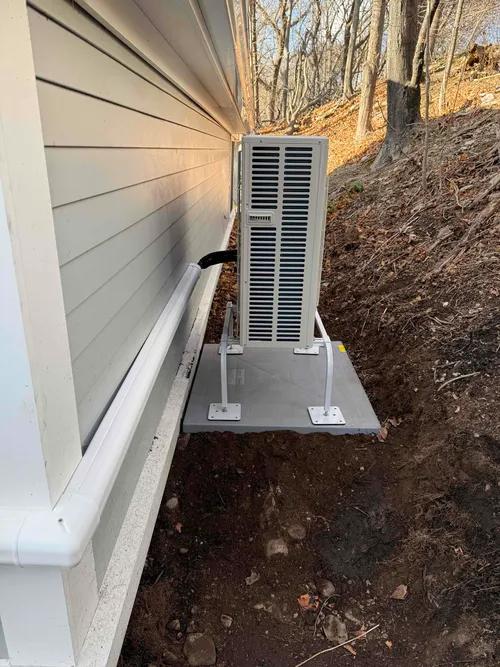
Yellow Dog Plumbing, Heating & Cooling
19 Kearney Rd, Needham, MA 02494
Yellow Dog Plumbing, Heating & Cooling is a plumbing and HVAC company serving Boston, MA, and nearby areas. They offer a wide range of services including air conditioning, furnace, heat pump, and boiler repair and installation, as well as HVAC tune-ups and indoor air quality solutions. Their technicians are equipped to handle both residential and light commercial HVAC needs, with well-stocked trucks to complete most repairs on the first visit. Yellow Dog emphasizes clear communication and customer care, providing same-day service and 24/7 live answering to support their clients' comfort and safety.
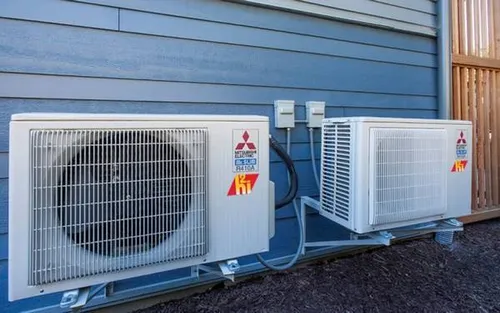
Frontier Air HVAC in Stoneham MA
92 William St #3, Stoneham, MA 02180
Frontier Air HVAC in Stoneham MA offers heating and cooling services including installation, repair, and maintenance of air conditioning systems, furnaces, heat pumps, and mini-splits. Located near Boston, MA, the company is a Mitsubishi Diamond Contractor, providing expert installation and up to a 12-year manufacturer's warranty on Mitsubishi equipment. They also assist customers with MassSave loan and rebate paperwork for heat pump installations.
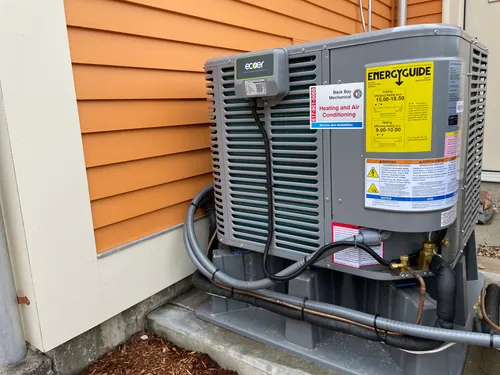
Back Bay Mechanical AC Repair & Heating
654 Washington St, Braintree, MA 02184
Back Bay Mechanical AC Repair & Heating is a licensed and insured HVAC company serving Boston, MA. They provide a range of services including furnace, heat pump, boiler, and water heater repair, as well as AC installation and duct cleaning. Their technicians evaluate all furnace components such as the combustion chamber, burners, heat exchanger, and thermostat to ensure safe and efficient operation. The company is recognized for its thorough maintenance plans and does not push unnecessary repairs or replacements. They offer emergency service and cover multiple Boston neighborhoods and surrounding areas.
Max Heating and Cooling
11 Dean Street, Stoneham, MA 02180
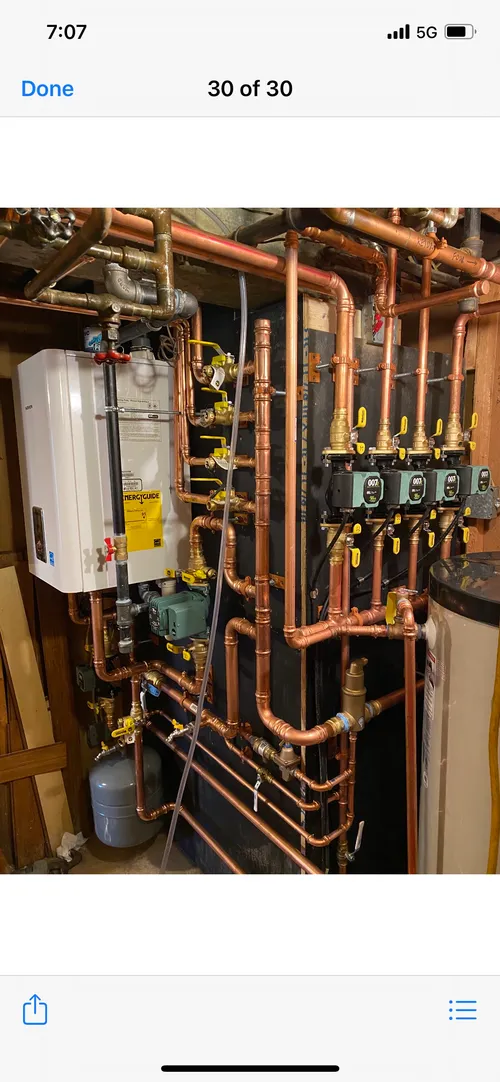
Max Heating and Cooling provides comprehensive HVAC, plumbing, and electrical services in Boston, MA. Since 2019, they have served both residential and commercial clients, offering heating and cooling system installation, repair, and maintenance, including furnaces, heat pumps, mini-splits, and advanced indoor air quality solutions. Their integrated approach allows customers to manage multiple home systems through a single provider, ensuring compatibility and streamlined service. The company also offers professional plumbing and electrical services, including water heater installation and electrical panel upgrades.
Presidential HVAC
31 Milk St, Boston, MA 02109
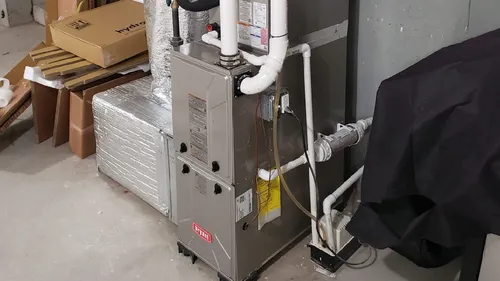
Presidential HVAC is an HVAC company based in Boston, MA, offering repair and installation services for central air conditioners, heat pumps, ductless systems, and mini splits. They provide 24/7 emergency repairs and have a large inventory of HVAC units ready for immediate installation. With over 10 years of experience in ductless and mini split installations, their technicians serve both residential and commercial customers in the Boston area. Their services include professional design, installation, and maintenance of energy-efficient heating and cooling systems.
Why Choose a Ductless Mini-Split in Brookline?
Brookline's architectural landscape, rich with older homes, presents unique HVAC challenges. Many of these beautiful properties were built without central air ducts, making traditional forced-air systems a costly and disruptive retrofit. A ductless mini-split system, often called a ductless heat pump, solves this problem elegantly. It provides both efficient heating and cooling through a compact outdoor unit connected to one or more quiet indoor air handlers via a small conduit.
The primary benefit is zoned comfort. Unlike a central system that treats the entire house as one zone, a ductless system allows you to heat or cool specific rooms independently. This means you can keep a home office comfortable during the day without wasting energy on unoccupied bedrooms, leading to significant savings on energy bills. For additions, finished basements, or sunrooms, a mini-split is a perfect way to add dedicated climate control without the expense and complexity of extending existing ductwork.
Understanding System Types: Single-Zone vs. Multi-Zone
The first major decision is choosing between a single-zone or multi-zone configuration. Your choice will depend on how many areas you need to condition and your budget.
Single-Zone Systems A single-zone setup consists of one outdoor condenser unit connected to one indoor air handler. This is the most cost-effective option and is perfect for targeting a single space, such as a master bedroom suite, a new garage apartment, or a main living area in a smaller home. It provides focused, efficient comfort for that specific zone.
Multi-Zone Systems A multi-zone system uses one outdoor unit to support multiple indoor air handlers-commonly two, three, four, or even five zones. Each indoor unit operates independently with its own thermostat. This is an excellent solution for whole-home comfort in a ductless property or for conditioning several key areas like the kitchen, living room, and bedrooms 1. While the upfront cost is higher than a single-zone, a multi-zone system is often more efficient and less obtrusive than installing multiple separate outdoor units.
Indoor Air Handler Styles and Placement
The indoor unit, or air handler, comes in several styles to suit different room layouts and aesthetic preferences. Proper placement is critical for optimal airflow, efficiency, and comfort.
- Wall-Mounted Units: This is the most common and economical style. They are mounted high on an interior wall, similar to a picture frame, and provide excellent air distribution across the room. They require a clear wall space and should be placed away from direct sunlight or heat sources for accurate temperature sensing.
- Ceiling Cassette Units: These are recessed into the ceiling, with only a sleek grille visible. They distribute air in four directions, making them ideal for larger rooms like finished basements or great rooms where wall space is limited or a discreet look is desired. Installation requires sufficient ceiling cavity depth.
- Floor-Mounted Units: These low-profile units are installed near the floor, often beneath windows. They are a great solution for rooms with slanted ceilings (like in attics or cape-style homes) or where wall mounting is not feasible. They provide gentle, upward airflow.
Professional installers will perform a load calculation to determine the correct capacity (measured in BTUs) for each room and help you select the best style and location for even, draft-free comfort.
The Professional Installation Process: What to Expect
A successful ductless mini-split installation is a technical process best left to certified professionals. Proper installation is not just about mounting units; it's essential for system efficiency, longevity, and maintaining the manufacturer's warranty.
- Site Evaluation & Planning: A technician will assess your home, perform load calculations, and determine the optimal locations for the outdoor condenser and indoor air handlers. They will plan the routing for the conduit, which houses the refrigerant lines, electrical wiring, and condensate drain.
- Mounting the Units: The indoor air handler bracket is securely mounted to the wall, ceiling, or floor. Outside, a stable, level base-often a concrete pad or composite mounting feet-is prepared for the condenser.
- Drilling & Running the Conduit: A small hole (approximately 3 inches in diameter) is carefully drilled through the exterior wall. The flexible conduit line set is run from the outdoor unit, through the wall, and connected to the indoor unit 2.
- Electrical Connections: A dedicated electrical circuit must be run from your home's main panel to the outdoor unit. This may require an electrical panel upgrade, especially in older Brookline homes.
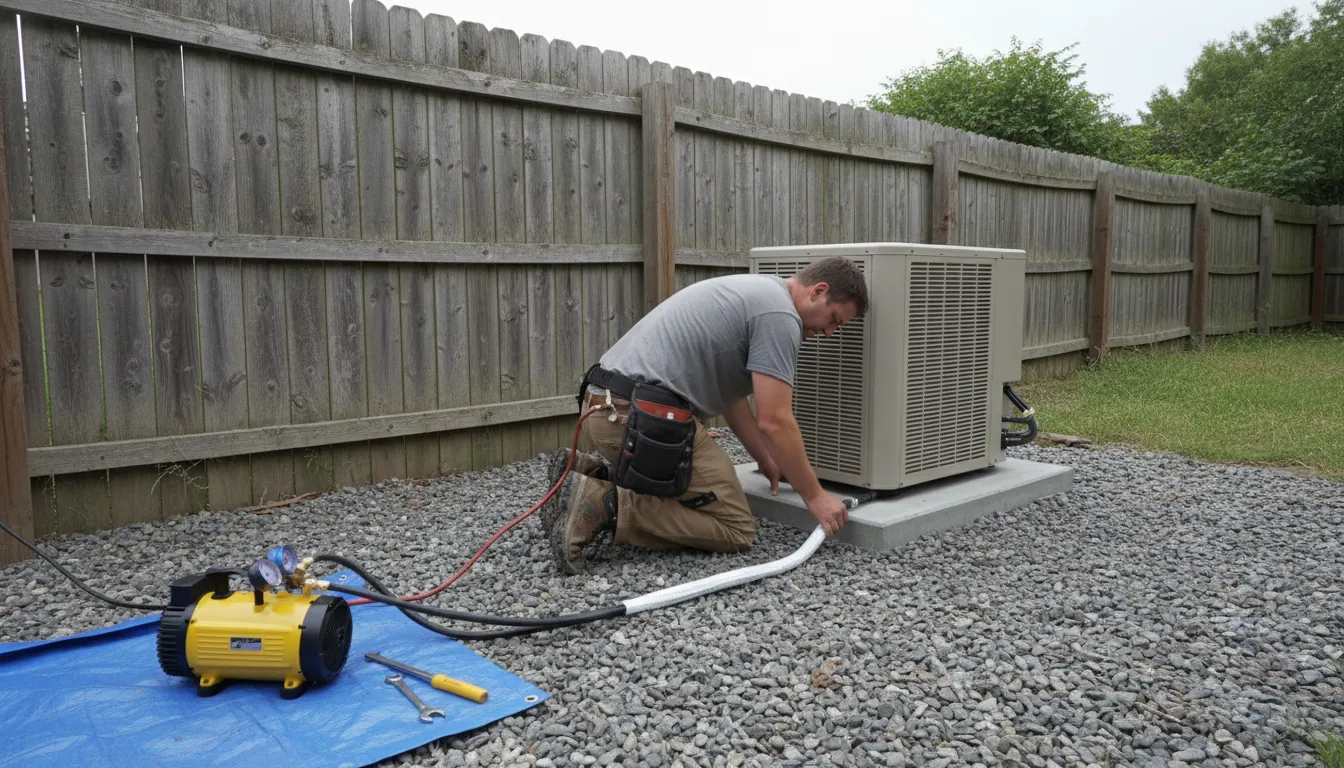
- Evacuation & Charging: This is a critical step. The technician uses a vacuum pump to remove all moisture and air from the refrigerant lines, creating a deep vacuum. This ensures system purity and efficiency. The system is then charged with the correct type and amount of refrigerant.
- System Testing & Demonstration: Once everything is connected, the system is powered on and tested in both heating and cooling modes. The technician will check for proper operation, airflow, and drainage, and show you how to use the remote controls and thermostats.
Find the perfect mini-split installers for your needs
Get personalized recommendations and expert advice
Key Considerations for Brookline Homeowners
Permits and Regulations: Most municipalities, including Brookline, require permits for HVAC installation work. A reputable installer will handle pulling the necessary permits, which ensures the work is inspected and complies with local building codes. This is a non-negotiable step for safety and insurance purposes.
Outdoor Unit Placement: The location of the outdoor condenser is crucial. It needs adequate clearance (usually 1-2 feet on all sides, but check manufacturer specs) for proper airflow and service access. It should be placed on a stable, level surface away from areas where snow accumulation or falling ice could be a problem. Consideration for neighbor sightlines and noise is also a common courtesy in Brookline's close-knit neighborhoods 3.
Electrical Requirements: Ductless systems require a dedicated electrical circuit. Many older homes have 100-amp electrical service that may be near capacity. Installing a new circuit or upgrading to a 200-amp panel adds to the project cost but is essential for safe and reliable operation 4.
Cost Overview and Financial Incentives
The cost of a ductless mini-split installation in Brookline varies widely based on system type, brand, efficiency, and home-specific factors.
- Single-Zone System: A basic single-zone installation typically ranges from $3,000 to $7,000.
- Multi-Zone System: For a system with multiple indoor heads, costs generally start around $5,000 and can exceed $15,000 for larger, high-efficiency setups with three or more zones 5 6.
These figures generally include professional installation, basic electrical work, and the equipment. Several factors can influence the final price:
- Equipment Brand and Efficiency: Higher SEER2 (cooling) and HSPF (heating) ratings indicate greater efficiency and come at a premium.
- Installation Complexity: Running lines over long distances, through finished walls, or requiring significant electrical upgrades will increase labor costs.
- Permits and Inspections: Permit fees are an additional line item to budget for.
Mass Save Rebates and Incentives: One of the most significant advantages for Massachusetts residents is access to rebates and financing through the Mass Save program. By installing an eligible, high-efficiency ductless mini-split heat pump, you may qualify for substantial point-of-sale rebates that reduce the upfront cost. Additionally, Mass Save offers 0% financing loans for qualified homeowners, making the upgrade more affordable. Always confirm current incentives with your installer or on the Mass Save website 7 8 9.
Long-Term Benefits and Efficiency
The initial investment in a ductless mini-split system pays off through long-term energy savings and increased home comfort. Because there are no duct losses (which can account for more than 30% of energy consumption in a ducted system), ductless units are inherently efficient 10. The ability to create zones means you're only conditioning the spaces you're using, eliminating the energy waste of heating or cooling empty rooms.
Modern inverter-driven compressors allow the system to adjust its output precisely to the demand, rather than cycling on and off at full power. This not only saves energy but also maintains a more consistent temperature and operates more quietly. For Brookline homeowners looking to reduce their carbon footprint while enhancing personal comfort, a high-efficiency ductless mini-split is a forward-thinking solution 11.
Frequently asked questions
Sources
Footnotes
-
Lowell, MA Ductless Mini-Split Installation - https://www.afphpro.com/other-hvac-services/ductless-mini-split-installation/ ↩
-
How to Install a Ductless Mini-Split Air Conditioner | This Old ... - https://www.youtube.com/watch?v=ozaw9QhxkQU&t=25 ↩
-
Ductless Mini Split Setup: An Ultimate Guide - Airflow Heating & Air - https://www.goairflow.com/blog/ductless-mini-split-installation/ ↩
-
The Hidden Costs of HVAC Installations in Massachusetts - https://askgem.com/blog/hidden-costs-of-hvac-installations-in-massachusetts/ ↩
-
What Is a 3-Zone Mini Split & Installation Cost Guide For 2026 - https://www.budgetheating.com/what-is-a-3-zone-mini-split-installation-cost-guid/ ↩
-
Ductless Mini-Split Installation Cost in 2025: Full Breakdown - https://osborneheatingncooling.com/ductless-mini-split-installation-cost/ ↩
-
Ductless mini split installation cost in MA | Save on energy bills - https://www.sumzeroenergysystems.com/blog/how-much-does-a-ductless-mini-split-installation-cost ↩
-
Cost to Install Mini Split Heat Pump in Massachusetts - https://shellyheating.com/post/cost-to-install-mini-split-heat-pump-ma-a-comprehensive-overview ↩
-
Mini Split Installation Cost in MA | Save on Energy Bills Today - https://www.sumzeroenergysystems.com/blog/how-much-does-a-mini-split-installation-cost-in-ma ↩
-
Mini Split Installation for Brookline Homeowners - https://www.sumzeroenergysystems.com/heat-pump-location/mini-split-systems-brookline-ma ↩
-
Ductless mini-split installation: Cool 2025 Guide - Southern Air - https://www.southern-air.com/blog/ductless-mini-split-installation ↩