Find the Best Mini-Split Installers for Your Business
No obligation • Fast responses • Nationwide coverage

Why you can trust HVAC Firms
HVAC Firms is a leading United States resource for evaluating HVAC service providers. Our team researches companies, checks credentials, and reviews customer feedback to present clear, unbiased information. Listings and rankings are based on merit, and companies cannot pay to change our editorial content.
Search providers near you
Best Mini-Split Installers in Indiana Ranked
Ductless mini-split systems offer a flexible and energy-efficient heating and cooling solution for Indiana homes, especially those without existing ductwork. These systems are ideal for room additions, older historic properties, or for creating personalized comfort zones. Finding a qualified local professional is crucial for a safe, code-compliant, and efficient installation that maximizes your investment and available incentives.
Northeast Mechanical Services, Inc.
3620 Metro Park Dr N, Fort Wayne, IN 46818
Northeast Mechanical Services, Inc. is an HVAC and plumbing contractor based in Fort Wayne, IN. They provide a wide range of services including installation and repair of air conditioning, furnaces, heat pumps, boilers, mini splits, geothermal heat pumps, and indoor air quality systems. The company also offers generator installation and maintenance, ensuring reliable power solutions for homes and businesses. Northeast Mechanical Services emphasizes honest recommendations and fair pricing, serving Fort Wayne and nearby communities such as New Haven, Auburn, and Huntington. Their expertise includes energy consultations and eco-friendly geothermal HVAC systems.
King of Comfort Heating & Cooling
7009 E 56th St, Indianapolis, IN 46226
King of Comfort Heating & Cooling is an HVAC company based in Indianapolis, IN, offering a wide range of heating and cooling services. Their team provides installation, repair, and maintenance for air conditioners, furnaces, heat pumps, boilers, mini splits, geothermal heat pumps, and thermostats. They emphasize comprehensive service and staying current with industry developments to meet diverse HVAC needs. The company also offers 24/7 emergency repair services to ensure reliable heating and cooling during extreme weather conditions. Their technicians handle everything from routine tune-ups to complex repairs, including cracked heat exchangers and faulty thermostats.
Blazing Heat HVAC LLC
Fort Wayne, IN
Blazing Heat HVAC LLC is a heating and cooling company serving Fort Wayne, IN, and nearby communities. They provide a wide range of HVAC services including installation, repair, diagnostics, maintenance, tune-ups, indoor air quality solutions, commercial refrigeration, boiler services, and geothermal system support. With over 36 years of combined experience, their certified technicians focus on energy efficiency, system longevity, and indoor comfort for both residential and commercial customers. They also offer emergency repair services to minimize downtime and maintain reliable system operation.
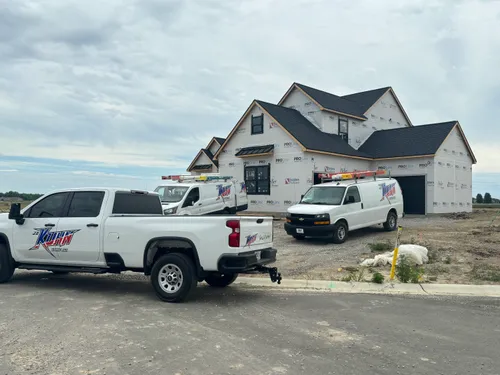
JD Kuhn Heating And Air Conditioning LLC
4625 Speedway Dr, Fort Wayne, IN 46825
JD Kuhn Heating And Air Conditioning LLC provides a range of HVAC services in Fort Wayne, IN. They offer installation, repair, and maintenance for furnaces, boilers, heat pumps, air conditioning units, and mini split systems. Their services cover both residential and commercial heating and cooling needs, including specialized work on unit heaters. Routine maintenance and service agreements are also available to help maintain system performance and efficiency.
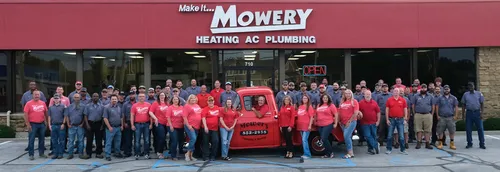
Mowery Heating, Cooling & Plumbing
710 E Main St, Brownsburg, IN 46112
Mowery Heating, Cooling & Plumbing is a full-service HVAC and plumbing company serving Indianapolis, IN. They offer a wide range of services including air conditioning, furnace, heat pump, mini split, and geothermal heat pump installation and repair, as well as HVAC tune-ups and thermostat installation. The company is equipped to handle complex tasks such as compressor and condenser coil checks, refrigerant management, and electrical component diagnostics. With over 20 years of experience, Mowery is known for comprehensive maintenance plans and skilled technicians who provide detailed system assessments. They also provide emergency plumbing services and have a strong focus on customer education and safety.
Why Choose a Ductless System in Indiana?
Indiana's climate, with its hot, humid summers and cold winters, makes efficient year-round climate control a priority for homeowners. Ductless mini-split heat pumps are uniquely suited to this challenge. They provide both heating and cooling from a single unit, often with greater efficiency than traditional furnaces and air conditioners, particularly in moderate temperatures 1. For homes without ducts-such as those with hydronic (boiler) heat, radiant heat, or older construction-adding a ductless system is far less invasive and costly than installing new ductwork. They are also perfect for solving specific comfort issues, like cooling a finished attic, heating a sunroom addition, or providing supplemental climate control in a frequently used home office or garage 2.
The primary benefits driving their popularity in the Hoosier State include:
- Energy Efficiency: Modern mini-splits have high SEER2 (cooling) and HSPF2 (heating) ratings, meaning they use less electricity to move heat rather than generate it, leading to lower utility bills.
- Zoned Comfort: You can control the temperature in individual rooms or zones, cooling only occupied spaces instead of the entire house.
- Improved Air Quality: Without ductwork, there's no place for dust, allergens, and mold to accumulate and circulate throughout your home. Many units also feature multi-stage filtration.
- Flexible Installation: The compact indoor air handlers can be mounted on walls, ceilings, or even recessed into drop ceilings, offering design flexibility.
Understanding Costs and Financial Incentives
The cost of a ductless mini-split installation in Indiana varies significantly based on the system's complexity, the number of zones, and the specific equipment chosen.
- Single-Zone System: Installing one outdoor unit connected to one indoor air handler typically ranges from $2,000 to $8,0003. The final price depends on the unit's capacity (measured in BTUs) and brand.
- Multi-Zone System: Connecting multiple indoor units (e.g., for three different rooms) to a single outdoor condenser is more complex and costs more, but is often more cost-effective per zone than installing several single-zone systems.
- Full Installation in Indianapolis: For a complete professional installation of a quality system, homeowners can expect a general range of $4,800 to $15,000.
It's important to budget for potential hidden costs beyond the equipment and labor:
- Permits: Local building permits typically cost between $250 and $400.
- Electrical Work: A dedicated electrical circuit is required for the outdoor unit, which may cost $250 or more if your electrical panel needs an update 4.
- Site Preparation: This may include installing a concrete pad or specialized mounting brackets for the outdoor unit.
Available Rebates and Tax Credits
Fortunately, several financial incentives can substantially offset these costs for Indiana residents.
- Federal Tax Credit: The Energy Efficient Home Improvement Credit (IRS Form 5695) allows you to claim 30% of the project cost, up to $2,000 per year, for qualifying heat pump installations 5 6. This includes both the equipment and labor for a ductless mini-split that meets specific efficiency criteria.
- Indiana Energy Saver Program (2025-2026): Administered by the Indiana Office of Energy Development, this federal funding will offer upfront discounts through two streams: the HOMES program for whole-home retrofits and the HEAR program for low- to moderate-income households 7.
- Local Utility Rebates: Many Indiana electric cooperatives and utilities offer direct rebates.
- South Central Indiana REMC (SCI REMC): Offers a $500 rebate for multi-zone and a $300 rebate for single-zone ductless heat pump systems that meet high-efficiency thresholds (SEER2 ≥ 17.3, HSPF2 ≥ 7.5) 8.
- NIPSCO: Provides rebates for qualifying ENERGY STAR certified heat pumps and other equipment 9.
- Southern Indiana Power: Also offers rebates for energy-efficient upgrades, which can include heat pumps 10.
Find the perfect mini-split installers for your needs
Get personalized recommendations and expert advice
Licensing, Permits, and Code Requirements in Indiana
A proper installation is not just about performance-it's about safety and legality. Indiana has specific regulatory layers that govern who can install your system and how it must be done.
Contractor Licensing
Unlike many states, Indiana does not issue a statewide HVAC contractor license. Regulation occurs at the city or county level. Major municipalities require their own licensing, which often involves proving 4-5 years of experience, passing a trade exam (like those from Prometric), and maintaining liability insurance and a surety bond 11.
- Indianapolis/Marion County, Fort Wayne/Allen County, and Evansville/Vanderburgh County all have local licensing requirements.
- Federal Certification: Regardless of local rules, any technician who opens the refrigerant circuit must be certified under EPA Section 60812 13. This is non-negotiable for handling the refrigerants that are essential to the system's operation.
Permits and Inspections
In nearly all Indiana municipalities, installing a ductless mini-split requires permits. This is not bureaucratic red tape; it's a safety check.
- Typical Requirements: You will likely need both a mechanical permit (for the HVAC work) and an electrical permit (for the dedicated circuit) 14.
- The Process: Your contractor should pull these permits. The local building department will then schedule inspections to verify the installation complies with all applicable codes, such as the Indiana Residential Code (IRC) and National Electrical Code (NEC). This ensures the work is safe and can also be important for home insurance and future resale.
Key Installation Codes
Professional installers follow strict codes to ensure safety and efficiency:
- Outdoor Unit Placement: The condenser must be raised at least 3 inches above the ground (on a pad or brackets) for proper drainage and to prevent snow/leaf accumulation.
- Wall Penetration: The 3-inch hole drilled for refrigerant lines must be properly sealed to prevent air and moisture infiltration 15.
- Condensate Drainage: The drain line from the indoor unit must have a continuous downward slope to prevent water backup and leaks. In Indiana's cold climate, using antifreeze heating cables on the external drain hose is recommended to prevent frozen, blocked lines.
- Electrical: A dedicated circuit from your electrical panel is required to handle the unit's power demands safely.
The Professional Installation Process: What to Expect
Choosing a qualified professional ensures the job is done right. Here's a simplified overview of the standard installation process:
- Site Assessment & Planning: A technician will evaluate your home to determine the optimal locations for the indoor and outdoor units, calculate the correct BTU capacity needed for each space, and plan the routing for refrigerant and electrical lines.
- Mounting the Equipment: The indoor air handler(s) are securely mounted on an interior wall, typically 7 to 8 feet high with at least 6 inches of clearance from the ceiling. The outdoor condenser is placed on a stable, level pad or mounting brackets outside.
- Drilling and Line Routing: A small, precisely sealed hole (about 3 inches) is drilled through the exterior wall. The refrigerant lines (pre-charged with nitrogen to keep them clean), condensate drain line, and electrical wiring are run from the outdoor unit to the indoor unit(s) through a protective line-hide kit.
- Electrical Connection: A licensed electrician or HVAC technician will run a dedicated circuit from your home's main electrical panel to the outdoor unit's disconnect box.
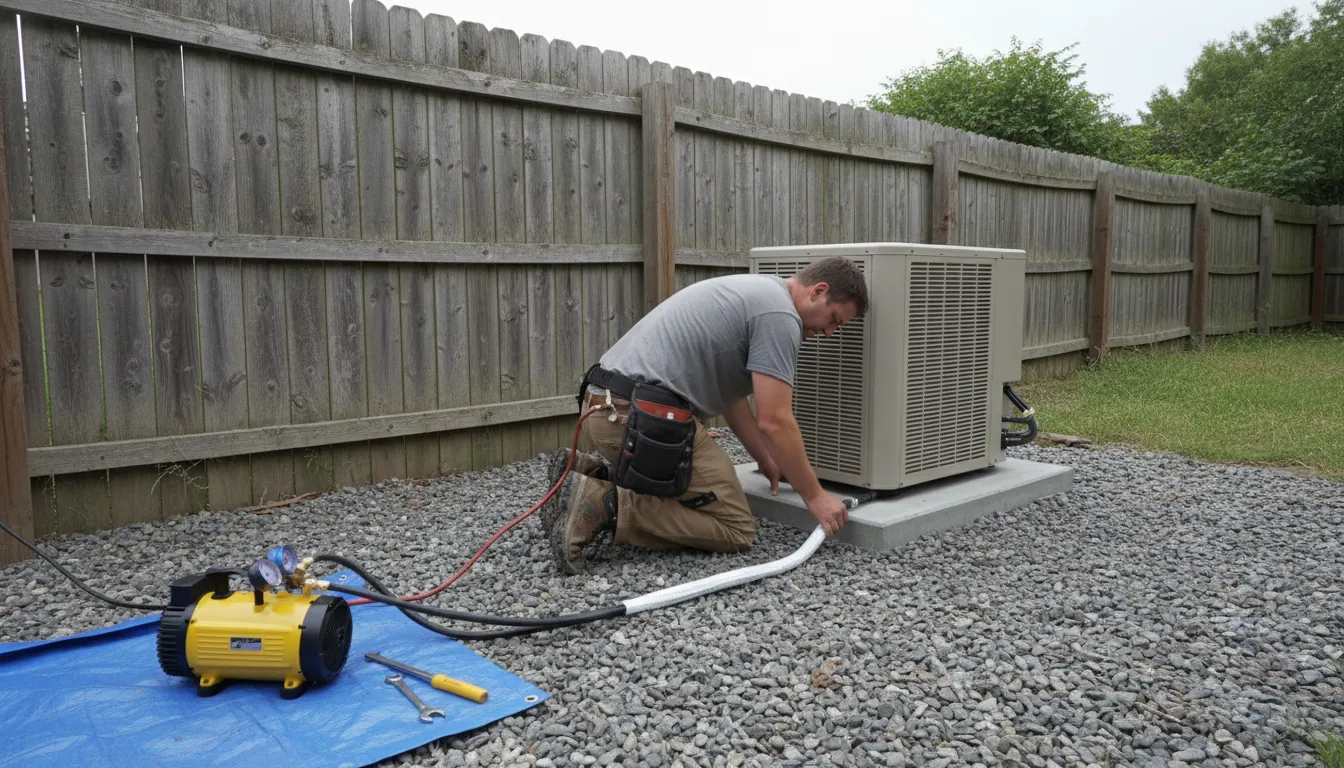
- Evacuation and Charging: This is a critical, professional-only step. A vacuum pump is connected to the refrigerant lines to remove all air and moisture, pulling a deep vacuum below 500 microns to ensure a perfectly sealed system 16. Once verified, the refrigerant is released into the system.
- System Testing & Commissioning: The installer will power on the system, test all modes (heating and cooling), check for proper drainage, verify airflow, and ensure all controls and remote functions work correctly. They should also review basic operation and maintenance with you.
A Step-by-Step Guide for Homeowners
- Assess Your Needs: Identify which rooms or zones need conditioning. Consider how you use your space.
- Check Local Rules: Call your local building department to understand permit requirements in your specific city or county 17 18.
- Verify Contractor Credentials: Get quotes from multiple installers. Ensure they are licensed in your municipality (if required) and hold EPA 608 Certification. Ask for proof of insurance and references 19.
- Review Equipment & Rebates: Discuss high-efficiency models (e.g., SEER2 ≥ 17.3) that qualify for utility rebates and federal tax credits. Get all equipment and labor details in writing.
- Schedule the Installation: Coordinate a time for the installation, which can often be completed in one day for a single-zone system.
- Prepare for Inspection: After installation, ensure your contractor schedules and passes the required municipal inspections. Keep all paperwork, including permits, manuals, and warranty information, in a safe place.
Frequently asked questions
Sources
Footnotes
-
Benefits Of Installing A Ductless Mini Split In Central Indiana - https://bluefoxhvac.com/benefits-of-installing-a-ductless-mini-split-in-central-indiana/ ↩
-
Southern Indiana Ductless Mini-Split Installation & Repair - https://www.reliablecomfort.com/air-conditioning/ductless/ ↩
-
Mini-Splits Explained: Costs, Benefits, and Use Cases - https://petermanhvac.com/about-us/blog/mini-splits-complete-guide/ ↩
-
Indianapolis Mini-Split Installation: Cost Breakdown - Armor Air - https://www.armorair.com/blog/ductless-mini-split-installation-cost/ ↩
-
Energy Efficient Home Improvement Credit | Internal Revenue Service - https://www.irs.gov/credits-deductions/energy-efficient-home-improvement-credit ↩
-
25C Heat Pump Federal Tax Credits: A Guide - Rewiring America - https://homes.rewiringamerica.org/federal-incentives/25c-heat-pump-tax-credits ↩
-
OED: Home Energy Rebates - IN.gov - https://www.in.gov/oed/grants-and-funding-opportunities/homeowner-incentives/ ↩
-
Mini-Split Heat Pump - South Central Indiana REMC - https://www.sciremc.com/save-energy-money/rebates-credits/minisplit/ ↩
-
Rebates - https://www.nipsco.com/energy-efficiency/for-your-home/rebates ↩
-
Rebates - Southern Indiana Power - https://www.southernindianapower.com/energy-efficiency/rebates/ ↩
-
Do You Need a Furnace Repair License in Kendallville, IN - https://www.tt-ph.com/do-you-need-a-furnace-repair-license-in-kendallville-in/ ↩
-
Indiana HVAC License & Certification | 2025 Contractor Guide - https://www.servicetitan.com/licensing/hvac/indiana ↩
-
HVAC License Requirements in Indiana - Housecall Pro - https://www.housecallpro.com/hvac/licensing/indiana/ ↩
-
Do You Need a Permit to Install a Mini Split? Find Out Now - https://www.edsheatingandcooling.com/blog/do-you-need-a-permit-to-install-a-mini-split-find-out-now/ ↩
-
Ductless Mini-Split Heat Pumps - Code Compliance Brief - https://basc.pnnl.gov/code-compliance/ductless-mini-split-heat-pumps-code-compliance-brief ↩
-
How to Install a Ductless Mini-Split: An 8-Step Guide - Della - https://support.dellahome.com/hc/en-us/articles/39485717106715-How-to-Install-a-Ductless-Mini-Split-An-8-Step-Guide ↩
-
Ductless Mini Split Installation Near You | Indianapolis, IN | HVAC ... - https://callthiele.com/indianapolis-heating-air-conditioning-service/ductless-mini-split-installation/ ↩
-
Do Mini Splits Need Permits? Installation Requirements Guide - https://www.greecomfort.com/news-and-events/do-mini-splits-need-permits/ ↩
-
Ductless mini-split installation: Cool 2025 Guide - Southern Air - https://www.southern-air.com/blog/ductless-mini-split-installation ↩