Find the Best Mini-Split Installers for Your Business
No obligation • Fast responses • Nationwide coverage

Why you can trust HVAC Firms
HVAC Firms is a leading United States resource for evaluating HVAC service providers. Our team researches companies, checks credentials, and reviews customer feedback to present clear, unbiased information. Listings and rankings are based on merit, and companies cannot pay to change our editorial content.
Search providers near you
Top Mini-Split Installers in Schaumburg, Illinois Ranked
A ductless mini-split system is an innovative heating and cooling solution that provides zoned comfort without the need for extensive ductwork. For homeowners in Schaumburg, these systems offer a flexible and energy-efficient way to manage indoor climate, especially in homes without existing ducts or for specific room additions. This guide will help you understand the process, benefits, and key considerations for installing a mini-split, connecting you with the information needed to find qualified local professionals for your project.
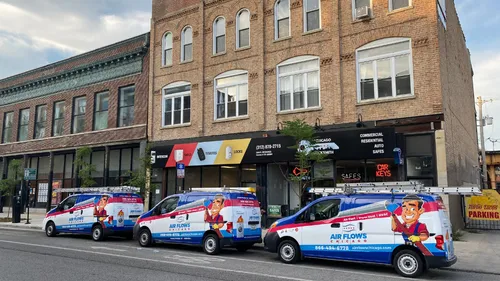
Air Flows Chicago - Belmont
3019 W Belmont Ave, Chicago, IL 60618
Air Flows Chicago - Belmont provides comprehensive HVAC, chimney, and indoor air quality services in Chicago, IL. They offer heating and cooling system installation, repair, and maintenance, including furnaces, boilers, air conditioners, ductless systems, and heat pumps. The company also specializes in chimney sweeping, inspection, and liner services, as well as dryer vent cleaning and repair. Their air duct cleaning and installation services help improve indoor air quality, supported by UV germicidal light installations, humidifiers, and air cleaners. Air Flows Chicago serves both residential and commercial clients and offers 24/7 emergency repair services to minimize downtime.
Hero Air
4823 W Patterson Ave, Chicago, IL 60641
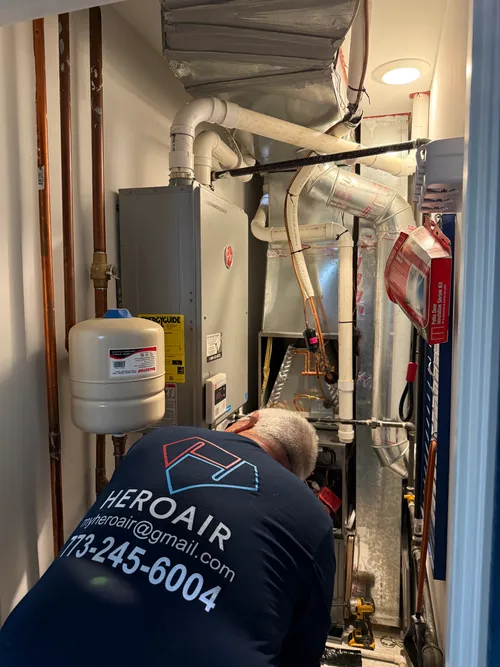
Hero Air is a family-owned HVAC company serving Chicago, IL, with over 10 years of experience. They provide a wide range of heating and air conditioning services including installation, repair, and maintenance for air conditioners, furnaces, boilers, and ductless mini splits. Hero Air also specializes in indoor air quality solutions such as UV germicidal treatments and dehumidifiers to maintain healthy and comfortable indoor environments. Their certified and insured technicians work with both residential and commercial clients to ensure efficient system performance throughout the year.

Eco Temp HVAC
1210 S Indiana Ave APT 4611, Chicago, IL 60605
Eco Temp HVAC is a Chicago, IL-based company specializing in heating and cooling services. They offer installation, repair, and maintenance for air conditioners, furnaces, boilers, ductless mini split systems, and thermostats. The company also provides indoor air quality solutions and professional air duct cleaning. Eco Temp HVAC is certified by American Standard, Mitsubishi, and Navien, and has been serving the Chicago area since 2016. They provide 24/7 availability, ensuring assistance is always accessible for urgent HVAC needs.
City & Suburban Heating & Cooling
1225 N Cleaver St, Chicago, IL 60642
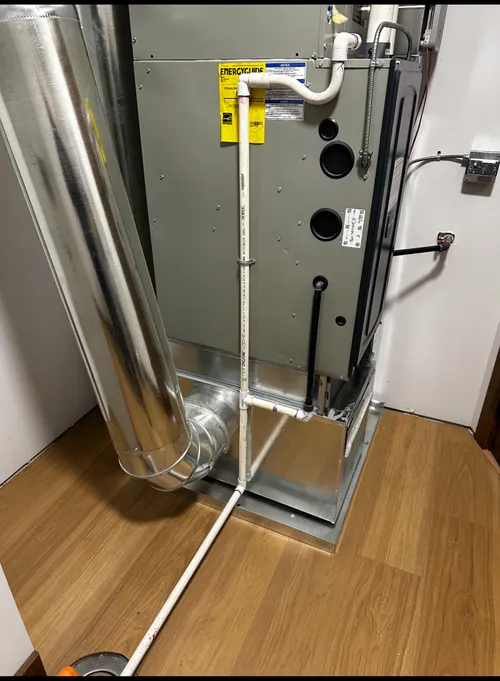
City & Suburban Heating & Cooling is a family-owned HVAC company serving Chicago, IL. Established in 1952, they provide a wide range of heating and cooling services including installation, repair, and maintenance of furnaces, air conditioners, heat pumps, boilers, and ductless systems. Their expertise extends to indoor air quality solutions such as humidifiers, dehumidifiers, and duct maintenance. The company offers emergency HVAC services daily until midnight except Sundays, ensuring timely support for urgent needs. Their licensed and NATE-certified technicians focus on safe, efficient, and reliable system performance for both residential and commercial clients.
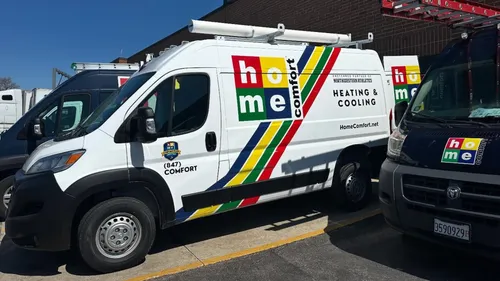
Home Comfort Services, Inc.
500 E Touhy Ave Unit H, Des Plaines, IL 60018
Home Comfort Services, Inc. provides heating and cooling services in Chicago, IL, including installation, repair, and maintenance of furnaces, boilers, heat pumps, air conditioners, and ductless mini-splits. They also offer light commercial HVAC services for businesses and mixed-use buildings in the Northwest Chicagoland area. With over 20 years of experience, the company handles both residential and commercial HVAC needs and is available year-round to support efficient system operation.
What is a Ductless Mini-Split System?
A ductless mini-split, often simply called a mini-split, consists of two main components: a quiet outdoor compressor/condenser and one or more indoor air-handling units. These components are connected by a conduit that houses refrigerant lines, power cables, and a condensate drain. Unlike traditional central air systems, ductless systems deliver conditioned air directly into each room from the indoor unit, eliminating energy losses associated with ductwork. This direct delivery method is a cornerstone of their high efficiency, allowing for precise temperature control in designated "zones" of your home.
Key Benefits for Schaumburg Homes
Why are ductless air conditioners and heat pumps becoming a popular choice in our area? The advantages are particularly well-suited to the diverse housing styles and seasonal demands of Schaumburg.
- Zoned Comfort and Efficiency: You can set different temperatures for different rooms. Cool the living room during the day and the bedrooms at night without wasting energy on unoccupied spaces. This zoning capability is a major driver of energy savings.
- Ideal for Homes Without Ducts: If you have a home with hydronic (radiator) heat, a finished basement, a sunroom, or a garage conversion, running new ducts can be prohibitively expensive and invasive. A ductless system is the perfect solution for adding climate control to these spaces.
- Flexible Installation: The indoor units are compact and require only a small hole in the wall for the conduit, making installation less disruptive than a major ductwork project.
- Year-Round Operation: Most modern mini-splits are heat pumps, meaning they provide both efficient cooling in the summer and effective heating in the winter, extracting heat from the outdoor air even in cold weather.
Common Installation Scenarios
Understanding when a ductless system is the right fit can help you plan your project. Typical applications in Schaumburg include:
- Whole-Home Conversion: Replacing an old, inefficient central system or providing full-home comfort in a house that never had ductwork installed.
- Room Additions and Supplemental Cooling: Adding climate control to new bedrooms, sunrooms, garages, attics, or home offices without the cost and complexity of extending existing duct runs 1 2.
- Creating Independent Zones: Solving temperature disagreements in a multi-story home or providing individualized comfort in bedrooms, living areas, or kitchens.
Choosing Your Indoor Unit Style
One of the first decisions you'll make is selecting the type of indoor air handler. The style impacts aesthetics, airflow, and placement.
- Wall-Mounted Units: This is the most common and recognizable type. They are installed high on an interior wall, providing excellent air distribution across the room. Their placement is crucial for avoiding drafts and ensuring even temperatures.
- Ceiling Cassettes: These units are recessed into the ceiling, with only a sleek grille visible. They are an excellent discrete option for rooms with high ceilings or open floor plans, as they distribute air in four directions.
- Floor-Mounted Units: Installed low on the wall, these are ideal for rooms with high windows, sloped ceilings (like in a finished attic), or where wall space is limited. They are also a good choice for accessibility reasons.
Placement is Key: Regardless of style, professional installers will ensure the unit is placed centrally in the zone it serves, away from large furniture, curtains, or other obstructions that could block airflow. Proper placement prevents short-cycling and maximizes comfort 3.
Find the perfect mini-split installers for your needs
Get personalized recommendations and expert advice
The Professional Installation Process
Installing a ductless mini-split is not a typical DIY project. It requires handling refrigerants, performing high-voltage electrical work, and ensuring the system is vacuum-sealed and charged correctly to protect your warranty and ensure efficiency. Here's what a professional installation entails:
- Site Evaluation and Planning: A technician will assess your home, discuss your comfort goals, determine the optimal locations for indoor and outdoor units, and calculate the correct system size (in BTUs).
- Mounting the Units: The indoor air handler(s) are securely mounted on the wall or ceiling. The outdoor condenser is placed on a stable, level pad (often concrete) in a location with adequate clearance for airflow and service access.
- Running the Conduit: A small hole (typically 3 inches) is drilled through the exterior wall. The conduit containing the refrigerant lines, drain line, and electrical wiring is run from the outdoor unit to each indoor unit.
- Electrical Connection: A dedicated electrical circuit is run from your home's main panel to the outdoor unit to provide the necessary power.
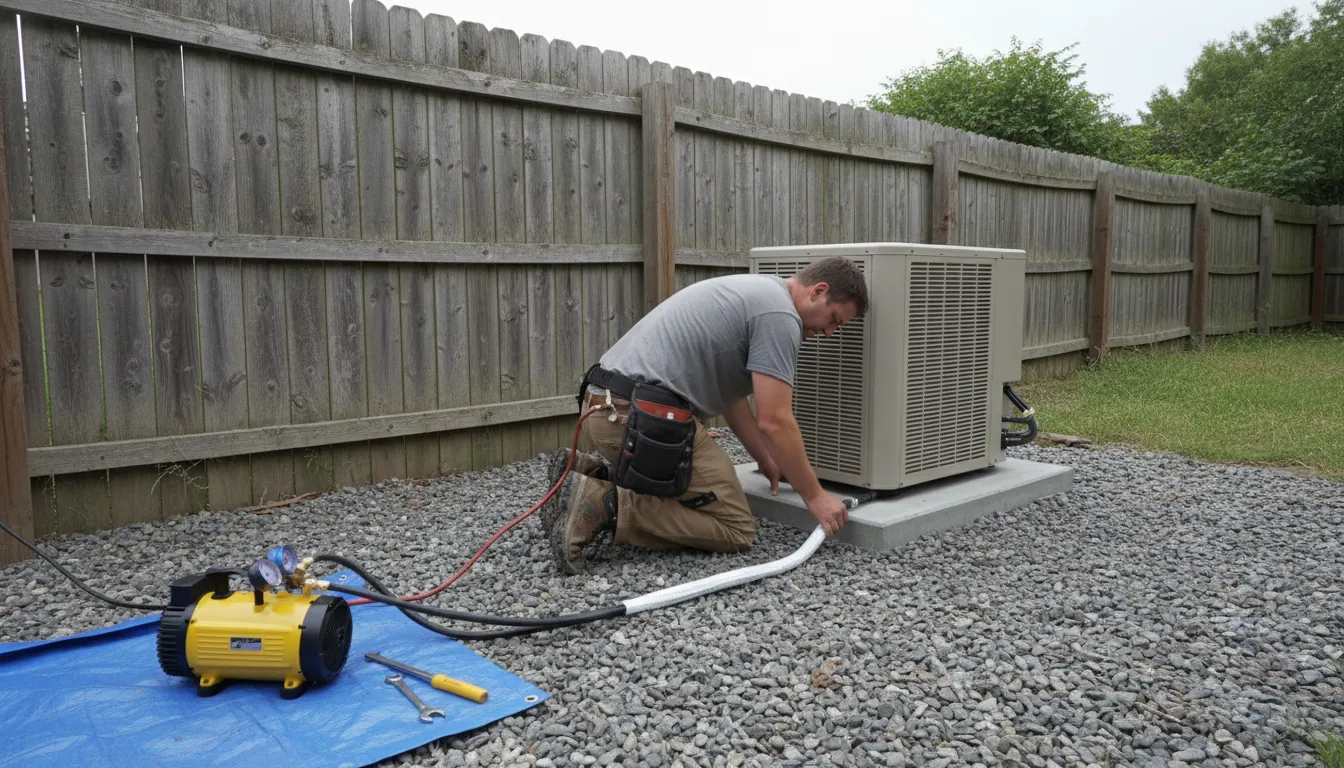
- Making the Connections: The refrigerant lines are flared, connected, and pressure-tested for leaks. The system is then evacuated with a vacuum pump to remove all moisture and air, which is critical for performance and longevity 4.
- System Startup and Testing: The system is charged with refrigerant, powered on, and tested in both heating and cooling modes. The installer will verify all functions, check drain operation, and often provide a tutorial on using the remote or Wi-Fi controls.
Understanding Installation Costs
The cost for ductless air conditioning installation in Schaumburg varies significantly based on the project's scope and complexity. Here's a general breakdown based on current market data:
- Single-Zone System (One Indoor Unit): This is the most straightforward installation, typically ranging from $2,000 to $5,000 5 6. The final price depends on the unit's efficiency (SEER2 rating), brand, and any necessary electrical upgrades.
- Multi-Zone System (2-3 Indoor Units): For cooling multiple rooms with one outdoor compressor, costs generally range from $5,500 to $8,500 or more7 8 9. Adding more zones increases the cost due to additional indoor units, more complex refrigerant line sets, and labor.
- Key Cost Factors: The final quote will be influenced by the unit's brand and efficiency, the complexity of the installation (e.g., running lines through multiple floors), local permit fees, and whether your electrical panel needs an upgrade to support the new circuit.
Critical Requirements and Permits
A successful installation hinges on meeting local codes and manufacturer specifications.
- Professional Installation is Mandatory: Only a licensed HVAC contractor can legally handle refrigerant and perform the critical vacuum and charging procedures required for warranty validation and peak efficiency 10.
- Permits are Usually Required: Most municipalities, including Schaumburg, require permits for the electrical work involved in installing a new dedicated circuit. Your contractor should handle pulling these permits 11.
- Outdoor Unit Clearance: The outdoor condenser must have sufficient clearance (usually 12-24 inches on all sides and above) for proper airflow and service access. Its placement should also consider noise for you and your neighbors 12.
Frequently asked questions
Sources
Footnotes
-
Ductless mini-split installation: Cool 2025 Guide - Southern Air - https://www.southern-air.com/blog/ductless-mini-split-installation ↩
-
How Much Does It Cost To Install A Ductless Mini Split? | IL - https://brueningheating.com/how-much-does-it-cost-to-install-a-ductless-mini-split/ ↩
-
Mini-Split Placement Guide: Best and Worst Spots for Installation - https://gulfshorecooling.com/mini-split-placement-guide/ ↩
-
Ductless Mini Split Setup: An Ultimate Guide - Airflow Heating & Air - https://www.goairflow.com/blog/ductless-mini-split-installation/ ↩
-
Understanding Mini Split Installation Costs A Complete Guide - https://armusmech.net/understanding-mini-split-installation-costs-a-complete-guide/ ↩
-
How Much Does a Mini Split Installation Cost? (2026) - HomeGuide - https://homeguide.com/costs/ductless-mini-split-ac-cost ↩
-
Ductless Mini-Split Installation Cost in 2025: Full Breakdown - https://osborneheatingncooling.com/ductless-mini-split-installation-cost/ ↩
-
What Is a 3-Zone Mini Split & Installation Cost Guide For 2026 - https://www.budgetheating.com/what-is-a-3-zone-mini-split-installation-cost-guid/ ↩
-
Understanding mini split installation costs: A quick guide - Homeaglow - https://www.homeaglow.com/hub/content/mini-split-installation-cost ↩
-
How to Install a Mini Split - The Home Depot - https://www.homedepot.com/c/ah/how-to-install-a-mini-split/9ba683603be9fa5395fab90c887a9dd ↩
-
How Much Does a Mini-Split Installation Cost? - Taskrabbit Blog - https://www.taskrabbit.com/blog/mini-split-installation-cost/ ↩
-
Home Air Conditioning Installation: Top Guide for 2025 - https://abacoairexperts.com/2025/03/06/home-air-conditioning-installation/ ↩