Find the Best Mini-Split Installers for Your Business
No obligation • Fast responses • Nationwide coverage

Why you can trust HVAC Firms
HVAC Firms is a leading United States resource for evaluating HVAC service providers. Our team researches companies, checks credentials, and reviews customer feedback to present clear, unbiased information. Listings and rankings are based on merit, and companies cannot pay to change our editorial content.
Search providers near you
Best Mini-Split Installers in Illinois Ranked
A ductless mini-split system is an efficient solution for zoned heating and cooling, ideal for room additions, homes without ductwork, or targeting specific areas for comfort. Professional installation is critical, as it involves complex electrical and refrigerant work that must comply with Illinois codes and safety standards. This guide provides the essential information you need to understand the process, costs, and benefits of installing a mini-split in Illinois, helping you connect with qualified local specialists.
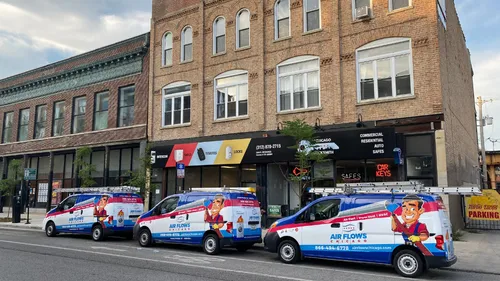
Air Flows Chicago - Belmont
3019 W Belmont Ave, Chicago, IL 60618
Air Flows Chicago - Belmont provides comprehensive HVAC, chimney, and indoor air quality services in Chicago, IL. They offer heating and cooling system installation, repair, and maintenance, including furnaces, boilers, air conditioners, ductless systems, and heat pumps. The company also specializes in chimney sweeping, inspection, and liner services, as well as dryer vent cleaning and repair. Their air duct cleaning and installation services help improve indoor air quality, supported by UV germicidal light installations, humidifiers, and air cleaners. Air Flows Chicago serves both residential and commercial clients and offers 24/7 emergency repair services to minimize downtime.
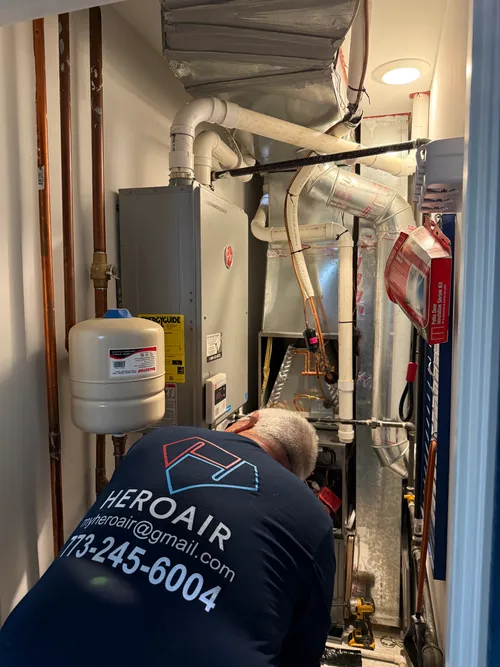
Hero Air
4823 W Patterson Ave, Chicago, IL 60641
Hero Air is a family-owned HVAC company serving Chicago, IL, with over 10 years of experience. They provide a wide range of heating and air conditioning services including installation, repair, and maintenance for air conditioners, furnaces, boilers, and ductless mini splits. Hero Air also specializes in indoor air quality solutions such as UV germicidal treatments and dehumidifiers to maintain healthy and comfortable indoor environments. Their certified and insured technicians work with both residential and commercial clients to ensure efficient system performance throughout the year.

Eco Temp HVAC
1210 S Indiana Ave APT 4611, Chicago, IL 60605
Eco Temp HVAC is a Chicago, IL-based company specializing in heating and cooling services. They offer installation, repair, and maintenance for air conditioners, furnaces, boilers, ductless mini split systems, and thermostats. The company also provides indoor air quality solutions and professional air duct cleaning. Eco Temp HVAC is certified by American Standard, Mitsubishi, and Navien, and has been serving the Chicago area since 2016. They provide 24/7 availability, ensuring assistance is always accessible for urgent HVAC needs.
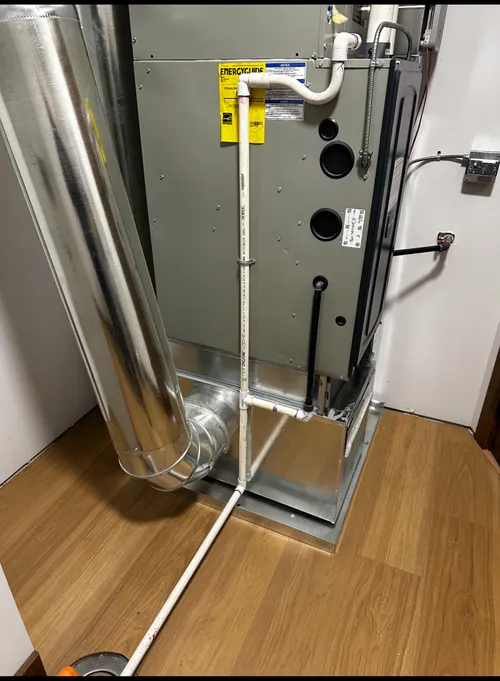
City & Suburban Heating & Cooling
1225 N Cleaver St, Chicago, IL 60642
City & Suburban Heating & Cooling is a family-owned HVAC company serving Chicago, IL. Established in 1952, they provide a wide range of heating and cooling services including installation, repair, and maintenance of furnaces, air conditioners, heat pumps, boilers, and ductless systems. Their expertise extends to indoor air quality solutions such as humidifiers, dehumidifiers, and duct maintenance. The company offers emergency HVAC services daily until midnight except Sundays, ensuring timely support for urgent needs. Their licensed and NATE-certified technicians focus on safe, efficient, and reliable system performance for both residential and commercial clients.
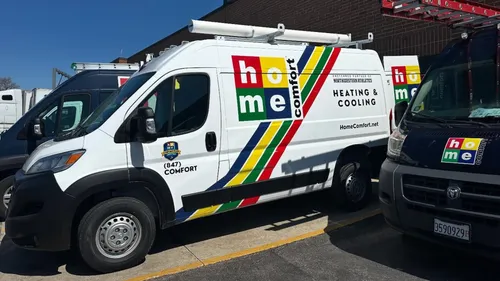
Home Comfort Services, Inc.
500 E Touhy Ave Unit H, Des Plaines, IL 60018
Home Comfort Services, Inc. provides heating and cooling services in Chicago, IL, including installation, repair, and maintenance of furnaces, boilers, heat pumps, air conditioners, and ductless mini-splits. They also offer light commercial HVAC services for businesses and mixed-use buildings in the Northwest Chicagoland area. With over 20 years of experience, the company handles both residential and commercial HVAC needs and is available year-round to support efficient system operation.
Understanding Ductless Mini-Split Systems
Ductless mini-splits, often simply called mini-splits, consist of an outdoor compressor/condenser unit connected by refrigerant lines to one or more indoor air-handling units. This design eliminates the need for extensive ductwork, making them a versatile option for many Illinois homes. They provide independent temperature control (or "zoning") for different rooms, which can significantly improve comfort and reduce energy waste by not conditioning unoccupied spaces. For older homes, sunrooms, garages, or new additions where extending ductwork is impractical or prohibitively expensive, a ductless system is often the most sensible and efficient choice.
Why Professional Installation is Non-Negotiable
While the compact size of mini-split units might suggest a simple installation, the process is a job for licensed professionals. It involves multiple skilled trades and strict adherence to building codes for safety, efficiency, and system longevity.
- Electrical Work: Installing a mini-split requires a dedicated electrical circuit from your home's main panel to the outdoor unit. This is not a standard outlet connection and must be performed by a licensed electrician to ensure it meets the National Electrical Code (NEC) and local amendments, preventing fire hazards and ensuring reliable operation.
- Refrigerant Handling: Connecting the refrigerant lines between the indoor and outdoor units is a precise task. The technician must be EPA 608 certified to legally handle the refrigerant, which is essential for both environmental protection and system performance. Proper evacuation of the lines to remove moisture and air is critical; failure here can lead to reduced efficiency, compressor failure, and costly repairs.
- Structural and Aesthetic Considerations: Professionals will determine the optimal placement for both the indoor and outdoor units. This ensures secure mounting, proper clearances for airflow and service access, correct routing of lines through walls, and a condensate drainage plan that prevents water damage. They also ensure the installation looks clean and professional.
Attempting a DIY installation can void the manufacturer's warranty, lead to code violations that complicate a home sale, and often results in poor performance or system damage that requires a professional to fix-ultimately costing more than hiring an expert from the start.
Licensing, Permits, and Illinois Regulations
In Illinois, installing a mini-split is a regulated activity to ensure public safety and system efficiency. Homeowners should verify that any contractor they hire complies with these requirements.
- Contractor Licensing: While Illinois does not have a statewide HVAC license, many municipalities require HVAC contractors to hold specific local licenses. Furthermore, the electrical portion of the job must be completed by a licensed electrician. Always ask for proof of licensing and insurance.
- Required Permits: Most local jurisdictions in Illinois will require permits for a mini-split installation. This typically includes a mechanical permit for the HVAC equipment and refrigerant work and an electrical permit for the new circuit and wiring 1 2. The permitting process involves an inspector reviewing the work to ensure it meets safety codes. A reputable contractor will typically pull these permits on your behalf. Installing a system without the required permits is illegal and can result in fines and an order to remove the non-compliant system 1.
- EPA Certification: As mentioned, any technician handling refrigerant must have EPA Section 608 certification. This is a federal requirement.
Cost Breakdown for Illinois Homeowners
The total investment for a ductless mini-split system in Illinois varies based on system capacity, the number of indoor zones, and installation complexity. Understanding the cost components helps in budgeting and evaluating quotes.
- Equipment and Labor: This is the core cost. For a single-zone system (one outdoor unit, one indoor head), homeowners can expect a range of $2,000 to $5,000+, including professional installation. For multi-zone systems (one outdoor unit supporting multiple indoor heads), costs can range from $5,000 to $8,000 or more3 4. The final price depends on the brand, efficiency ratings, and labor rates in your area.
- Additional and Hidden Costs:
- Permit Fees: Local permit fees can add $250 to $400 to the total project cost 5.
- Electrical Work: If a new dedicated circuit is needed, this can cost $250 or more on top of the HVAC quote 6.
- Installation Accessories: Costs for a concrete pad for the outdoor unit, a protective cover, or custom-length line-set covers can add up.
- Wall Repairs/Modifications: Cutting holes for linesets and repairing drywall afterward may involve additional tradespeople.
Find the perfect mini-split installers for your needs
Get personalized recommendations and expert advice
Maximizing Savings with Rebates and Tax Credits
A significant advantage of installing a high-efficiency mini-split in Illinois today is the availability of financial incentives that can substantially reduce your net cost.
- Federal Tax Credit (Inflation Reduction Act): The federal government offers a tax credit for qualified energy-efficient home improvements. You can claim 30% of the project cost, up to a maximum of $2,000 per year, for the installation of an ENERGY STAR® certified ductless mini-split heat pump 7. This credit is applied to your income tax liability.
- Illinois Utility Rebates: Many utility companies in Illinois offer direct rebates to customers who install efficient equipment.
- These rebates often require the equipment to meet specific efficiency thresholds (e.g., 16 SEER2 and 9.5 HSPF2) and must be installed by a participating contractor 12. Rebates are typically paid directly to you after installation and submission of required documentation.
Pro Tip: Always discuss available rebates with your installer before purchase. They can help you select qualifying equipment and guide you through the application process to ensure you capture every available dollar of savings.
The Installation Process: What to Expect
A professional installation typically follows these key steps:
- Site Evaluation and Load Calculation: A technician will assess your home to determine the correct system size (BTUs) and optimal placement for units.
- Permitting: Your contractor will obtain the necessary mechanical and electrical permits from your local building department.
- Mounting: The indoor wall-mounted or ceiling cassette unit is securely installed, and the outdoor condenser is placed on a stable pad or mounting brackets.
- Drilling and Line Routing: A small hole (typically 3 inches) is drilled through the exterior wall to connect the indoor and outdoor units. Refrigerant lines, electrical wiring, and a condensate drain line are run through a protective conduit.
- Electrical Connection: A licensed electrician runs a dedicated circuit from your electrical panel to the outdoor unit.
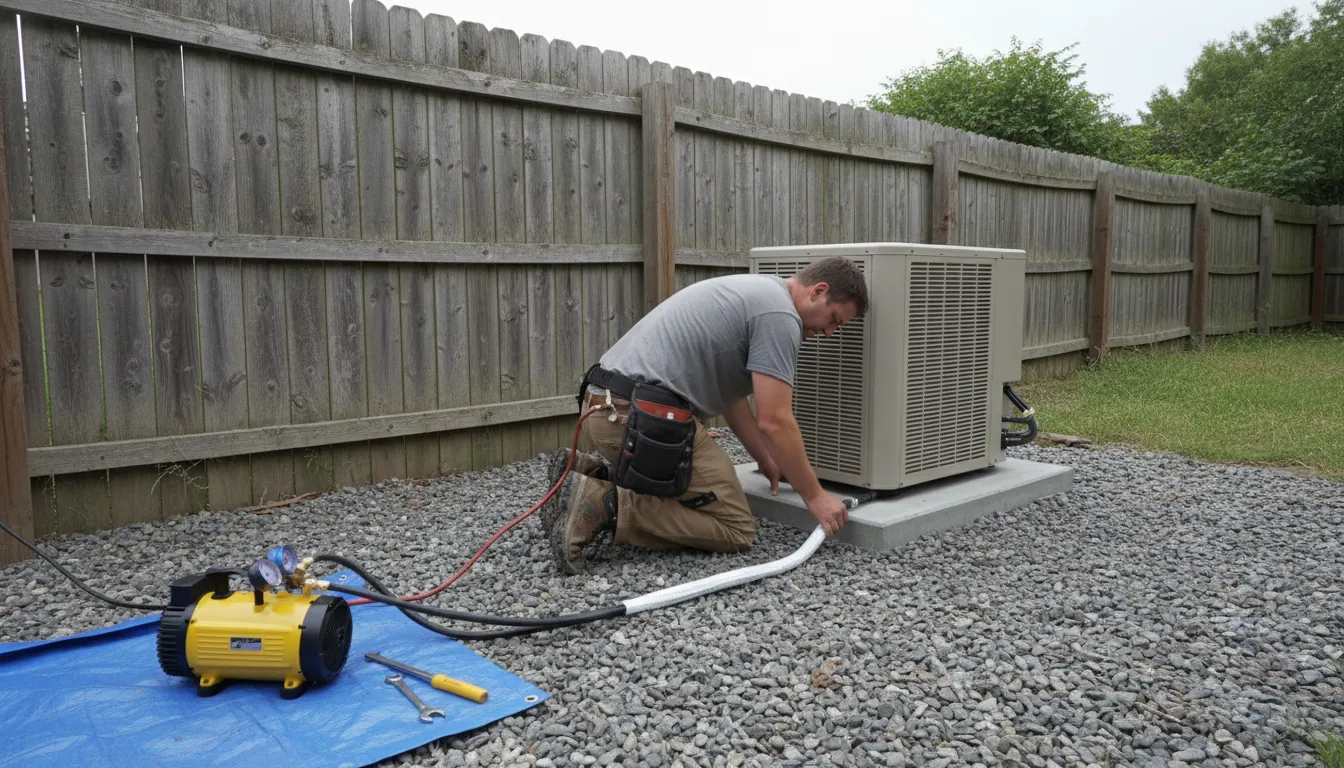
- System Evacuation and Charging: The refrigerant lines are connected and then vacuumed to remove all moisture and air-a critical step for longevity and efficiency. The system is then charged with refrigerant.
- Testing and Commissioning: The system is powered on, tested in both heating and cooling modes, and checked for proper airflow, drainage, and thermostat control. The technician will also show you how to operate and maintain your new system.
Long-Term Value and Efficiency
While the upfront cost of a ductless system can be higher than a window unit or portable AC, the long-term value is compelling. Modern mini-splits are extremely energy-efficient, often having SEER ratings above 20, which translates to lower monthly utility bills. The zoned comfort means you're only conditioning the spaces you use. When you factor in the available federal and state incentives, the payback period can be quite attractive, making a mini-split an economical and comfortable upgrade for your Illinois home 13.
Frequently asked questions
Sources
Footnotes
-
Is It Legal to Install a Ductless Mini Split Without Permission? - https://dellahome.com/blogs/della-blog/is-it-legal-to-install-a-ductless-mini-split-without-permission ↩ ↩2
-
Do You Need a Permit to Install a Mini Split? Find Out Now - https://www.edsheatingandcooling.com/blog/do-you-need-a-permit-to-install-a-mini-split-find-out-now/ ↩
-
Ductless mini-split installation: Cool 2025 Guide - Southern Air - https://www.southern-air.com/blog/ductless-mini-split-installation ↩
-
Ductless Mini Split Installation: A Complete Guide - https://www.goairflow.com/blog/ductless-mini-split-installation/ ↩
-
How Much Does It Cost To Install A Ductless Mini Split? | IL - https://brueningheating.com/how-much-does-it-cost-to-install-a-ductless-mini-split/ ↩
-
Cost to Install Mini Split AC System in 2025 - https://dellahome.com/blogs/della-blog/cost-to-install-mini-split-ac-system ↩
-
Explore Discounts & Mini Split Tax Credits in 2025 - Carrier - https://www.carrier.com/residential/en/us/products/ductless-mini-splits/tax-credits/ ↩
-
Ductless Mini-Split Heat Pump - Ameren Illinois Energy ... - https://amerenillinoissavings.com/residential/ductless-heat-pump/ ↩
-
Illinois Heat Pump Incentives, Tax Credits, and Rebates (2025) - https://www.energysage.com/heat-pumps/heat-pump-incentives/illinois-heat-pump-incentives/ ↩
-
Navigating Illinois HVAC Rebates and Incentives - https://chrismech.com/navigating-hvac-rebates-and-incentives-in-illinois-what-homeowners-need-to-know/ ↩
-
Ductless Mini-Split Installation Cost in 2025: Full Breakdown - https://osborneheatingncooling.com/ductless-mini-split-installation-cost/ ↩
-
Ductless Mini Split Installation Guide: What Every Homeowner ... - https://www.aceanda.com/blog/ductless-mini-split-installation-guide-what-every-homeowner-should-know/ ↩
-
Is a Ductless Mini-Split Installation a DIY Project A Complete Guide - https://www.heating-ac.com/blog/is-a-ductless-mini-split-installation-a-diy-project-a-complete-guide ↩