Find the Best Mini-Split Installers for Your Business
No obligation • Fast responses • Nationwide coverage

Why you can trust HVAC Firms
HVAC Firms is a leading United States resource for evaluating HVAC service providers. Our team researches companies, checks credentials, and reviews customer feedback to present clear, unbiased information. Listings and rankings are based on merit, and companies cannot pay to change our editorial content.
Search providers near you
Top Mini-Split Installers in Elgin, Illinois Ranked
A ductless mini-split system is a versatile heating and cooling solution that provides targeted comfort without the need for extensive ductwork. For Elgin homeowners, these systems are particularly valuable for managing the distinct seasons, offering efficient zone control for specific rooms or entire homes. This guide will help you understand the process, benefits, and considerations for installing a ductless system, empowering you to make an informed decision and connect with qualified local professionals for your project.
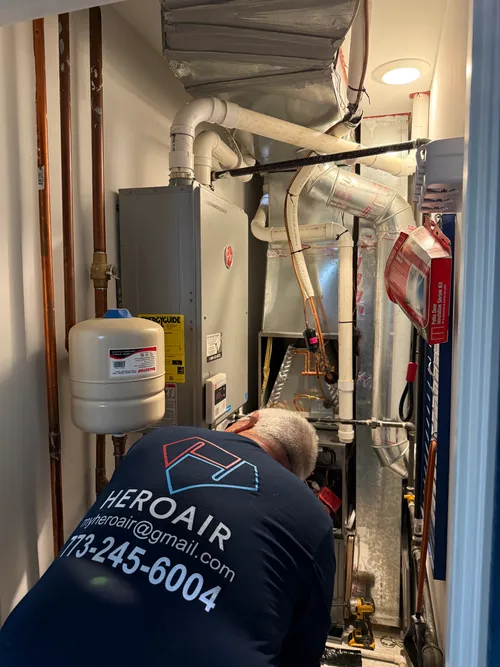
Hero Air
4823 W Patterson Ave, Chicago, IL 60641
Hero Air is a family-owned HVAC company serving Chicago, IL, with over 10 years of experience. They provide a wide range of heating and air conditioning services including installation, repair, and maintenance for air conditioners, furnaces, boilers, and ductless mini splits. Hero Air also specializes in indoor air quality solutions such as UV germicidal treatments and dehumidifiers to maintain healthy and comfortable indoor environments. Their certified and insured technicians work with both residential and commercial clients to ensure efficient system performance throughout the year.
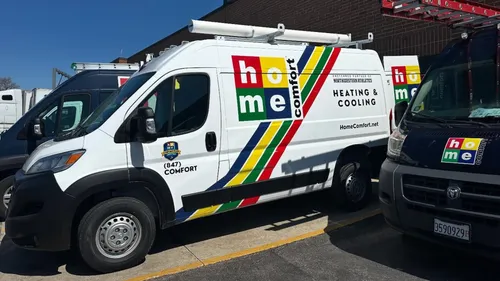
Home Comfort Services, Inc.
500 E Touhy Ave Unit H, Des Plaines, IL 60018
Home Comfort Services, Inc. provides heating and cooling services in Chicago, IL, including installation, repair, and maintenance of furnaces, boilers, heat pumps, air conditioners, and ductless mini-splits. They also offer light commercial HVAC services for businesses and mixed-use buildings in the Northwest Chicagoland area. With over 20 years of experience, the company handles both residential and commercial HVAC needs and is available year-round to support efficient system operation.
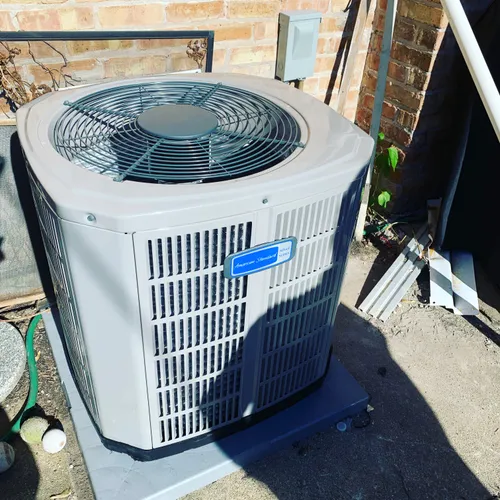
Polar Vortex Heating & Cooling
3646 W Oakdale Ave Apt #2, Chicago, IL 60618
Polar Vortex Heating & Cooling is an HVAC company based in Chicago, IL, specializing in heating and cooling system installation, repair, and maintenance. They provide services for air conditioning, boilers, forced air systems, rooftop units, and indoor air quality products. The company installs American Standard heating and cooling products as well as Mitsubishi mini splits. Polar Vortex is NATE certified and a ComEd ICC certified energy efficiency installer, ensuring energy-efficient solutions for their clients. They offer 24/7 emergency services to address urgent HVAC needs promptly.
Eco Air Pros Heating & Cooling
2303 N 77th Ct, Elmwood Park, IL 60707
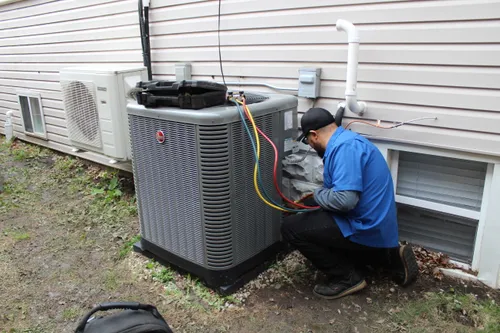
Eco Air Pros Heating & Cooling is a family-owned HVAC company based in Elmwood Park, serving the Chicago, IL area. They provide a wide range of heating and cooling services including installation, repair, and maintenance of air conditioners, furnaces, heat pumps, boilers, and ductless mini split systems. The company also offers indoor air quality solutions such as duct cleaning, UV light installation, humidifiers, and smart thermostat setup. With over 15 years of industry experience, Eco Air Pros focuses on customized HVAC solutions and environmentally friendly practices to meet the unique needs of both residential and commercial clients.
House of Heat
334 Harrison St, Oak Park, IL 60304
House of Heat is a family-owned HVAC company serving Chicago, IL, and nearby areas. They provide a full range of heating and cooling services including repair, installation, and maintenance for air conditioners, furnaces, heat pumps, boilers, mini splits, and other HVAC systems. As a licensed and bonded dealer with over 60 years of experience, they offer expertise with top brands like Lennox®, Weil McLain, Fujitsu, and Triangle Tube. Their services include custom sheet metal fabrication and 24-hour availability year-round.
Understanding Ductless Mini-Split Systems
Often called ductless heat pumps or simply mini-splits, these systems consist of one or more quiet indoor air handlers connected to a single outdoor condenser unit via a small conduit that houses refrigerant lines, power cables, and a condensate drain. Unlike traditional central HVAC that pushes air through a network of ducts, a ductless installation delivers conditioned air directly into each zone it serves. This fundamental difference makes them exceptionally efficient, as they avoid the energy losses associated with ductwork, which can account for more than 30% of energy consumption in a standard system. The technology uses inverter-driven compressors that adjust their speed to match the exact heating or cooling demand, maintaining a consistent temperature without the constant on/off cycling of conventional systems.
Ideal Applications for Elgin Homes
Ductless technology solves specific comfort challenges common in the Elgin area. Its flexibility makes it a perfect fit for several scenarios:
- Room Additions and Finished Spaces: Adding a sunroom, converting a garage, or finishing a basement often presents a ductwork dilemma. Extending existing ducts can be prohibitively expensive and disruptive. A mini-split provides a dedicated, efficient climate control solution for these new spaces without touching the main system.
- Historic Homes: Preserving the character of Elgin's older homes is a priority. Installing bulky ductwork can damage historic plaster, require lowering ceilings, or simply be architecturally impossible. A ductless system requires only a small, discreet hole for the lineset, making it an ideal, non-invasive upgrade for heating and cooling 1.
- Whole-Home Zoned Comfort: For families where everyone has different temperature preferences, or for homes with rooms that are consistently too hot or cold, a multi-zone mini-split installation creates personalized comfort zones. You can cool a sun-facing bedroom while keeping a basement den cozy, all while optimizing energy use.
- Supplemental Heating and Cooling: If your central furnace or air conditioner struggles to keep up during extreme weather, a strategically placed ductless unit can provide a powerful boost to the most problematic area, such as a second-story master suite, without the cost of replacing the entire system.
System Types and Configurations
Choosing the right configuration is key to maximizing comfort and value. The two primary setups are defined by the number of zones.
- Single-Zone Systems: This is the most straightforward setup, linking one indoor unit to one outdoor unit. It's an excellent and cost-effective choice for conditioning a single space, such as a home office, garage workshop, or primary bedroom.
- Multi-Zone Systems: A single outdoor condenser can be connected to multiple indoor units (typically 2, 3, 4, or more). Each indoor unit operates independently, allowing you to set different temperatures in the living room, kitchen, and bedrooms simultaneously. This provides whole-home comfort with the efficiency of a single system and is often more affordable than installing multiple single-zone units 2.
Indoor Unit Styles and Placement
The indoor unit, or air handler, comes in several styles to suit different room layouts and aesthetic preferences. Proper placement is critical for performance, airflow, and comfort.
- High-Wall Units: The most common and recognizable style. They are mounted high on an exterior wall, near the ceiling. This placement allows for optimal air circulation as cool air naturally falls. Installers aim for about 6 to 12 inches of clearance from the ceiling and at least 6 inches from side walls to ensure unrestricted airflow 3 4.
- Floor-Mounted Units: Ideal for rooms with low ceilings, large windows, or where wall space is limited. They are installed close to the floor, often beneath windows, to counteract drafts and provide even heating and cooling across the room's height.
- Ceiling Cassettes: These units are recessed into the ceiling, with only a sleek grill visible. They distribute air in four directions for very even coverage and are a popular choice for commercial spaces or homes where a discreet, built-in look is desired 5.
- Concealed Ducted Units: A less common but valuable option, these units can be hidden in a closet or above a drop ceiling and connect to short, small duct runs to serve multiple outlets in a single room or area, offering a more centralized look.
The Professional Installation Process
A successful ductless installation is a precise job best left to certified technicians. Proper installation ensures efficiency, reliability, and the validity of manufacturer warranties. The key steps include:
- Site Evaluation and Load Calculation: A technician will assess your space to determine the correct heating and cooling capacity (measured in BTUs) needed for each zone. An undersized unit will struggle, while an oversized one will short-cycle, reducing comfort and efficiency.
- Mounting the Indoor Unit: The bracket for the indoor air handler is securely anchored to wall studs or ceiling joists, ensuring it is perfectly level.
- Drilling the Lineset Hole: A small hole (typically around 3 inches in diameter) is carefully drilled through the exterior wall to connect the indoor and outdoor units. The hole is sealed to prevent air and moisture infiltration.
- Setting the Outdoor Condenser: The outdoor unit is placed on a stable, level pad (often concrete) with ample clearance on all sides-usually 24 inches or more-as specified by the manufacturer for proper airflow and service access 6 7.
- Connecting the Lineset: The pre-charged refrigerant tubing, condensate drain line, and electrical wiring are run through the wall conduit and connected between the units. These lines are often concealed inside a paintable plastic channel called a line hide for a clean appearance.
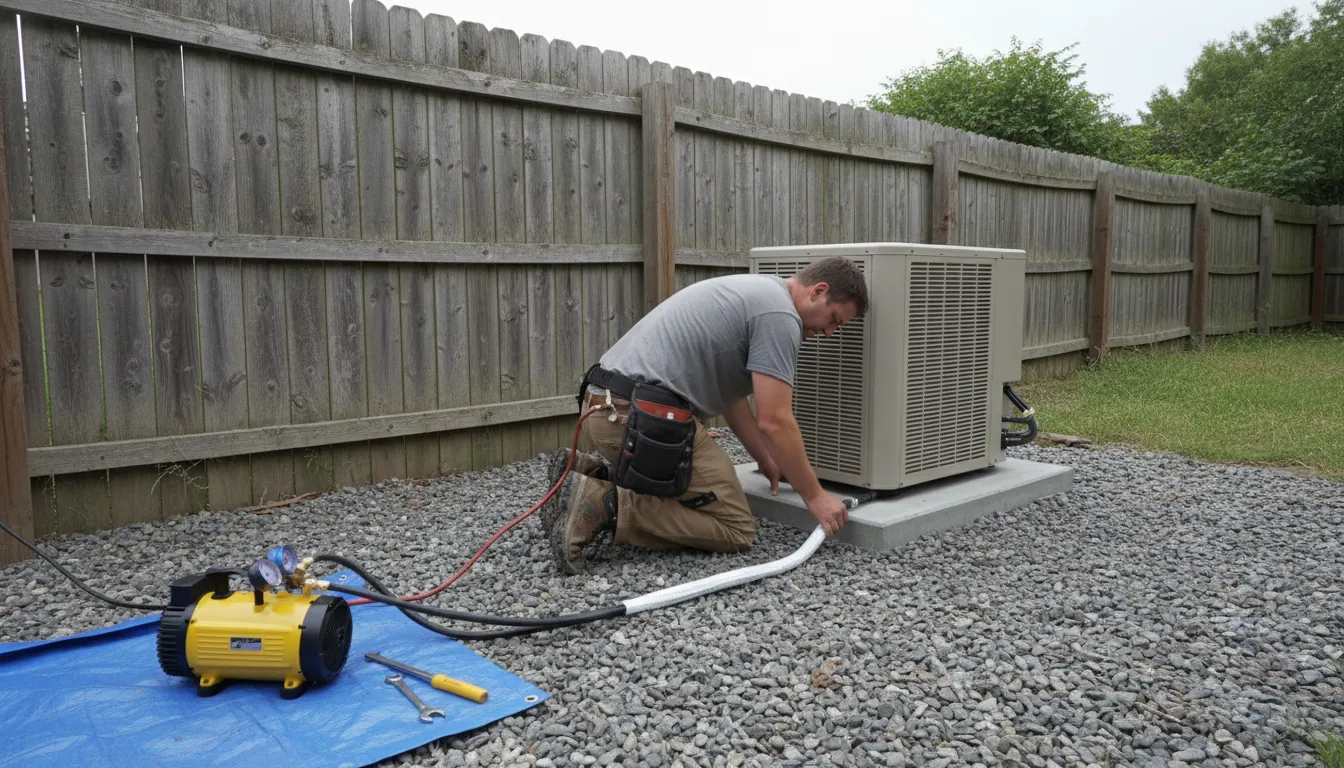
- Evacuation and Charging: The refrigerant lines are connected using a vacuum pump to remove all air and moisture, a critical step to prevent system damage and ensure peak efficiency. The system is then charged with refrigerant.
- System Commissioning: The technician powers on the system, tests all functions, checks for leaks, verifies drainage, and programs the thermostats or remote controls. They will also explain basic operation and maintenance to the homeowner.
Find the perfect mini-split installers for your needs
Get personalized recommendations and expert advice
Cost Considerations for Elgin Installations
The investment for a ductless mini-split installation in Elgin varies based on system complexity, brand, and efficiency. The total cost encompasses equipment, labor, materials, and permits.
- Single-Zone System: For a basic, high-quality single-zone installation, homeowners can expect a range of $3,000 to $5,000 or more 8. This covers one indoor and one outdoor unit.
- Multi-Zone Systems: Costs increase with additional zones. A two or three-zone system typically ranges from $5,500 to $8,500+, while a whole-home system with four or more zones can range from $8,000 to $15,000 or higher9 10 11.
- Key Cost Factors:
- Number of Zones & Capacity: More indoor units and a larger outdoor condenser increase cost.
- Equipment Brand and Features: Premium brands like Mitsubishi and Fujitsu often command a higher price than value-oriented brands, reflecting advanced technology, reliability, and longer warranties. Systems with higher SEER2 (Seasonal Energy Efficiency Ratio) ratings for cooling and HSPF (Heating Seasonal Performance Factor) for heating are more efficient but may have a higher upfront cost.
- Installation Complexity: Factors like the need for new electrical circuits, difficult wall constructions (brick, stone), long lineset runs, or complex mounting can add to labor time and cost.
- Indoor Unit Style: Ceiling cassettes and floor units may have slightly different installation requirements and costs compared to standard high-wall units.
Long-Term Value and Efficiency
While the initial investment is a consideration, the long-term value of a ductless mini-split is significant for Elgin residents. Their superior efficiency directly translates to lower monthly utility bills, especially during the humid summers and cold winters. By creating zones, you avoid conditioning unoccupied rooms, which can lead to substantial energy savings-often 20-30% compared to running a central system 12 13. Furthermore, the installation is less invasive and often quicker than installing or replacing a ducted system. With no ducts to clean or leak, maintenance is simpler, typically involving just regular filter cleaning and annual professional check-ups. For targeted comfort, home additions, or efficient whole-home upgrades, a ductless mini-split installation presents a smart, modern solution.
Frequently asked questions
Sources
Footnotes
-
Ductless Mini-Split Service Elgin IL - Kustom Heating & Cooling - https://www.kustomheating.com/webapp/p/562/ductless ↩
-
How Much Does It Cost To Install A Ductless Mini Split? | IL - https://brueningheating.com/how-much-does-it-cost-to-install-a-ductless-mini-split/ ↩
-
#1 Ductless Mini Split AC Installation in Elgin, IL With Over 400 5 ... - https://leith-hvac.com/ductless-elgin-il/ ↩
-
DIY Mini Split Install - All the Things Nobody Shows You - https://www.youtube.com/watch?v=2mKwCmaR5Qg&t=16 ↩
-
How To Create A Zoned Mini-Split System For Your Home - https://www.princetonfuel.com/blog/zoned-mini-split-system/ ↩
-
Ductless Mini Split Setup: An Ultimate Guide - Airflow Heating & Air - https://www.goairflow.com/blog/ductless-mini-split-installation/ ↩
-
Mini Split Size Dimensions Elgin IL - https://compassheatingandair.com/mini-split-size-dimensions-elgin-il/ ↩
-
Cost of Ductless Mini Split Installation in Palos Hills, IL - https://a-guy.com/cost-ductless-mini-split-installation-palos-hills-il/ ↩
-
Ductless Mini-Split Installation Cost in 2025: Full Breakdown - https://osborneheatingncooling.com/ductless-mini-split-installation-cost/ ↩
-
What Is a 3-Zone Mini Split & Installation Cost Guide For 2026 - https://www.budgetheating.com/what-is-a-3-zone-mini-split-installation-cost-guid/ ↩
-
How much to install mini split? - Mr. Good Guy HVAC - https://mrgoodguyhvac.com/how-much-to-install-mini-split/ ↩
-
Ductless mini-split installation: Cool 2025 Guide - Southern Air - https://www.southern-air.com/blog/ductless-mini-split-installation ↩
-
Ductless Mini Split Installation Costs in 2026 - Carrier - https://www.carrier.com/residential/en/us/products/ductless-mini-splits/ductless-mini-split-installation-cost/ ↩