Find the Best Mini-Split Installers for Your Business
No obligation • Fast responses • Nationwide coverage

Why you can trust HVAC Firms
HVAC Firms is a leading United States resource for evaluating HVAC service providers. Our team researches companies, checks credentials, and reviews customer feedback to present clear, unbiased information. Listings and rankings are based on merit, and companies cannot pay to change our editorial content.
Search providers near you
Top Mini-Split Installers in Nampa, Idaho Ranked
A ductless mini-split system is a modern, efficient solution for heating and cooling specific areas of your home. These systems provide zoned comfort, allowing you to control the temperature in individual rooms or additions without the need for extensive ductwork. For homeowners in Nampa, understanding the process, benefits, and local considerations for installing a mini-split can help you make an informed decision to improve your home's comfort and energy efficiency.

Peppy Heating and Cooling Boise
590 N Maple Grove Rd Ste #7, Boise, ID 83704
Peppy Heating and Cooling Boise is an HVAC company based in Boise, ID, offering a wide range of services including air conditioning, furnace, and heat pump repair and installation, as well as mini split systems, duct cleaning, thermostat installation, and indoor air quality solutions. They serve residential customers in the Boise area with expertise in installing and maintaining Trane systems and other reliable equipment. The company is known for thorough diagnostics and repairs, such as identifying and fixing ductwork issues and refrigerant leaks. Peppy Heating and Cooling Boise has built a reputation for honest, detailed service and clear communication with customers. They also provide maintenance plans and have experience with advanced air quality products like UV air scrubbers. While no specific business history or special availability is stated, customer feedback highlights their professionalism and technical knowledge.
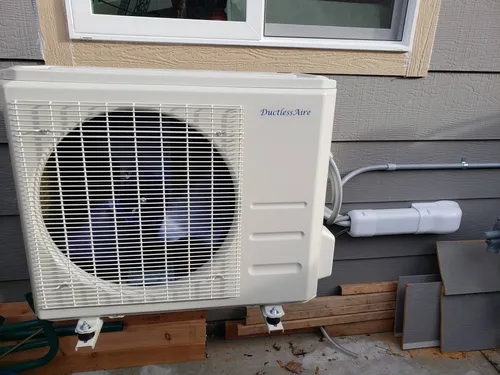
Casper Heating & Cooling Llc
3954 S Middlesex Pl, Boise, ID 83706
Casper Heating & Cooling LLC is an HVAC contractor based in Boise, ID, offering services such as AC repair, furnace repair, mini-split installation, and full HVAC system installation. With over 30 years of experience, they follow industry best practices and provide personalized consultations to address a wide range of heating and cooling needs. The company is fully licensed and insured, ensuring safety and compliance throughout their work.
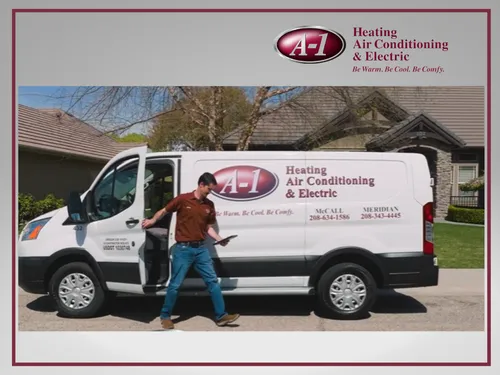
A-1 Heating, Air Conditioning & Electric
327 N Linder Rd, Meridian, ID 83642
A-1 Heating, Air Conditioning & Electric is a heating, cooling, and electrical contractor serving Boise, ID, and the surrounding Treasure Valley area. Established in 1956, the company offers a wide range of HVAC services including furnace and heat pump repair, AC installation, geothermal heat pump solutions, indoor air quality improvements, and electrical work for both residential and commercial clients. They provide 24/7 emergency HVAC services and have expertise in installing and maintaining energy-efficient systems tailored to each property's needs.
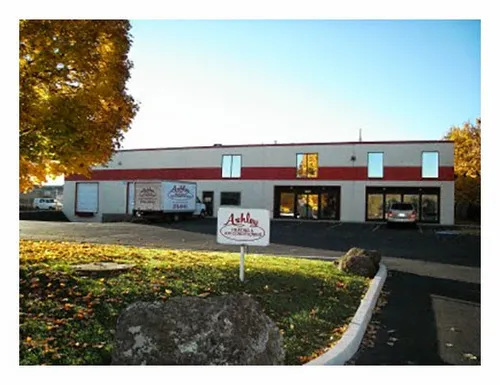
Ashley Heating Air & Water Systems
8243 W Westpark St, Boise, ID 83704
Ashley Heating Air & Water Systems is a locally owned HVAC company serving Boise, ID, and the Treasure Valley area. They provide a range of residential and commercial heating and cooling services, including air conditioning repair, furnace repair, HVAC installation, tune-ups, and indoor air quality solutions. As a proud Trane dealer with over 60 years of experience, they offer expertise in installing and maintaining reliable heating and cooling systems. The company also operates 24/7 to support customers whenever needed.
7th Element Heating & Cooling
1530 W State St Suite C, Meridian, ID 83642
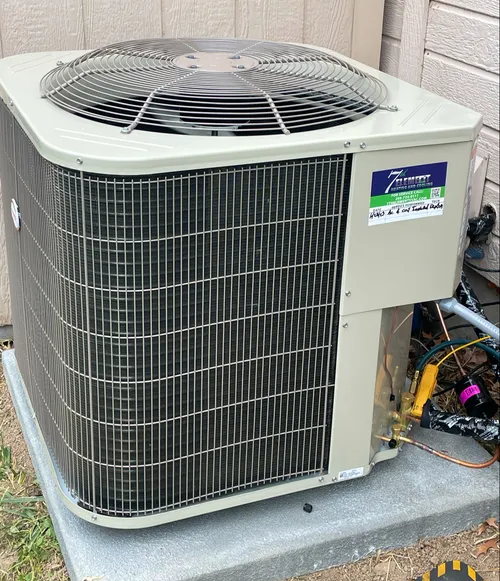
7th Element Heating & Cooling is an HVAC company based in Meridian, serving Boise, Eagle, and surrounding areas in Idaho. They provide a range of services including air conditioning and furnace repair, installation of HVAC systems and mini splits, as well as indoor air quality solutions. The company services all major manufacturers and offers capabilities such as full system installations and HVAC tune-ups. 7th Element Heating & Cooling is licensed, bonded, and insured, emphasizing values like integrity and accountability in their work.
What is a Ductless Mini-Split System?
A ductless mini-split, often simply called a mini-split or ductless system, consists of two main components: a quiet, wall-mounted indoor air handler and an outdoor condenser unit. These are connected by a small conduit that houses refrigerant lines, power cables, and a condensate drain, requiring only a small hole through your exterior wall. This design makes them an ideal choice for homes without existing ductwork or for creating targeted comfort zones. Unlike traditional central HVAC that conditions the entire house at once, a ductless installation allows for personalized temperature control in different areas, leading to significant energy savings and enhanced comfort.
Ideal Applications for Mini-Splits in Nampa Homes
Ductless technology is incredibly versatile, solving common comfort problems in many Treasure Valley homes.
- Single Room Additions: This is one of the most popular uses. If you've converted your garage, finished a basement, or added a sunroom, extending ductwork can be prohibitively expensive and disruptive. A mini-split installation provides a perfect, self-contained climate control solution for these spaces.
- Whole-Home Zoning: For larger homes or those with varying occupancy patterns, a multi-zone mini-split system can be installed to create different temperature zones. You can keep bedrooms cooler at night while maintaining a comfortable temperature in living areas, all without wasting energy on empty rooms.
- Supplementing Central Systems: Many homes in Nampa have a central furnace and air conditioner but still suffer from hot or cold spots. A strategically placed ductless unit can effectively supplement your existing system, boosting comfort in problematic areas like a south-facing master bedroom or a kitchen that gets too warm.
Key Benefits of Choosing a Mini-Split
Homeowners choose ductless installations for several compelling reasons that go beyond just cooling and heating.
- Energy Efficiency: Ductless systems are among the most efficient HVAC options available. By eliminating the energy losses associated with ductwork (which can be up to 30% in some homes) and allowing you to condition only occupied spaces, they can lead to noticeable savings on utility bills 1.
- Zoned Comfort Control: The primary advantage is zoned heating and cooling. Each indoor unit operates independently, so family members can set their preferred temperature in their own spaces. This eliminates thermostat wars and ensures everyone is comfortable.
- Quiet Operation: The noisiest component-the compressor-is located outside. The indoor air handlers operate at a whisper-quiet level, making them ideal for bedrooms, home offices, and living rooms where noise is a concern.
- Flexible Installation: Because they require no ducts, mini-splits are perfect for older homes, historic properties, or room additions where installing ductwork is impractical or impossible. The installation process is less invasive and typically cleaner than a traditional HVAC project 2.
Professional Installation Process
A successful and reliable mini-split installation requires precise work by trained professionals. The process typically follows these key steps:
- Consultation and Sizing: A technician will assess your home's layout, insulation, window exposure, and your specific comfort needs. Proper sizing is critical; an undersized unit won't keep up, while an oversized unit will short-cycle, reducing efficiency and comfort.
- Mounting the Indoor Unit: The indoor air handler is mounted high on an interior wall, central to the room for optimal air distribution. It's placed away from direct sunlight or heat sources and is angled slightly downward to ensure proper condensate drainage.
- Drilling the Conduit Hole: A small hole (typically 2-3 inches in diameter) is drilled through the exterior wall at a downward angle. This angle is crucial for the drain line to function correctly and prevent water backup.
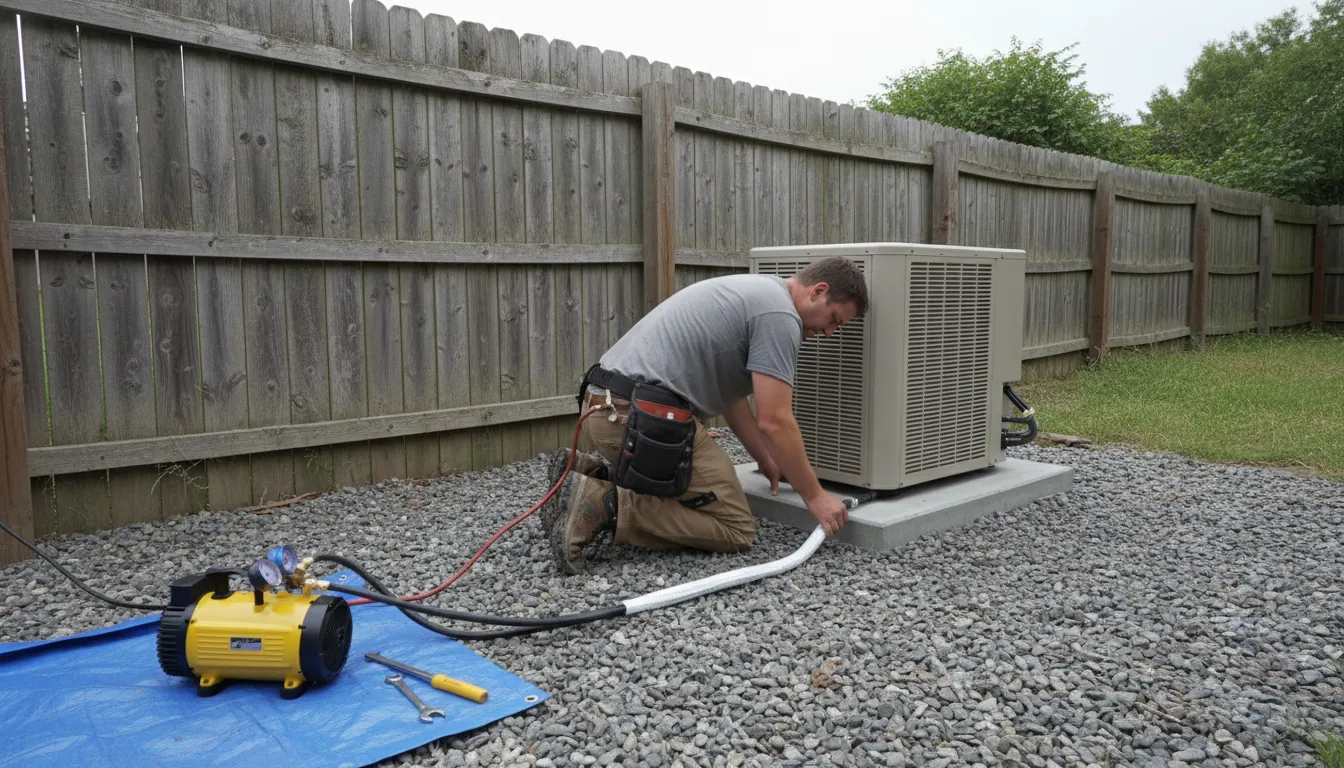
- Placing the Outdoor Unit: The condenser is installed on a stable, level pad or a wall-mounted bracket outside. It requires ample clearance on all sides and above for proper airflow and future maintenance access. Placement is chosen away from high foot traffic areas and where noise won't be a nuisance.
- Connecting the Lineset: The refrigerant lines, electrical wiring, and drain tube are run through the conduit hole and connected between the indoor and outdoor units. This requires careful flaring of copper lines and secure electrical connections.
- System Testing and Commissioning: The installer will perform a pressure test to check for leaks, pull a vacuum on the refrigerant lines to remove moisture and air, charge the system with the correct amount of refrigerant, and test all functions. This final step ensures optimal performance and efficiency 3.
Find the perfect mini-split installers for your needs
Get personalized recommendations and expert advice
Understanding Installation Costs in Nampa
The cost of a ductless mini-split installation in Nampa varies based on the scope and specifications of the project. Professional installation is required to maintain manufacturer warranties and ensure compliance with local building codes.
- Single-Zone System: For one indoor unit connected to one outdoor condenser, homeowners can expect costs generally ranging from $3,000 to over $5,000 4. The final price depends on the BTU capacity needed, the system's SEER2 efficiency rating, and the brand.
- Multi-Zone System: For a system with two to four or more indoor units connected to a single outdoor condenser, costs typically range from $5,500 to $15,000 or more5 6 7. The number of zones is the biggest cost driver.
- Factors Influencing Price: Key variables include the brand (premium brands like Mitsubishi or Fujitsu often command a higher price), labor rates, the complexity of the installation (such as running linesets over long distances), and any necessary electrical upgrades 8. It's also wise to inquire about potential rebates or federal tax credits for high-efficiency systems, which can help offset the initial investment.
Critical Placement Considerations
Where you place the components of your ductless system has a major impact on its performance, efficiency, and longevity.
- Indoor Unit Placement: The wall-mounted indoor unit should be installed high on a wall, at least 6-8 inches from the ceiling, to allow for optimal air throw across the room. Avoid placing it directly above televisions, furniture, or beds where airflow could be blocked, and keep it away from sources of heat or steam like kitchens and bathrooms 9.
- Outdoor Unit Placement: The outdoor condenser needs a stable, level foundation, such as a concrete pad or a dedicated wall bracket. Most importantly, it requires clear space around it-usually 12-24 inches on all sides and several feet above-to ensure adequate airflow for heat exchange. It should also be positioned in a location that allows for easy access for seasonal maintenance and repairs 10 11.
Frequently asked questions
Sources
Footnotes
-
Ductless mini-split installation: Cool 2025 Guide - Southern Air - https://www.southern-air.com/blog/ductless-mini-split-installation ↩
-
Ductless Mini Split Systems | Installation & Repair | Boise, ID - https://greensheating.com/residential/ductless-systems/ ↩
-
How to Install a Ductless Mini-Split Air Conditioner | This Old ... - https://www.youtube.com/watch?v=ozaw9QhxkQU&t=25 ↩
-
Ductless Mini-Split Installation: A Modern Comfort Solution for Your ... - https://www.7thelementhvac.com/ductless-mini-split-installation-a-modern-comfort-solution-for-your-meridian-home/ ↩
-
Ductless Mini-Split Installation Cost in 2025: Full Breakdown - https://osborneheatingncooling.com/ductless-mini-split-installation-cost/ ↩
-
What Is The Cost Of A Ductless Mini Split In Boise, ID? - https://snowflakeair.com/what-is-the-cost-of-a-ductless-mini-split-in-boise-id/ ↩
-
How Much Does It Cost to Install a Mini Split System? - https://elementairco.com/how-much-does-it-cost-to-install-a-mini-split-system/ ↩
-
How much to install mini split? - https://mrgoodguyhvac.com/how-much-to-install-mini-split/ ↩
-
Ductless Mini-Split Installation in Eagle: Your Guide to Zoned ... - https://www.7thelementhvac.com/ductless-mini-split-installation-in-eagle-your-guide-to-zoned-comfort-and-efficiency/ ↩
-
Ductless Mini-Split Installation: A Modern Comfort Solution for ... - https://www.7thelementhvac.com/ductless-mini-split-installation-a-modern-comfort-solution-for-your-nampa-home/ ↩
-
Ductless Mini Split Setup: An Ultimate Guide - Airflow Heating & Air - https://www.goairflow.com/blog/ductless-mini-split-installation/ ↩