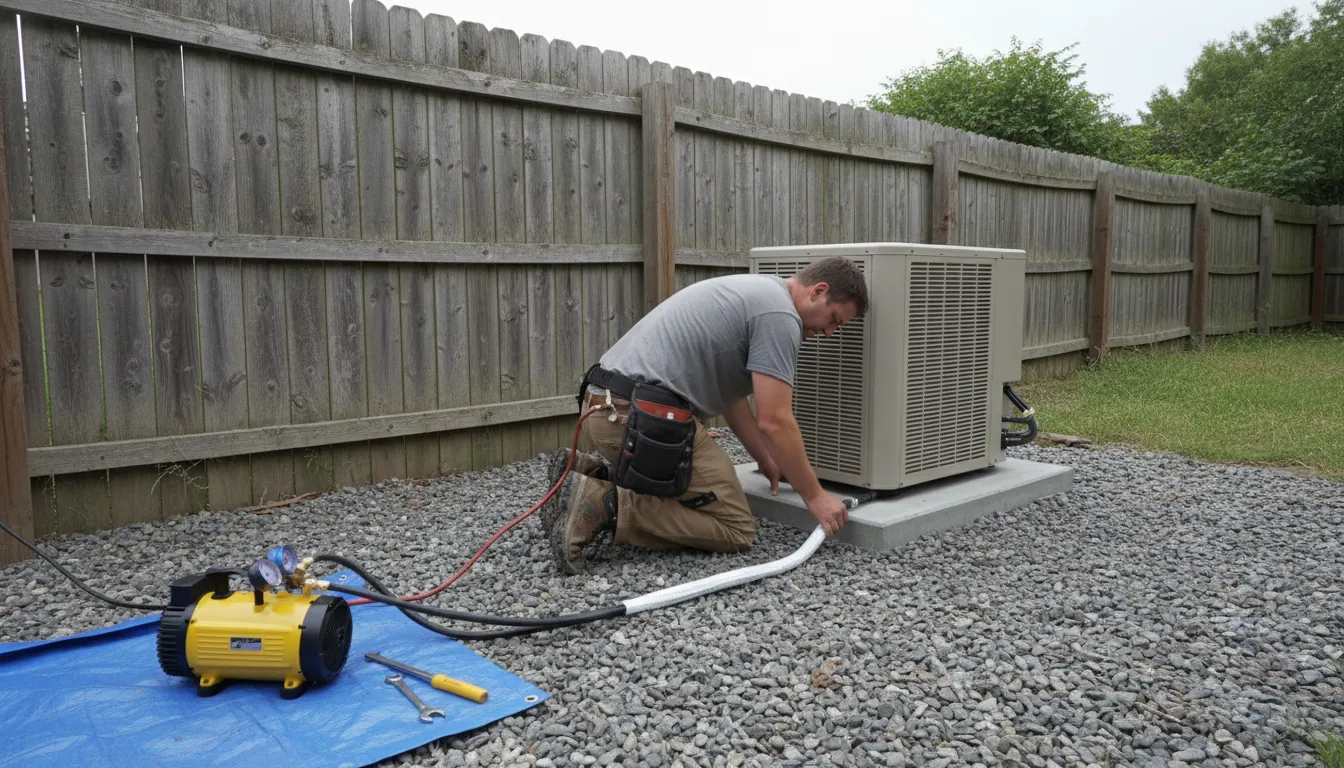
Find the Best Mini-Split Installers for Your Business
No obligation • Fast responses • Nationwide coverage

Why you can trust HVAC Firms
HVAC Firms is a leading United States resource for evaluating HVAC service providers. Our team researches companies, checks credentials, and reviews customer feedback to present clear, unbiased information. Listings and rankings are based on merit, and companies cannot pay to change our editorial content.
Search providers near you
Top Mini-Split Installers in Sandy Springs, Georgia Ranked
A ductless mini-split system is a versatile and efficient solution for heating and cooling your home. For Sandy Springs residents, these systems are particularly valuable for creating comfortable zones in rooms without existing ductwork, such as home additions, sunrooms, or older properties. This guide will help you understand the process, benefits, and key considerations for installing a ductless air conditioner or heat pump in your home, connecting you with the information needed to plan your project.

Wall Heating & Air Conditioning, Inc.
485 Scenic Hwy S, Lawrenceville, GA 30046
Wall Heating & Air Conditioning, Inc. is an HVAC company serving Atlanta, GA, specializing in air conditioning, heating, and indoor air quality services. They handle installation, repair, and maintenance for central air conditioners, ductless mini splits, heat pumps, furnaces, and rooftop or packaged units for both residential and commercial properties. The company also offers indoor air quality solutions including air cleaners, humidifiers, dehumidifiers, and UV germicidal lights, with a focus on Aprilaire products. Their certified technicians provide expertise in eco-friendly heat pump systems and climate control efficiency.
Techmazing Heating and Cooling
4931 Hwy 81, Loganville, GA 30052
Techmazing Heating and Cooling provides a full range of HVAC services in Atlanta, GA, including air conditioning, furnace, heat pump, and ductless mini-split installation and repair. They also offer indoor air quality solutions and commercial refrigeration services. The company is experienced in servicing all major brands and models, with certified technicians who provide warranties on parts and labor. Techmazing Heating and Cooling serves Northeast Georgia communities such as Braselton, Buford, Dacula, Duluth, Gainesville, Lawrenceville, Loganville, and Snellville. Their capabilities include expert diagnostics and repairs, as well as custom installations of Trane heating and cooling systems.

Arcadia HVAC
3288 Duluth Hwy, Duluth, GA 30096
Arcadia HVAC is an HVAC company serving Atlanta, GA, and surrounding areas including Duluth, Norcross, and Roswell. They provide a range of services such as air conditioning, furnace, heat pump, and mini-split installation and repair, along with indoor air quality solutions and thermostat upgrades. The company has been in business since 1974 and offers extended labor warranties and complimentary service after installations. Their technicians have over 80 years of combined experience and focus on honest pricing without unnecessary upselling.
Estes Services
3981 Tradeport Blvd, Atlanta, GA 30354
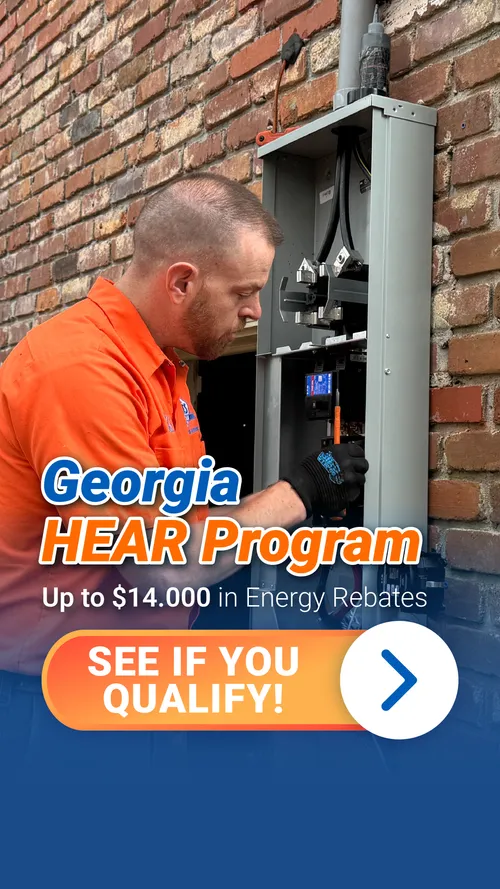
Estes Services is a family-owned HVAC, plumbing, and electrical company serving Atlanta, GA. With over 75 years of experience, they provide heating and cooling system installation, repair, and maintenance for homes and businesses. Their certified technicians work on furnaces, heat pumps, air conditioners, ductless mini-splits, and indoor air quality systems. Estes Services is a Carrier Factory Authorized Dealer, offering high-quality HVAC products and expert commercial and residential services. They also provide plumbing and electrical solutions, including water heater installation and electrical panel replacement.
Bartlett Heating & Cooling
825 S Cobb Dr SE, Marietta, GA 30060
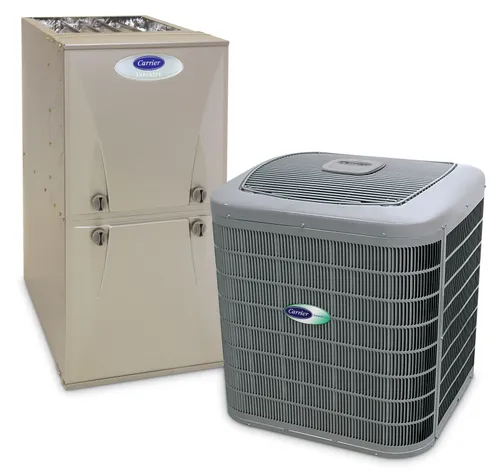
Bartlett Heating & Cooling is a family-owned HVAC company serving Atlanta, GA, and the surrounding areas including Marietta and Smyrna. Since 1989, they have provided a range of services including air conditioning and furnace repair, installation, and maintenance, as well as mini-split and thermostat installation. The company emphasizes ongoing technician training and offers comprehensive AC tune-ups to ensure system efficiency and reliability. Bartlett Heating & Cooling is known for its experience with major HVAC brands and its commitment to customer care.
What is a Ductless Mini-Split System?
Unlike traditional central HVAC that relies on a network of ducts, a ductless mini-split system has two main components: an outdoor condenser/compressor unit and one or more indoor air-handling units, often called "heads." These are connected by a small conduit that houses refrigerant lines, power cables, and a condensate drain. This setup allows for targeted, or "zoned," climate control, where you can set different temperatures in different rooms. This technology is ideal for room-specific heating and cooling, providing a flexible alternative to window units or costly duct installation.
Key Benefits for Sandy Springs Homes
Homeowners in Sandy Springs choose ductless systems for several compelling reasons that align with the local housing stock and climate.
- No Ductwork Required: This is the most significant advantage. If you're cooling a finished basement, a garage conversion, a new sunroom, or living in an older home built without ducts, a mini-split is often the most practical and efficient option available 1.
- Superior Energy Efficiency and Zoning: Ductless systems are incredibly efficient, with high SEER2 ratings for cooling. By allowing you to condition only the rooms you're using, you avoid wasting energy heating or cooling unoccupied spaces. This zoning capability can lead to noticeable savings on your energy bills.
- Flexible Installation: The indoor heads are compact and can be mounted high on a wall, on a ceiling (cassette models), or even as floor-standing units. This flexibility makes them suitable for a wide variety of room layouts and architectural styles found throughout Sandy Springs neighborhoods.
- Quiet Operation: The noisiest component-the compressor-is located outside. The indoor units operate very quietly, making them perfect for bedrooms, home offices, and living areas where peace and quiet are valued.
Planning Your Installation: System Types and Placement
A successful ductless installation starts with proper planning. The two primary decisions involve the system configuration and the physical placement of the units.
Choosing Between Single-Zone and Multi-Zone
Your needs will determine the type of system:
- Single-Zone Systems: These consist of one outdoor unit connected to one indoor head. They are perfect for conditioning a single space, such as a master bedroom suite, a home office over the garage, or a bonus room. They represent the most straightforward and often most budget-friendly entry point for ductless comfort.
- Multi-Zone Systems: A single outdoor unit can connect to multiple indoor heads (typically 2 to 5). This is an excellent whole-house solution for smaller homes or a way to efficiently condition several key areas, like multiple bedrooms and a living room. While the upfront cost is higher than a single-zone, it is usually more cost-effective than installing multiple separate systems 2.
Critical Placement Guidelines
Where you install the units is crucial for performance, efficiency, and comfort.
Indoor Head Placement:
- Height and Location: Wall-mounted units should be placed high on a wall, typically 6-8 feet from the floor, to allow for optimal air circulation across the room. They should be centered on an exterior wall when possible to minimize the length of the connecting conduit.
- Avoid Obstructions: Ensure there is at least 6-8 inches of clearance from the ceiling and that no furniture, curtains, or decor will block the airflow from the unit. Never install a head directly above a heat source like a television, lamp, or kitchen counter.
- Consider Aesthetics: While functional, the indoor head is visible. Many homeowners choose a wall that is less prominent but still allows for effective air distribution.
Outdoor Unit Placement:
- The outdoor condenser needs ample space for airflow. Professionals recommend at least 2-3 feet of clearance on all sides from walls, fences, or shrubbery 3.
- It should be placed on a stable, level pad, away from areas where falling leaves or debris could clog the coils.
- The location should also consider noise, ensuring it's not directly adjacent to a neighbor's window or your own outdoor living space, and accessibility for future maintenance.
Find the perfect mini-split installers for your needs
Get personalized recommendations and expert advice
Understanding Installation Costs in Sandy Springs
The cost of a ductless mini-split installation can vary widely based on several factors specific to your home and chosen system. In the Sandy Springs area, professional installation is not just recommended-it's essential for ensuring efficiency, reliability, and maintaining the manufacturer's warranty.
Here's a general breakdown of what you might expect:
- Single-Zone System: For a basic one-head system, homeowners can expect costs generally ranging from approximately $2,000 to $5,000, including equipment and professional installation 4.
- Multi-Zone System: For a system with two or three indoor heads, the investment typically starts around $5,500 and can range to $8,500 or more 5 6. Whole-home solutions with more zones can exceed $10,000 7.
What Drives the Final Price?
- System Capacity and Brand: The size (measured in BTUs) and the brand significantly impact cost. Premium brands like Carrier offer advanced features and reliability, while DIY-friendly brands like MRCOOL may have a lower upfront equipment cost but still require professional assistance for optimal setup and warranty validation.
- Efficiency Rating: Systems with higher SEER2 ratings are more energy-efficient but come at a higher initial price. This investment can pay off over time through lower utility bills.
- Installation Complexity: The labor cost is influenced by how difficult it is to run the conduit between the indoor and outdoor units. Installations on second stories, through finished walls, or requiring extensive electrical work will add to the project cost.
- Number of Zones: Each additional indoor head increases the total project cost due to the extra equipment and labor required for its placement and connection 8.
The Professional Installation Process
A proper installation by a certified technician follows a meticulous process to ensure peak performance:
- Site Evaluation and Load Calculation: A technician will assess your space to determine the correct BTU capacity needed for each zone, avoiding undersized or oversized units.
- Planning and Permitting: They will finalize unit locations, plan the conduit and electrical routes, and secure any necessary local permits.
- Installation: This includes mounting the indoor and outdoor units, drilling a small, precise hole for the conduit, connecting the refrigerant lines, and completing the electrical connections.
- System Evacuation and Charging: The system is vacuumed to remove all moisture and air before the precise amount of refrigerant is charged-a critical step for efficiency and longevity.
- Testing and Demonstration: The technician will test all functions, ensure the system is operating correctly, and show you how to use the remote controls and thermostats.
Frequently asked questions
Sources
Footnotes
-
How Much Does a Mini-Split Installation Cost? - Taskrabbit Blog - https://www.taskrabbit.com/blog/mini-split-installation-cost/ ↩
-
Mini-Split Placement Guide: Best and Worst Spots for Installation - https://gulfshorecooling.com/mini-split-placement-guide/ ↩
-
Selecting the Right Location for Ductless Mini-Split Installation - https://www.weathermastersga.com/how-to-choose-the-right-location-for-ductless-mini-split-installation/ ↩
-
How Much Does It Cost to Install a Mini Split System? - https://elementairco.com/how-much-does-it-cost-to-install-a-mini-split-system/ ↩
-
Ductless Mini-Split Installation Cost in 2025: Full Breakdown - https://osborneheatingncooling.com/ductless-mini-split-installation-cost/ ↩
-
Ductless Mini Split Installation Costs in 2026 - Carrier - https://www.carrier.com/residential/en/us/products/ductless-mini-splits/ductless-mini-split-installation-cost/ ↩
-
Ductless mini-split installation: Cool 2025 Guide - Southern Air - https://www.southern-air.com/blog/ductless-mini-split-installation ↩
-
Understanding Mini Split Installation Costs A Complete Guide - https://armusmech.net/understanding-mini-split-installation-costs-a-complete-guide/ ↩