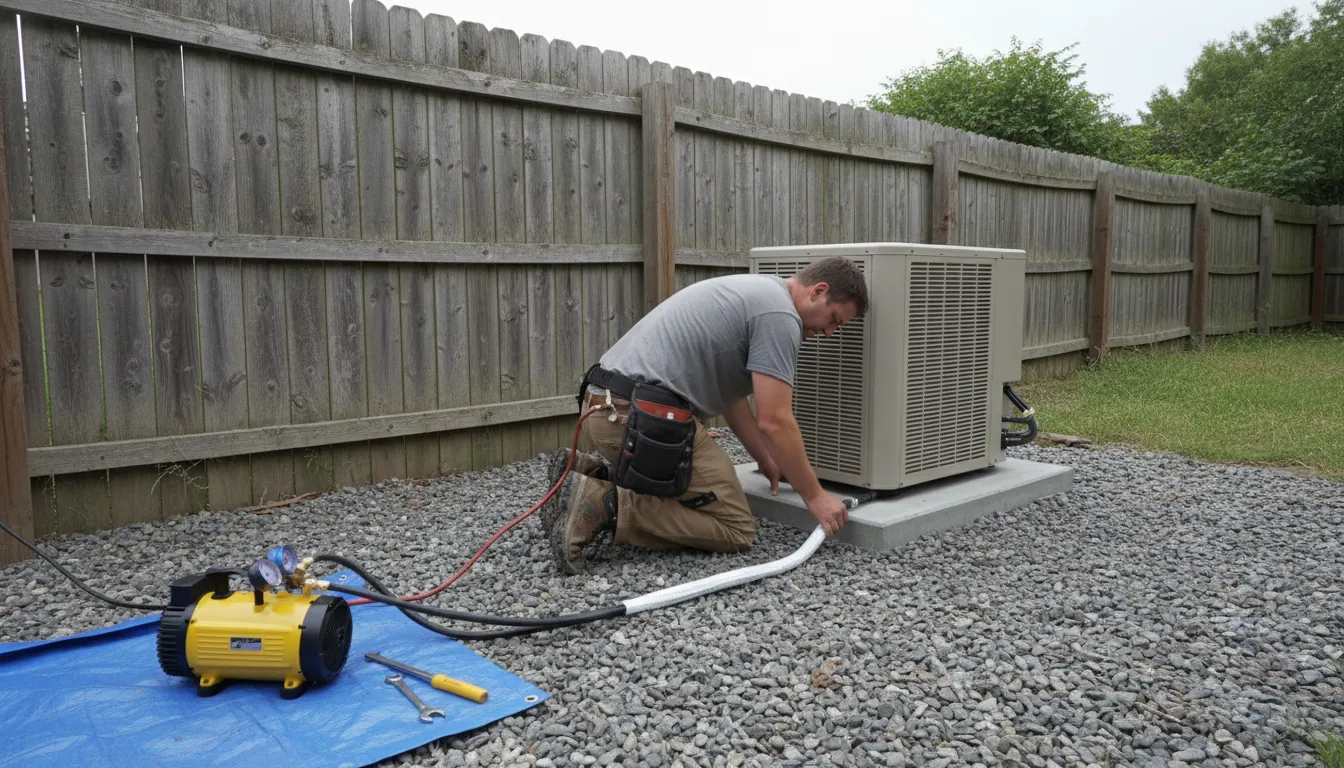
Find the Best Mini-Split Installers for Your Business
No obligation • Fast responses • Nationwide coverage

Why you can trust HVAC Firms
HVAC Firms is a leading United States resource for evaluating HVAC service providers. Our team researches companies, checks credentials, and reviews customer feedback to present clear, unbiased information. Listings and rankings are based on merit, and companies cannot pay to change our editorial content.
Search providers near you
Top Mini-Split Installers in Weston, Florida Ranked
A ductless mini-split system is a modern, efficient solution for targeted cooling and heating in your home. These systems are perfect for creating comfortable zones without the need for extensive ductwork, which is especially valuable in Florida's climate. For Weston homeowners, understanding the options for ductless air conditioning, from single-room units to whole-home solutions, can help you make an informed decision to improve your home's comfort and energy efficiency. This guide will walk you through the key considerations, costs, and benefits to help you find the right local expertise for your project.
Florida Clean Air Plus
15251 NE 18th Ave Suite #3, North Miami Beach, FL 33162
Florida Clean Air Plus is an HVAC company based in Miami, FL, offering a wide range of heating and cooling services for both residential and commercial clients. Their services include AC repair, installation of new AC and heat pump systems, air duct cleaning, duct sealing, dryer vent cleaning, and thermostat installation. They emphasize improving indoor air quality and energy efficiency through thorough maintenance and cleaning. The company provides 24/7 emergency HVAC service, ensuring support whenever needed. Their certified technicians are experienced in handling all major HVAC brands and models, delivering precise installations and repairs with transparent, upfront quotes.

Air Zone Mechanical
16600 NW 54th Ave Unit 3, Miami Lakes, FL 33014
Air Zone Mechanical is an air conditioning and indoor air quality company serving Miami, FL. With over 25 years of experience, they provide services including AC repair, installation, mini split installation, duct cleaning, thermostat installation, and air purification. The company offers 24/7 emergency service and employs bilingual technicians to better serve the community. They handle both residential and commercial projects using the latest technology to ensure effective and timely solutions.
MARTIN AIR AND HEATING LLC
7221 NW 169th St, Hialeah, FL 33015
Martin Air and Heating LLC is a Latina-owned HVAC company based in Miami, FL. Since 2017, they have provided air conditioning installation and repair services, including mini split and central air systems, for residential and commercial clients. The company focuses on delivering personalized service and helping customers find the right cooling solutions for their needs.
Island Breeze Air Conditioning, LLC
6831 SW 44th St APT 109, Miami, FL 33155
Island Breeze Air Conditioning, LLC is an HVAC company serving Miami, FL, specializing in heating and air conditioning system installation, repair, and maintenance. Their services include air conditioner, furnace, heat pump, and mini split system installation and repair, as well as thermostat installation and indoor air quality improvements. They offer 24/7 emergency repair services and provide service agreements for regular maintenance to extend system life and ensure reliable performance. The company also supplies a range of products such as air cleaners, humidifiers, UV lights, and zoning systems to enhance indoor environments.
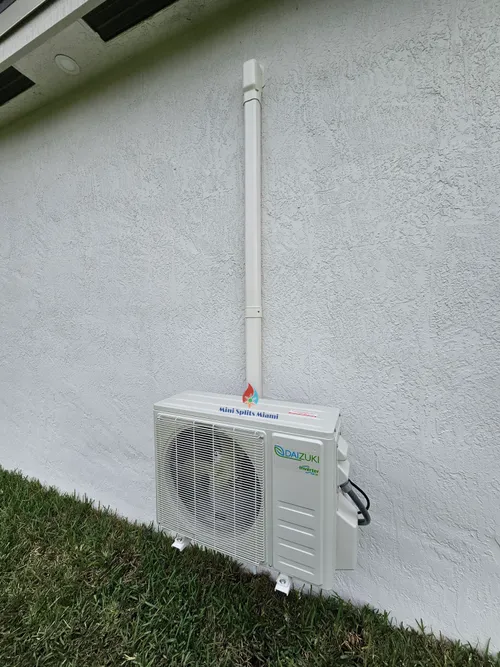
Best Price Mini Splits Miami Fl
1706 SW 57th Ave, Miami, FL 33155
Best Price Mini Splits Miami Fl is an air conditioning company based in Miami, FL, offering sales, installation, and maintenance services for mini split systems and other AC units. They provide comprehensive HVAC solutions including precise installation and tune-ups to ensure effective climate control. The company emphasizes a full-service approach from purchase to ongoing care, supported by qualified staff and partnerships that enhance their service delivery.
Why Consider a Ductless System in Weston?
Weston's warm, humid climate makes efficient and reliable cooling a top priority for homeowners. Traditional central air systems can be inefficient, especially if you're only trying to cool specific areas of your home. Ductless mini-split installation offers a versatile alternative, providing zoned comfort that can lead to significant energy savings by eliminating the energy losses associated with ductwork-losses that can account for more than 30% of energy consumption in a ducted system.
These systems are not just for cooling; they also provide efficient heating, making them a year-round comfort solution. They are particularly well-suited for common Florida home scenarios, such as room additions, converted garages, sunrooms, or finished attics where extending existing ductwork is impractical or prohibitively expensive. By installing a ductless air conditioner, you gain independent control over the climate in specific zones of your home.
Ideal Applications for Ductless Air Conditioning
Understanding where a mini-split system shines can help you decide if it's the right fit for your Weston home.
- Additions & Renovations: Adding a new bedroom, home office, or family room? A ductless system is the perfect way to provide dedicated climate control without the cost and disruption of extending your home's existing duct network.
- Converted Spaces: Do you have a garage workshop, a sunroom that gets too hot, or an attic apartment? These spaces often lack ductwork and can benefit immensely from a self-contained ductless unit1 2.
- Zoning an Existing Home: If certain rooms in your home are consistently too warm or too cold, a mini-split allows you to create a "comfort zone." This is ideal for cooling frequently used living areas or bedrooms independently, avoiding the need to cool the entire house.
- Whole-Home Replacement: For homes without any existing ducts, a multi-zone ductless system can be a cost-effective and highly efficient alternative to installing a new central air system with all-new ductwork.
Understanding System Types: Single-Zone vs. Multi-Zone
The first major decision in planning your installation is choosing between a single-zone or multi-zone system.
- Single-Zone Systems: This configuration involves one outdoor condenser unit connected to one indoor air-handling unit. It's designed to control the temperature in one specific room or open area, like a master bedroom suite or a great room. This is the most straightforward and often most affordable option for a targeted application.
- Multi-Zone Systems: A single outdoor unit can be connected to multiple indoor units (typically 2 to 5). This allows you to control the temperature in several different rooms or zones independently from one another. For example, you could connect units in three bedrooms and a living room to a single outdoor condenser placed discreetly on the side of your home. This is an excellent solution for whole-home comfort or for cooling multiple new additions.
Critical Installation Considerations: Indoor Unit Placement
Where you place the indoor air handler is crucial for performance, comfort, and aesthetics. A professional installer will help you determine the best type and location based on your room's layout.
- Wall-Mounted Units: This is the most common and generally least expensive installation type. The unit is mounted high on an exterior wall, allowing for excellent air circulation across an open space. Proper placement avoids blowing air directly onto seating areas or beds.
- Ceiling Cassette Units: These units are recessed into the ceiling, with only a sleek vent panel visible. They provide four-way air discharge for very even air distribution and are favored for a clean, built-in look. Installation is more complex, as it requires access to the ceiling plenum.
- Floor-Mounted Units: Ideal for rooms with sloped ceilings, knee walls, or walls dominated by large windows, these units are installed near the floor. They are also a good choice when wall space is limited. The key for all indoor units is ensuring optimal airflow by avoiding obstructions like tall furniture or curtains and placing them where access for routine filter cleaning and maintenance is easy.
Outdoor Unit Placement and Requirements
The outdoor condenser unit requires careful planning. Proper placement ensures efficiency, longevity, and minimal disruption.
- Airflow Clearance: The condenser needs ample space for air intake and exhaust. Installers typically recommend a clearance of at least 1-2 feet on all sides, and more space behind the unit, to prevent airflow restriction and overheating 3.
- Maintenance Access: Technicians need clear access to service the unit. Avoid tucking it into an overly tight corner or behind dense landscaping.
- Drainage: The system produces condensate (water) during cooling. The installation must ensure this water can drain away properly, often requiring a slight slope in the line set. In some installations where gravity drainage isn't possible, a condensate pump may be required4 5.
- Aesthetics & Noise: Consider placing the unit in a less visible area of your yard, such as the side or rear of the home, and away from bedroom windows to minimize any operational noise.
Find the perfect mini-split installers for your needs
Get personalized recommendations and expert advice
Understanding Mini-Split Installation Costs in Weston
Cost is a primary factor for any home improvement project. For ductless mini-split installation, costs in Weston can vary widely based on the system's scope and complexity.
- Single-Zone System: For cooling one room or area, homeowners can expect a typical price range of $2,000 to $5,000.
- Multi-Zone System (2-3 Zones): Installing a system to cool two or three separate zones generally falls in the range of $5,500 to $8,500 or more.
- Whole-Home Solution (4+ Zones): A comprehensive ductless system designed to cool an entire home without ducts can range from $10,000 to $20,000+, depending on the home's size and layout 6 7.
What Drives the Final Cost?
Several key factors influence where your project falls within these ranges:
- Unit Capacity (BTUs): The size of the unit needed to effectively cool your space is the starting point. An undersized unit will run constantly, while an oversized unit will short-cycle, leading to inefficiency and poor humidity control. A professional load calculation is essential.
- Efficiency (SEER2 Rating): Higher-efficiency models with SEER2 ratings of 18 or above cost more upfront but provide significantly lower operating costs, which is a major advantage in Florida's long cooling season.
- Brand & Technology: Premium brands and advanced features, such as inverter-driven compressors that adjust speed for precise temperature control, will increase the initial investment.
- Installation Labor Complexity: The physical installation work greatly affects cost. A simple wall-mount in a room with easy access to the outdoors costs less than installing a ceiling cassette, which requires cutting into drywall and potentially modifying ceiling joists. Long refrigerant line runs, difficult electrical work, or the need for a condensate pump also add to labor time and cost8 9 10.
Maximizing Your Investment: Savings and Incentives
While the upfront cost is important, consider the long-term value and potential savings.
- Energy Savings: By eliminating duct losses and allowing for zoned cooling (only cooling the rooms you use), ductless systems can reduce your overall energy consumption for cooling by up to 30% compared to conventional systems11 12. This translates directly to lower monthly utility bills.
- Federal Tax Credits: The Inflation Reduction Act offers federal tax credits for qualified high-efficiency HVAC installations. This can directly reduce your tax liability, making a higher-efficiency system more affordable.
- Utility Rebates: Always check with Florida Power & Light (FPL) or your local utility provider. They frequently offer rebates for installing high-efficiency cooling equipment, which can provide an immediate discount on your project costs13 14.
Choosing the right contractor is as important as choosing the right equipment. Look for experienced, licensed, and insured professionals who conduct a thorough home assessment, provide a detailed written estimate, and clearly explain the installation process, timeline, and post-installation support.
Frequently asked questions
Sources
Footnotes
-
How Much Does it Cost to Install a Ductless Mini-Split AC in ... - https://www.cooltoday.com/blog/how-much-does-it-cost-to-install-a-ductless-mini-split-ac-in-florida ↩
-
Ductless Mini Split Installation: 101 Ultimate Guide - https://www.newbernac.com/ductless-mini-split-installation/ ↩
-
Mini-Split Placement Guide: Best and Worst Spots for Installation - https://gulfshorecooling.com/mini-split-placement-guide/ ↩
-
Ductless Mini Split Installation: A Complete Guide - https://www.goairflow.com/blog/ductless-mini-split-installation/ ↩
-
Installing Central Air Conditioning: A Comprehensive Guide - https://www.thisoldhouse.com/heating-cooling/read-this-before-you-install-central-air-conditioning ↩
-
Mini-Split AC Cost in Florida (2025 Guide) - Climacore - https://climacoreair.com/mini-split-ac-cost-in-florida/ ↩
-
Understanding Mini Split Installation Costs A Complete Guide - https://armusmech.net/understanding-mini-split-installation-costs-a-complete-guide/ ↩
-
Ductless Mini-Splits: A Comprehensive Cost Breakdown - https://www.myfivestarhomeservices.com/ductless-mini-splits-a-comprehensive-cost-breakdown/ ↩
-
How Much Does a Mini-Split Installation Cost? - Taskrabbit Blog - https://www.taskrabbit.com/blog/mini-split-installation-cost/ ↩
-
How Much Does a Mini Split Installation Cost? (2026) - HomeGuide - https://homeguide.com/costs/ductless-mini-split-ac-cost ↩
-
Ductless Mini-Split Installation Cost in 2025: Full Breakdown - https://osborneheatingncooling.com/ductless-mini-split-installation-cost/ ↩
-
Ductless mini-split installation: Cool 2025 Guide - Southern Air - https://www.southern-air.com/blog/ductless-mini-split-installation ↩
-
Ductless Mini Split Installation Costs in 2026 - Carrier - https://www.carrier.com/residential/en/us/products/ductless-mini-splits/ductless-mini-split-installation-cost/ ↩
-
Aircon Mini Split Installation: Save $ in 3 Steps - Comfort Temp - https://comforttemp.com/aircon-mini-split-installation/ ↩