Find the Best Mini-Split Installers for Your Business
No obligation • Fast responses • Nationwide coverage

Why you can trust HVAC Firms
HVAC Firms is a leading United States resource for evaluating HVAC service providers. Our team researches companies, checks credentials, and reviews customer feedback to present clear, unbiased information. Listings and rankings are based on merit, and companies cannot pay to change our editorial content.
Search providers near you
Top Mini-Split Installers in Tampa, Florida Ranked
Ductless mini-split systems offer a modern, efficient solution for heating and cooling homes in Tampa. These systems provide zoned comfort, allowing you to control the temperature in specific rooms or areas independently, which is perfect for additions, sunrooms, or homes without existing ductwork. This guide explains the benefits of ductless technology, the installation process, and key considerations to help you find a qualified local professional for your project.
L&R Air Conditioning and Refrigeration Inc
1030 Chelsea Ln, Holiday, FL 34691
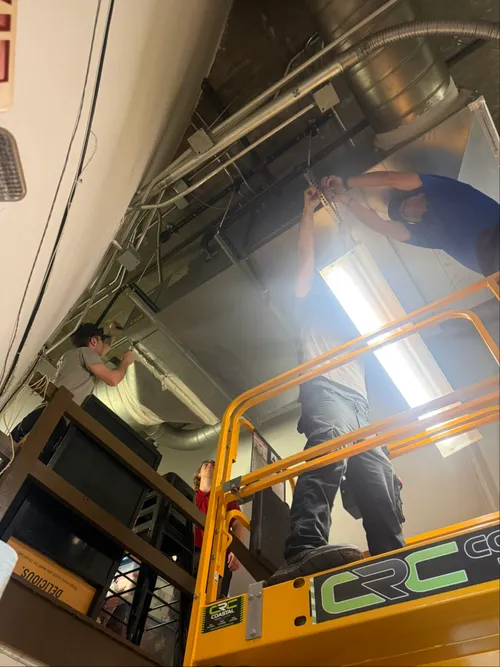
L&R Air Conditioning and Refrigeration Inc is a family-owned HVAC company serving Tampa, FL, and surrounding counties including Pasco, Hillsborough, and Pinellas. They provide a wide range of services such as air conditioning, heating, ventilation, refrigeration repair and installation, duct cleaning, and indoor air quality evaluation. The company is equipped to handle commercial refrigeration needs and offers specialized services like ductless split system installation and programmable thermostat setup. They are available 24/7 for emergency service and emphasize repair over replacement when possible to provide clear options to customers.
SUPREME AIR & HEAT , LLC
407 3rd Ave NE, Largo, FL 33770
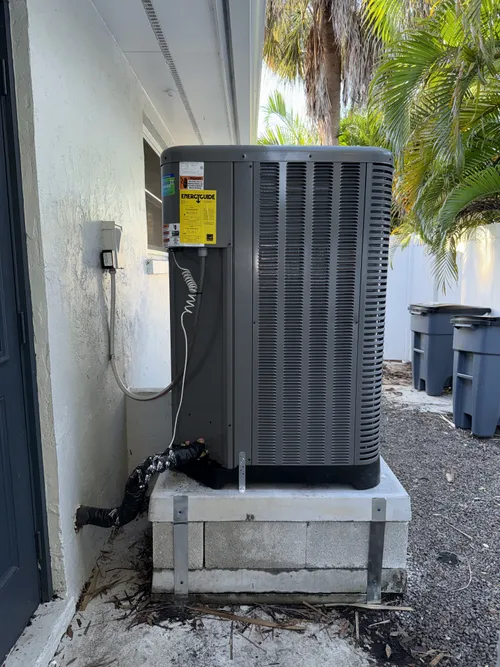
SUPREME AIR & HEAT, LLC is an HVAC company serving St Petersburg, FL, specializing in the installation, maintenance, and repair of air conditioning systems, heat pumps, mini-splits, and packaged units. Their certified and insured technicians handle a wide range of AC brands and models, ensuring systems operate efficiently in the Florida climate. Founded over 10 years ago, this family-owned business has built a strong presence in Pinellas County, offering personalized solutions and reliable service to both residential and commercial customers.

Value Air and Heat HVAC St Petersburg
146 2nd St N #305, St. Petersburg, FL 33701
Value Air and Heat HVAC St Petersburg offers comprehensive residential and commercial HVAC services in St. Petersburg, FL. They specialize in air conditioning repair, installation, maintenance, and indoor air quality solutions tailored to Florida's climate. Their certified technicians handle all HVAC components, including ductwork, mini-split systems, thermostats, and insulation, ensuring energy-efficient and reliable performance. The company uses advanced diagnostic tools and a Whole House Approach to optimize system efficiency and comfort. Value Air and Heat serves the entire St. Petersburg area and surrounding communities with prompt service and a satisfaction guarantee.

The Service Pros AC Repair St Petersburg
1700 4th St S Unit C, St. Petersburg, FL 33701
The Service Pros AC Repair St Petersburg is a licensed HVAC company serving St. Petersburg, FL, and the surrounding Tampa Bay area. They offer a range of services including air conditioning repair, installation of AC units, heat pumps, and mini splits, as well as HVAC tune-ups, duct cleaning, and indoor air quality solutions. The company is known for its expertise in diagnosing and repairing AC systems efficiently, including specialized services like condensation pump installation and drainage line adjustments. Founded by Lamar Werts, The Service Pros emphasize clear communication, transparent pricing, and customer education. They provide 24/7 emergency service to address urgent HVAC needs promptly.
Caliber Heating & Cooling LLC
4745 126th Ave N STE 56, Clearwater, FL 33762
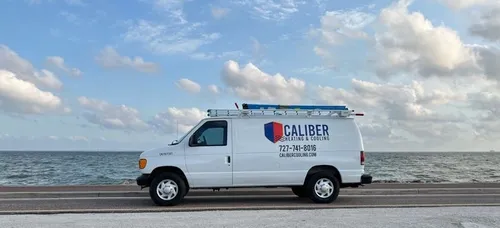
Caliber Heating & Cooling LLC is a family-owned HVAC company serving St Petersburg, FL, and the surrounding Pinellas County area. With over 10 years of experience, they provide a full range of heating and cooling services including installation, repair, and maintenance for air conditioners, furnaces, heat pumps, mini split systems, and smart thermostats. Their licensed technicians also specialize in indoor air quality solutions such as UV air purification and whole house air filtration systems. The company emphasizes compliance with local codes and uses premium materials to ensure reliable and efficient HVAC performance.
Why Choose a Ductless Mini-Split in Tampa?
For many Tampa homeowners, a ductless air conditioning and heating system solves common comfort challenges. Traditional central HVAC relies on a network of ducts, which can be inefficient due to leaks and heat gain, especially in our hot, humid climate. Mini-splits eliminate these ducts entirely, delivering conditioned air directly to the space it's intended for. This makes them exceptionally energy-efficient, as no cooled air is lost in the attic or walls before reaching your living areas.
The zoned capability is a game-changer. You can cool a frequently used living room during the day while setting a higher temperature in unused bedrooms, then reverse it at night. This precise control not only enhances comfort but also reduces energy consumption and utility bills. They are also an ideal solution for home additions, converted garages, or sunrooms where extending existing ductwork is impractical or prohibitively expensive.
Common Applications for Ductless Systems
Understanding where a ductless mini-split excels can help you determine if it's the right fit for your Tampa home.
- Room Additions & Sunrooms: This is one of the most popular uses. Adding a ductless system to a new room avoids the cost and complexity of tying into your old central system, providing dedicated, efficient comfort 1.
- Room-by-Room Zoning: Homes with varying occupancy patterns or "hot spots" benefit greatly. You can cool only the occupied areas, such as a home office during the day or a nursery at night, without wasting energy on empty spaces 2.
- Whole-Home Solutions: For homes without any ductwork (like some older Florida homes) or where the existing central system is failing, a multi-zone ductless system can provide complete home comfort. Multiple indoor units connected to one or more outdoor condensers can efficiently heat and cool an entire house.
Understanding System Types: Single-Zone vs. Multi-Zone
The first major decision is choosing between a single-zone and a multi-zone configuration.
- Single-Zone Systems: This setup consists of one outdoor condenser unit connected to one indoor air-handling unit. It's perfect for conditioning a single, defined space like a master bedroom suite, a garage apartment, or a great room. It's typically the most straightforward and cost-effective option for targeted cooling and heating.
- Multi-Zone Systems: A single outdoor condenser can be connected to multiple indoor units (commonly 2 to 8 or more). Each indoor unit operates independently with its own thermostat. This allows you to cool or heat several rooms or zones from one central outdoor unit, making it a compact and efficient solution for whole-home or multi-room applications 3. The capacity of the outdoor unit must be appropriately sized to handle the combined load of all connected indoor units.
Selecting and Placing Your Indoor Units
The indoor unit, or "head," is the visible component in your room. Proper selection and placement are critical for comfort, efficiency, and aesthetics.
- Wall-Mounted Units: The most common and economical type. They are installed high on an exterior wall, allowing for excellent air distribution across the room. Professional installers will ensure it's placed where airflow won't be blocked by furniture or drapes and is centered for even temperature control.
- Ceiling Cassette Units: These are recessed into the ceiling, with only a sleek vent visible. They provide a more discreet, built-in look and distribute air in four directions for very even coverage. They are ideal for rooms with low wall space or where a minimalist aesthetic is desired.
- Floor-Mounted Units: These are installed low on a wall, similar to a traditional radiator. They are a good solution for rooms with high, vaulted ceilings or where wall space at the standard height is limited, as they help push air upward into the living space.
A key rule for any indoor unit placement is to ensure it is level and has several feet of clearance for unobstructed airflow. The installer will also need to plan for a small, discreet line-set cover to conceal the refrigerant and electrical lines running to the outdoor unit 4.
Find the perfect mini-split installers for your needs
Get personalized recommendations and expert advice
Outdoor Condenser Installation Considerations
The outdoor condenser is the heart of the system. Its placement affects performance, longevity, and noise.
- Mounting: The unit must be placed on a stable, level surface. This is often a concrete pad or specially designed mounting brackets attached to the side of the home. Proper mounting prevents vibration and noise.
- Clearance: Adequate airflow around the condenser is non-negotiable for efficiency. Installers follow manufacturer specifications, which typically require at least 1-3 feet of clearance on all sides, especially the rear where the coil is located. The area should be free of debris, vegetation, and anything that could restrict airflow.
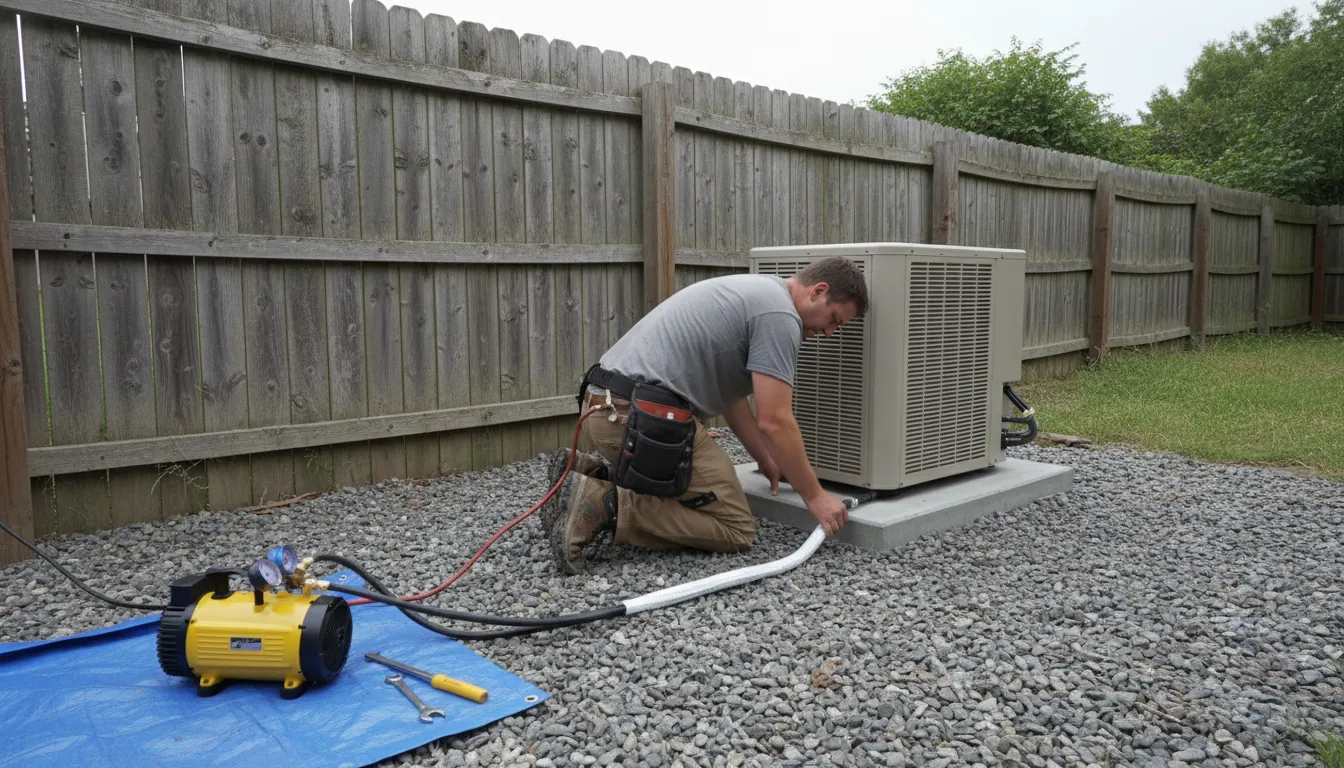
- The Connection Process: A critical step involves drilling a small hole (approximately 3 inches in diameter) through the exterior wall to connect the indoor and outdoor units. The refrigerant lines and electrical wiring are run through this hole in a protective conduit. After connection, the installer will perform a deep vacuum on the refrigerant lines to remove any moisture and air, which is essential for system longevity and performance.
Understanding Mini-Split Installation Costs in Tampa
Costs for a ductless installation in Tampa can vary widely based on the system's complexity, size, and efficiency. Here is a general cost breakdown based on current market data 5:
- Single-Zone System: $2,500 - $5,000+. This covers one indoor unit and one outdoor condenser for a single room or space.
- 2-3 Zone Multi-System: $5,500 - $9,000+. This is a common range for cooling a small addition with two bedrooms or an open-concept living area.
- Whole-Home System (4+ Zones): $10,000 - $20,000+. Replacing central air or conditioning a larger home without ducts falls into this range.
Several factors influence the final price:
- SEER2 Rating: Higher efficiency (SEER2) units cost more upfront but offer significant long-term savings on energy bills, a crucial factor in Florida 6 7.
- Brand & Features: Premium brands and units with advanced features like Wi-Fi controls or ultra-quiet operation command higher prices.
- Labor & Complexity: Installations requiring longer refrigerant line runs, new electrical circuits, or complex mounting will increase labor costs.
- Permits: Local Tampa and Hillsborough County permits are typically required and add to the project cost 8 9.
The Professional Installation Advantage
While DIY kits exist, professional installation is strongly recommended and is often required to validate the manufacturer's warranty. A certified technician ensures the system is correctly sized for your home's specific cooling and heating loads (a "Manual J" calculation). They handle the critical tasks of refrigerant charging, electrical connections, and system commissioning, which directly impact efficiency, safety, and durability 10 11. A proper installation by a qualified Tampa professional is your best guarantee of achieving the energy savings, comfort, and reliability that ductless mini-split technology promises.
Frequently asked questions
Sources
Footnotes
-
Mini Split Installation Tampa, FL | Ductless AC Setup - https://www.coursonandcompany.com/mini-split/mini-split-installation-tampa-fl ↩
-
Ductless Mini Split Installation: 101 Ultimate Guide - https://www.newbernac.com/ductless-mini-split-installation/ ↩
-
Ductless Mini Split Options - Sunset Air and Home Services - https://sunset-air.com/ductless-mini-split-options/ ↩
-
Ductless Mini Split AC Installation in Brandon & Tampa, FL - https://hot2coldairconditioning.com/ductless-ac-installers-near-me/ ↩
-
Ductless Mini-Split Installation Cost in 2025: Full Breakdown - https://osborneheatingncooling.com/ductless-mini-split-installation-cost/ ↩
-
Mini-Split AC Cost in Florida (2025 Guide) - Climacore - https://climacoreair.com/mini-split-ac-cost-in-florida/ ↩
-
Ductless Mini Split Installation Costs in 2026 - Carrier - https://www.carrier.com/residential/en/us/products/ductless-mini-splits/ductless-mini-split-installation-cost/ ↩
-
Understanding mini split installation costs: A quick guide - Homeaglow - https://www.homeaglow.com/hub/content/mini-split-installation-cost ↩
-
Cost to Install Mini Split AC System in 2025 - https://dellahome.com/blogs/della-blog/cost-to-install-mini-split-ac-system ↩
-
Ductless Mini Split Setup: An Ultimate Guide - Airflow Heating & Air - https://www.goairflow.com/blog/ductless-mini-split-installation/ ↩
-
Ductless mini-split installation: Cool 2025 Guide - Southern Air - https://www.southern-air.com/blog/ductless-mini-split-installation ↩