Find the Best Mini-Split Installers for Your Business
No obligation • Fast responses • Nationwide coverage

Why you can trust HVAC Firms
HVAC Firms is a leading United States resource for evaluating HVAC service providers. Our team researches companies, checks credentials, and reviews customer feedback to present clear, unbiased information. Listings and rankings are based on merit, and companies cannot pay to change our editorial content.
Search providers near you
Top Mini-Split Installers in Sunrise, Florida Ranked
A ductless mini-split system is a versatile and efficient solution for adding targeted cooling and heating to your Sunrise home. These systems are ideal for homes without existing ductwork, such as older properties, room additions, or detached spaces, providing zoned comfort where you need it most. This guide explains the benefits, process, and key considerations for installing a mini-split in Sunrise, helping you connect with qualified local professionals for your project.
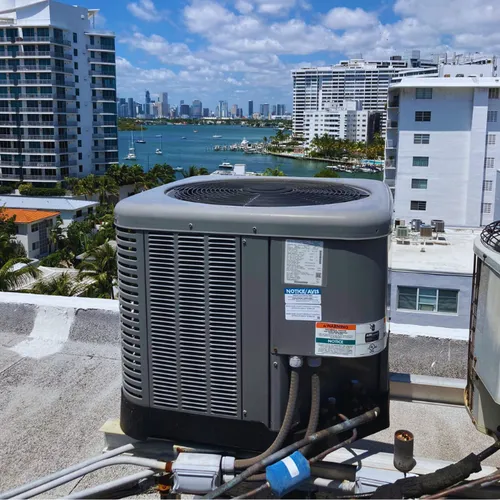
Florida Clean Air Plus
15251 NE 18th Ave Suite #3, North Miami Beach, FL 33162
Florida Clean Air Plus is an HVAC company based in Miami, FL, offering a wide range of heating and cooling services for both residential and commercial clients. Their services include AC repair, installation of new AC and heat pump systems, air duct cleaning, duct sealing, dryer vent cleaning, and thermostat installation. They emphasize improving indoor air quality and energy efficiency through thorough maintenance and cleaning. The company provides 24/7 emergency HVAC service, ensuring support whenever needed. Their certified technicians are experienced in handling all major HVAC brands and models, delivering precise installations and repairs with transparent, upfront quotes.

Air Zone Mechanical
16600 NW 54th Ave Unit 3, Miami Lakes, FL 33014
Air Zone Mechanical is an air conditioning and indoor air quality company serving Miami, FL. With over 25 years of experience, they provide services including AC repair, installation, mini split installation, duct cleaning, thermostat installation, and air purification. The company offers 24/7 emergency service and employs bilingual technicians to better serve the community. They handle both residential and commercial projects using the latest technology to ensure effective and timely solutions.
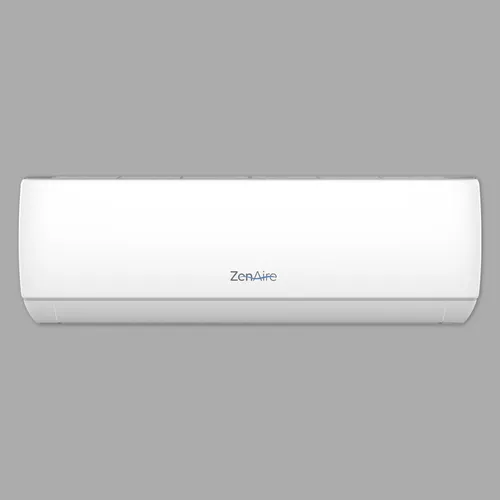
MARTIN AIR AND HEATING LLC
7221 NW 169th St, Hialeah, FL 33015
Martin Air and Heating LLC is a Latina-owned HVAC company based in Miami, FL. Since 2017, they have provided air conditioning installation and repair services, including mini split and central air systems, for residential and commercial clients. The company focuses on delivering personalized service and helping customers find the right cooling solutions for their needs.
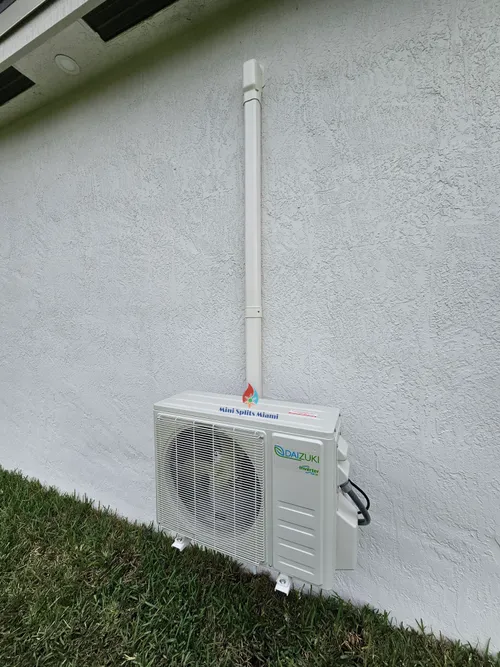
Best Price Mini Splits Miami Fl
1706 SW 57th Ave, Miami, FL 33155
Best Price Mini Splits Miami Fl is an air conditioning company based in Miami, FL, offering sales, installation, and maintenance services for mini split systems and other AC units. They provide comprehensive HVAC solutions including precise installation and tune-ups to ensure effective climate control. The company emphasizes a full-service approach from purchase to ongoing care, supported by qualified staff and partnerships that enhance their service delivery.
Air New Solutions
6410 NW 82nd Ave, Miami, FL 33166
Air New Solutions is a family-owned HVAC company serving Miami, FL, and the greater Miami area. They provide a range of services including air conditioning, furnace, heat pump installation and repair, as well as indoor air quality solutions. The company specializes in working with Daikin systems, offering expertise in advanced HVAC technologies and energy-efficient solutions. Founded six years ago by an experienced technician, Air New Solutions emphasizes transparency and informed decision-making for home comfort.
Why Choose a Ductless System in Sunrise?
Sunrise, Florida's climate demands reliable and efficient cooling for much of the year. Traditional central air conditioning relies on a network of ducts, which can be inefficient if the ducts are leaky, poorly insulated, or simply non-existent in parts of your home. A ductless mini-split installation bypasses this issue entirely. It consists of a quiet outdoor compressor unit connected by a small conduit to one or more sleek indoor air handlers mounted on walls or ceilings. This setup allows for independent temperature control in different "zones" of your home, which can lead to significant energy savings by not cooling unused rooms.
For many Sunrise residents, these systems solve specific comfort challenges. They are a perfect match for Florida-style home additions like sunrooms, enclosed patios, or converted garages where extending the existing ductwork is impractical or prohibitively expensive. They also provide an excellent solution for creating personalized comfort in master bedrooms, home offices, or workshops, ensuring everyone can set their ideal temperature.
Common Applications for Mini-Splits
Understanding where a ductless air conditioner excels can help you decide if it's the right fit for your needs.
- Room Additions and Sunrooms: Cool your new living space without the major construction and energy loss associated with extending old ductwork. This is one of the most popular uses for a single-zone system.
- Bedrooms: Achieve personalized sleep comfort. A wall-mounted unit in a bedroom allows for optimal cooling at night without having to lower the temperature for the entire house.
- Garages and Workshops: Transform a detached garage, workshop, or hobby room into a usable, climate-controlled space year-round.
- Whole-Home Comfort: For older homes in Sunrise that were built without any ductwork, a multi-zone ductless system can be a comprehensive and efficient alternative to installing a costly new central air system with ducts 1.
System Types: Single-Zone vs. Multi-Zone
The first major decision in planning your installation is choosing between a single-zone or multi-zone system.
- Single-Zone Systems: This configuration involves one outdoor condenser unit connected to a single indoor air handler. It's designed to condition one specific room or open area, like a great room, addition, or garage. It's typically the most straightforward and cost-effective option for a targeted need.
- Multi-Zone Systems: A single outdoor unit can be connected to multiple indoor units (commonly 2, 3, 4, or more). Each indoor unit operates independently, allowing you to set different temperatures in the living room, kitchen, and bedrooms simultaneously. This provides whole-home comfort with the efficiency of zoned control and can be more cost-effective than installing several separate single-zone systems 2.
Indoor Unit Styles and Placement
The indoor air handler, often called the "head," comes in several styles to suit different room layouts and aesthetic preferences. Proper placement is critical for performance, efficiency, and comfort.
- Wall-Mounted: This is the most common and generally most affordable type. The unit is mounted high on an interior wall, allowing for excellent air circulation across the room. Installers will avoid placing it directly above furniture or electronics that could be affected by the airflow.
- Ceiling Cassette: These units are recessed into the ceiling, with only a decorative grill visible. They provide a very sleek, unobtrusive look and distribute air in four directions for even coverage. Installation is more complex and typically more expensive, as it requires space between ceiling joists 3.
- Floor-Mounted: Designed like a tall, slim radiator, this style is installed low on a wall. It's an ideal solution for rooms with sloped ceilings, extensive window walls, or where wall space near the ceiling is limited 4.
A key rule for any indoor unit placement is to ensure there are no obstructions to airflow, with several feet of clear space in front of the unit. They should also be installed away from direct sources of heat or moisture, like kitchens and bathrooms, unless specifically designed for those environments 5.
Outdoor Unit Placement Considerations
The outdoor condenser unit requires careful planning. It needs a stable, level foundation, such as a concrete pad or a composite mounting stand. Most importantly, it must have adequate clearance on all sides-typically 1 to 3 feet-as specified by the manufacturer. This space is essential for proper airflow, heat dissipation, and allowing technicians access for future maintenance and repair. The location should also consider noise, as the unit should not be placed directly under a bedroom window or too close to a neighbor's property line. The shorter the refrigerant line run between the indoor and outdoor units, the more efficient the system will be.
Understanding Installation Costs in Sunrise
The cost of a ductless mini-split installation in Sunrise varies widely based on the system's scope and specifications. Here's a general breakdown:
- Single-Zone System: For cooling one room or area, homeowners can expect costs ranging from $2,000 to $5,000 or more. This includes a basic wall-mounted unit and standard installation 6.
- Multi-Zone System (2-3 Zones): Installing a system with two or three indoor heads typically falls in the range of $5,500 to $8,500+ 7 8.
- Whole-Home Multi-Zone System: Replacing central air or conditioning an entire ductless home with multiple indoor units can range from $10,000 to $20,000+, depending on the number of zones, the home's square footage, and the efficiency of the equipment selected 9 10.
Several factors influence the final price:
- Number of Zones and Line Length: More zones and longer refrigerant line sets increase material and labor costs.
- Unit Efficiency (SEER2 Rating): Higher-efficiency models cost more upfront but offer lower operating costs, a valuable trade-off in Florida's hot climate.
- Brand and Features: Premium brands and units with advanced features like Wi-Fi controls or hyper-heating capabilities will be priced higher.
- Installation Complexity: Difficult access, the need for new electrical circuits, or special mounting requirements can add to the labor cost.
Find the perfect mini-split installers for your needs
Get personalized recommendations and expert advice
The Professional Installation Process
A proper ductless installation is not a DIY project. It requires specialized tools, EPA certification for handling refrigerant, and expertise to ensure efficiency, reliability, and warranty validity. A professional installation typically follows these steps:
- Site Assessment and Planning: A technician will evaluate your home, discuss your comfort goals, and determine the optimal locations for both indoor and outdoor units.
- Mounting the Indoor Unit: A sturdy bracket is securely mounted to the wall or ceiling framing. A small hole (about 3 inches in diameter) is drilled through the exterior wall to connect to the outdoor unit.
- Running the Line Set: The refrigerant lines, condensate drain tube, and electrical wiring are fed through the wall hole and connected to the indoor unit.
- Placing the Outdoor Unit: The condenser is secured on its pad or stand in the predetermined location, ensuring all clearance requirements are met.
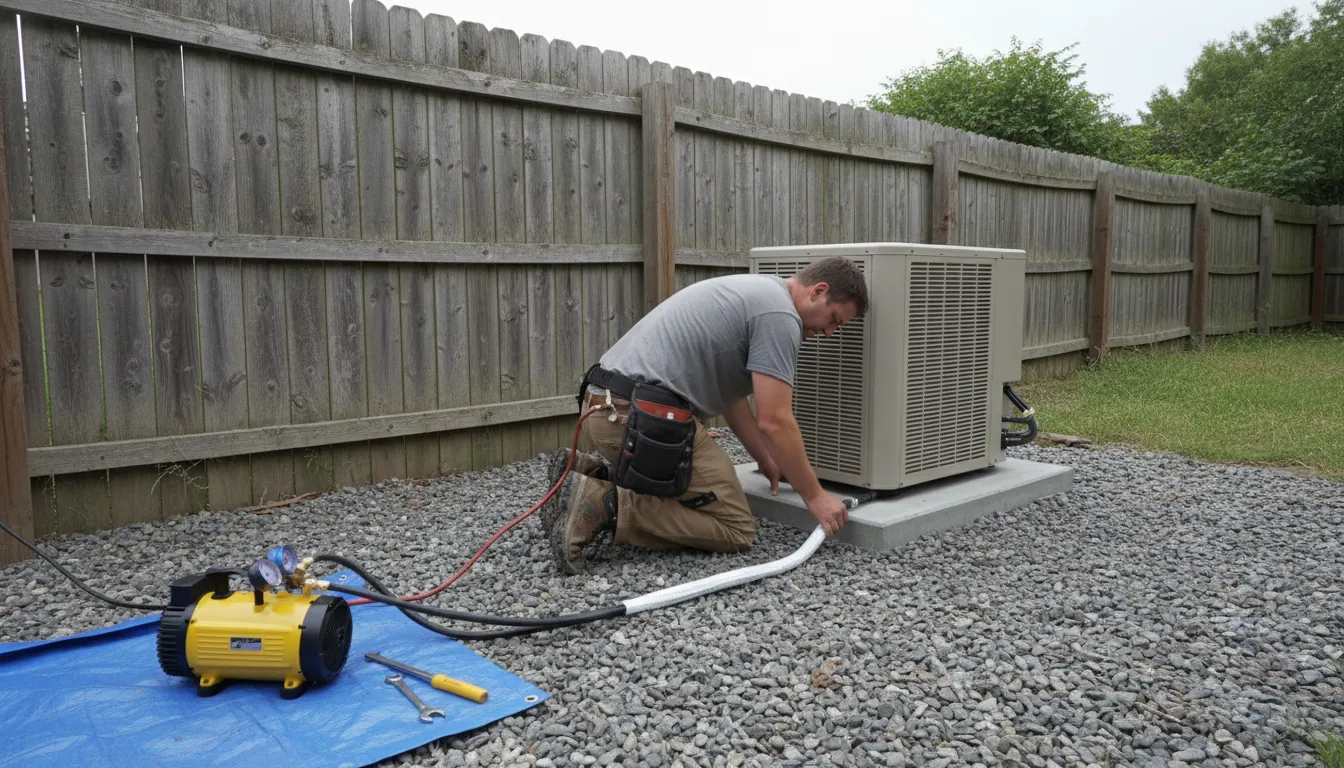
- Making Connections: The line set from inside is connected to the outdoor unit. A critical next step is evacuating the system with a vacuum pump to remove all air and moisture, which is essential for performance and longevity 11 12.
- System Testing and Commissioning: The system is powered on, refrigerant charge is verified, and all functions-cooling, heating, fan speeds, and thermostat controls-are tested to ensure proper operation.
Ensuring Efficiency and Longevity
To get the most from your investment, follow a few simple guidelines. Schedule annual maintenance with a qualified technician to clean filters, check refrigerant levels, and inspect electrical components. Keep the area around both indoor and outdoor units clear of debris, furniture, or plants that could block airflow. Use the system's zoned capabilities wisely; there's no need to cool unoccupied rooms. Finally, always use a licensed and insured professional for any service work to protect your manufacturer's warranty.
Frequently asked questions
Sources
Footnotes
-
Mini-Split AC Systems: The Perfect Solution for Central ... - https://unitedairheat.com/mini-split-ac-systems-the-perfect-solution-for-central-floridas-unique-cooling-challenges/ ↩
-
Ductless mini-split installation: Cool 2025 Guide - https://www.southern-air.com/blog/ductless-mini-split-installation ↩
-
How Much Does a Mini-Split Installation Cost? - Taskrabbit Blog - https://www.taskrabbit.com/blog/mini-split-installation-cost/ ↩
-
How Much Does a Mini Split Installation Cost? (2026) - HomeGuide - https://homeguide.com/costs/ductless-mini-split-ac-cost ↩
-
Mini-Split Placement Guide: Best and Worst Spots for Installation - https://gulfshorecooling.com/mini-split-placement-guide/ ↩
-
Ductless Mini-Split Installation Cost in 2025: Full Breakdown - https://osborneheatingncooling.com/ductless-mini-split-installation-cost/ ↩
-
Understanding Mini Split Installation Costs A Complete Guide - https://armusmech.net/understanding-mini-split-installation-costs-a-complete-guide/ ↩
-
Ductless Mini Split Installation Costs in 2026 - Carrier - https://www.carrier.com/residential/en/us/products/ductless-mini-splits/ductless-mini-split-installation-cost/ ↩
-
Mini-Split AC Cost in Florida (2025 Guide) - Climacore - https://climacoreair.com/mini-split-ac-cost-in-florida/ ↩
-
Ductless Mini-Splits: A Comprehensive Cost Breakdown | Fire & Ice - https://indoortemp.com/resources/cost-of-mini-split-ductless-system ↩
-
Ductless mini-split installation: Cool 2025 Guide - Southern Air - https://www.southern-air.com/blog/ductless-mini-split-installation ↩
-
Ductless Mini Split Setup: An Ultimate Guide - Airflow Heating & Air - https://www.goairflow.com/blog/ductless-mini-split-installation/ ↩