Find the Best Mini-Split Installers for Your Business
No obligation • Fast responses • Nationwide coverage

Why you can trust HVAC Firms
HVAC Firms is a leading United States resource for evaluating HVAC service providers. Our team researches companies, checks credentials, and reviews customer feedback to present clear, unbiased information. Listings and rankings are based on merit, and companies cannot pay to change our editorial content.
Search providers near you
Top Mini-Split Installers in Pembroke Pines, Florida Ranked
A ductless mini-split system is a versatile and efficient solution for heating and cooling homes in Pembroke Pines. Unlike traditional central air systems that rely on a network of ducts, these systems use an outdoor compressor unit connected to one or more sleek indoor air handlers. This setup provides zoned comfort, allowing you to control the temperature in individual rooms or areas independently. For homeowners dealing with hot spots, sunrooms, home additions, or older properties without existing ductwork, a mini-split installation can be a game-changer. This guide will help you understand the types of systems, installation considerations, and costs specific to our area so you can make an informed decision for your home comfort needs.
Florida Clean Air Plus
15251 NE 18th Ave Suite #3, North Miami Beach, FL 33162
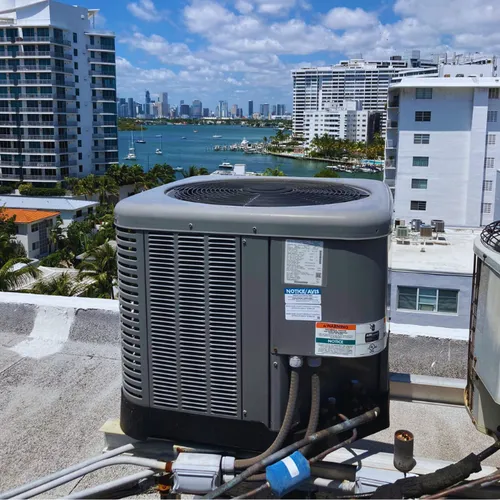
Florida Clean Air Plus is an HVAC company based in Miami, FL, offering a wide range of heating and cooling services for both residential and commercial clients. Their services include AC repair, installation of new AC and heat pump systems, air duct cleaning, duct sealing, dryer vent cleaning, and thermostat installation. They emphasize improving indoor air quality and energy efficiency through thorough maintenance and cleaning. The company provides 24/7 emergency HVAC service, ensuring support whenever needed. Their certified technicians are experienced in handling all major HVAC brands and models, delivering precise installations and repairs with transparent, upfront quotes.

Air Zone Mechanical
16600 NW 54th Ave Unit 3, Miami Lakes, FL 33014
Air Zone Mechanical is an air conditioning and indoor air quality company serving Miami, FL. With over 25 years of experience, they provide services including AC repair, installation, mini split installation, duct cleaning, thermostat installation, and air purification. The company offers 24/7 emergency service and employs bilingual technicians to better serve the community. They handle both residential and commercial projects using the latest technology to ensure effective and timely solutions.
MARTIN AIR AND HEATING LLC
7221 NW 169th St, Hialeah, FL 33015
Martin Air and Heating LLC is a Latina-owned HVAC company based in Miami, FL. Since 2017, they have provided air conditioning installation and repair services, including mini split and central air systems, for residential and commercial clients. The company focuses on delivering personalized service and helping customers find the right cooling solutions for their needs.
Island Breeze Air Conditioning, LLC
6831 SW 44th St APT 109, Miami, FL 33155
Island Breeze Air Conditioning, LLC is an HVAC company serving Miami, FL, specializing in heating and air conditioning system installation, repair, and maintenance. Their services include air conditioner, furnace, heat pump, and mini split system installation and repair, as well as thermostat installation and indoor air quality improvements. They offer 24/7 emergency repair services and provide service agreements for regular maintenance to extend system life and ensure reliable performance. The company also supplies a range of products such as air cleaners, humidifiers, UV lights, and zoning systems to enhance indoor environments.
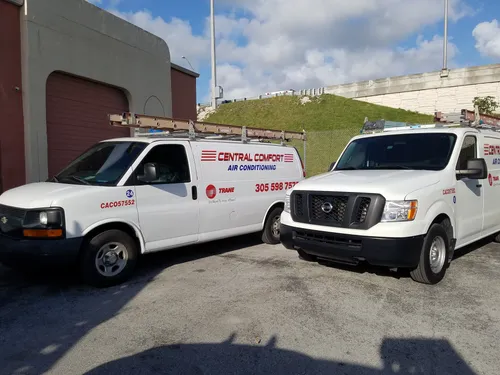
Central Comfort Air Conditioning
12320 SW 129th Ct, Miami, FL 33186
Central Comfort Air Conditioning is an HVAC company serving Miami, FL, and the surrounding Miami-Dade and Southern Broward areas. With over 29 years of experience, they provide residential and commercial heating and cooling services including installation, repair, and maintenance of air conditioners, furnaces, heat pumps, and mini-split systems. They also offer indoor air quality solutions such as duct cleaning and air purification. Their licensed technicians handle all makes and models, focusing on system efficiency and comfort. The company offers 24/7 phone support for scheduling and is accredited by the Better Business Bureau.
Understanding Ductless Mini-Split Systems
Ductless mini-splits, often simply called mini-splits or ductless AC, are ideal for targeted climate control. The core advantage is zoning-you only cool or heat the rooms you are using, which can lead to significant energy savings. This is particularly valuable in Florida's climate, where cooling needs can vary dramatically from a sun-drenched living room to a shaded bedroom.
The system consists of two main components:
- Outdoor Condenser/Compressor: This unit is installed outside the home on a concrete pad or slab. It houses the critical components like the compressor and condenser coil.
- Indoor Air Handler(s): These are mounted on walls, ceilings, or floors inside the rooms you wish to condition. They are connected to the outdoor unit by a small conduit that houses refrigerant lines, a drain line, and electrical wiring.
Because they require only a small, 3-inch hole for the conduit, ductless installations are far less invasive than installing new ductwork, making them perfect for room additions, finished garages, or historic homes where preserving aesthetics is important.
Types of Mini-Split Configurations for Your Home
Choosing the right configuration is the first step in planning your ductless installation. The setup you need depends entirely on how many areas you want to condition and how independently you wish to control them.
Single-Zone Systems
A single-zone system is the most straightforward and cost-effective option. It consists of one outdoor unit connected to a single indoor air handler. This is the perfect choice for:
- Cooling a home addition, sunroom, or converted garage.
- Providing supplemental cooling to a perpetually hot master bedroom or home office.
- Conditioning a standalone space like a workshop or pool house.
This setup creates one independent climate zone, giving you precise control over that specific room's temperature.
Multi-Zone Systems
A multi-zone system uses one outdoor compressor to power two, three, or even four or more indoor air handlers. Each indoor unit can be controlled independently. This configuration is excellent for:
- Cooling multiple bedrooms, allowing for personalized comfort settings.
- Efficiently managing the temperature in common areas like the living room and kitchen separately from private spaces.
- Upgrading comfort in a home without ducts, where running new ductwork would be prohibitively expensive or disruptive.
Multi-zone installations maximize efficiency because the outdoor unit's inverter technology can adjust its output to match the combined demand of the active indoor units, avoiding the energy waste of constantly turning on and off.
Whole-Home Ductless Solutions
For homes without any existing ductwork, a whole-home ductless system can completely replace a traditional central HVAC system. This involves installing multiple indoor units throughout the house-often a combination of different styles-all connected to one or more powerful outdoor condensers. This approach provides the ultimate in zoned comfort and efficiency for the entire property, though it represents a more significant investment 1.
Key Installation Considerations in Pembroke Pines
A successful mini-split installation hinges on careful planning. Two of the most critical decisions are where to place the indoor and outdoor units.
Indoor Air Handler Placement
The location of the indoor unit directly impacts airflow, comfort, and efficiency. Professional installers will assess your room's layout to determine the optimal spot.
- High on Wall (Most Common): This is the standard and often most effective placement. The unit is mounted high on an interior wall, typically 6-8 inches from the ceiling. This allows for the best air circulation across the room. It's crucial to place it away from direct sunlight, large furniture, or curtains that could obstruct airflow.
- Ceiling Cassette: These units are recessed into the ceiling, offering a very sleek, low-profile appearance. They distribute air in four directions and are ideal for larger, open areas like great rooms or finished basements with standard ceiling heights 2.
- Floor-Mounted: Installed low on the wall, these units are a practical solution for rooms with sloped ceilings (like in a converted attic) or walls with extensive window coverage. They provide excellent airflow at occupant level 3 4.
Outdoor Unit Placement
The outdoor condenser requires thoughtful placement for performance, longevity, and accessibility.
- Adequate Clearance: The unit needs sufficient space for airflow. Manufacturer specifications vary, but generally, you need at least 1-2 feet of clearance on the sides and back, and 4-5 feet above the unit to ensure proper exhaust of hot air.
- Stable Foundation: It must be placed on a stable, level surface, such as a concrete pad or a composite mounting pad, to prevent vibration and noise.
- Accessibility: Choose a location that allows easy access for future maintenance and repairs. It should also be situated away from bedroom windows to minimize noise disturbance and away from areas where falling leaves or debris could clog the coils.
Find the perfect mini-split installers for your needs
Get personalized recommendations and expert advice
The Mini-Split Installation Process
Understanding the installation steps can help you know what to expect when you hire a professional for your ductless AC installation.
- Site Evaluation & Planning: A qualified technician will visit your home to assess your needs, recommend the right system size (measured in BTUs) and configuration, and determine the best locations for all components.
- Mounting Indoor Units: The installer will securely mount the bracket for the indoor air handler(s) on the wall or ceiling according to the planned location.
- Drilling the Conduit Hole: A small hole (approximately 3 inches in diameter) is drilled through the exterior wall to connect the indoor and outdoor units.
- Running Line Sets: The refrigerant lines (copper tubing), condensate drain line, and electrical wiring are run through the conduit from the outdoor unit location to each indoor head.
- Setting the Outdoor Unit: The condenser is placed on its pad, leveled, and secured. All line sets and electrical connections are made.
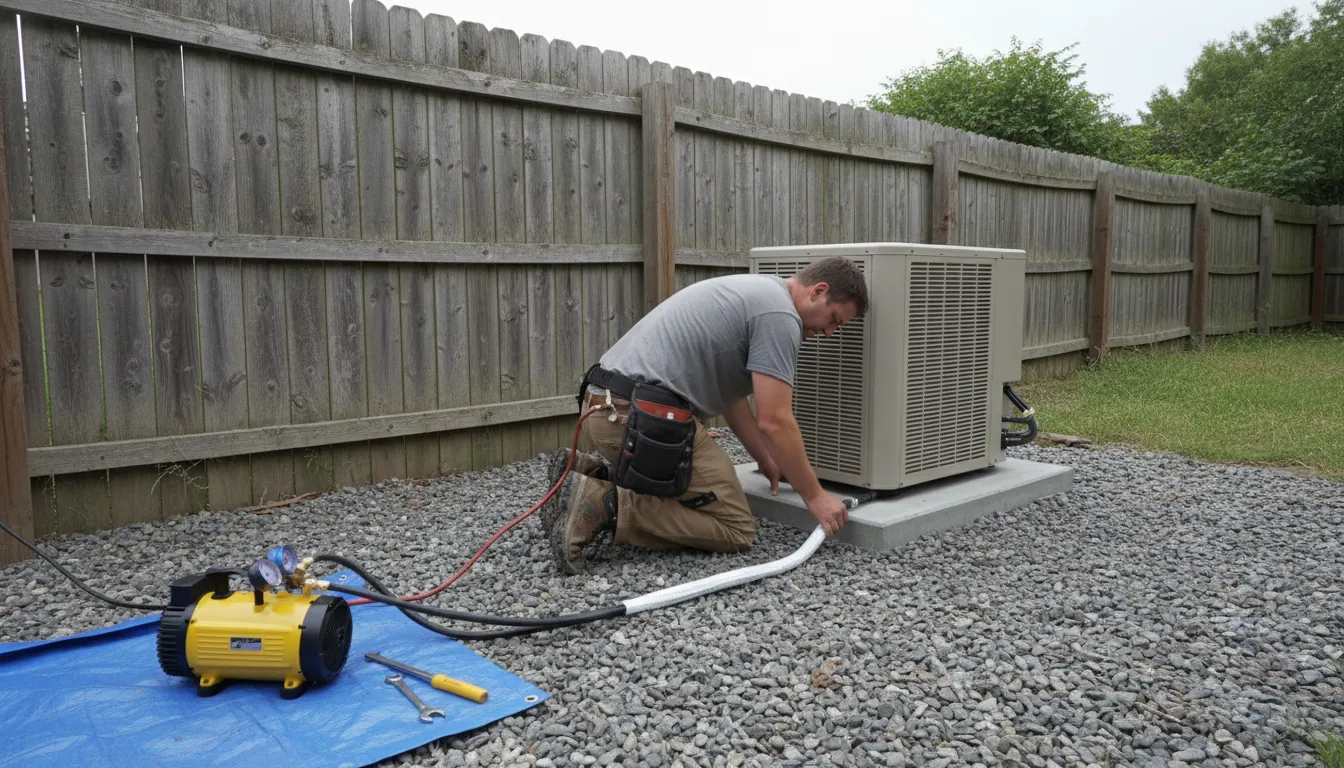
- System Evacuation & Charging: The refrigerant lines are evacuated of air and moisture using a vacuum pump-a critical step for system efficiency and longevity. The system is then charged with the correct amount of refrigerant.
- Testing & Commissioning: The installer will power on the system, test all functions (cooling, heating, fan modes), check for leaks, and ensure each zone is operating correctly. They will also show you how to use the remote controls or Wi-Fi thermostat 5 6.
Cost Factors for Ductless Installation
The cost of a mini-split installation in Pembroke Pines is not a single number but a range influenced by several key factors.
Primary Cost Drivers:
- Number of Zones: This is the most significant factor. Adding more indoor air handlers increases the cost for equipment, labor, and materials. A single-zone system is the entry point, while a multi-zone or whole-home system requires a larger investment.
- System Capacity and Efficiency: Systems with higher cooling capacity (BTUs) and higher SEER2 (Seasonal Energy Efficiency Ratio) ratings cost more upfront but offer greater long-term savings on energy bills, which is a crucial consideration for Florida homeowners.
- Equipment Brand: Premium brands with advanced features, longer warranties, and proven reliability typically come at a higher price point than value-oriented brands.
- Installation Complexity: The difficulty of running line sets (e.g., through multiple stories, finished walls, or attic spaces) can affect labor time and cost. The type of wall construction (concrete block vs. wood frame) also plays a role.
Additional Potential Costs:
- Electrical Work: Most ductless systems require a dedicated electrical circuit. If your electrical panel needs an upgrade or a new circuit needs to be run, this can add to the total project cost 7 8.
- Permits: Most local municipalities, including Pembroke Pines, require permits for HVAC installations. Your contractor typically handles this, and the fee is usually included in the overall estimate.
Estimated Cost Ranges
Based on current market data for Florida, here are general price ranges for a professionally installed ductless mini-split system 9 10 11 12 13:
- Single-Zone System (One Indoor Head): $2,000 - $8,000
- Multi-Zone System (2-3 Indoor Heads): $5,500 - $12,000+
- Whole-Home System (4+ Indoor Heads): $10,000 - $20,000+
These ranges encompass equipment and standard installation. It's essential to get detailed, written estimates from licensed and insured local contractors that break down all costs, including equipment model numbers, labor, materials, permits, and any necessary electrical work.
Frequently asked questions
Sources
Footnotes
-
Ductless mini-split installation: Cool 2025 Guide - Southern Air - https://www.southern-air.com/blog/ductless-mini-split-installation ↩
-
Mini-Split Placement Guide: Best and Worst Spots for Installation - https://gulfshorecooling.com/mini-split-placement-guide/ ↩
-
How Much Does a Mini-Split Installation Cost? - Taskrabbit Blog - https://www.taskrabbit.com/blog/mini-split-installation-cost/ ↩
-
How Much Does a Mini Split Installation Cost? (2026) - HomeGuide - https://homeguide.com/costs/ductless-mini-split-ac-cost ↩
-
Ductless Mini Split Installation Costs in 2026 - Carrier - https://www.carrier.com/residential/en/us/products/ductless-mini-splits/ductless-mini-split-installation-cost/ ↩
-
How to Install a Ductless Mini-Split Air Conditioner | This Old ... - https://www.youtube.com/watch?v=ozaw9QhxkQU&t=25 ↩
-
What is the Average Cost of Ductless Mini Split Installation in Vero ... - https://airdocsac.com/what-is-the-average-cost-of-ductless-mini-split-installation-in-vero-beach-fl/ ↩
-
How Much Does It Cost to Install a Mini Split System? - https://elementairco.com/how-much-does-it-cost-to-install-a-mini-split-system/ ↩
-
Ductless Mini-Split Installation Cost in 2025: Full Breakdown - https://osborneheatingncooling.com/ductless-mini-split-installation-cost/ ↩
-
Ductless Mini-Splits: A Complete Guide To Cost, Benefits, And ... - https://petermanhvac.com/about-us/blog/mini-splits-complete-guide/ ↩
-
Mini-Split AC Cost in Florida (2025 Guide) - Climacore - https://climacoreair.com/mini-split-ac-cost-in-florida/ ↩
-
How Much Does it Cost to Install a Ductless Mini-Split AC in ... - https://www.cooltoday.com/blog/how-much-does-it-cost-to-install-a-ductless-mini-split-ac-in-florida ↩
-
What Does a Ductless Mini-Split Installation Cost in 2025? Real-World Estimates & Budgeting - https://thefurnaceoutlet.com/blogs/hvac-tips/what-does-a-ductless-mini-split-installation-cost-in-2025-real-world-estimates-budgeting ↩