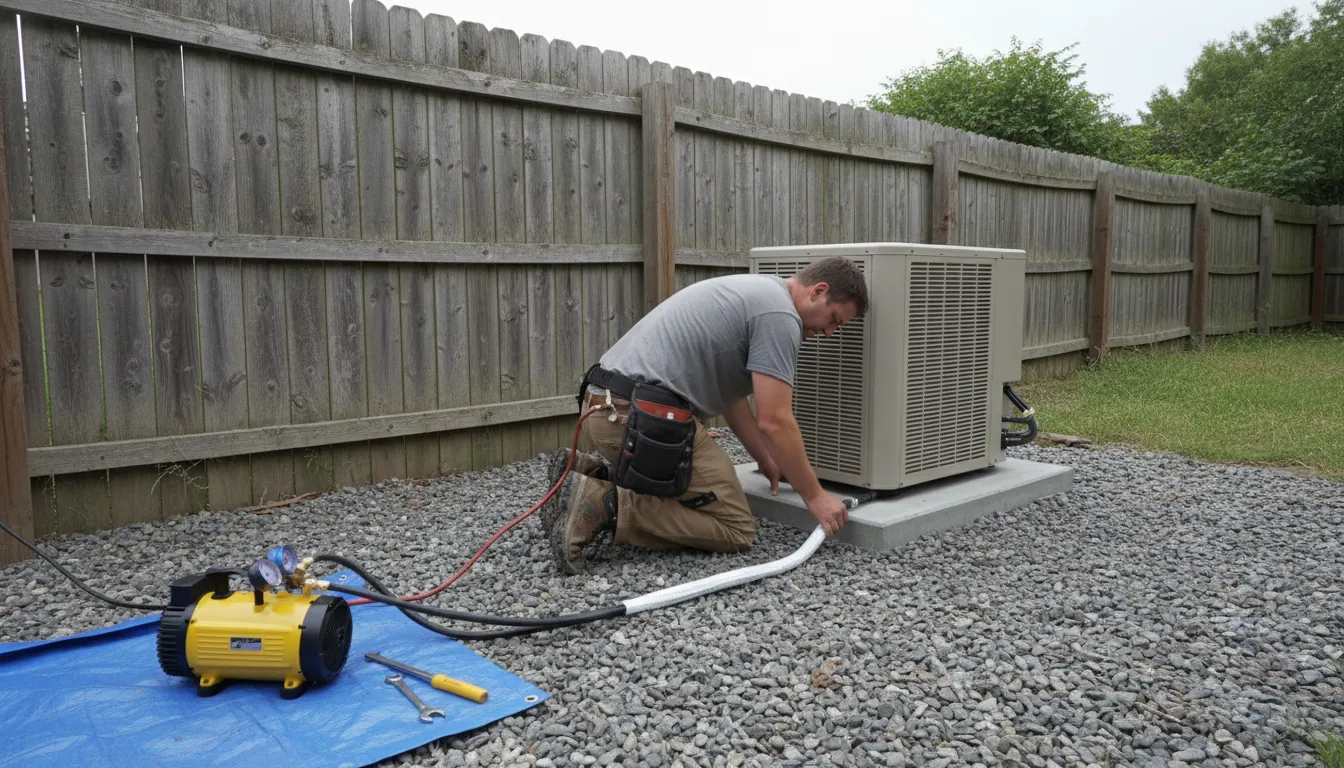
Find the Best Mini-Split Installers for Your Business
No obligation • Fast responses • Nationwide coverage

Why you can trust HVAC Firms
HVAC Firms is a leading United States resource for evaluating HVAC service providers. Our team researches companies, checks credentials, and reviews customer feedback to present clear, unbiased information. Listings and rankings are based on merit, and companies cannot pay to change our editorial content.
Search providers near you
Top Mini-Split Installers in Lauderhill, Florida Ranked
A ductless mini-split system is a modern, energy-efficient solution for cooling and heating individual rooms or zones in your home. This type of installation is particularly valuable in Lauderhill, where it can provide targeted comfort for additions, sunrooms, garages, or homes without existing ductwork. By connecting quiet indoor air handlers to a single outdoor compressor, these systems offer precise temperature control and significant energy savings. The following guide will help you understand the key considerations, from system types and placement to costs, so you can make an informed decision for your home.
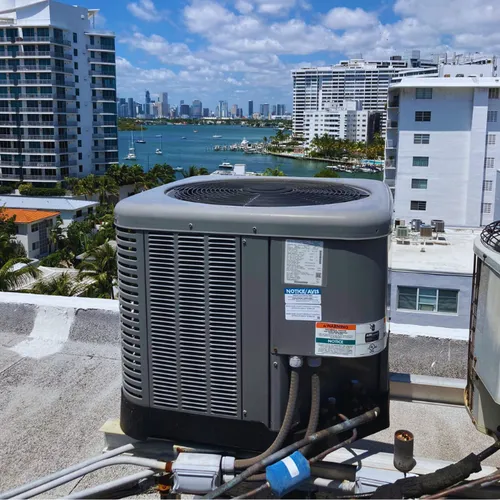
Florida Clean Air Plus
15251 NE 18th Ave Suite #3, North Miami Beach, FL 33162
Florida Clean Air Plus is an HVAC company based in Miami, FL, offering a wide range of heating and cooling services for both residential and commercial clients. Their services include AC repair, installation of new AC and heat pump systems, air duct cleaning, duct sealing, dryer vent cleaning, and thermostat installation. They emphasize improving indoor air quality and energy efficiency through thorough maintenance and cleaning. The company provides 24/7 emergency HVAC service, ensuring support whenever needed. Their certified technicians are experienced in handling all major HVAC brands and models, delivering precise installations and repairs with transparent, upfront quotes.

Air Zone Mechanical
16600 NW 54th Ave Unit 3, Miami Lakes, FL 33014
Air Zone Mechanical is an air conditioning and indoor air quality company serving Miami, FL. With over 25 years of experience, they provide services including AC repair, installation, mini split installation, duct cleaning, thermostat installation, and air purification. The company offers 24/7 emergency service and employs bilingual technicians to better serve the community. They handle both residential and commercial projects using the latest technology to ensure effective and timely solutions.
MARTIN AIR AND HEATING LLC
7221 NW 169th St, Hialeah, FL 33015
Martin Air and Heating LLC is a Latina-owned HVAC company based in Miami, FL. Since 2017, they have provided air conditioning installation and repair services, including mini split and central air systems, for residential and commercial clients. The company focuses on delivering personalized service and helping customers find the right cooling solutions for their needs.

Island Breeze Air Conditioning, LLC
6831 SW 44th St APT 109, Miami, FL 33155
Island Breeze Air Conditioning, LLC is an HVAC company serving Miami, FL, specializing in heating and air conditioning system installation, repair, and maintenance. Their services include air conditioner, furnace, heat pump, and mini split system installation and repair, as well as thermostat installation and indoor air quality improvements. They offer 24/7 emergency repair services and provide service agreements for regular maintenance to extend system life and ensure reliable performance. The company also supplies a range of products such as air cleaners, humidifiers, UV lights, and zoning systems to enhance indoor environments.
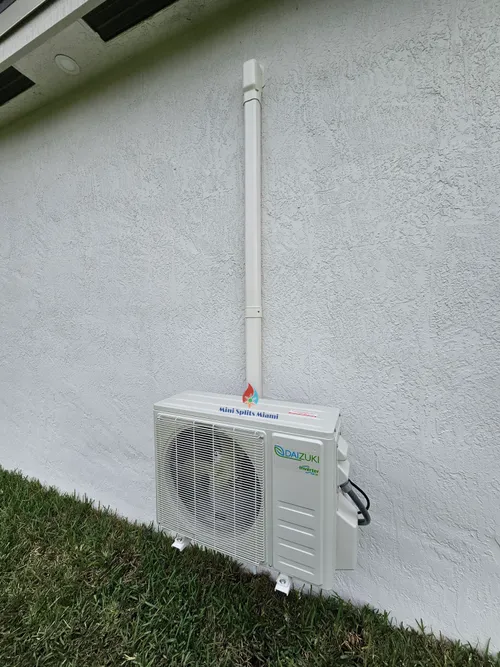
Best Price Mini Splits Miami Fl
1706 SW 57th Ave, Miami, FL 33155
Best Price Mini Splits Miami Fl is an air conditioning company based in Miami, FL, offering sales, installation, and maintenance services for mini split systems and other AC units. They provide comprehensive HVAC solutions including precise installation and tune-ups to ensure effective climate control. The company emphasizes a full-service approach from purchase to ongoing care, supported by qualified staff and partnerships that enhance their service delivery.
Understanding Ductless Mini-Split Systems
A ductless mini-split, often simply called a ductless system, is a versatile heating and cooling solution. Unlike central air conditioners that rely on a network of ducts, these systems use a small outdoor condenser unit connected via refrigerant lines to one or more indoor air handlers, or "heads." 1 This design eliminates the energy losses associated with ductwork, which can account for more than 30% of energy consumption in a central system, especially if the ducts are in an unconditioned space like an attic. 2 For many Lauderhill homes, especially those built without ducts, with room additions, or with specific humidity control needs, a ductless air conditioner installation is an ideal choice. 3
The core components are the outdoor unit, which houses the compressor and condenser, and the indoor units that distribute conditioned air. The two are connected by a conduit that contains the refrigerant tubing, power cable, and condensate drain line, all of which require a small, discreet hole through the wall. This setup allows for flexible installation in areas where extending ductwork would be prohibitively expensive or structurally challenging.
Key Benefits for Lauderhill Homeowners
- Zoned Comfort: Each indoor unit operates independently, allowing you to cool or heat only the rooms you are using. This is perfect for managing different temperature preferences in bedrooms versus living areas or for conditioning a converted garage or lanai.
- Energy Efficiency: Modern ductless systems have high SEER2 (Seasonal Energy Efficiency Ratio) ratings, meaning they use less electricity to cool your home compared to many older central AC units or window units.
- Improved Indoor Air Quality: Since there are no ducts to accumulate dust, pollen, and mold, mini-splits can provide cleaner air. Many models also include multi-stage filtration.
- Dehumidification: In Florida's humid climate, managing moisture is crucial. Ductless systems excel at removing humidity from the air as they cool, creating a more comfortable indoor environment.
- Quiet Operation: The loudest component-the compressor-is located outside. Indoor units operate very quietly, often at a whisper.
Types of Mini-Split Systems: Single-Zone vs. Multi-Zone
Choosing between a single-zone and a multi-zone system is one of the first and most important decisions in planning your ductless installation.
Single-Zone Systems This configuration consists of one outdoor unit connected to one indoor air handler. It's designed to condition a single, defined space. This is the most common and cost-effective setup for targeted applications, such as:
- A home addition or sunroom.
- A garage workshop or converted living space.
- A bedroom that never seems to get cool enough from the central system.
- A standalone office or studio.
Multi-Zone Systems A multi-zone system uses one outdoor condenser to support two, three, four, or even more indoor units. Each indoor head can be controlled independently, allowing for customized comfort in multiple rooms. This is an excellent solution for whole-home comfort in a house without ducts or for significantly upgrading comfort in key areas of a larger home. 4 While the upfront cost is higher than a single-zone, a multi-zone installation is often more efficient and cost-effective than installing multiple separate single-zone systems.
Critical Considerations for Indoor Unit Placement
Proper placement of the indoor air handlers is essential for performance, efficiency, and comfort. The goal is to ensure unobstructed airflow for even temperature distribution and to avoid "short-cycling," where the unit senses it has reached the set temperature too quickly and shuts off before the entire room is conditioned.
Common Indoor Unit Types & Placement Guidelines:
- Wall-Mounted: This is the most popular and generally most affordable option. The unit is mounted high on an interior wall, typically 6-7 feet from the floor. 5 It should be placed on an exterior wall for the shortest possible refrigerant line run to the outdoor unit. Avoid mounting it directly above large pieces of furniture, in a corner, or directly above a doorway, as these locations restrict airflow.
- Ceiling Cassette: These units are recessed into the ceiling, with only a sleek vent panel visible. They provide four-way air discharge for very even distribution and are aesthetically discreet. Installation is more complex and costly, as it requires sufficient ceiling cavity space.
- Floor-Mounted: Designed to be installed low on a wall, near the floor. This is an ideal solution for rooms with large windows, sloped ceilings (like in a converted attic), or where wall space is limited. They provide excellent comfort at the occupant level.
Find the perfect mini-split installers for your needs
Get personalized recommendations and expert advice
Outdoor Unit Clearance and Location
The outdoor condenser unit requires careful siting. It must be placed on a stable, level pad (concrete or composite) to prevent vibration and noise. Most importantly, it needs adequate clearance on all sides-typically 12-24 inches or more as specified by the manufacturer-to allow for proper heat exchange. Blocking airflow with plants, fences, or walls will cause the system to work harder, reducing efficiency and potentially leading to premature failure. The location should also consider noise for you and your neighbors, as well as accessibility for future maintenance.
The Professional Installation Process
A proper ductless mini-split installation is not a DIY project. It requires licensed HVAC technicians who handle several critical steps:
- Load Calculation and System Design: A technician will perform a Manual J calculation to determine the precise heating and cooling needs (in BTUs) for your space. Oversizing or undersizing the system leads to inefficiency, poor humidity control, and increased wear.
- Permitting: In Lauderhill and Broward County, installing a new HVAC system typically requires a permit to ensure the work meets local building and electrical codes. A professional contractor will manage this process.
- Mounting and Line Set Installation: The indoor and outdoor units are securely mounted. A small hole is drilled through the wall for the line set (refrigerant lines, drain, and electrical wiring), which is then connected between the units.
- Electrical Work: A dedicated electrical circuit must be run from your home's main panel to the outdoor unit. This is work for a qualified electrician, often part of the HVAC team.
- Evacuation and Charging: The refrigerant lines are evacuated of all air and moisture using a vacuum pump before the system is charged with refrigerant. This step is critical for efficiency and longevity.
- Testing and Commissioning: The system is started, tested for proper operation, and the homeowner is instructed on how to use the controls.
Understanding Installation Costs in Lauderhill
The cost of a ductless mini-split installation in Lauderhill varies widely based on system capacity, number of zones, brand, efficiency, and installation complexity. The following ranges provide a general guideline, but a detailed quote from a local contractor is essential. 6
- Single-Zone System: For a basic, high-efficiency single-head system cooling one room or area, homeowners can expect costs ranging from $2,000 to $5,000 or more. This includes the equipment and professional installation. 7
- Multi-Zone System (2-4 Heads): Installing a system with one outdoor unit supporting multiple indoor heads for whole-home or multi-room comfort typically falls in the range of $5,000 to $12,000+. 8
- Whole-Home Replacement (4+ Zones): For a large home relying entirely on ductless technology, costs can range from $10,000 to $20,000 or higher, depending on the home's size and the system's sophistication. 9
Factors Influencing Cost:
- System Size and Capacity (BTUs): Larger spaces require more powerful (and expensive) equipment.
- SEER2 Rating: Systems with higher efficiency ratings (e.g., SEER2 20+) cost more upfront but offer greater long-term energy savings. 10
- Number of Indoor Units: Each additional air handler adds to the equipment and labor cost.
- Installation Complexity: Long refrigerant line runs, difficult wall penetrations (like concrete block), or the need for new electrical service will increase labor costs.
- Brand and Features: Premium brands and units with advanced features (Wi-Fi controls, advanced filtration) command higher prices.
While the initial investment can be significant, the energy savings, increased comfort, and potential utility rebates can make a ductless mini-split a financially sound home upgrade over time. 11
Frequently asked questions
Sources
Footnotes
-
Mini-Split Placement Guide: Best and Worst Spots for Installation - https://gulfshorecooling.com/mini-split-placement-guide/ ↩
-
Ductless mini-split installation: Cool 2025 Guide - Southern Air - https://www.southern-air.com/blog/ductless-mini-split-installation ↩
-
Mini Split AC System Installation - https://coasttocoastac.com/services/mini-split-ac-system-installation/ ↩
-
Understanding Mini Split AC Zones - All-Temp Heating & Cooling - https://all-temphvac.com/blog/air-conditioning/mini-split-ac-zones/ ↩
-
How Much Does a Mini-Split Installation Cost? - Taskrabbit Blog - https://www.taskrabbit.com/blog/mini-split-installation-cost/ ↩
-
Ductless Mini-Split Installation Cost in 2025: Full Breakdown - https://osborneheatingncooling.com/ductless-mini-split-installation-cost/ ↩
-
Ductless Mini Split Installation Costs in 2026 - Carrier - https://www.carrier.com/residential/en/us/products/ductless-mini-splits/ductless-mini-split-installation-cost/ ↩
-
Ductless Mini Split Setup: An Ultimate Guide - Airflow Heating & Air - https://www.goairflow.com/blog/ductless-mini-split-installation/ ↩
-
How Much Does a Mini Split Installation Cost? (2026) - HomeGuide - https://homeguide.com/costs/ductless-mini-split-ac-cost ↩
-
Mini-Split AC Cost in Florida (2025 Guide) - Climacore - https://climacoreair.com/mini-split-ac-cost-in-florida/ ↩
-
Ductless Mini-Splits: A Complete Guide To Cost, Benefits, And ... - https://petermanhvac.com/about-us/blog/mini-splits-complete-guide/ ↩