Find the Best Mini-Split Installers for Your Business
No obligation • Fast responses • Nationwide coverage

Why you can trust HVAC Firms
HVAC Firms is a leading United States resource for evaluating HVAC service providers. Our team researches companies, checks credentials, and reviews customer feedback to present clear, unbiased information. Listings and rankings are based on merit, and companies cannot pay to change our editorial content.
Search providers near you
Top Mini-Split Installers in Stamford, Connecticut Ranked
A ductless mini-split system is a versatile heating and cooling solution that provides targeted comfort without the need for extensive ductwork. This technology is especially valuable in Stamford, where older homes, room additions, and spaces like finished basements often lack existing ducts. By offering independent zone control, a mini-split installation can enhance energy efficiency and customize the temperature in different parts of your home. This guide will help you understand the process, benefits, and key considerations for finding a qualified local professional to handle your project.
Energywise Inc
2231 5th Ave Suite 26, Ronkonkoma, NY 11779
Energywise Inc is an HVAC company based in New York, NY, specializing in heating and cooling solutions. They offer installation, repair, and maintenance services for a variety of systems including heat pumps, central air conditioning, ductless mini splits, geothermal systems, and traditional furnaces. Their factory-trained technicians provide expert guidance and personalized recommendations to optimize home comfort and energy efficiency. Energywise Inc emphasizes energy-efficient products and sustainable solutions to reduce environmental impact while maintaining reliable system performance. The company has decades of experience and provides 24/7 emergency repair services to address urgent heating or cooling issues promptly.
Liberty Heating & Cooling
66 Lincoln Pl, Garfield, NJ 07026
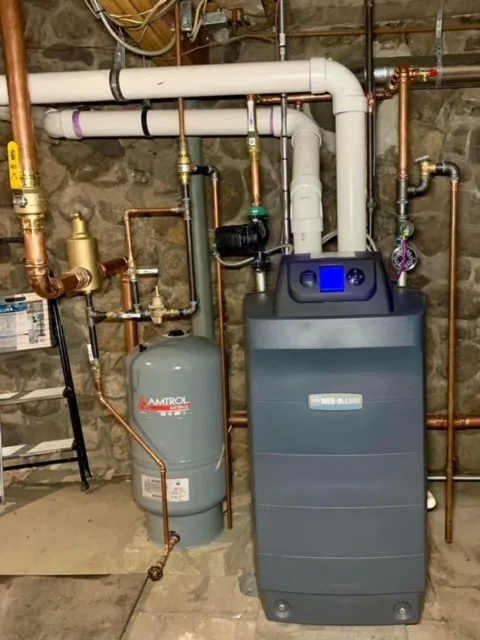
Liberty Heating & Cooling is a family-owned HVAC company based in Newark, NJ. They provide heating and air conditioning services for both residential and commercial properties, including installation, repair, and maintenance of boilers, furnaces, air conditioners, and ductless mini split systems. Their certified technicians have extensive experience in boiler and AC repairs as well as HVAC tune-ups, ensuring reliable system performance.
ELectric A/C Inc
69-59 75th St, Middle Village, NY 11379
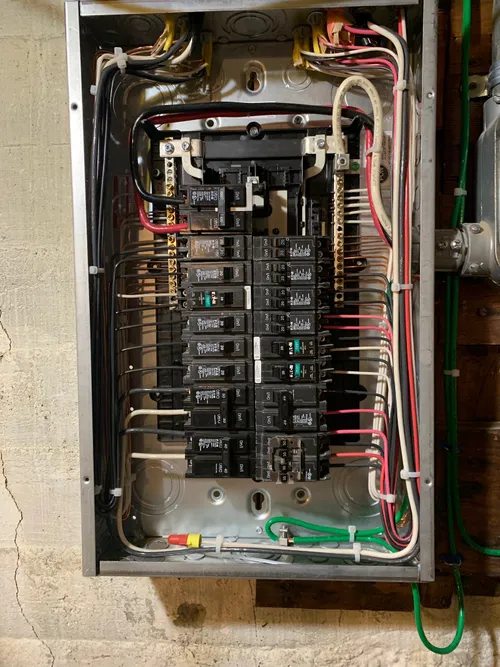
ELectric A/C Inc is a licensed electrical contractor and ductless A/C service provider based in Newark, NJ. They offer a range of services including ductless A/C installation and repair, thermostat installation, and various electrical services such as lighting installation and electrical service upgrades. Their team is certified to handle ductless A/C systems entirely in-house, combining electrical expertise with HVAC installation. They serve residential and commercial clients needing lighting design, troubleshooting, and electrical upgrades.
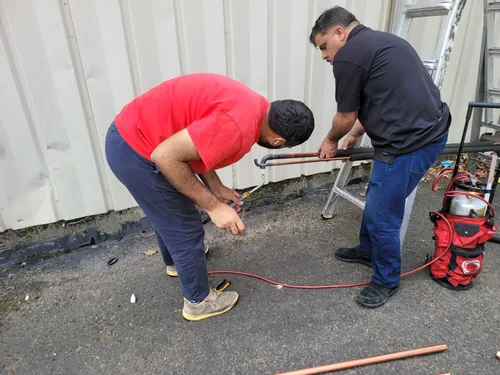
American HVAC Corp - Bronx - Heating, Commercial, Air Conditioning, Ductless Mini Split AC, Furnace Repair Installation NYC
1500 Astor Ave, Bronx, NY 10469
American HVAC Corp - Bronx - Heating, Commercial, Air Conditioning, Ductless Mini Split AC, Furnace Repair Installation NYC provides HVAC repair, installation, and maintenance services in New York, NY. The company serves residential and commercial clients across the Bronx and extends its services to Manhattan, Brooklyn, Queens, and Westchester County. Their EPA and NATE-certified technicians handle a variety of systems including ductless mini split ACs and furnaces. They have extensive experience working in multiple industries such as banks, data centers, educational institutions, and warehouses. American HVAC Corp is knowledgeable about local building codes and weather conditions, ensuring appropriate HVAC solutions for each project.
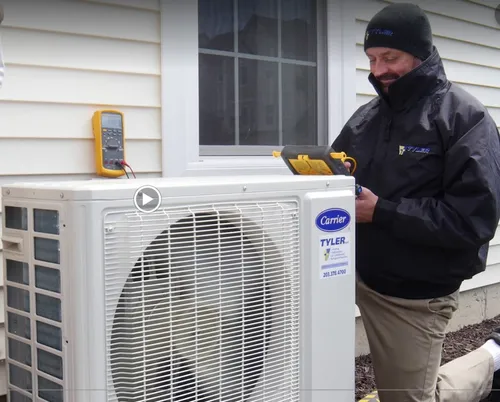
Tyler Heating, Air Conditioning, Refrigeration LLC
255 Hathaway Dr Unit 1, Stratford, CT 06615
Tyler Heating, Air Conditioning, Refrigeration LLC is an HVAC company serving New York, NY, with a focus on heating, cooling, and indoor air quality services. They provide installation, repair, and maintenance for air conditioners, furnaces, heat pumps, mini splits, and ductless HVAC systems. The company also offers indoor air quality solutions including humidity control and air purification. Established in 1995, Tyler Heating has over 25 years of experience serving the Southwest Connecticut area and offers same-day service to address urgent needs.
What is a Ductless Mini-Split System?
Often called a ductless heat pump or simply a mini-split, this system consists of two main components: a compact outdoor unit and one or more indoor air handlers. Refrigerant lines and electrical wiring connect the units through a small hole in the wall, eliminating the need for bulky and invasive ductwork. This makes ductless AC and heating installation an ideal retrofit solution for many Stamford homes. The core advantage is zoning-each indoor unit can be controlled independently, allowing you to cool or heat only the rooms you're using, which can lead to significant energy savings.
Ideal Applications for Stamford Homes
Mini-split systems are a perfect fit for specific home layouts and renovation projects common in the area.
- Older Homes & Historic Properties: Many classic Stamford homes were built without central air ducts. Installing a ductless system provides modern comfort without the major construction and aesthetic compromise of adding ducts.
- Room Additions & Finished Basements: Adding a sunroom, converting an attic, or finishing a basement often creates a heating and cooling challenge. A mini-split is a self-contained solution that doesn't overtax your existing HVAC system 1.
- Supplementing Central HVAC: If you have a room that's always too hot or too cold, a single-zone mini-split can solve that problem without needing to run new ductwork from your main system.
- Homes Seeking Efficiency Upgrades: Modern ductless heat pumps are highly efficient, especially in Connecticut's climate, providing both heating and cooling from one system.
Types of Indoor Units
Choosing the right style of indoor unit is crucial for both performance and aesthetics. The three main types each suit different room configurations.
Wall-Mounted Units
This is the most common and recognizable style. The unit is mounted high on an interior wall, requiring a clear, unobstructed space. Proper placement is typically at least 6 feet from the floor and away from direct sunlight or heat sources to ensure accurate temperature sensing and optimal airflow 2.
Floor-Mounted Units
Also known as low-wall units, these are an excellent choice for rooms with large windows, sloped ceilings (like in a finished attic), or limited wall space. They are installed close to the floor, often under a window, and provide strong upward airflow to help distribute comfort evenly.
Ceiling-Mounted (Cassette) Units
For a more discreet and integrated look, ceiling cassettes are recessed into the ceiling with only a slim vent visible. This option is popular in rooms with contemporary design or where wall space is at a premium, such as in offices or open-concept living areas.
A key consideration for all indoor unit types is ensuring there is ample clearance around them. They must be free of obstructions like bookshelves, curtains, or light fixtures to allow for proper air intake and discharge.
Outdoor Unit Placement & Requirements
The outdoor condenser unit is the heart of the system and its placement is critical for efficiency, longevity, and neighborly consideration.
- Solid Foundation: The unit must be placed on a stable, level pad, typically made of concrete or a composite material, to prevent vibration and noise.
- Adequate Clearance: Manufacturers specify minimum clearance distances (often 1-2 feet on the sides and 4-5 feet above) to ensure unimpeded airflow for the heat exchange process. Blocked airflow drastically reduces efficiency and can cause the system to fail.
- Service Access: Technicians need clear access to all sides of the unit for routine maintenance and any future repairs.
- Considerate Location: Consider placing the unit where operational noise won't disturb indoor or outdoor living spaces, and where dripping condensate (in cooling mode) or melting ice (in heating mode) won't cause issues.
The Professional Installation Process
A proper ductless mini-split installation is a technical job that ensures safety, performance, and warranty validity. Here's what a professional installation by a licensed Stamford contractor typically involves 3 4:
- Site Assessment & Planning: A technician evaluates your home to determine the optimal locations for indoor and outdoor units, calculates heating/cooling loads, and plans the refrigerant line and electrical routes.
- Mounting & Drilling: The indoor and outdoor units are securely mounted. A small, precisely drilled hole (about 3 inches) is made in the wall to connect them.
- Line Set Connection: The copper refrigerant lines, condensate drain line, and control wiring are run through the wall hole and connected between the units. All connections must be perfectly sealed.
- Electrical Work: A dedicated electrical circuit is often required, which must be installed by a licensed electrician to meet local Stamford and Connecticut building codes.
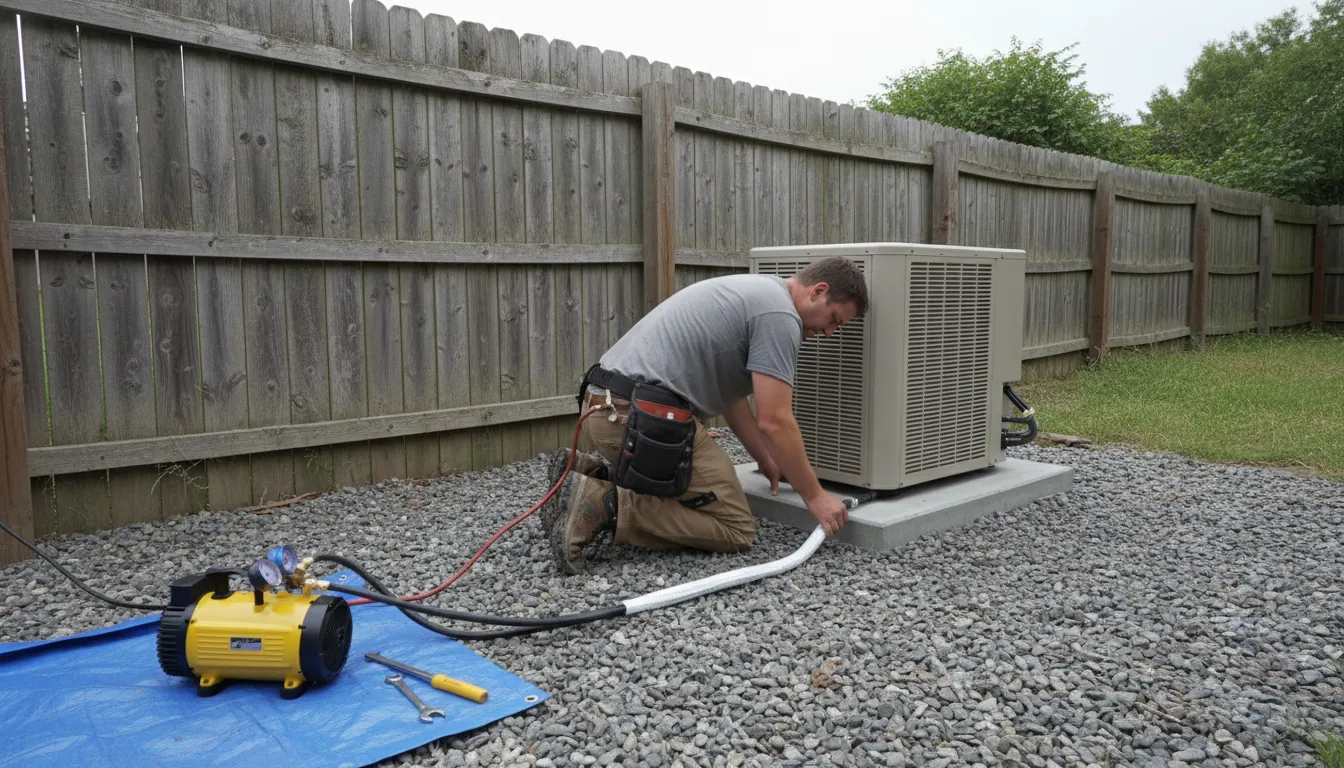
- Pressure Testing & Evacuation: The refrigerant lines are pressurized with nitrogen to check for leaks. Then, a powerful vacuum pump removes all moisture and air from the lines, which is essential for system longevity and efficiency.
- Refrigerant Charging & Testing: The system is charged with the exact amount of refrigerant specified by the manufacturer. Finally, each zone is started up and tested to verify proper heating, cooling, and drainage.
Find the perfect mini-split installers for your needs
Get personalized recommendations and expert advice
Professional Installation vs. DIY Kits
While DIY mini-split kits are marketed, the complexities involved make professional installation highly recommended for most homeowners.
- Warranty Protection: Most manufacturers' warranties are voided if the system is not installed by a licensed HVAC professional 5.
- Safety: Handling high-voltage electricity and pressurized refrigerant requires specialized training and certification. Improper work can be dangerous.
- Performance & Efficiency: An incorrect charge of refrigerant or a leaky connection will cause poor performance, high energy bills, and premature system failure. Professionals have the tools and expertise to get it right the first time.
- Code Compliance: A professional installer will secure the necessary permits and ensure the work meets all local building and electrical codes, which is important for home insurance and resale value.
Understanding Installation Costs in Stamford
Costs for a ductless mini-split installation can vary based on system complexity, brand, and your home's specific needs. Here is a general cost framework for the Stamford area 6 7 8:
- Single-Zone System: Installing one indoor unit with one outdoor condenser typically ranges from $3,000 to $5,000+, including equipment and professional labor. The final price depends on the brand's tier (budget, mid-range, premium), the system's SEER2 efficiency rating, and the complexity of the installation (e.g., electrical upgrades, difficult wall access) 9.
- Multi-Zone System: A system with one outdoor unit connected to two, three, or four indoor handlers offers greater whole-home coverage. Costs generally range from $6,000 to $15,000+ for a 2-4 zone system. Multi-zone installations are more complex but provide a cost-effective per-zone price compared to installing multiple single-zone systems 10.
- Key Cost Factors:
- Equipment Brand & Efficiency: Higher-efficiency models (with higher SEER2 and HSPF ratings) cost more upfront but save on long-term energy bills.
- Installation Complexity: Longer refrigerant line runs, the need for new electrical circuits, and challenging architectural features can increase labor costs.
- Permits & Local Regulations: Fees for required building permits in Stamford will be part of the total project cost.
Benefits of a Ductless Mini-Split System
Investing in a mini-split installation brings several compelling advantages:
- Zoned Comfort: Independently control the temperature in different rooms, eliminating hot or cold spots and accommodating personal preferences 11.
- High Energy Efficiency: Without the energy losses associated with ductwork (which can be 30% or more), and with inverter-driven compressors that adjust speed, ductless systems are exceptionally efficient 12 13.
- Flexible Installation: The ductless design opens up possibilities for comfortable climate control in spaces where extending ducts is impractical or prohibitively expensive.
- Improved Indoor Air Quality: Many systems include multi-stage filtration that can reduce dust, pollen, and other allergens circulating in your home. Since there are no ducts to collect dust and mold, this can be a benefit for allergy sufferers.
- Quiet Operation: The noisiest component-the compressor-is located outside. Indoor units operate very quietly, often on a "whisper" setting.
Finding a Qualified Installer in Stamford
Your system's performance and reliability depend heavily on the skill of the installer. Look for a local contractor with specific experience in ductless technology. They should be licensed, insured, and offer clear warranties on both parts and labor. A reputable professional will conduct a thorough home assessment, provide a detailed written estimate, and explain the process, helping you choose the right system for your Stamford home's needs and your budget.
Frequently asked questions
Sources
Footnotes
-
Ductless Mini-Split Installation - Always On Green Home - https://alwaysongreenhome.com/ductless-mini-split-installation/ ↩
-
How Much Does a Mini Split Installation Cost? (2026) - HomeGuide - https://homeguide.com/costs/ductless-mini-split-ac-cost ↩
-
Ductless mini-split installation: Cool 2025 Guide - Southern Air - https://www.southern-air.com/blog/ductless-mini-split-installation ↩
-
How to Install a Ductless Mini-Split Air Conditioner | This Old ... - https://www.youtube.com/watch?v=ozaw9QhxkQU&t=25 ↩
-
Is a Ductless Mini-Split Installation a DIY Project A Complete Guide - https://www.heating-ac.com/blog/is-a-ductless-mini-split-installation-a-diy-project-a-complete-guide ↩
-
Ductless Mini Split Installation: A Complete Guide - https://www.goairflow.com/blog/ductless-mini-split-installation/ ↩
-
Ductless Mini Split Installation Costs in 2026 - Carrier - https://www.carrier.com/residential/en/us/products/ductless-mini-splits/ductless-mini-split-installation-cost/ ↩
-
How Much Does It Cost to Install a Mini Split System? - https://elementairco.com/how-much-does-it-cost-to-install-a-mini-split-system/ ↩
-
Ductless Mini-Split Installation Cost in 2025: Full Breakdown - https://osborneheatingncooling.com/ductless-mini-split-installation-cost/ ↩
-
What Is a 3-Zone Mini Split & Installation Cost Guide For 2026 - https://www.budgetheating.com/what-is-a-3-zone-mini-split-installation-cost-guid/ ↩
-
Ductless Mini Split Installation for Efficient Home Comfort - https://www.townoilcompany.com/ductless-mini-split-installation ↩
-
Connecticut Home Mini Split Heat Pump Guide - https://egreenhvac.com/blog/connecticut-home-mini-split-heat-pump-guide/ ↩
-
HVAC Ductless Mini Split Installation in Stamford, CT - Carrier - https://carrier.com/residential/fr/ca/dealers/ct/stamford/430-fairfield-ave-19347-loc/ductless-mini-split-installation ↩