Find the Best Mini-Split Installers for Your Business
No obligation • Fast responses • Nationwide coverage

Why you can trust HVAC Firms
HVAC Firms is a leading United States resource for evaluating HVAC service providers. Our team researches companies, checks credentials, and reviews customer feedback to present clear, unbiased information. Listings and rankings are based on merit, and companies cannot pay to change our editorial content.
Search providers near you
Top Mini-Split Installers in Chandler, Arizona Ranked
Ductless mini-split systems offer a powerful solution for targeted comfort in Chandler homes and businesses. These systems provide efficient, zoned heating and cooling without the need for extensive ductwork, making them ideal for room additions, converted spaces, or even whole-home climate control. This guide will help you understand the key considerations, from planning and placement to costs, so you can make an informed decision when connecting with local installation experts.
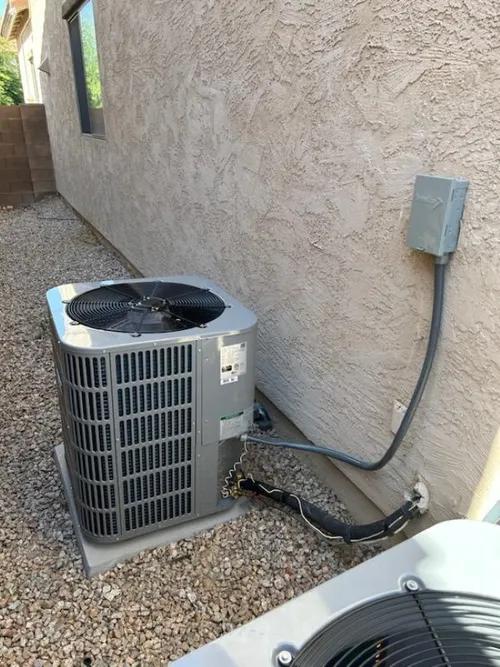
AZ Home Services Group of Queen Creek
23010 S 208th St, Queen Creek, AZ 85142
AZ Home Services Group of Queen Creek is a full-service HVAC and plumbing company serving the Queen Creek, AZ area. They provide air conditioning repair and installation, furnace and heat pump installation, mini-split systems, thermostat installation, and HVAC tune-ups. The company works with major brands like Goodman, Carrier, Trane, and Rheem, offering tailored HVAC solutions based on home size and insulation. They also handle plumbing services including leak detection, water softener installation, and water heater replacement. AZ Home Services Group offers 24/7 emergency AC repair to address urgent cooling needs in the hot Arizona climate.

Island Breeze Air Conditioning & Heating LLC
809 E Fairmount Ave, Phoenix, AZ 85014
Island Breeze Air Conditioning & Heating LLC is a firefighter-owned HVAC company serving Phoenix, AZ, and surrounding areas including Gilbert, Mesa, Peoria, and Surprise. They provide residential and light commercial services such as air conditioning, furnace, heat pump, and ductless HVAC installation, repair, and maintenance. Their NATE-certified technicians focus on energy-efficient solutions and indoor air quality improvements. The company emphasizes integrity, accountability, and continuous improvement in their work. Island Breeze also offers after-hours service to address urgent HVAC needs.

HVAC Near Me
947 W Redwood Dr, Chandler, AZ 85248
HVAC Near Me is an HVAC repair and installation company serving Phoenix, AZ, and the surrounding metro area. They offer a wide range of services including air conditioner, heat pump, furnace, and ductless system repair and installation, as well as thermostat installation and duct cleaning. The company provides 24/7 same-day and emergency HVAC services and works with most major air conditioner brands. Their technicians are licensed, bonded, insured, and receive ongoing training to maintain service quality. HVAC Near Me serves numerous cities across the Phoenix valley, ensuring comprehensive coverage for residential and commercial customers.

AZ Home Services Group AC Repair & Plumbing Services of Fountain Hills
16930 E Palisades Blvd #100, Fountain Hills, AZ 85268
AZ Home Services Group AC Repair & Plumbing Services of Fountain Hills provides HVAC and plumbing services in Scottsdale, AZ. They offer air conditioning repair, HVAC installation, mini-split installation, thermostat installation, indoor air quality solutions, and plumbing repairs. The company handles emergency HVAC and plumbing services, including 24/7 availability. Their capabilities include ductless mini-split installation, hydro-jetting for drains, and whole-home air purification system installations. Licensed and certified, they serve residential and light commercial customers in the area.
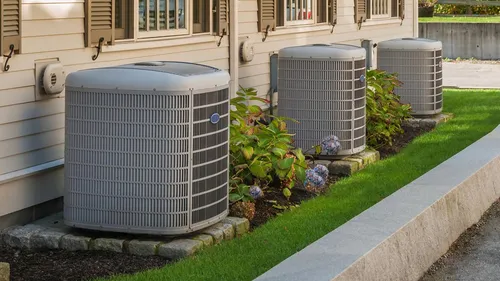
True North Air Conditioning
511 W Guadalupe Rd Suite 7, Gilbert, AZ 85233
True North Air Conditioning is an air conditioning installation contractor serving Mesa, AZ. They specialize in air conditioning replacement, including central and ductless mini split systems, focusing on energy-efficient solutions tailored to home cooling needs. Their certified technicians handle the entire installation process with attention to detail and technical expertise, aiming to improve indoor air quality and system performance. True North Air Conditioning has years of experience providing reliable air conditioning replacement services in the Gilbert area.
Understanding Ductless Mini-Split Systems
A ductless mini-split, often simply called a ductless system, consists of one outdoor condenser unit connected to one or more indoor air handlers. This setup is perfect for solving specific comfort problems in Chandler's climate. They are exceptionally well-suited for rooms that are consistently too hot or too cold, such as sunrooms, converted garages, or home additions that lack existing ductwork. For many homeowners, a ductless unit can also serve as a primary system, replacing an old central AC, or as a supplemental system to boost cooling in a problematic zone, offering precise temperature control room-by-room.
The core benefit is zoning. Instead of cooling your entire home, you can direct energy only to the occupied spaces. This is not only more comfortable but often more efficient, leading to potential savings on energy bills, especially during our long, hot summers. Systems are categorized by their zoning capability: a single-zone system uses one outdoor unit paired with one indoor unit to condition a single area. A multi-zone system uses one outdoor unit connected to multiple indoor units (e.g., two, three, or four), allowing independent control of several rooms from a single outdoor condenser.
Strategic Indoor Unit Placement
Proper placement of the indoor air handler is critical for performance, efficiency, and comfort. The most common type is the wall-mounted unit, which should typically be installed 6 to 8 feet high on an interior wall for optimal air distribution.
Clearance is Key: To ensure unobstructed airflow, maintain a minimum of 6 inches of clearance from the ceiling and side walls. Most importantly, keep at least 3 feet of clear space directly in front of the unit. Avoid placing furniture, curtains, or shelving in this zone, as blocked airflow reduces efficiency and can cause the system to short-cycle.
Location Considerations:
- Drainage: Ideally, install the unit on an exterior wall. This allows for a short, gravity-fed condensate drain line to run directly outside, avoiding the need for a condensate pump, which adds complexity and cost 1 2.
- Avoid Heat & Sun: Do not install the indoor unit in direct sunlight or near heat-generating appliances like ovens or televisions, as this can trick the unit's temperature sensor.
- Central Positioning: Place the unit in a central location within the room to promote even air circulation.
Outdoor Condenser Installation Guidelines
The outdoor condenser requires careful siting for longevity, efficiency, and consideration for noise.
A Solid Foundation: The unit must be placed on a solid, level base, such as a concrete pad, to prevent vibration and ensure proper operation.
Airflow and Access: Like the indoor unit, the condenser needs ample clearance for air intake and exhaust. Always follow the manufacturer's specifications, but generally, plan for 12 to 24 inches of clearance on all sides, especially the back and sides where the coil is located. This prevents recirculation of hot air and maintains system efficiency.
Proximity and Practicality: While the outdoor unit should be located as close as possible to the indoor unit(s) to minimize the length of the refrigerant line set (which connects them), also consider noise. Place it away from bedroom windows or patios where quiet is desired. The location should also allow service technicians easy access for maintenance and repairs.
Cost Factors for Mini-Split Installation in Chandler
The investment for a ductless mini-split installation in Chandler varies widely based on the system's scope and specifications. Understanding the cost drivers can help you budget effectively.
System Scope (Zoning): This is the primary cost factor.
- Single-Zone System: Installing a system for one room or area typically ranges from $2,000 to $8,000 for the equipment and professional installation 3 4.
- Multi-Zone System: For conditioning two or three rooms with one outdoor unit, expect costs between $5,500 and $15,000 or more for a complete installation 5 6 7 8.
Key Variables Affecting Price:
- Efficiency (SEER2 Rating): Higher-efficiency units with a higher SEER2 rating cost more upfront but offer lower operating costs, a significant consideration in Arizona.
- Brand and Features: Premium brands and units with advanced features (like Wi-Fi controls or ultra-quiet operation) command higher prices.
- Installation Complexity: Labor costs increase if the installation requires extensive electrical work, a condensate pump, or difficult routing for the line sets through walls or attics.
- Indoor Unit Type: While wall-mounted units are standard, ceiling cassette or floor-mounted models may have different price points.
Find the perfect mini-split installers for your needs
Get personalized recommendations and expert advice
Benefits for Chandler Homeowners
Choosing a ductless mini-split system in Chandler comes with distinct advantages tailored to our environment. The most significant is zoned comfort, allowing you to cool only the rooms you use, which avoids wasting energy on empty spaces 9. This zoning capability, combined with the inherent efficiency of inverter-driven compressors in modern mini-splits, often results in lower long-term energy bills compared to running an older, single-stage central air conditioner all day.
The flexibility of installation is another major benefit. Since no ducts are needed, these systems are perfect for older homes without existing ductwork, room additions, or spaces where adding ducts is impractical or prohibitively expensive. Furthermore, ductless systems provide both heating and cooling. Their heat pump technology can efficiently provide warmth during our milder winters, offering a year-round climate solution from one system.
Planning Your Installation Project
A successful installation starts with a detailed plan. First, identify your goals: Are you cooling a single hot room, adding comfort to a new addition, or seeking a whole-home solution? Next, assess the physical space for both indoor and outdoor units using the clearance guidelines mentioned earlier. Consider the electrical requirements; a new dedicated circuit will likely be needed, so consult with an electrician or your installer.
Finally, the most crucial step is selecting a qualified, licensed HVAC professional with specific experience in ductless technology. They will perform a formal load calculation to correctly size the system for your space-oversizing or undersizing leads to inefficiency and comfort issues-and provide a detailed quote that covers all equipment, labor, and ancillary costs 10 11.
Frequently asked questions
Sources
Footnotes
-
Best Mini Split AC Installation Location - Carrier - https://www.carrier.com/residential/en/us/products/ductless-mini-splits/install-ductless-ac/best-mini-split-placement/ ↩
-
Aircon Mini Split Installation: Save $ in 3 Steps - Comfort Temp - https://comforttemp.com/aircon-mini-split-installation/ ↩
-
Mini-Splits Explained: Costs, Benefits, and Use Cases - https://petermanhvac.com/about-us/blog/mini-splits-complete-guide/ ↩
-
How Much Does a Mini Split Installation Cost? (2026) - HomeGuide - https://homeguide.com/costs/ductless-mini-split-ac-cost ↩
-
Ductless Mini-Split Installation Cost in 2025: Full Breakdown - https://osborneheatingncooling.com/ductless-mini-split-installation-cost/ ↩
-
Ductless Mini-Splits: A Comprehensive Cost Breakdown - https://www.myfivestarhomeservices.com/ductless-mini-splits-a-comprehensive-cost-breakdown/ ↩
-
How Much Does Mini-Split Installation Cost in Arizona? - https://azhomeservices.group/how-much-does-mini-split-installation-cost-in-arizona/ ↩
-
Ductless Mini Split Setup: An Ultimate Guide - Airflow Heating & Air - https://www.goairflow.com/blog/ductless-mini-split-installation/ ↩
-
Ductless Mini Split Installation Costs in 2026 - Carrier - https://www.carrier.com/residential/en/us/products/ductless-mini-splits/ductless-mini-split-installation-cost/ ↩
-
Ductless mini-split installation: Cool 2025 Guide - Southern Air - https://www.southern-air.com/blog/ductless-mini-split-installation ↩
-
Expert Ductless Mini-Split Installation in Chandler - https://www.shac.co/air-conditioning/ductless-mini-split-installation/ ↩