Find the Best Mini-Split Installers for Your Business
No obligation • Fast responses • Nationwide coverage

Why you can trust HVAC Firms
HVAC Firms is a leading United States resource for evaluating HVAC service providers. Our team researches companies, checks credentials, and reviews customer feedback to present clear, unbiased information. Listings and rankings are based on merit, and companies cannot pay to change our editorial content.
Search providers near you
Top Mini-Split Installers in Buckeye, Arizona Ranked
For homeowners in Buckeye, achieving precise and efficient climate control can be a challenge, especially in rooms, additions, or entire homes without existing ductwork. Mini-split installation, also known as ductless HVAC, offers a powerful solution by providing zoned heating and cooling from a single, quiet outdoor unit. This technology matters because it delivers targeted comfort, can significantly improve energy efficiency, and avoids the major renovation of adding ducts. You can use this guide to understand your options, from single-room setups to whole-home systems, and find qualified local professionals to assess your specific needs.
SG Mechanical Air, LLC
3446 N 29th Ave, Phoenix, AZ 85017
SG Mechanical Air, LLC provides heating, air conditioning, and indoor air quality services in Phoenix, AZ. They serve both residential and commercial properties with repair, maintenance, and installation of HVAC systems including ductless mini splits, heat pumps, furnaces, and electric heaters. The company also offers indoor air quality solutions such as air filtration, UV lights, and bi-polar ionizers. SG Mechanical Air supports ductwork services and thermostat installations, with emergency AC repair available day or night.
Brocard Air Conditioning & Heating®
7021 W Augusta Ave #108, Glendale, AZ 85303
Brocard Air Conditioning & Heating® is a licensed HVAC contractor serving Phoenix, AZ, and the surrounding Maricopa County area. They provide a full range of heating and cooling services including installation, repair, maintenance, and duct cleaning for residential and commercial clients. Their team works with major brands and offers capabilities such as furnace and air conditioner installation, heat pump services, ductless mini-split systems, and indoor air quality improvements. As a family-owned business, they have built a reputation for knowledgeable technicians and offer 24/7 availability including weekend and emergency service.
Semper Fi Heating and Cooling
3726 W Roanoke Ave #4, Phoenix, AZ 85009
Semper Fi Heating and Cooling is a veteran-owned HVAC company serving Phoenix, AZ. They provide installation, repair, and maintenance services for heating, cooling, ductless mini splits, and plumbing systems. With over 10 years of experience, they offer strong warranties and flexible financing options. The company also provides 24/7 availability and same-day services for emergencies.
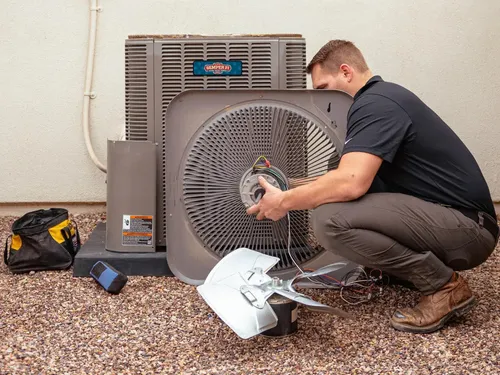
Semper Fi Heating & Cooling LLC
9720 W Peoria Ave #107, Peoria, AZ 85345
Semper Fi Heating & Cooling LLC is a veteran-owned HVAC company serving Glendale, AZ, and nearby areas. They provide a wide range of services including installation, repair, and maintenance of heating and cooling systems, ductless mini splits, plumbing, and water heaters. The company has over 10 years of experience and offers 24/7 availability for emergency and same-day services. Their capabilities include comprehensive HVAC system installation and repair backed by various warranties.
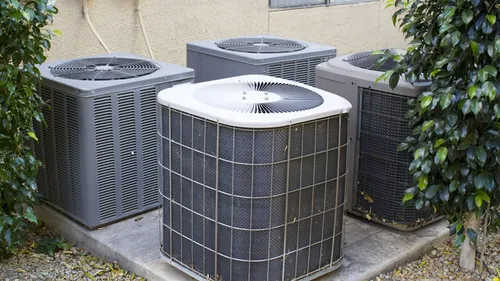
Gonzales Heating & Cooling
1547 Grand Ave, Phoenix, AZ 85007
Gonzales Heating & Cooling is a family and veteran operated HVAC company serving Phoenix, AZ. Since 1980, they have provided installation, repair, and maintenance services for air conditioners, furnaces, heat pumps, mini splits, and duct systems. Their EPA-certified team offers 24/7 emergency service and specializes in duct cleaning, electrical work, and HVAC tune-ups. With over 40 years of experience, Gonzales Heating & Cooling combines local knowledge with a commitment to quality and integrity.
What is a Ductless Mini-Split System?
A ductless mini-split system is a versatile heating and cooling solution that consists of two main components: a compact outdoor condenser/compressor unit and one or more indoor air-handling units. Refrigerant lines and electrical wiring connect the outdoor and indoor units through a small, inconspicuous hole in the wall, eliminating the need for extensive ductwork. This makes ductless systems ideal for a wide range of applications in Buckeye homes, from cooling a sunroom to providing complete home comfort.
The core advantage of a mini-split is its zoning capability. Unlike a traditional central air system that cools or heats the entire house to one temperature, each indoor unit in a ductless system can be controlled independently. This means you can keep the living room cool during the day while turning off the system in unused bedrooms, leading to potential energy savings and personalized comfort for every member of the household.
Common Applications for Mini-Splits in Buckeye Homes
The climate in Buckeye, with its intense summer heat, makes efficient cooling a priority. Ductless systems are uniquely suited to address common comfort challenges in local residences.
- Room Additions and Sunrooms: These are perfect candidates for a single-zone mini-split. Adding ductwork from an existing central system can be prohibitively expensive and disruptive. A ductless unit provides dedicated, efficient climate control for the new space without overburdening your old system.
- Targeted Room-by-Room Comfort: Do you have a home office that gets too hot, a master bedroom that never cools down, or a garage workshop you'd like to use year-round? Installing a mini-split in these specific areas allows for independent temperature control, solving persistent hot or cold spots.
- Whole-Home Solutions: For older homes in Buckeye that were built without any ductwork, or for homes where the existing central AC is failing, a multi-zone ductless system can be an excellent whole-house solution. Multiple indoor units can be strategically placed to provide comfortable, zoned climate control throughout the entire home, often with higher efficiency than outdated systems 1.
Understanding Zoning: Single-Zone vs. Multi-Zone Systems
Choosing between a single-zone and a multi-zone system is one of the most important decisions, as it is a primary driver of both cost and capability.
- Single-Zone Systems: This configuration involves one outdoor unit connected to a single indoor unit. It's the most straightforward and cost-effective setup, designed to condition one specific space, such as a garage conversion, a new bedroom, or a great room 2 3.
- Multi-Zone Systems: A multi-zone system uses one outdoor condenser to connect to two, three, four, or even more indoor air handlers. This allows you to cool or heat multiple rooms or zones independently from a single outdoor unit. For example, you could have a wall unit in the living room, a ceiling cassette in the master bedroom, and another wall unit in the kitchen, all operating at different temperatures and controlled separately 4. This is an efficient way to add comfort to several areas without cluttering your exterior with multiple condensers.
Indoor Unit Types and Placement Considerations
The indoor unit is the visible component inside your home, and several styles are available to match different aesthetic and functional needs. Proper placement is critical for performance, efficiency, and comfort.
- Wall-Mounted Units: This is the most common and typically most affordable type. The unit is mounted high on an interior wall, similar to a hotel room AC. High placement allows for the best air distribution across the room. A key installation consideration is ensuring the condensate drain line has a downward slope for proper gravity drainage to avoid the need for an additional condensate pump.
- Ceiling Cassette Units: These units are recessed into the ceiling, with only a sleek grille visible. They provide a very discreet look and can distribute air in four directions for even coverage. Installation is more complex, as it requires space between ceiling joists and careful planning for drainage and access 5.
- Floor-Mounted Units: These are installed low on a wall, near the floor, resembling a traditional baseboard heater. They are an excellent choice for rooms with high ceilings, rooms with mostly glass walls where high wall mounting isn't feasible, or for accessibility reasons 6.
Regardless of the type, the guiding principles for placement are to ensure unobstructed airflow, avoid directing air straight at seating or sleeping areas for comfort, and plan for condensate drainage. A professional installer will evaluate the room layout, window placement, and electrical access to determine the optimal location.
Outdoor Unit Clearance and Site Preparation
The outdoor condenser unit requires careful placement to operate efficiently and reliably, especially in Buckeye's hot climate. Proper clearances are non-negotiable for performance and longevity.
The unit needs ample space for airflow. Manufacturer specifications vary, but generally, you should maintain at least 1-2 feet of clearance on the sides and rear, and 4-6 feet in front of the unit where the fan exhausts hot air. This space is crucial for the heat exchange process; restricted airflow forces the unit to work harder, reducing efficiency and increasing wear.
Installers will also avoid placing the outdoor unit directly under overhangs or eaves where falling debris could be an issue, or too close to bedroom windows where operational noise might be a concern. The location should also allow service technicians easy access for maintenance and repairs. Site preparation may involve pouring a level concrete pad or using a composite pad to ensure the unit is stable and properly supported.
Find the perfect mini-split installers for your needs
Get personalized recommendations and expert advice
Cost Factors for Mini-Split Installation in Buckeye
The investment for a ductless mini-split system in Buckeye varies widely based on the scope and specifications of the project. Understanding the factors that influence the final price can help you budget effectively.
- Number of Zones: This is the single biggest cost driver. Adding more indoor units to a system increases the equipment, labor, and materials required.
- System Capacity (BTUs): The size of the indoor and outdoor units must be correctly matched to the cooling and heating load of the space. An undersized unit will struggle, while an oversized unit will short-cycle, reducing comfort and efficiency. A professional load calculation is essential.
- Energy Efficiency (SEER2 Rating): Higher-efficiency models with a higher SEER2 (Seasonal Energy Efficiency Ratio) rating cost more upfront but can lead to significant savings on monthly energy bills, a crucial consideration in Arizona.
- Brand and Features: Premium brands like Carrier, Mitsubishi, or Daikin often command a higher price than value-oriented brands like MRCOOL. Features such as advanced inverter technology (for quieter, more efficient operation), Wi-Fi controls, and advanced air filtration also affect cost.
- Labor and Installation Complexity: The difficulty of the install impacts labor costs. This includes the length of the refrigerant line runs, the complexity of running electrical wiring from your panel to the outdoor unit, wall construction for mounting, and whether any structural reinforcement is needed.
- Indoor Unit Style: Generally, a basic wall-mounted unit is the most economical indoor option. Ceiling cassettes and floor-mounted units typically involve more labor and may cost more to install 7.
Example Cost Ranges for the Buckeye Area
Based on local market data, here are general price ranges for ductless mini-split installation in Buckeye 8 9 10 11:
- Single-Zone System (1 room): $3,000 - $8,000
- Multi-Zone System (2-3 zones): $5,500 - $12,000+
- Multi-Zone System (4+ zones): $8,000 - $15,000+
These ranges are estimates. The final quote will depend on the specific factors listed above. It's also worth exploring potential rebates from local utilities or state programs for installing high-efficiency equipment, as well as financing options that many HVAC contractors offer 12 13.
The Professional Installation Process
A successful ductless mini-split installation is a technical job best left to certified HVAC professionals. The process typically follows these key steps:
- Consultation and Load Calculation: A technician will visit your home to assess your needs, discuss zoning goals, and perform a Manual J load calculation to determine the precise capacity required for each space.
- System Design and Proposal: Based on the assessment, the contractor will design a system, select appropriate equipment, and provide a detailed proposal outlining the scope of work, equipment specifications, and cost.
- Mounting Indoor Units: The installer will securely mount the indoor air handlers in the predetermined locations, ensuring they are level and properly supported.
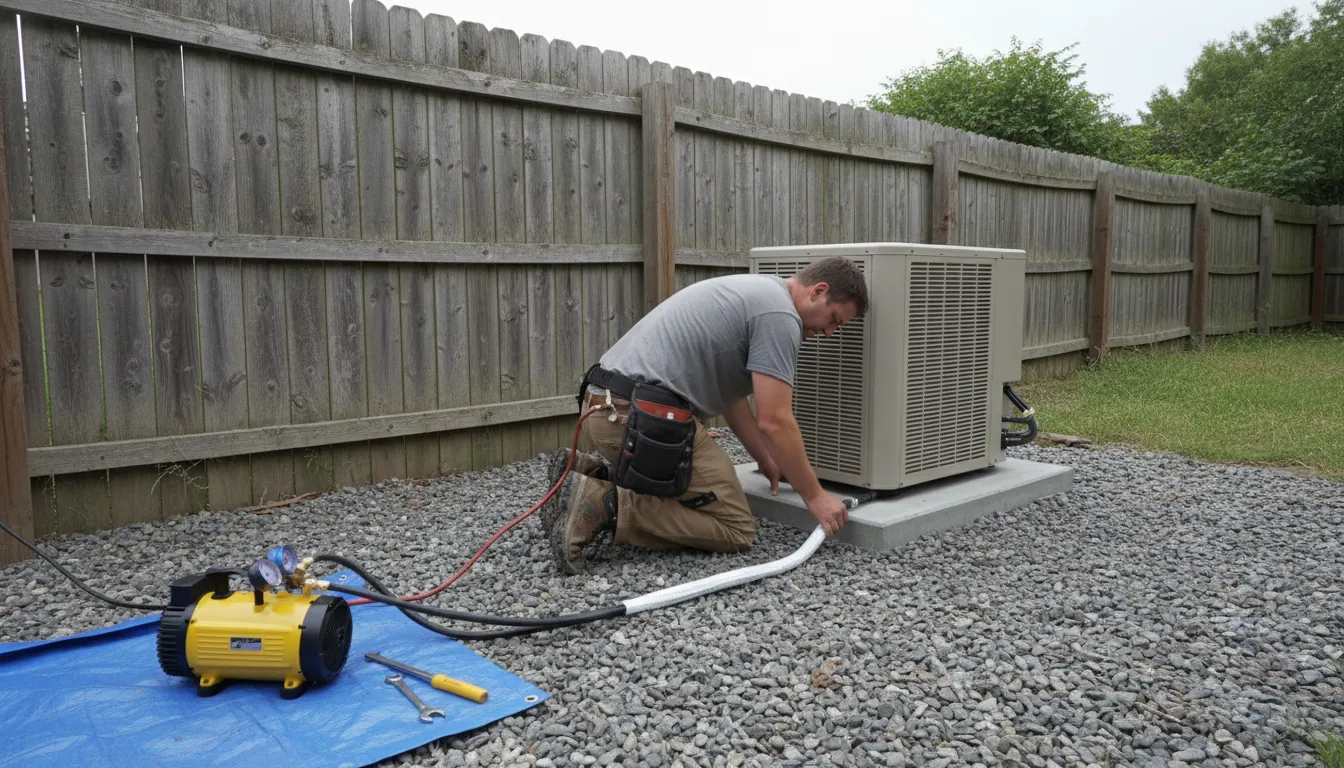
- Placing the Outdoor Unit: The condenser will be placed on a stable pad in the approved location with correct clearances.
- Drilling and Connecting Line Sets: A small hole (typically 3 inches or less) is drilled through the wall to connect each indoor unit to the outdoor unit. The refrigerant lineset (containing copper tubing and electrical wiring) is run through this hole and carefully connected.
- Electrical Connections: A dedicated electrical circuit is run from your home's main panel to the outdoor unit to provide power.
- Evacuation and Charging: The system is evacuated of air and moisture using a vacuum pump, a critical step for longevity and efficiency. Then, the system is charged with the correct type and amount of refrigerant.
- Testing and Commissioning: The installer will test the system for proper operation in both cooling and heating modes, check for leaks, ensure all drains work correctly, and demonstrate the controls and features to the homeowner.
Frequently asked questions
Sources
Footnotes
-
Ductless Installation Buckeye AZ for Zoned Comfort - Monster Air - https://www.azmonsterair.com/mini-split/ductless-installation-buckeye-az ↩
-
Ductless mini-split installation: Cool 2025 Guide - Southern Air - https://www.southern-air.com/blog/ductless-mini-split-installation ↩
-
Mini Split Fit Guide Single Zone Or Multi Zone - https://www.mrcool.com/blog/mini-split-fit-guide-single-zone-or-multi-zone ↩
-
Choosing the Right Mini Split for Your Home: Sizing for 1200-3000 Sq Ft - https://www.acdirect.com/blog/choosing-the-right-mini-split-for-your-home-sizing-for-1200-3000-sq-ft/ ↩
-
Full Installation of Mini Split Ductless Unit, Step by Step! - https://www.youtube.com/watch?v=JQkth-AM5CE&t=156 ↩
-
How Much Does a Mini-Split Installation Cost? - Taskrabbit Blog - https://www.taskrabbit.com/blog/mini-split-installation-cost/ ↩
-
Ductless Mini-Splits: A Comprehensive Cost Breakdown - https://www.myfivestarhomeservices.com/ductless-mini-splits-a-comprehensive-cost-breakdown/ ↩
-
Ductless Mini-Split Installation Cost in 2025: Full Breakdown - https://osborneheatingncooling.com/ductless-mini-split-installation-cost/ ↩
-
Ductless Mini Split Installation Costs in 2026 - Carrier - https://www.carrier.com/residential/en/us/products/ductless-mini-splits/ductless-mini-split-installation-cost/ ↩
-
Understanding mini split installation costs: A quick guide - Homeaglow - https://www.homeaglow.com/hub/content/mini-split-installation-cost ↩
-
What is the Average Cost of Mini-Split Installation in Tucson, AZ? - https://acshvac.com/what-is-the-average-cost-of-mini-split-installation-in-tucson-az/ ↩
-
How Much Does Mini-Split Installation Cost in Arizona? - https://azhomeservices.group/how-much-does-mini-split-installation-cost-in-arizona/ ↩
-
Ductless Mini Split Installation: A Complete Guide - https://www.goairflow.com/blog/ductless-mini-split-installation/ ↩