Find the Best Mini-Split Installers for Your Business
No obligation • Fast responses • Nationwide coverage

Why you can trust HVAC Firms
HVAC Firms is a leading United States resource for evaluating HVAC service providers. Our team researches companies, checks credentials, and reviews customer feedback to present clear, unbiased information. Listings and rankings are based on merit, and companies cannot pay to change our editorial content.
Search providers near you
Best Mini-Split Installers in Alaska Ranked
For Alaskan homeowners, achieving efficient and comfortable heating and cooling is a top priority, especially given the state's extreme climate. Ductless mini-split systems are an increasingly popular solution, offering zoned temperature control and significant energy savings. This guide provides essential information on professional mini-split installation in Alaska, covering costs, regulations, best practices, and available financial incentives to help you make an informed decision for your home.
Diamond Heating & AirTemp Alaska
5406 Lake Otis Pkwy, Anchorage, AK 99507
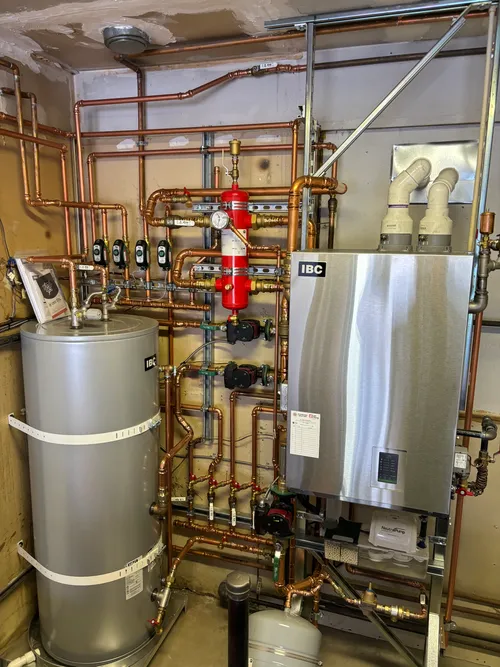
Diamond Heating & AirTemp Alaska is an HVAC company based in Anchorage, AK, offering installation, repair, and maintenance services for heating and cooling systems. Their services include furnaces, boilers, heat pumps, mini-splits, water heaters, indoor air quality solutions, and thermostat installations. With over 25 years of experience, they provide high-efficiency and reliable heating products suited for the Alaskan climate. The company also offers smart thermostats and zoning controls to enhance system performance and comfort.
Knik Heating, LLC
4051 Lamont Way, Wasilla, AK 99623
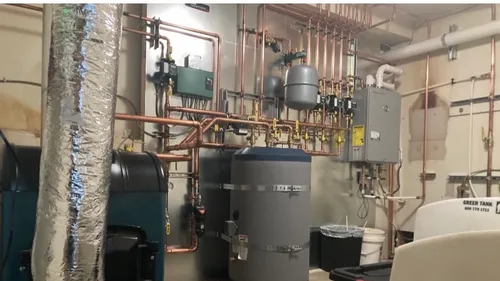
Knik Heating, LLC is a veteran-owned HVAC company based in Wasilla, AK, serving Anchorage and the surrounding Mat-Su Valley, including Eagle River and Talkeetna. They offer a full range of heating and cooling services such as furnace, boiler, heat pump, and air conditioning repair and installation, along with duct cleaning and indoor air quality solutions. With over 30 years of experience, Knik Heating provides specialized services including hydronic heating system installation and maintenance. They are available 24/7 for emergency heating and cooling repairs to ensure year-round comfort in Alaska's challenging climate.
Air Source Alaska
1900 E 3rd Ave, Anchorage, AK 99501
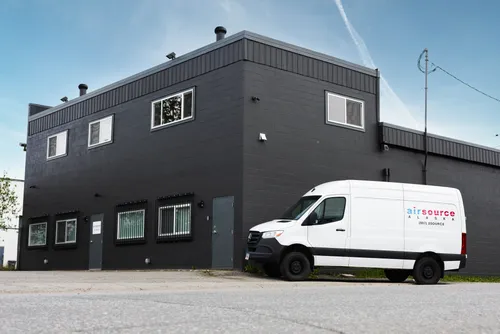
Air Source Alaska is a commercial mechanical and electrical contractor based in Anchorage, AK. They specialize in service, repair, and installation of commercial HVAC/R systems, including VRF heat-recovery, heat pumps, chillers, building controls, and modulating/condensing boilers. The company also offers design-build construction services from engineering to system commissioning. Established in 2017, Air Source Alaska is 100% employee owned and serves Anchorage and surrounding areas.
Understanding Ductless Mini-Split Systems
A ductless mini-split system is a highly efficient heating and cooling solution that consists of an outdoor compressor/condenser unit connected to one or more indoor air-handling units via a small conduit. This conduit houses the power cable, refrigerant tubing, and a condensate drain. Unlike traditional forced-air systems, mini-splits require no ductwork, making them ideal for retrofitting older homes, room additions, or spaces where installing ducts is impractical or too expensive.
The primary advantage of a ductless system is its ability to provide zoned comfort. You can control the temperature in individual rooms or zones independently, which means you only heat or cool the spaces you're using. This targeted approach can lead to substantial reductions in energy consumption, with some estimates suggesting savings of up to 30% on heating and cooling bills 1. For Alaska's long, cold winters, the ability to efficiently heat specific living areas without wasting energy on unoccupied rooms is a major benefit.
Why Professional Installation is Non-Negotiable in Alaska
Installing a ductless mini-split is a complex task that involves precise electrical work, refrigerant handling, and system commissioning. In Alaska's demanding environment, a proper installation is critical for performance, longevity, and safety.
- Refrigerant Handling: Federal law requires that anyone who handles refrigerants must be certified under the EPA's Section 608 regulations. A certified technician ensures the system is charged correctly, which is vital for efficiency and preventing leaks that can damage the environment.
- Electrical Safety: The installation requires connecting high-voltage electrical lines from your home's panel to the outdoor unit. Improper electrical work poses a serious fire hazard and can damage the equipment.
- System Performance and Warranty: Manufacturers have specific installation requirements. Failure to follow these guidelines, such as ensuring proper line set length, secure mounting, and adequate clearances, can void the equipment warranty. A professional ensures the installation meets all manufacturer specs for optimal operation.
- Cold Climate Expertise: Alaska-specific challenges, like protecting the outdoor unit from heavy snow accumulation and ensuring it operates efficiently in sub-zero temperatures, require local knowledge that a qualified Alaska-based installer will possess.
Alaska Licensing, Permits, and Regulations
Navigating local regulations is a key part of any HVAC project. Alaska has specific requirements for mini-split installation.
Licensing: The State of Alaska does not issue a specific HVAC technician license. However, any contractor performing mechanical work must employ a licensed Mechanical Administrator. Furthermore, as mentioned, the technician performing the refrigerant work must hold EPA 608 certification. Always verify that your chosen contractor holds the proper business licenses and employs certified staff.
Permits: Most municipalities in Alaska require permits for mini-split installation. This typically involves both a mechanical permit and an electrical permit2. For example, in Anchorage, the contractor must pull these permits, which may require a municipal contractor registration card 3. The permitting process ensures the installation is inspected for code compliance, which protects your home and investment. Your installer should handle the permit application and coordinate any required inspections.
Key Factors in a Quality Mini-Split Installation
A successful installation goes beyond just mounting the units. Here are the critical steps a professional will follow:
- Proper Sizing (Load Calculation): A technician will perform a Manual J load calculation to determine the exact heating and cooling capacity (in BTUs) needed for your space. An oversized unit will short-cycle, reducing efficiency and comfort, while an undersized unit will struggle to maintain temperature.
- Strategic Unit Placement:
- Indoor Unit: Mounted high on a wall for optimal air distribution. It should be placed away from direct sunlight, other heat sources, and where furniture might block airflow. The location must also allow for easy access to the condensate drain line 4.
- Outdoor Unit: Placed on a stable, level pad (often concrete) with sufficient clearance (usually 1-2 feet) on all sides for airflow and service access. In Alaska, consider placement that minimizes exposure to blowing snow and ice.
- Short, Straight Line Sets: The conduit connecting the indoor and outdoor units should be as short and straight as possible. Longer refrigerant lines reduce system efficiency. The line set must be properly insulated and sealed 5.
- Electrical Connection: A dedicated circuit from your electrical panel must be installed by a qualified electrician to power the outdoor unit. The indoor units receive power through the conduit from the outdoor unit.
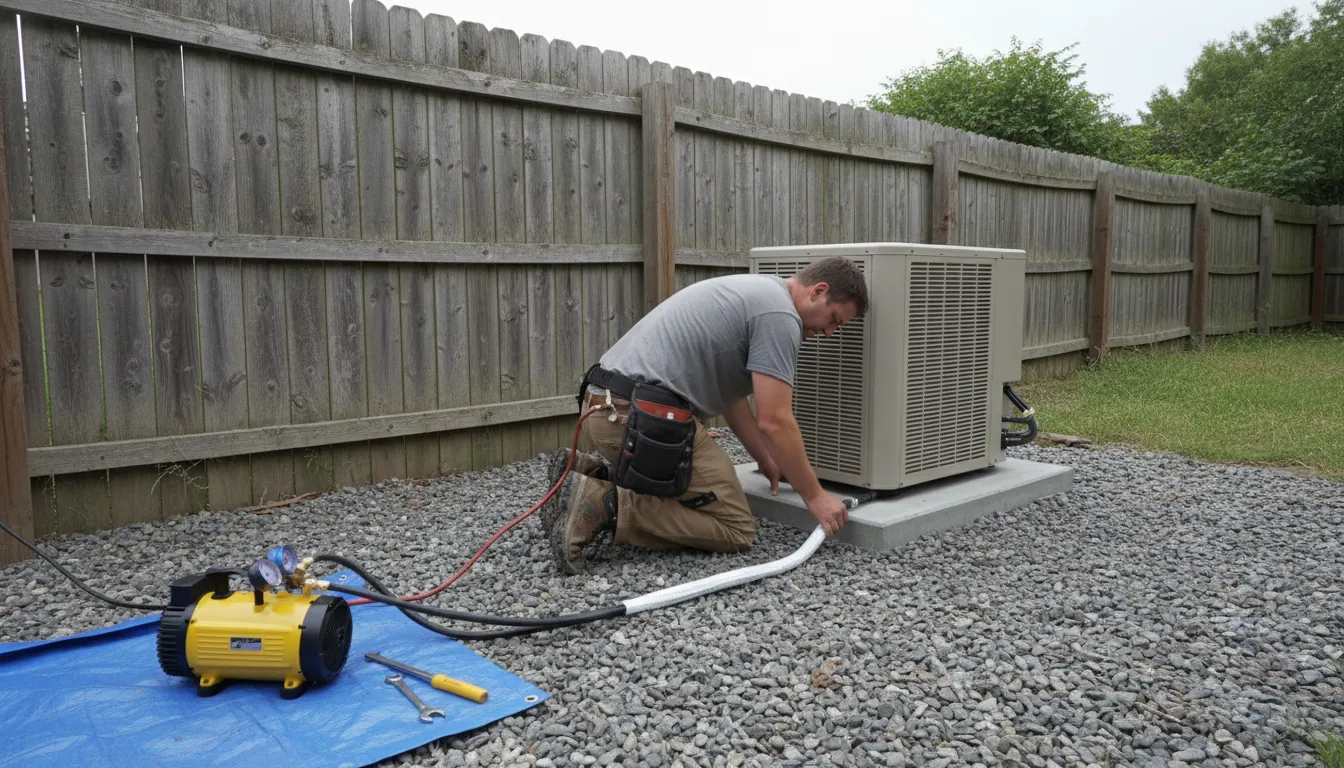
- System Evacuation and Charging: Before releasing refrigerant, the technician must pull a deep vacuum on the lines to remove all moisture and air, which can cause corrosion and inefficiency. The system is then charged with the exact amount of refrigerant specified by the manufacturer.
- Testing and Commissioning: Finally, the installer will test all modes (heating, cooling, fan), verify thermostat control for each zone, check for refrigerant leaks, and ensure the condensate drain is functioning properly.
Find the perfect mini-split installers for your needs
Get personalized recommendations and expert advice
Cost of Mini-Split Installation in Alaska
The total cost for installing a ductless mini-split system in Alaska varies based on several factors. On average, homeowners can expect a range of $3,000 to $10,000 or more for a system with one to three zones 6 7.
Factors Influencing Cost:
- Number of Zones (Indoor Units): A single-zone system (one outdoor unit, one indoor head) is the most affordable. Multi-zone systems (one outdoor unit supporting 2-5 indoor heads) cost more but provide greater zoning flexibility.
- System Capacity and Brand: Higher BTU capacity units and premium brands (like Mitsubishi, Daikin, Fujitsu) command a higher price.
- Efficiency Rating: Units with higher SEER2 (cooling) and HSPF (heating) ratings are more efficient and typically more expensive upfront but offer lower operating costs.
- Installation Complexity: The difficulty of running the line set (through walls, attics, or between floors), the need for significant electrical upgrades, and the accessibility of the installation sites all affect labor costs.
- Permit Fees: Local municipal permit fees will add to the total project cost.
While the initial investment can be significant, the long-term energy savings from zoned heating, especially when replacing inefficient electric baseboard heaters or fuel oil systems, can lead to a favorable return on investment over time 8.
Financial Incentives and Rebates
To offset the upfront cost and promote energy efficiency, several valuable incentives are available for qualifying mini-split installations in Alaska.
- Federal Tax Credit: The Inflation Reduction Act (IRA) provides a tax credit of up to $2,000 per year for the installation of a qualifying energy-efficient heat pump, which includes ductless mini-splits that meet specific efficiency criteria (typically ENERGY STAR certified) 9 10. This is a direct dollar-for-dollar reduction on your income tax liability.
- State and Local Rebates: Programs like Alaska Heat Smart offer rebates and incentives for home energy upgrades, including the installation of high-efficiency heat pumps 11 12. These programs can change, so it's important to check current availability and requirements with your installer or directly on the program's website.
- Utility Rebates: Some local utility companies may offer rebates for installing energy-efficient equipment. Contact your electric utility to inquire about any available programs.
A qualified HVAC professional in Alaska should be familiar with these programs and can help you determine which incentives your project may qualify for, effectively reducing your net installation cost.
Choosing the Right Installer in Alaska
Selecting a reputable contractor is the most important step in your mini-split project.
- Verify Credentials: Confirm the company holds an active Alaska business license and employs a licensed Mechanical Administrator. Ask for proof of EPA 608 certification for their technicians.
- Check Experience and References: Choose a company with proven experience installing ductless systems, specifically in Alaska's climate. Ask for local references and read online reviews.
- Get Detailed Estimates: Obtain written, itemized estimates from at least three contractors. The estimate should include equipment model numbers, labor, permit fees, and a clear scope of work. Beware of quotes that seem unusually low.
- Ask About Permits: A reputable installer will always pull the required local permits. If a contractor suggests skipping permits to "save money," it is a major red flag.
- Review Warranties: Understand the warranties offered on both the equipment (manufacturer's warranty) and the installation labor (contractor's workmanship warranty).
By investing in a professional installation from a certified and experienced contractor, you ensure your ductless mini-split system will deliver reliable, efficient, and comfortable heating and cooling for your Alaska home for years to come.
Frequently asked questions
Sources
Footnotes
-
Ductless Mini Split Installation Costs in 2026 - Carrier - https://www.carrier.com/residential/en/us/products/ductless-mini-splits/ductless-mini-split-installation-cost/ ↩
-
Do You Need a Permit to Install a Mini Split? Find Out Now - https://www.edsheatingandcooling.com/blog/do-you-need-a-permit-to-install-a-mini-split-find-out-now/ ↩
-
Alaska HVAC Regulatory Oversight for 2026: Complete Guide - https://www.budgetheating.com/blog/alaska-hvac-regulatory-oversight-complete-guide/ ↩
-
How To Install a Ductless Mini Split AC - Carrier - https://www.carrier.com/residential/en/us/products/ductless-mini-splits/install-ductless-ac/ ↩
-
Ductless mini-split installation: Cool 2025 Guide - Southern Air - https://www.southern-air.com/blog/ductless-mini-split-installation ↩
-
Ductless Mini-Split Installation Cost in 2025: Full Breakdown - https://osborneheatingncooling.com/ductless-mini-split-installation-cost/ ↩
-
Ductless Mini Splits: Efficient HVAC for Anchorage Homes - https://www.discountmechanical.net/blog/2023/september/ductless-mini-splits-efficient-hvac-for-anchorag/ ↩
-
Mini Split Installation Cost in 2024 - Alpine Home Air - https://www.alpinehomeair.com/learning-center/ductless-mini-split-systems/cost-to-install-mini-split ↩
-
Energy Efficiency and Tax Credits: Do Ductless Mini-Splits Qualify? - https://thefurnaceoutlet.com/blogs/hvac-tips/energy-efficiency-and-tax-credits-do-ductless-mini-splits-qualify ↩
-
Explore Discounts & Mini Split Tax Credits in 2025 - Carrier - https://www.carrier.com/residential/en/us/products/ductless-mini-splits/tax-credits/ ↩
-
New Construction - Alaska Heat Smart - https://akheatsmart.org/for-home/new-construction/ ↩
-
Frequently Asked Questions - Alaska Heat Smart - https://akheatsmart.org/heat-pumps/other-frequently-asked-questions/ ↩