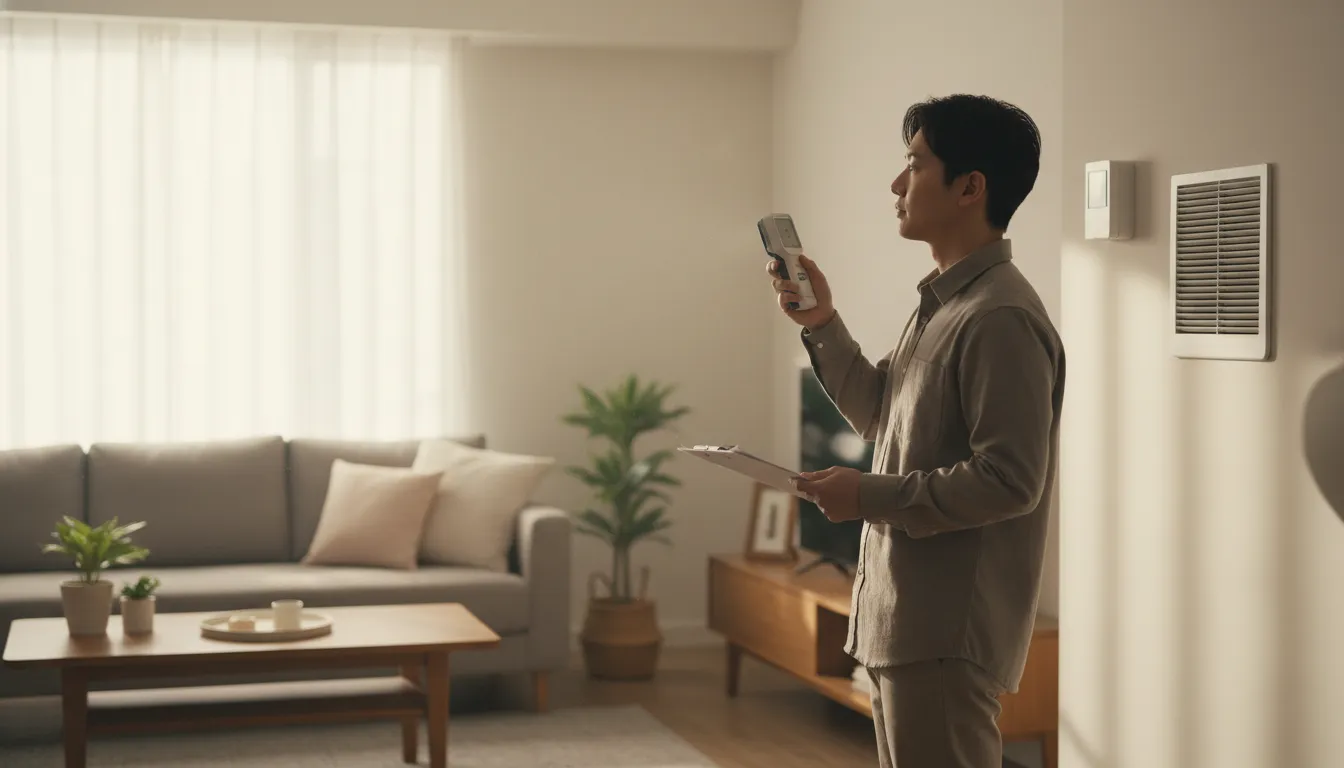
Find the Best Indoor Air Quality Service Providers for Your Business
No obligation • Fast responses • Nationwide coverage

Why you can trust HVAC Firms
HVAC Firms is a leading United States resource for evaluating HVAC service providers. Our team researches companies, checks credentials, and reviews customer feedback to present clear, unbiased information. Listings and rankings are based on merit, and companies cannot pay to change our editorial content.
Search providers near you
Top Indoor Air Quality Service Providers in Portsmouth, Virginia Ranked
The air you breathe indoors in Portsmouth directly impacts your health, comfort, and productivity. Indoor air quality (IAQ) refers to the condition of the air within and around buildings, especially as it relates to the well-being of occupants. In Portsmouth's unique coastal environment, factors like high humidity, industrial activity, and seasonal allergens make proactive IAQ management essential. This guide explains the local challenges, practical solutions, and how to connect with professionals who can assess and improve your home or office environment.
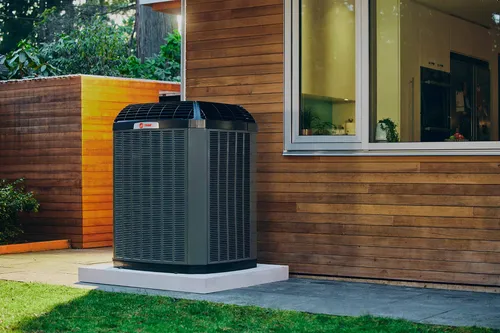
Smiley's Heating & Cooling
3500 Virginia Beach Blvd Ste 110, Virginia Beach, VA 23452
Smiley's Heating & Cooling is an HVAC company based in Virginia Beach, VA, serving both residential and commercial customers. They offer a wide range of services including air conditioning repair and installation, furnace and heat pump repair, ductless mini-split installation, indoor air quality testing, and HVAC maintenance plans. Their certified technicians provide expert repairs and installations, backed by a 10-year labor warranty on select new installs. Smiley's also offers emergency HVAC repair services and covers areas including Virginia Beach and Norfolk.
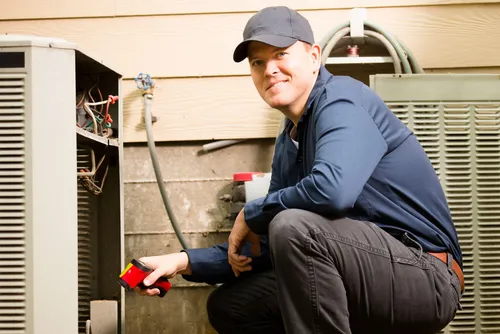
Absolute Comfort Heating and Cooling
524 Central Dr #101, Virginia Beach, VA 23454
Absolute Comfort Heating and Cooling is a family-owned HVAC company serving Virginia Beach, VA, and nearby areas since 2003. They provide a wide range of services including air conditioning, heat pump, furnace, and boiler repair and installation, as well as indoor air quality solutions and ductless system services. Their NATE-certified technicians handle both residential and light commercial HVAC needs, offering expertise in system diagnostics, maintenance, and installations. The company also offers 24/7 emergency service for urgent HVAC issues.
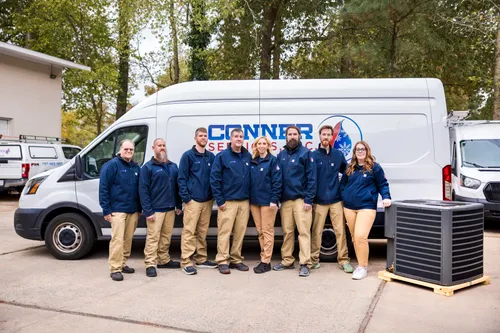
Conner Services Inc
1359 Virginia Beach Blvd, Virginia Beach, VA 23454
Conner Services Inc provides a wide range of heating, ventilation, and air conditioning services in Virginia Beach, VA. Their skilled technicians handle HVAC installation, repair, and maintenance for systems including furnaces, heat pumps, mini-splits, geothermal units, and ductwork. They also offer indoor air quality solutions such as filtration and UV lights, as well as smart home HVAC accessories. The company emphasizes energy-efficient options and comprehensive seasonal tune-ups to maintain system performance. Conner Services Inc holds multiple professional licenses and offers a one-year labor warranty on all services.

Aire Serv of Southside
4740 W Norfolk Rd, Portsmouth, VA 23703
Aire Serv of Southside is an HVAC company serving Virginia Beach, VA, and nearby areas including Chesapeake, Norfolk, and Portsmouth. They provide a range of heating and cooling services such as air conditioner repair and installation, furnace and heat pump maintenance, boiler services, and indoor air quality improvements. The company offers specialized capabilities like ductless mini split AC system installation and comprehensive HVAC tune-ups to enhance system efficiency. Aire Serv of Southside is locally owned and operated and is affiliated with a national network, providing access to extensive resources and continuing education. They also offer 24/7 availability for heating and air conditioning repairs to ensure customer comfort year-round.
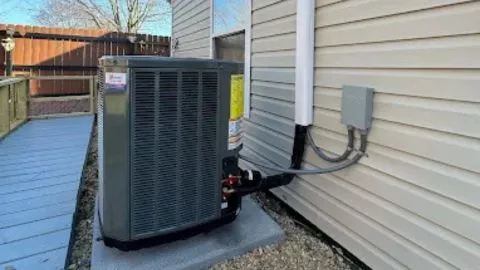
Ronald's Heating & Cooling
552 Central Dr Suite 104, Virginia Beach, VA 23454
Ronald's Heating & Cooling provides comprehensive HVAC services in Virginia Beach, VA. The company offers air conditioning and heating installation, repair, and maintenance, including mini split systems and duct cleaning to improve indoor air quality. With over 18 years of experience, Ronald's Heating & Cooling serves both residential and commercial customers, delivering expert solutions backed by certified technicians. They provide 24-hour emergency service to address urgent heating and cooling needs promptly.
Understanding Portsmouth's Unique IAQ Challenges
Portsmouth's location in the Hampton Roads region creates a specific set of indoor air quality concerns. The coastal climate and local industry mean residents and business owners face distinct pollutants that require targeted strategies.
The Impact of Coastal Humidity on Mold and Mildew
Portsmouth's high coastal humidity is a primary driver of indoor air problems. Consistently elevated moisture levels create an ideal environment for mold and mildew growth within walls, attics, and HVAC systems. This biological contamination can trigger allergies, asthma attacks, and other respiratory issues. Managing indoor humidity is not just about comfort; it's a critical health measure to prevent these persistent contaminants.
Industrial and Environmental Particulates
The region's industrial activity, including port operations, can contribute to outdoor particulate matter (PM2.5) that infiltrates buildings 1. Specific local monitoring projects have focused on concerns like coal dust in the Hampton Roads area 1. Once inside, these fine particles can circulate through a building's ventilation, posing risks to long-term respiratory and cardiovascular health.
Common Indoor Pollutants in Homes and Offices
Beyond environmental factors, everyday activities introduce contaminants:
- Volatile Organic Compounds (VOCs): Released from cleaning products, paints, new furniture, office equipment like printers, and building materials 2.
- Radon: This odorless, radioactive gas is a known carcinogen and a significant concern for homes in Virginia, requiring specific testing 3.
- Biological Contaminants: Include pollen, pet dander, dust mites, and bacteria, which can be exacerbated by a dirty or unmaintained HVAC system 4.
How to Identify an Indoor Air Quality Problem
Recognizing the signs of poor air quality is the first step toward a solution. Symptoms are often mistaken for colds, allergies, or general fatigue.
Physical Symptoms and Health Clues
Pay attention if occupants experience symptoms that improve after leaving the building. These can include:
- Headaches, dizziness, or nausea.
- Irritation of the eyes, nose, or throat.
- Fatigue and difficulty concentrating.
- Worsening of asthma or allergy symptoms. If these issues are widespread among home members or office employees, it strongly suggests an environmental cause linked to indoor air.
Observable Environmental Signs
Your building itself can offer clues:
- Persistent musty or stale odors.
- Excessive condensation on windows.
- Visible mold growth on walls, ceilings, or around vents.
- Noticeable dust accumulation shortly after cleaning.
Professional IAQ Assessment and Testing in Portsmouth
For a definitive diagnosis, a professional assessment is recommended. Local experts use a combination of investigation and technology to pinpoint issues.
The Professional Assessment Process
A comprehensive evaluation typically involves a walk-through inspection, interviews with occupants about symptoms and timing, and a review of the HVAC system's maintenance history. Professionals will look for moisture intrusion, ventilation blockages, and potential pollutant sources. They can then recommend targeted testing based on their findings.
Types of Air Quality Testing
Testing can range from general to pollutant-specific:
- General IAQ Screening: Measures a suite of common parameters. Professional testing in this category typically costs around $400, with a general range from $250 to $550+.
- Specific Pollutant Tests: These are for identified concerns like mold spores, radon, formaldehyde, or carbon monoxide. Costs vary widely, from $100 to over $1,000, depending on the pollutant and test complexity 5.
- Continuous Monitoring: Devices like indoor air quality monitors (e.g., Airthings) provide real-time data on PM2.5, VOCs, CO2, humidity, and radon, helping track conditions over time 6.
Local Health and Environmental Resources
Residents can also reach out to the Portsmouth Health District, part of the Virginia Department of Health, for information on environmental health services and guidance 7. For office buildings, employees should report concerns to supervisors or facilities management to initiate an HVAC inspection 8.
Find the perfect indoor air quality service providers for your needs
Get personalized recommendations and expert advice
Effective Strategies for Improving Your Indoor Air
Improving IAQ is best achieved through a multi-pronged approach. The EPA and other experts prioritize three basic strategies: source control, ventilation improvement, and air cleaning.
1. Source Control: Eliminate Pollutants at the Origin
This is the most effective method. Strategies include:
- Using Low-VOC Products: Opt for paints, cleaning supplies, and building materials labeled as low-VOC.
- Professional Green Cleaning: For offices, hiring commercial janitorial services that use eco-friendly, non-toxic cleaning agents can significantly reduce chemical pollutants 9.
- Moisture Management: Fix leaks promptly, ensure proper drainage around your foundation, and use exhaust fans in bathrooms and kitchens to control humidity at its source 10.
2. Enhance Ventilation: Dilute Stale Air with Fresh Air
Modern energy-efficient buildings are often tightly sealed, which can trap pollutants inside.
- Mechanical Ventilation: Use HVAC systems, exhaust fans, and energy recovery ventilators (ERVs) or heat recovery ventilators (HRVs) to systematically exchange indoor air with filtered outdoor air.
- Natural Ventilation: When weather and outdoor air quality permit, opening windows and doors is a simple way to dilute indoor contaminants.
3. Air Cleaning and Filtration
When source control and ventilation are insufficient, air cleaners are a valuable tool.
- HVAC Air Filters: Upgrade the filter in your central system. A Minimum Efficiency Reporting Value (MERV) rating of 13 or higher can effectively capture fine particulates 11. Check with an HVAC professional to ensure your system can handle higher MERV filters.
- Whole-Home Air Cleaners: These devices, such as UVGI lights, electronic air cleaners, or advanced media filters, are installed directly into the HVAC ductwork. They provide centralized cleaning for the entire house, with costs varying based on the technology and contractor 12.
- Portable Air Purifiers: Useful for single rooms or areas where localized pollution is a concern, such as a home office or bedroom.
4. Humidity Control for Mold Prevention
Given Portsmouth's climate, active humidity control is non-negotiable.
- Dehumidifiers: Stand-alone or whole-house dehumidifiers integrated with your HVAC system can maintain indoor relative humidity between 30-50%, the range that inhibits mold growth and dust mites 13.
- HVAC Maintenance: Regular servicing ensures your air conditioning system is effectively removing moisture from the air as it cools. A poorly maintained system can become a source of moisture and biological contamination 14.
Maintaining Healthy Air Long-Term
Good IAQ requires ongoing attention. Schedule regular HVAC maintenance, including duct cleaning if needed, to prevent the system from recirculating dust and allergens 15. Continue using high-quality filters and replace them according to the manufacturer's schedule, often more frequently during high-pollen seasons. Stay vigilant for signs of moisture or new symptoms among occupants, addressing issues promptly before they escalate.
Frequently asked questions
Sources
Footnotes
-
Hampton Roads Health & Air Quality - https://ntrs.nasa.gov/api/citations/20240010700/downloads/2024Sum_LaRC_HamptonRoadsHAQ_TechPaper_FD-final.pdf ↩ ↩2
-
Indoor Air Quality - Frequently Asked Questions - OSHA - https://www.osha.gov/indoor-air-quality/faqs ↩
-
Indoor Air Quality | Virginia DEQ - https://www.deq.virginia.gov/news-info/the-environment-you/your-air/indoor-air-quality ↩
-
Portsmouth, VA Air Quality & Pollen | Weather Underground - https://www.wunderground.com/health/us/va/portsmouth/23701 ↩
-
How Much Does Professional Home Indoor Air Quality Testing Cost? - https://www.airpf.com/how-much-does-a-home-indoor-air-quality-testing-cost/ ↩
-
How to test indoor air quality in your home - Airthings - https://www.airthings.com/resources/how-to-test-air-quality-in-your-home ↩
-
Environmental Health Services - Portsmouth Health District - https://www.vdh.virginia.gov/portsmouth/environmental-health-services/ ↩
-
Do You Suspect Your Office Has an Indoor Air Problem? | US EPA - https://www.epa.gov/indoor-air-quality-iaq/do-you-suspect-your-office-has-indoor-air-problem ↩
-
Commercial Janitorial Office Cleaning Portsmouth - https://ecogreenofficecleaningservices.com/cleaning-services/portsmouth/ ↩
-
Indoor Air Quality | Air Quality Tester Va Beach & Chesapeake - https://7servicesinc.com/indoor-air-quality/ ↩
-
How to Improve Indoor Air Quality - Strada Services - https://stradaservices.com/about-us/blog/how-to-improve-indoor-air-quality/ ↩
-
Cost of a Whole Home Air Cleaner for your , Home - https://michaelandson.com/blog/how-much-does-a-whole-house-air-cleaner-cost ↩
-
THREE BASIC STRATEGIES TO IMPROVE INDOOR AIR QUALITY - https://airquip.com/three-basic-strategies-to-improve-indoor-air-quality/ ↩
-
Indoor Air Quality | US EPA - https://www.epa.gov/report-environment/indoor-air-quality ↩
-
Eco-Logic Duct Care - https://www.google.com/viewer/place?mid=/g/11s4zkw9gn ↩