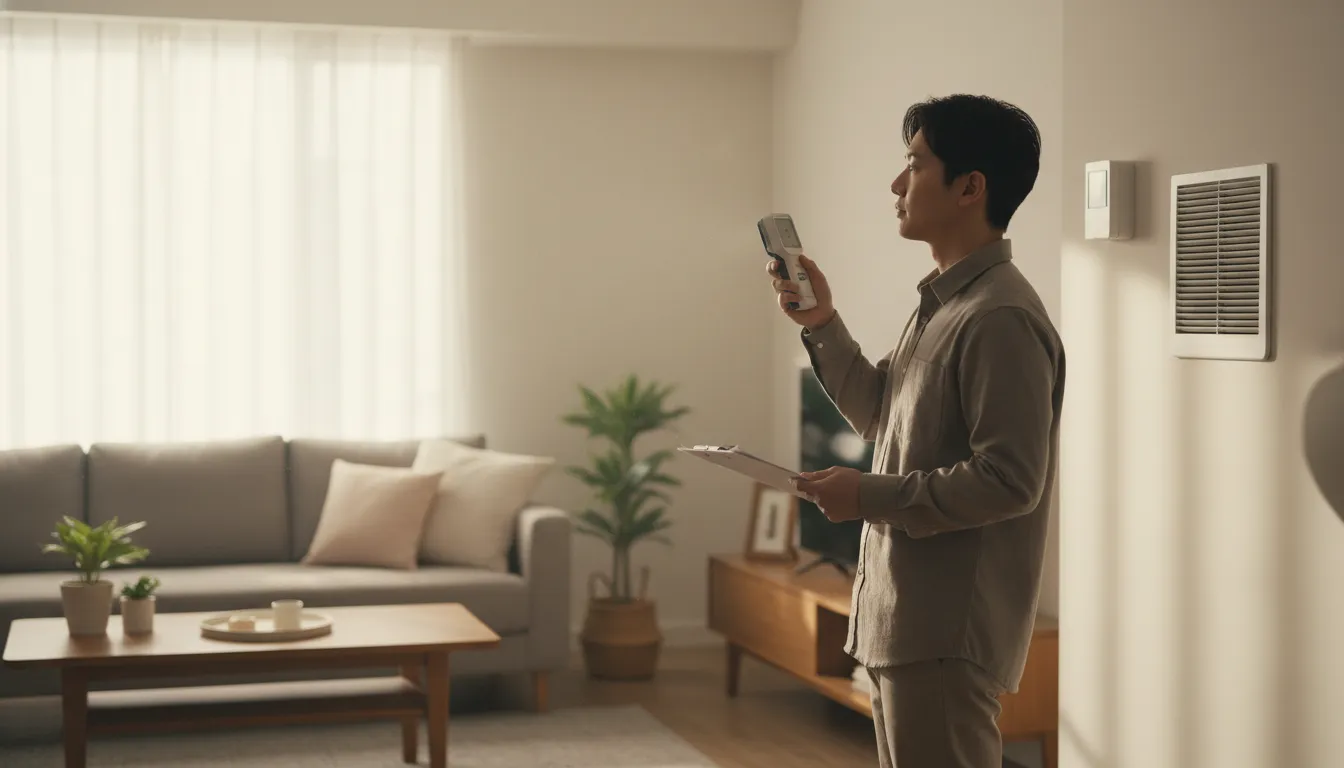
Find the Best Indoor Air Quality Service Providers for Your Business
No obligation • Fast responses • Nationwide coverage

Why you can trust HVAC Firms
HVAC Firms is a leading United States resource for evaluating HVAC service providers. Our team researches companies, checks credentials, and reviews customer feedback to present clear, unbiased information. Listings and rankings are based on merit, and companies cannot pay to change our editorial content.
Search providers near you
Best Indoor Air Quality Service Providers in Virginia Ranked
The air inside your Virginia home or business can significantly impact your health, comfort, and productivity. Indoor Air Quality (IAQ) refers to the condition of the air within buildings, influenced by pollutants like dust, mold, chemicals, and gases. In Virginia, state programs focus heavily on school environments while providing residents with resources to manage common local concerns such as radon, mold, and volatile organic compounds (VOCs). This guide helps you understand the fundamentals of IAQ, Virginia's specific regulations and resources, and the practical steps you can take to assess and improve your indoor environment, connecting you with the expertise needed for a healthier space.
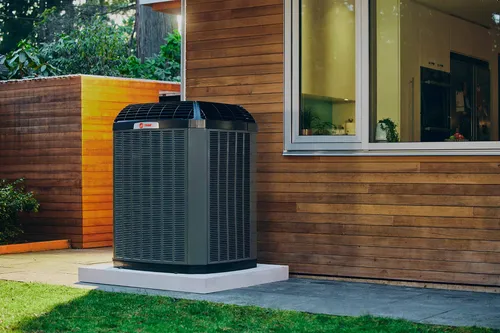
Smiley's Heating & Cooling
3500 Virginia Beach Blvd Ste 110, Virginia Beach, VA 23452
Smiley's Heating & Cooling is an HVAC company based in Virginia Beach, VA, serving both residential and commercial customers. They offer a wide range of services including air conditioning repair and installation, furnace and heat pump repair, ductless mini-split installation, indoor air quality testing, and HVAC maintenance plans. Their certified technicians provide expert repairs and installations, backed by a 10-year labor warranty on select new installs. Smiley's also offers emergency HVAC repair services and covers areas including Virginia Beach and Norfolk.
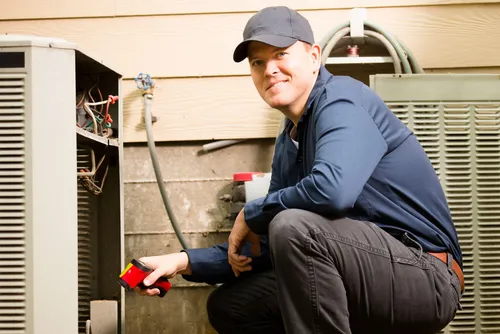
Absolute Comfort Heating and Cooling
524 Central Dr #101, Virginia Beach, VA 23454
Absolute Comfort Heating and Cooling is a family-owned HVAC company serving Virginia Beach, VA, and nearby areas since 2003. They provide a wide range of services including air conditioning, heat pump, furnace, and boiler repair and installation, as well as indoor air quality solutions and ductless system services. Their NATE-certified technicians handle both residential and light commercial HVAC needs, offering expertise in system diagnostics, maintenance, and installations. The company also offers 24/7 emergency service for urgent HVAC issues.
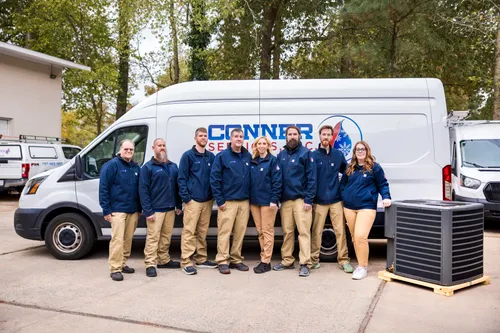
Conner Services Inc
1359 Virginia Beach Blvd, Virginia Beach, VA 23454
Conner Services Inc provides a wide range of heating, ventilation, and air conditioning services in Virginia Beach, VA. Their skilled technicians handle HVAC installation, repair, and maintenance for systems including furnaces, heat pumps, mini-splits, geothermal units, and ductwork. They also offer indoor air quality solutions such as filtration and UV lights, as well as smart home HVAC accessories. The company emphasizes energy-efficient options and comprehensive seasonal tune-ups to maintain system performance. Conner Services Inc holds multiple professional licenses and offers a one-year labor warranty on all services.

Aire Serv of Southside
4740 W Norfolk Rd, Portsmouth, VA 23703
Aire Serv of Southside is an HVAC company serving Virginia Beach, VA, and nearby areas including Chesapeake, Norfolk, and Portsmouth. They provide a range of heating and cooling services such as air conditioner repair and installation, furnace and heat pump maintenance, boiler services, and indoor air quality improvements. The company offers specialized capabilities like ductless mini split AC system installation and comprehensive HVAC tune-ups to enhance system efficiency. Aire Serv of Southside is locally owned and operated and is affiliated with a national network, providing access to extensive resources and continuing education. They also offer 24/7 availability for heating and air conditioning repairs to ensure customer comfort year-round.
Mid Atlantic Mechanical and Repair, LLC
Richmond, VA
Mid Atlantic Mechanical and Repair, LLC is an HVAC company serving Richmond, VA, and surrounding areas. They provide repair, installation, and maintenance services for air conditioning, heating, heat pumps, ductless mini-splits, and indoor air quality systems for both residential and commercial customers. The company is EPA certified, holds a master HVAC license, and operates as a Class-A contractor. Their technicians have extensive experience working with electric, oil, and gas HVAC systems. Financing options are available to assist with repair and installation costs.
Why Indoor Air Quality Matters in Virginia
Virginians spend a vast majority of their time indoors, where pollutant levels can be two to five times higher than outdoor levels 1. Poor IAQ is linked to short-term issues like headaches, fatigue, and irritation of the eyes, nose, and throat, as well as long-term health effects including respiratory diseases, heart disease, and even cancer 1 2. Virginia's climate and geography introduce specific challenges: high humidity can promote mold growth in the Tidewater region, while radon gas, a naturally occurring radioactive substance from soil and rock, is a known concern in many parts of the state. Furthermore, modern, energy-efficient homes are often tightly sealed, which can trap pollutants inside without adequate ventilation. Proactively managing your indoor environment is a key component of maintaining a healthy and comfortable living or working space.
Common Indoor Air Pollutants in Virginia Homes
Understanding what you're dealing with is the first step. The primary culprits affecting indoor air in Virginia include:
- Particulate Matter (PM2.5/PM10): This includes dust, pollen, pet dander, mold spores, and smoke particles. These can trigger allergies and asthma attacks 3.
- Volatile Organic Compounds (VOCs): These are gases emitted from a wide array of household products, including paints, varnishes, cleaning supplies, adhesives, and even new furniture and building materials. They can cause eye and respiratory irritation and have longer-term health impacts.
- Radon: This colorless, odorless radioactive gas seeps into buildings from the ground. It is the second leading cause of lung cancer in the United States and is a significant concern in various Virginia counties. The Virginia Department of Health (VDH) provides specific information and resources on radon testing and mitigation.
- Biological Contaminants: Mold, mildew, bacteria, and viruses thrive in damp conditions. Virginia's humid summers provide an ideal environment for mold growth in basements, bathrooms, and around leaky windows.
- Combustion Gases: Carbon monoxide (CO) and carbon dioxide (CO2) can build up from malfunctioning fuel-burning appliances (like furnaces, water heaters, or stoves) and inadequate ventilation. CO is an immediate poison, while high CO2 levels can cause drowsiness and poor concentration 4.
Virginia's Proactive Approach: A Focus on Schools
Virginia has taken a leadership role in protecting vulnerable populations by enacting strong IAQ laws for public schools. State law (Title 22.1, Chapter 9, Article 4) mandates that every public school undergo a comprehensive HVAC and ventilation assessment at least once every four years 5. These inspections must be conducted by qualified professionals and evaluate systems against standards like ASHRAE 62.1, which sets minimum rates for outdoor air delivery based on occupancy and space type 5. The law requires public reporting on any deficiencies found, ensuring transparency and accountability for maintaining healthy learning environments 5. This regulatory framework highlights the critical link between proper mechanical ventilation, filtration, and public health-principles that apply equally to homes and workplaces.
How to Assess Your Indoor Air Quality
If you suspect an issue or simply want peace of mind, a professional assessment is a wise investment. A basic IAQ inspection for a Virginia home typically ranges from $200 to over $1,000, with cost varying significantly based on the home's size, the number of tests performed, and its location 6. For a small home (under 1,000 sq ft), you might pay $200-$300, while a larger home (over 2,500 sq ft) could cost $500-$1,000 or more for a comprehensive evaluation 6. This assessment may include:
- Measuring humidity and temperature levels.
- Testing for specific pollutants like radon, mold spores, or VOCs.
- Evaluating ventilation rates and airflow.
- Inspecting the HVAC system for proper operation and filtration.
For a more targeted approach, you can also conduct DIY tests for radon (using kits available at hardware stores) or monitor humidity levels with a hygrometer.
Find the perfect indoor air quality service providers for your needs
Get personalized recommendations and expert advice
Core Strategies for Improving Indoor Air
Improving IAQ is not about a single miracle solution but implementing a layered strategy often summarized as Source Control, Ventilation, and Filtration.
1. Source Control
The most effective way to improve air quality is to eliminate pollutants at their source.
- Choose Low-VOC Products: Opt for paints, cleaners, and building materials labeled as low-VOC or no-VOC.
- Control Moisture: Use dehumidifiers, fix leaks promptly, and ensure proper drainage around your foundation to prevent mold growth. The EPA and Virginia DEQ emphasize moisture control as a primary defense.
- Manage Combustion: Ensure fuel-burning appliances are properly vented and serviced annually. Never idle cars in attached garages.
- Designate Smoking Areas: Follow Virginia's Clean Indoor Air Act by prohibiting smoking indoors to eliminate secondhand smoke, a major pollutant 7.
2. Ventilation
Diluting stale indoor air with fresh outdoor air is essential, especially in tight, modern homes.
- Natural Ventilation: Open windows and doors when weather and outdoor air quality permit.
- Mechanical Ventilation: Ensure bathroom and kitchen exhaust fans are used and vented to the outside. For whole-home solutions, consider installing an Energy Recovery Ventilator (ERV) or Heat Recovery Ventilator (HRV). These systems bring in fresh air while recovering energy from the exhausted air, maintaining comfort and efficiency while meeting ASHRAE ventilation standards 8 9.
- HVAC Operation: Run the central fan on your HVAC system periodically to circulate air through filters, even when heating or cooling isn't needed.
3. Filtration
Capturing airborne particles is the final layer of defense.
- Upgrade HVAC Filters: Use the highest Minimum Efficiency Reporting Value (MERV) rated filter your HVAC system can handle. Filters rated MERV 13 or higher can capture fine particles like those in smoke and viruses 10 11. Check your system's specifications and change filters regularly.
- Use Portable Air Purifiers: For individual rooms or spaces without central HVAC, a portable air cleaner with a HEPA filter can be very effective at reducing particulate levels.
When to Call a Professional
While many improvements are DIY-friendly, some situations require certified expertise:
- Suspected Mold Infestation: If you see or smell mold, or have had significant water damage, professional mold inspection and remediation is crucial to safely remove it.
- High Radon Levels: If a test shows radon levels at or above 4 pCi/L, a licensed radon mitigation professional should install a sub-slab depressurization system, which is the standard and highly effective solution.
- Asbestos or Lead Paint: In older Virginia homes, disturbance of materials containing asbestos or lead-based paint requires abatement by licensed professionals.
- HVAC and Ventilation System Modifications: Installing whole-home ventilators like ERVs, upgrading ductwork, or rebalancing airflow should be done by qualified HVAC technicians.
Frequently asked questions
Sources
Footnotes
-
Introduction to Indoor Air Quality | US EPA - https://www.epa.gov/indoor-air-quality-iaq/introduction-indoor-air-quality ↩ ↩2
-
Indoor Environmental Quality - PMC - https://pmc.ncbi.nlm.nih.gov/articles/PMC7157934/ ↩
-
Air Quality Testing Explained: What Homeowners Should Expect - https://eliteinspectionsma.com/air-quality-testing-explained/ ↩
-
Indoor Air Quality: A guide for homeowners - https://na.panasonic.ca/indoor-air-quality/homeowner-guide ↩
-
Code of Virginia Code - Article 4. Indoor Air Quality; Inspection ... - https://law.lis.virginia.gov/vacodefull/title22.1/chapter9/article4/ ↩ ↩2 ↩3
-
Indoor Air Quality Test Cost | Schedule Your Appointment - Ambient Edge - https://www.ambientedge.com/faqs/differences-between-commercial-and-residential-hvac-12-3-14/ ↩ ↩2
-
Indoor Air Quality | Virginia DEQ - https://www.deq.virginia.gov/news-info/the-environment-you/your-air/indoor-air-quality ↩
-
As of July 1, 2025, Title 22.1, Chapter 9, Article 4 Indoor Air ... - https://ebtron.com/wp-content/uploads/faq-virginia-ventilation-law.pdf ↩
-
5 Factors that Affect Indoor Air Quality & How to Improve It - JSE Labs - https://jselabs.com/blog/factors-that-affect-indoor-air-quality/ ↩
-
Improving Indoor Air Quality | US EPA - https://www.epa.gov/indoor-air-quality-iaq/improving-indoor-air-quality ↩
-
Indoor Air Quality (IAQ) for Building Environments - Intertek - https://www.intertek.com/building/indoor-air-quality/ ↩