Find the Best Indoor Air Quality Service Providers for Your Business
No obligation • Fast responses • Nationwide coverage

Why you can trust HVAC Firms
HVAC Firms is a leading United States resource for evaluating HVAC service providers. Our team researches companies, checks credentials, and reviews customer feedback to present clear, unbiased information. Listings and rankings are based on merit, and companies cannot pay to change our editorial content.
Search providers near you
Top Indoor Air Quality Service Providers in Clarksville, Tennessee Ranked
The air inside your Clarksville home or business can have a direct impact on your health, comfort, and even the integrity of your property. Indoor air quality (IAQ) management is the practice of controlling pollutants, humidity, and ventilation to create a healthier indoor environment. This is especially critical in our region, where sealed homes during extreme seasons can trap contaminants. This guide will help you understand the local IAQ challenges, how to assess your air, and the solutions available from qualified Clarksville professionals.
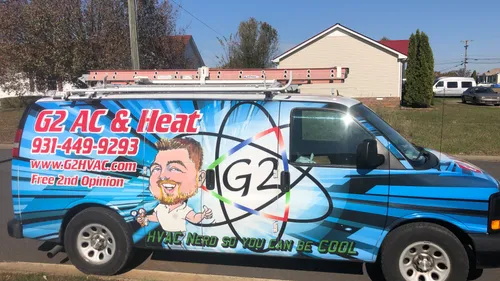
G2 AC & Heat
300 S 11th St, Clarksville, TN 37040
G2 AC & Heat is an HVAC company serving Nashville, TN, specializing in air conditioning and furnace repair, installation, and maintenance for residential and commercial clients. Their NATE-certified technicians provide services including HVAC tune-ups, indoor air quality solutions, and emergency repairs. The company emphasizes thorough diagnostics and offers free second opinions on major repairs and replacements. With decades of industry experience, G2 AC & Heat is locally owned and operated, providing same-day appointments and emergency HVAC services to ensure comfort and safety year-round.
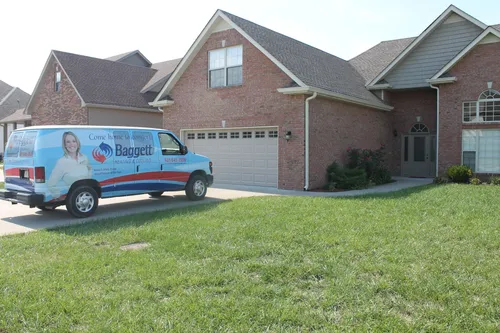
Baggett Heating & Cooling, Inc
825 Main St, Clarksville, TN 37040
Baggett Heating & Cooling, Inc is a locally owned HVAC company serving Nashville, TN, and the surrounding Clarksville area. They specialize in heating and air conditioning repair, installation, and maintenance, along with indoor air quality services. With over 40 years of experience, Baggett offers comprehensive HVAC tune-ups and system replacements, focusing on keeping homes comfortable year-round. Their technicians perform routine maintenance to ensure optimal system performance and help prevent breakdowns.

Aire Serv of Clarksville
Nashville, TN
Aire Serv of Clarksville provides heating and air conditioning services in Nashville, TN, and surrounding areas. They offer repair, installation, and maintenance for air conditioners, furnaces, heat pumps, boilers, and mini split systems. Their services also include duct cleaning, thermostat installation, and indoor air quality solutions such as air purification systems. The company serves both residential and commercial customers, with capabilities that include geothermal heating and cooling systems. Aire Serv of Clarksville emphasizes regular HVAC tune-ups to improve system efficiency and longevity. They provide 24/7 customer service to address urgent heating and cooling needs.
Why Clarksville's Climate Demands Attention to Indoor Air
Clarksville's distinct seasonal shifts create a perfect storm for indoor air problems. Our hot, humid summers encourage us to seal windows and run air conditioning constantly, while our cold winters do the same for heating. This "sealed building" effect traps pollutants inside, where concentrations can become 2 to 5 times higher than outdoor air. Furthermore, the high humidity levels common in Tennessee provide an ideal breeding ground for mold and dust mites, while winter can bring uncomfortably dry air that exacerbates respiratory issues and can damage woodwork in your home.
Common Indoor Air Pollutants in Clarksville Homes
Understanding the specific threats is the first step toward cleaner air. Local homes and offices frequently contend with a mix of biological, chemical, and particulate contaminants.
- High Humidity & Mold: Persistent moisture from our climate, combined with potential leaks or poor crawlspace ventilation, leads to mold growth. This often presents as a musty odor, visible spores, or increased allergy symptoms.
- Allergens: Clarksville's high pollen counts, combined with common indoor allergens like dust mites and pet dander, create a challenging environment for those with asthma or allergies.
- Volatile Organic Compounds (VOCs): These gases are emitted from everyday household products like cleaners, paints, adhesives, and new furniture. In a tightly sealed home, VOC levels can build up and cause headaches, dizziness, or long-term health effects.
- Combustion Gases: Appliances like gas stoves, unvented space heaters, or furnaces with cracked heat exchangers can release carbon monoxide and nitrogen dioxide into your living space 1.
- Radon: This colorless, odorless radioactive gas is a natural concern in our region. It can seep from the ground into basements and crawl spaces, posing a significant health risk with prolonged exposure 2.
- Low Winter Humidity: When the furnace runs, it can dry out indoor air to levels below 30% relative humidity. This dry air irritates skin and respiratory passages, increases static electricity, and can cause wood floors and furniture to crack.
How to Test and Assess Your Indoor Air
You don't have to guess about your air quality. Several methods, from professional services to DIY monitoring, can provide clarity.
- Professional HVAC & IAQ Inspections: Local HVAC companies specializing in indoor environmental quality offer comprehensive assessments. They can evaluate your entire system, check for moisture issues, and recommend integrated solutions like duct cleaning or air purification 3 4.
- Environmental Testing Services: For specific concerns like mold or radon, independent inspectors in the Clarksville area provide targeted testing. These specialists use calibrated equipment to sample the air and provide detailed reports on contaminant levels 5 6.
- Air Quality Monitors: Consumer-grade devices allow for continuous, real-time monitoring. Products like the Airthings View Plus or IQAir AirVisual Pro can track levels of particulate matter (PM2.5), carbon dioxide (CO2), radon, and VOCs, sending data directly to your smartphone 7.
- Visual and Sensory Checks: Often, your own observations are the first clue. Look for visible mold, persistent condensation on windows, or unexplained musty or chemical odors. An increase in allergy symptoms or headaches when at home can also be a strong indicator.
Solutions for Healthier Indoor Air
Improving your home's air involves a multi-pronged strategy: removing sources, diluting pollutants, cleaning the air, and controlling humidity.
1. Source Control The most effective way to improve air is to prevent pollutants from entering in the first place. Use non-toxic or low-VOC cleaning products and paints. Address moisture immediately by fixing leaks and ensuring crawlspaces and basements are properly sealed and ventilated. Regular vacuuming with a HEPA-filtered vacuum and dusting can significantly reduce allergens 8.
2. Enhanced Ventilation Introducing fresh air is crucial. Simple habits like running bathroom exhaust fans during and after showers and using kitchen hood vents that vent outdoors help. For a whole-house solution, Energy Recovery Ventilators (ERVs) or Heat Recovery Ventilators (HRVs) can exchange stale indoor air for fresh outdoor air while minimizing energy loss.
3. Air Filtration & Purification Your HVAC system's filter is its first line of defense. Upgrading to a high-efficiency pleated filter (MERV 11-13) can capture finer particles. For advanced cleaning, media air cleaners or ultraviolet (UV) light purifiers can be installed directly into your ductwork to neutralize mold, bacteria, and viruses 9.
Find the perfect indoor air quality service providers for your needs
Get personalized recommendations and expert advice
4. Humidity Control Maintaining indoor relative humidity between 30% and 50% is key to comfort and health. In summer, a whole-house dehumidifier, integrated with your HVAC system, can remove excess moisture that your air conditioner alone cannot handle. In winter, a whole-house humidifier adds necessary moisture to dry air, protecting your home and your family's respiratory health 10.
Understanding the Investment in Clean Air
Costs for improving your indoor environment vary based on the scope of the problem and the solutions chosen. Professional installations offer permanent, integrated results, while portable units and monitors provide flexibility and awareness.
- Professional Air Quality Testing: A comprehensive assessment typically ranges from $250 to $550+, averaging around $400 for a standard home 11.
- Whole-House Dehumidifier Installation: To combat Clarksville's summer humidity, professional installation of a system-integrated unit generally costs $1,500 to $3,000+.
- Whole-House Humidifier Installation: Adding moisture in winter via your furnace involves an investment of $500 to $1,500+ for the unit and professional installation 12.
- Air Duct Cleaning: Having your ductwork professionally cleaned to remove built-up dust and debris varies from $300 to $1,000+, depending on the size and complexity of your system.
- In-Duct UV Air Purifiers: Installing these germicidal lights in your HVAC system to combat biological growth typically costs $500 to $1,000+ 13.
- Consumer Air Quality Monitors: For ongoing awareness, devices like the Airthings View Plus or similar models are available for $100 to $350 14 15.
Frequently asked questions
Sources
Footnotes
-
The Inside Story: A Guide to Indoor Air Quality | CPSC.gov - https://www.cpsc.gov/Safety-Education/Safety-Guides/Home/The-Inside-Story-A-Guide-to-Indoor-Air-Quality ↩
-
Air Quality - TN.gov - https://www.tn.gov/health/cedep/environmental/environmental-health-topics/eht/air-quality.html ↩
-
Residential Indoor Air Quality Services - https://www.hvacclarksvilletn.com/residential-indoor-air-quality-services/ ↩
-
Indoor Air Quality Service in Clarksville, TN | Aire Serv - https://www.aireserv.com/clarksville/services/indoor-air-quality/ ↩
-
Environmental Health & Safety - Indoor Air Quality (IAQ) - https://www.tntech.edu/safety/indoor-air-quality.php ↩
-
THE BEST 10 ENVIRONMENTAL TESTING in CLARKSVILLE, TN - https://m.yelp.com/search?cflt=environmentaltesting&find_loc=Clarksville%2C+TN ↩
-
How to test indoor air quality in your home - Airthings - https://www.airthings.com/resources/how-to-test-air-quality-in-your-home ↩
-
Environmental Health & Safety - Indoor Air Quality (IAQ) - https://www.tntech.edu/safety/indoor-air-quality.php ↩
-
How to Improve Indoor Air Quality - Strada Services - https://stradaservices.com/about-us/blog/how-to-improve-indoor-air-quality/ ↩
-
Indoor Air Quality Issues | Knoxville, Nashville & TN - https://tnwatertech.com/common-air-problems/ ↩
-
How Much Does Professional Home Indoor Air Quality Testing Cost? - https://www.airpf.com/how-much-does-a-home-indoor-air-quality-testing-cost/ ↩
-
Clarksville, TN Indoor Air Quality - Baggett Heating and Cooling - https://baggettheatingandcooling.com/indoor-air-quality/ ↩
-
Clarksville, TN Indoor Air Quality - Baggett Heating and Cooling - https://baggettheatingandcooling.com/indoor-air-quality/ ↩
-
Airthings View Plus Air Quality Monitor - https://www.google.com/search?q=product&prds=pvt:hg,productid:6072329373947128373,catalogid:7712427545849036561,gpcid:4854218481369443652,mid:576462731890981916&ibp=oshop ↩
-
iqair AirVisual PRO AIR-QUALITY Monitor - https://www.google.com/search?q=product&prds=pvt:hg,productid:12731750861393503074,catalogid:16835460390359639346,gpcid:10152811169155146236,mid:576462399365726378&ibp=oshop ↩