Find the Best Indoor Air Quality Service Providers for Your Business
No obligation • Fast responses • Nationwide coverage

Why you can trust HVAC Firms
HVAC Firms is a leading United States resource for evaluating HVAC service providers. Our team researches companies, checks credentials, and reviews customer feedback to present clear, unbiased information. Listings and rankings are based on merit, and companies cannot pay to change our editorial content.
Search providers near you
Best Indoor Air Quality Service Providers in Tennessee Ranked
The air inside your Tennessee home or business directly impacts your health, comfort, and energy bills. Indoor air quality (IAQ) refers to the condition of the air within buildings, influenced by pollutants, humidity, and ventilation. In Tennessee, specific factors like high humidity, radon risk, and aging HVAC systems make proactive IAQ management essential. This guide explains the local standards, common pollutants, and practical steps you can take to ensure your indoor environment is safe and healthy, helping you connect with knowledgeable local professionals for assessment and solutions.
Dryer Vent Tech
Nashville, TN
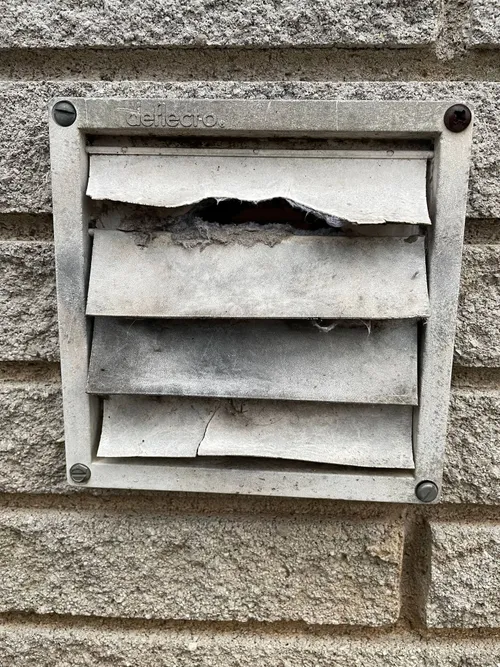
Dryer Vent Tech is a duct cleaning company based in Nashville, TN, specializing in dryer vent cleaning and indoor air quality services. They offer thorough inspections, cleaning, installation, and safety checks to reduce fire hazards, improve dryer efficiency, and enhance air quality. Their services include upgrading dryer vents to code-compliant steel piping and professional air duct cleaning to remove dust and contaminants. Dryer Vent Tech is fully licensed, insured, and certified to provide these services in the Nashville area.
Right Time HVAC
5300 Old Hickory Blvd, Nashville, TN 37218
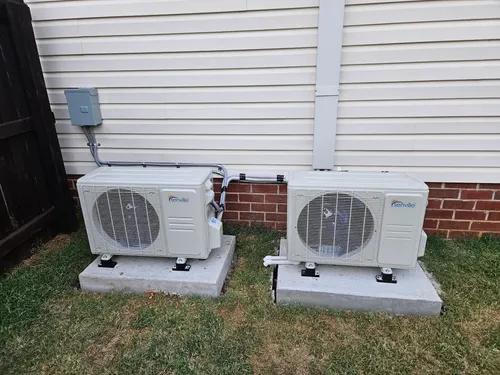
Right Time HVAC is a full-service heating, cooling, and geothermal contractor serving Nashville, TN. They offer installation, repair, and maintenance for air conditioners, furnaces, heat pumps, and geothermal systems, along with indoor air quality solutions for homes and businesses. The company specializes in advanced HVAC technologies including hydronics and inverter systems, and provides ductwork services to improve airflow and comfort. With over 30 years of combined experience among their technicians, Right Time HVAC focuses on honest, customer-focused solutions to meet diverse home comfort needs.
Crowe Services/Heating & Air
6391 Ferrell Dr, Memphis, TN 38134
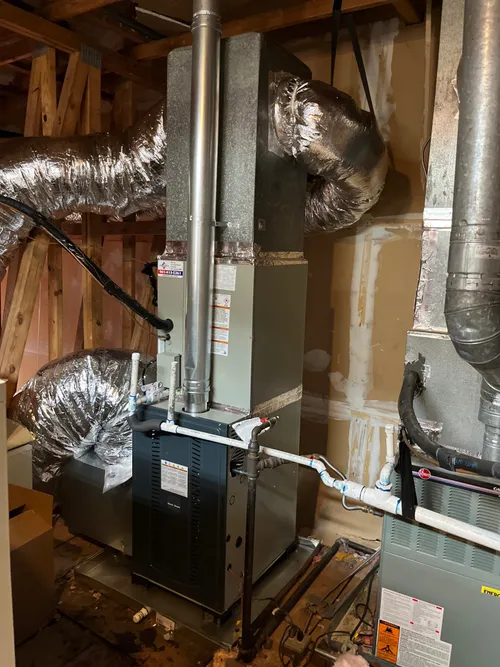
Crowe Services/Heating & Air is an HVAC and plumbing company serving Memphis, TN. They offer a wide range of services including air conditioning, furnace, heat pump, and mini split installation and repair, as well as indoor air quality solutions. Their commercial HVAC services support local businesses with installation, maintenance, and repair. They also provide plumbing services such as faucet and toilet repairs, leak detection, drain cleaning, hydro jetting, and sewer line maintenance. Crowe Services is an American-Standard® dealer with licensed technicians experienced in both residential and commercial systems. Emergency service is available to address urgent needs.
Petitt Heating and Cooling
127 Raymond Hirsch Pkwy, White House, TN 37188
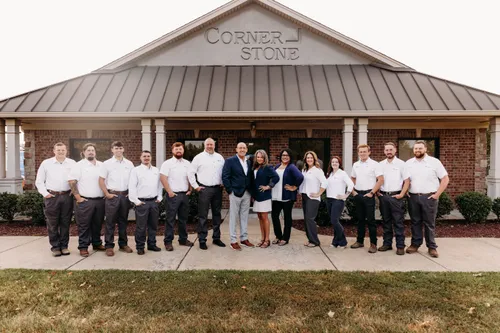
Petitt Heating and Cooling is an HVAC company serving White House, TN, and nearby areas including Goodlettsville and Hendersonville. They provide a range of heating and cooling services such as air conditioning installation, furnace repair, heat pump installation, and HVAC tune-ups. The company also offers indoor air quality solutions like UV light air purification, advanced air filtration systems, dehumidifiers, humidifiers, and crawl space encapsulation. Petitt Heating and Cooling installs attic solar fans and gas logs to improve home comfort and energy efficiency. They provide emergency AC repairs after hours and have a maintenance plan with priority emergency service and no overtime charges.
Memphis Air Conditioning & Heating
2125 Hillshire Cir, Memphis, TN 38133
Memphis Air Conditioning & Heating is a family-owned HVAC company serving Memphis, TN, and surrounding areas since 1968. They provide a wide range of heating and cooling services including installation, repair, and maintenance of air conditioners, furnaces, heat pumps, and boilers. The company also offers indoor air quality solutions such as air purification systems and humidifiers. As Trane Comfort Specialists, their technicians are trained in the latest HVAC technologies. They provide 24/7 emergency heating and air repair services to ensure comfort at any time.
Why Indoor Air Quality Matters in Tennessee
Tennesseans spend a significant amount of time indoors, where pollutant levels can be two to five times higher than outdoor levels. The state's climate and geology introduce unique challenges. High humidity promotes mold growth, while certain soils release radon gas, a leading cause of lung cancer. Furthermore, modern, energy-efficient homes are built tighter, which can trap pollutants inside without adequate mechanical ventilation. Adhering to guidelines from the EPA, the Tennessee Department of Environment and Conservation (TDEC), and state-adopted building codes is crucial for maintaining a healthy indoor environment 1.
Tennessee's Regulatory Framework for IAQ
Tennessee's approach to indoor air is guided by a combination of state and national standards designed to protect public health.
- Building and Mechanical Codes: The state has adopted the 2021 International Mechanical Code (IMC), which sets mandatory minimum ventilation rates for new construction and renovations. These codes ensure that buildings are designed to bring in sufficient outdoor air to dilute indoor pollutants.
- State Guidelines: TDEC and other agencies provide recommendations for key IAQ parameters. For comfort and to inhibit biological contaminants, maintaining a relative humidity between 20% and 60% is advised 2. Indoor temperature is typically targeted between 68°F and 76°F 2.
- Ventilation Standards: For residences, the ASHRAE 62.2 standard is widely referenced, recommending 0.35 air changes per hour or a minimum of 15 cubic feet per minute (cfm) of outdoor air per person 3. Mechanical ventilation systems are required when a home's natural infiltration rate falls below 5 air changes per hour.
- Radon Policy: TDEC identifies radon as a "very serious problem" across the state, urging testing and mitigation in accordance with EPA protocols.
Common Indoor Air Pollutants in Tennessee Homes
Understanding the primary contaminants is the first step toward cleaner air.
- Radon: This colorless, odorless radioactive gas seeps from the soil into buildings. Tennessee has zones with high radon potential, making testing a critical safety step for all homeowners 4.
- Mold and Mildew: Spurred by Tennessee's humid climate, mold grows on damp surfaces like drywall, carpet, and in HVAC systems. Spores can trigger allergies and asthma.
- Combustion Gases: Appliances like gas stoves, fireplaces, furnaces, and water heaters can emit carbon monoxide (CO) and nitrogen dioxide (NO₂), especially if poorly vented or malfunctioning.
- Volatile Organic Compounds (VOCs): These gases are emitted from everyday products, including paints, varnishes, cleaning supplies, air fresheners, and new furniture or flooring 5.
- Particulates: Dust, pollen, pet dander, and dust mites are common airborne particles that can reduce air quality and aggravate respiratory conditions 6.
How to Assess Your Indoor Air Quality
Professional assessment is the most reliable way to identify specific problems.
- Basic IAQ Testing: A comprehensive evaluation typically tests for a range of pollutants, including particulates, VOCs, carbon dioxide, humidity, and temperature. In Tennessee, the average cost for basic IAQ testing ranges from approximately $285 to $563, with some local providers quoting between $395 and $725 7 8.
- Mold Inspection: A specialized inspection to identify mold growth and moisture sources. For a small to medium-sized Tennessee home, expect costs between $275 and $400 9.
- Radon Testing: Short-term (2-7 day) or long-term (90+ day) tests measure radon levels. Professional radon testing in Tennessee generally costs between $150 and $275 10 11.
- HVAC System Assessment: An inspection of your heating and cooling system, including ductwork, can reveal issues with circulation, filtration, and moisture control. This is often a precursor to duct cleaning or system upgrades.
Find the perfect indoor air quality service providers for your needs
Get personalized recommendations and expert advice
Solutions for Improving Indoor Air Quality
Once you understand your home's specific needs, you can implement targeted solutions.
Source Control
The most effective strategy is to prevent pollutants from entering the air.
- Address Moisture: Fix leaks promptly, use dehumidifiers in basements, and ensure proper drainage around your home's foundation 12.
- Choose Low-VOC Products: Opt for paints, cleaners, and building materials labeled as low-VOC or green-certified.
- Maintain Combustion Appliances: Have gas furnaces, water heaters, and fireplaces inspected annually to ensure they are venting properly 13.
Ventilation Improvements
Diluting stale indoor air with fresh outdoor air is fundamental.
- Use Exhaust Fans: Always run bathroom and kitchen exhaust fans during and for 20 minutes after showering or cooking to remove moisture and gases 14.
- Whole-House Ventilation: For newer, airtight homes, Energy Recovery Ventilators (ERVs) or Heat Recovery Ventilators (HRVs) are excellent solutions. They exchange indoor and outdoor air while conserving energy by transferring heat and humidity 15.
- Natural Ventilation: When weather permits, opening windows and doors is a simple way to refresh your indoor air.
Air Cleaning and Filtration
While not a substitute for source control and ventilation, air cleaners can help.
- HVAC Filters: Upgrade the filter in your central system to a higher MERV rating (e.g., MERV 13) to capture finer particles. Remember to change filters regularly, typically every 1-3 months 16 17.
- Portable Air Purifiers: Use HEPA-filter air purifiers in bedrooms or common areas to reduce allergens like pollen, pet dander, and dust.
- Duct Cleaning: If inspection reveals significant dust, debris, or mold in your ducts, professional cleaning may be recommended. Costs vary based on system size.
Specialized Mitigation
Some pollutants require specific equipment.
- Radon Mitigation: If testing reveals elevated levels (4 pCi/L or higher), a sub-slab depressurization system is the standard fix. This involves installing a pipe and fan to draw radon from beneath the house and vent it outside. Average installation costs in Tennessee range from $800 to $1,300 18.
- Mold Remediation: Professional mold removal involves containing the area, removing contaminated materials, and cleaning surfaces. For a standard remediation project, costs can range from $1,200 to $3,800, depending on the extent of the growth 19 20.
Maintaining Healthy IAQ Long-Term
Good indoor air quality is an ongoing commitment.
- Schedule Regular HVAC Maintenance: Have your system serviced twice a year to ensure efficient operation and proper airflow.
- Monitor Humidity: Use a hygrometer to keep indoor relative humidity in the recommended 20-60% range. Consider a whole-house dehumidifier if humidity consistently runs high 21.
- Clean Regularly: Vacuum with a HEPA-filter vacuum cleaner, dust with a damp cloth, and reduce clutter where dust can accumulate.
- Test Periodically: Re-test for radon every few years or after any major renovation to the foundation or slab 22.
Frequently asked questions
Sources
Footnotes
-
State Guide for Clean Indoor Air - Environmental Law Institute - https://www.eli.org/sites/default/files/files-pdf/State%20Guide%20for%20Clean%20Indoor%20Air%20-%20ELI%20Website.pdf ↩
-
SAIH004-K - Air Monitoring & Indoor Air Quality - https://policy.tennessee.edu/procedure/saih004-k-air-monitoring-indoor-air-quality/ ↩ ↩2
-
How much ventilation do I need in my home to improve indoor air ... - https://www.epa.gov/indoor-air-quality-iaq/how-much-ventilation-do-i-need-my-home-improve-indoor-air-quality ↩
-
Breathe easier and live healthier by improving indoor air quality - https://tnelectric.org/2024/03/01/breathe-easier-and-live-healthier-by-improving-indoor-air-quality/ ↩
-
Indoor Air Quality | Energy Home Basics | Knoxville TN - https://energyhomebasics.com/indoor-air-quality/ ↩
-
Air Quality & Health - TN.gov - https://www.tn.gov/health/cedep/environmental/environmental-health-topics/eht/air-quality.html ↩
-
How Much Is an IAQ Test for a Home? - Scott-Lee Heating - https://scottleeheating.com/how-much-is-an-iaq-test-for-a-home/ ↩
-
How Much Does Indoor Air Quality Testing Cost? [2025 Data] - https://www.homeadvisor.com/cost/environmental-safety/test-indoor-air-quality/ ↩
-
Mold & Air Quality Testing Nashville - That One Inspector - https://thatoneinspector.com/home-inspection-services/mold-air-quality-testing/ ↩
-
Indoor Air Quality Testing | IAQTN - Hendersonville,TN - https://www.iaqtn.com/indoor-air-quality-testing-iaqtn-hendersonville ↩
-
How Much Is a Home Inspection in TN? - Ellingwood Pro - https://www.ellingwoodpro.com/inspections/how-much-is-a-home-inspection-in-tn/ ↩
-
How Much Ventilation Do I Need? - https://www.hvi.org/resources/publications/home-ventilation-guide-articles/how-much-ventilation-do-i-need/ ↩
-
Indoor Air - TN.gov - https://www.tn.gov/health/cedep/environmental/safe-places/safe-operation/indoor-air.html ↩
-
Chapter 4 Ventilation: Tennessee Mechanical Code 2021 - https://up.codes/viewer/tennessee/imc-2021/chapter/4/ventilation ↩
-
Ventilation | Home Energy Professionals | Nashville, Columbia, & ... - https://www.tnhomeenergypros.com/service/ventilation ↩
-
Breathe easier and live healthier by improving indoor air quality - https://tnelectric.org/2024/03/01/breathe-easier-and-live-healthier-by-improving-indoor-air-quality/ ↩
-
7 Factors That Affect the Air Quality in Your Home the Most - https://www.jhlincoln.com/7-factors-that-affect-the-air-quality-in-your-home-the-most/ ↩
-
Why Choose IAQ Inspect - Certified Indoor Environmental ... - https://www.iaqinspect.com/services.html ↩
-
Green Home Solutions of Middle TN - https://www.google.com/viewer/place?mid=/g/11s58gthw7 ↩
-
Mold Inspection 101: How Much It Costs and When to Get One - https://molekule.com/blogs/all/mold-inspection-101-how-much-it-cost-and-when-to-get-one ↩
-
Environmental Health & Safety - Indoor Air Quality (IAQ) - https://www.tntech.edu/safety/indoor-air-quality.php ↩
-
Radon - TN.gov - https://www.tn.gov/health/cedep/environmental/healthy-homes/hh/radon.html ↩