
Find the Best Indoor Air Quality Service Providers for Your Business
No obligation • Fast responses • Nationwide coverage

Why you can trust HVAC Firms
HVAC Firms is a leading United States resource for evaluating HVAC service providers. Our team researches companies, checks credentials, and reviews customer feedback to present clear, unbiased information. Listings and rankings are based on merit, and companies cannot pay to change our editorial content.
Search providers near you
Top Indoor Air Quality Service Providers in Tigard, Oregon Ranked
The air you breathe inside your Tigard home or business directly impacts your health, comfort, and productivity. Indoor air quality (IAQ) refers to the condition of the air within buildings, influenced by pollutants like mold, wildfire smoke, radon, and volatile chemicals. In the Pacific Northwest, our unique climate presents specific challenges, from damp winters that encourage mold growth to increasingly smoky summers that infiltrate our living spaces. Understanding and managing your indoor environment is essential for well-being. This guide outlines the common air quality concerns in Tigard, practical solutions for testing and improvement, and how to connect with local professionals who can help you achieve cleaner, healthier air.

Central Air Heating, Cooling & Plumbing
11640 SW Corby Dr #5, Portland, OR 97225
Central Air Heating, Cooling & Plumbing is a Portland, OR-based company providing heating, cooling, plumbing, and indoor air quality services. Since 2001, they have offered installation, repair, and maintenance for central air conditioners, ductless mini splits, furnaces, and heat pumps. Their services include HVAC tune-ups, air balancing, air purifier installation, and plumbing repairs. The company emphasizes trained technicians and offers a comprehensive HVAC service plan to help maintain system efficiency and reduce breakdowns. They also provide plumbing solutions such as water heater and garbage disposal installation. Central Air Heating, Cooling & Plumbing guarantees repairs lasting at least three years and serves Portland homeowners with a broad range of home comfort needs.
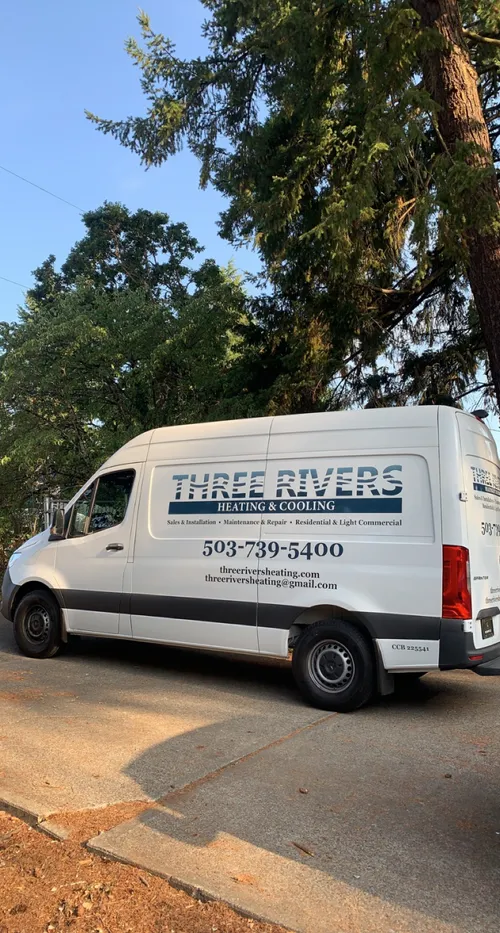
Three Rivers Heating and Cooling
14710 SE Lee Ave, Portland, OR 97267
Three Rivers Heating and Cooling is an HVAC company based in Portland, OR, offering a range of heating and cooling services. They specialize in air conditioning and furnace repair and installation, heat pump and mini split system installation, and indoor air quality services. As an authorized dealer of Lennox, Mitsubishi, and Trane, they provide expert installation and maintenance of these brands' HVAC systems. Their team is knowledgeable in handling these systems to help maintain efficient and comfortable indoor environments.
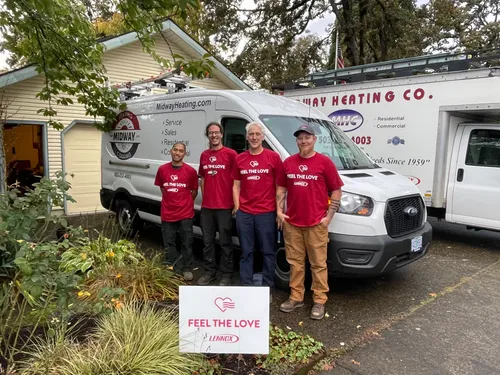
Midway Heating Company
16015 SE 106th Ave, Clackamas, OR 97015
Midway Heating Company is a family-owned HVAC business serving Portland, OR, and the surrounding metro area since 1959. They provide a range of heating and cooling services including furnace and air conditioning repair and installation, mini-split installation, HVAC tune-ups, and indoor air quality solutions such as UV lights, dehumidifiers, and air scrubbers. Midway Heating Company is recognized as a Lennox Premier Dealer and holds an A+ rating from the BBB. Their technicians are available 24/7 to address heating and cooling needs promptly.

Professor Heat Pump Llc
7402 NE 131st Ave, Vancouver, WA 98682
Professor Heat Pump Llc provides HVAC services including air conditioning repair, furnace repair, heat pump repair, HVAC tune-ups, and indoor air quality solutions in Portland, OR. They focus on installation, repair, replacement, and maintenance to keep homes comfortable throughout the year. The company has expertise in restoring air conditioning and heating systems to optimal performance and offers comprehensive air quality services such as air purifiers and ventilation systems. While based near Vancouver, WA, they serve the Portland area with tailored HVAC solutions. Their team is experienced in heat pump maintenance and repair, helping extend system lifespan and improve efficiency.

A-Temp Heating, Cooling, and Electrical
13585 SE Hwy 212, Clackamas, OR 97015
A-Temp Heating, Cooling, and Electrical is a family-owned HVAC company serving Portland, OR, and surrounding counties including Clackamas, Multnomah, and Washington. With over 50 years of experience, they provide a range of services including air conditioning and furnace repair, installation, system tune-ups, and indoor air quality solutions. Their technicians are trained to work with various brands and models, ensuring comprehensive heating and cooling support. The company offers a 10-year parts and labor warranty on new installations and guarantees satisfaction with their work.
Why Indoor Air Quality Matters in Tigard
The air inside can be significantly more polluted than the air outside, especially in modern, energy-efficient homes designed to be tightly sealed. For Tigard residents, several regional factors make proactive IAQ management a priority for long-term health and home preservation. Poor air can exacerbate allergies and asthma, cause headaches and fatigue, and contribute to more serious respiratory conditions over time. By addressing the sources of contamination and improving ventilation and filtration, you can create a safer and more comfortable indoor environment for your family or employees.
Common Air Quality Concerns in the Tigard Area
Tigard's environment creates a distinct set of indoor air pollutants that homeowners and business operators should be aware of.
Wildfire Smoke & Particulate Matter (PM2.5)
During the summer and fall, PM2.5 from regional wildfires creates hazardous outdoor air that readily infiltrates indoors, particularly in older or poorly sealed homes. These fine particles are a major health concern and can linger inside long after the outdoor air clears.
High Humidity & Mold Growth
The Pacific Northwest's damp climate, combined with tightly sealed homes, can trap moisture, promoting mold and mildew growth in basements, bathrooms, and crawl spaces. This is a year-round concern but is especially pronounced during our rainy winters.
Radon Gas
Oregon is designated a high-risk area for radon, a colorless, odorless radioactive gas that can seep from the ground into buildings 1. Proactive, regular testing is the only way to know if this carcinogen is present in your home.
Volatile Organic Compounds (VOCs)
Off-gassing from new furniture, paints, adhesives, and common cleaning products can accumulate indoors, particularly when windows are kept closed during colder months. These chemicals can cause short- and long-term health effects.
Combustion Gases
Gas stoves, furnaces, and fireplaces, if not properly vented, can contribute to elevated levels of carbon dioxide (CO2) and dangerous carbon monoxide (CO), especially during winter when homes are buttoned up 2.
Professional IAQ Testing and Assessment
For a comprehensive understanding of your air, professional testing is invaluable. Local experts in the Portland metro area, including Tigard, offer a range of assessment services.
Comprehensive Inspections: A full professional assessment can test for mold, radon, formaldehyde, particulates, and other pollutants. The cost for these services typically ranges from $500 for basic evaluations to $5,000 or more for large-scale or industrial-grade inspections 3 4.
48-Hour Active Monitoring: Some local providers offer 48-hour "SMART" IAQ assessments that use active monitoring equipment to measure particle allergens, chemical pollutants, and CO2 levels over time, followed by a detailed report and recommendations 5.
On-Site Laboratory Analysis: Advanced services, such as those using the Mycometer®-test, can provide on-site fungal (mold) detection with same-day results, allowing for rapid response 6.
Consumer-Grade Monitors: For ongoing awareness, devices like the Airthings View Plus or Qingping Pro allow for continuous, real-time tracking of key IAQ metrics like particulates, CO2, and VOCs from within your home 7 8.
Find the perfect indoor air quality service providers for your needs
Get personalized recommendations and expert advice
Solutions for Healthier Indoor Air
Improving your home's air doesn't always require a major investment. A layered approach using the following strategies can yield significant benefits.
Foundational Maintenance
The simplest and most cost-effective step is regular HVAC maintenance. This includes changing your furnace filter every 1-3 months, ideally using a high-efficiency filter rated MERV 13 or higher to capture fine particles like smoke and allergens 9 10.
Air Purification
For targeted particle removal, especially during wildfire season, a portable air purifier with a true HEPA filter is highly recommended. These units vary in price based on room coverage but generally range from $100 to over $500 11. A popular DIY and cost-effective alternative is the Corsi-Rosenthal box, which combines a box fan with a MERV 13 filter 12.
Duct Cleaning and Sealing
Having your home's ductwork professionally cleaned every 3-5 years can remove accumulated dust and allergens. Furthermore, technologies like Aeroseal duct sealing can close leaks in the duct system, improving both HVAC efficiency and air quality by preventing dust from being pulled into the system from attics or crawl spaces.
Moisture and Ventilation Control
Combating Tigard's dampness is key to mold prevention. Use bathroom and kitchen exhaust fans during and after showers and cooking. In very humid areas like basements, a dehumidifier may be necessary 13 14. For tightly sealed homes, a balanced ventilation system like a Heat Recovery Ventilator (HRV) or Energy Recovery Ventilator (ERV) is an excellent solution to bring in fresh, filtered outdoor air without wasting energy 15.
Proactive Habits for Tigard Homeowners
Beyond equipment, daily habits play a crucial role in maintaining healthy IAQ.
- Monitor Regularly: Use a consumer air quality monitor to track PM2.5 and CO2 levels. This data tells you when it's safe to open windows for ventilation or when you should close up and run purifiers 16.
- Filter Strategically: Upgrade to MERV 13+ filters in your central HVAC system, and be diligent about changing them, particularly from late summer through fall.
- Manage Moisture Diligently: Be vigilant about spills, leaks, and condensation. Ensure your clothes dryer is vented to the outside and that gutters direct water away from your foundation.
- Seal and Purify During Smoke Events: When wildfire smoke is present, keep windows and doors closed and run your air purifier on high. Use the "recirculate" mode on your HVAC system if available.
- Choose Low-VOC Products: When renovating or cleaning, opt for paints, finishes, and cleaning supplies labeled as low-VOC or no-VOC to reduce chemical off-gassing.
Frequently asked questions
Sources
Footnotes
-
Indoor Air Referrals : Residential Resources : State of Oregon - https://www.oregon.gov/deq/residential/pages/indoor-air.aspx ↩
-
Improve Your Oregon's Home Indoor Air Quality This Winter - https://www.pyramidheating.com/improve-your-oregon-homes-indoor-air-quality-iaq-this-winter ↩
-
Essential Indoor Air Quality Testing For Portland Offices - Shyft - https://www.myshyft.com/blog/indoor-air-quality-testing-for-offices-portland-oregon/ ↩
-
Indoor Air Quality - Beaverton - Bruton Comfort Control - https://www.brutoncomfortcontrol.com/indoor-air-quality/ ↩
-
Tualatin Indoor Air Monitoring - Oregon Healthy Homes - https://oregonhealthyhomes.com/indoor-air-monitoring/ ↩
-
Air Quality with Mycometer® -test - Guzi-West - https://guziwest.com/recovery/air-quality ↩
-
The best air quality monitors we have tested - HouseFresh - https://housefresh.com/air-quality-monitors/ ↩
-
Airthings View Plus Air Quality Monitor - https://www.google.com/search?q=product&prds=pvt:hg,productid:6072329373947128373,catalogid:7712427545849036561,gpcid:4854218481369443652,mid:576462731890981916&ibp=oshop ↩
-
Indoor Air Quality in Tigard, OR | Columbia Heating & Cooling - https://columbiahvac.net/indoor-air-quality-tigard-or/ ↩
-
Indoor Air Quality Tigard, OR | Specialty Heating & Cooling - https://www.specialtyheating.com/air-quality/ ↩
-
Protecting Your Health During Wildfire Season - Tigard Life - https://tigardlife.com/local-news/when-the-smoke-rolls-in-protecting-your-health-during-wildfire-season/ ↩
-
Healthy Air Quality in Schools - https://doh.wa.gov/community-and-environment/schools/air-quality ↩
-
Air Pollution Advisories : Air Quality : State of Oregon - https://www.oregon.gov/deq/aq/pages/air-pollution-advisories.aspx ↩
-
Enhanced Indoor Air Quality Strategies ref guide BDC - USGBC - https://www.usgbc.org/node/2755634 ↩
-
Indoor Air Quality Improving and Testing - https://www.renkeer.com/indoor-air-quality/ ↩
-
Low-Cost Air Pollution Monitors and Indoor Air Quality | US EPA - https://www.epa.gov/indoor-air-quality-iaq/low-cost-air-pollution-monitors-and-indoor-air-quality ↩