Find the Best Indoor Air Quality Service Providers for Your Business
No obligation • Fast responses • Nationwide coverage

Why you can trust HVAC Firms
HVAC Firms is a leading United States resource for evaluating HVAC service providers. Our team researches companies, checks credentials, and reviews customer feedback to present clear, unbiased information. Listings and rankings are based on merit, and companies cannot pay to change our editorial content.
Search providers near you
Best Indoor Air Quality Service Providers in Oregon Ranked
The quality of the air inside your home or workplace is a critical component of your health and comfort. In Oregon, factors like wildfire smoke, seasonal moisture, and modern building materials make managing indoor air quality (IAQ) particularly important. This guide explains Oregon's approach to IAQ, common pollutants, practical solutions, and how to find qualified local professionals to assess and improve your indoor environment.
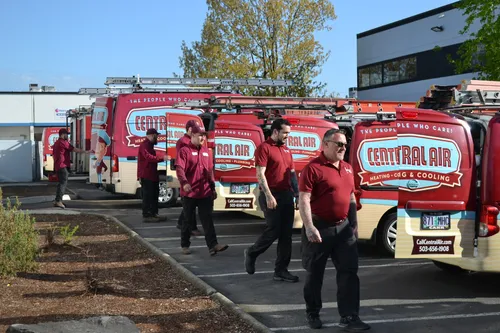
Central Air Heating, Cooling & Plumbing
11640 SW Corby Dr #5, Portland, OR 97225
Central Air Heating, Cooling & Plumbing is a Portland, OR-based company providing heating, cooling, plumbing, and indoor air quality services. Since 2001, they have offered installation, repair, and maintenance for central air conditioners, ductless mini splits, furnaces, and heat pumps. Their services include HVAC tune-ups, air balancing, air purifier installation, and plumbing repairs. The company emphasizes trained technicians and offers a comprehensive HVAC service plan to help maintain system efficiency and reduce breakdowns. They also provide plumbing solutions such as water heater and garbage disposal installation. Central Air Heating, Cooling & Plumbing guarantees repairs lasting at least three years and serves Portland homeowners with a broad range of home comfort needs.
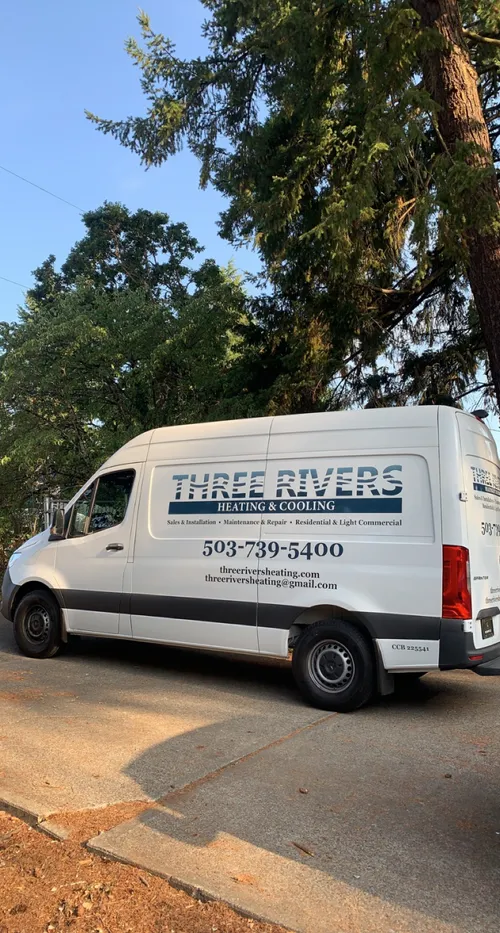
Three Rivers Heating and Cooling
14710 SE Lee Ave, Portland, OR 97267
Three Rivers Heating and Cooling is an HVAC company based in Portland, OR, offering a range of heating and cooling services. They specialize in air conditioning and furnace repair and installation, heat pump and mini split system installation, and indoor air quality services. As an authorized dealer of Lennox, Mitsubishi, and Trane, they provide expert installation and maintenance of these brands' HVAC systems. Their team is knowledgeable in handling these systems to help maintain efficient and comfortable indoor environments.
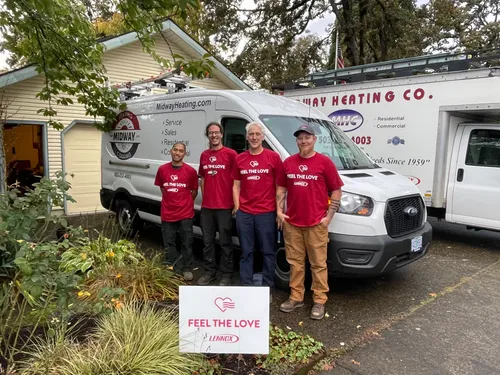
Midway Heating Company
16015 SE 106th Ave, Clackamas, OR 97015
Midway Heating Company is a family-owned HVAC business serving Portland, OR, and the surrounding metro area since 1959. They provide a range of heating and cooling services including furnace and air conditioning repair and installation, mini-split installation, HVAC tune-ups, and indoor air quality solutions such as UV lights, dehumidifiers, and air scrubbers. Midway Heating Company is recognized as a Lennox Premier Dealer and holds an A+ rating from the BBB. Their technicians are available 24/7 to address heating and cooling needs promptly.

Professor Heat Pump Llc
7402 NE 131st Ave, Vancouver, WA 98682
Professor Heat Pump Llc provides HVAC services including air conditioning repair, furnace repair, heat pump repair, HVAC tune-ups, and indoor air quality solutions in Portland, OR. They focus on installation, repair, replacement, and maintenance to keep homes comfortable throughout the year. The company has expertise in restoring air conditioning and heating systems to optimal performance and offers comprehensive air quality services such as air purifiers and ventilation systems. While based near Vancouver, WA, they serve the Portland area with tailored HVAC solutions. Their team is experienced in heat pump maintenance and repair, helping extend system lifespan and improve efficiency.
A-Temp Heating, Cooling, and Electrical
13585 SE Hwy 212, Clackamas, OR 97015
A-Temp Heating, Cooling, and Electrical is a family-owned HVAC company serving Portland, OR, and surrounding counties including Clackamas, Multnomah, and Washington. With over 50 years of experience, they provide a range of services including air conditioning and furnace repair, installation, system tune-ups, and indoor air quality solutions. Their technicians are trained to work with various brands and models, ensuring comprehensive heating and cooling support. The company offers a 10-year parts and labor warranty on new installations and guarantees satisfaction with their work.
Understanding Oregon's Indoor Air Quality Framework
Oregon has established a regulatory framework to address indoor air pollution, with responsibilities shared between the Oregon Health Authority (OHA) and the Oregon Department of Environmental Quality (DEQ) 1. State law directs the OHA to establish indoor air quality standards for significant pollutants and to run public education programs 1. For buildings, the Department of Consumer and Business Services is tasked with adopting ventilation and building product standards for public areas, offices, and residences, which often align with national guidelines from organizations like ASHRAE (American Society of Heating, Refrigerating and Air-Conditioning Engineers) 2.
This structure means that while there are state-level standards and guidance, proactive management often falls to property owners, managers, and homeowners. Understanding the common pollutants and recommended practices is the first step toward healthier indoor air.
Common Indoor Air Pollutants in Oregon
Oregon's environment and lifestyle contribute to a specific set of indoor air challenges. The state identifies several key pollutants for potential regulation:
- Particulate Matter (PM2.5/PM10): This is a major concern, especially from wildfire smoke that can infiltrate homes. Other sources include vehicle exhaust, dust, and indoor burning from candles, fireplaces, or wood stoves.
- Aldehydes & Volatile Organic Compounds (VOCs): These chemicals are emitted as gases from a wide array of products, including paints, varnishes, cleaning supplies, new flooring, furniture, and even personal care items 3.
- Radon: This naturally occurring, radioactive gas is a significant health risk and can enter homes through cracks in floors and walls, construction joints, or gaps around service pipes. Testing for radon is highly recommended in Oregon.
- Carbon Monoxide (CO) & Carbon Dioxide (CO2): These gases are produced by the incomplete combustion of fuels. Sources include furnaces, water heaters, gas stoves, and wood stoves. Proper ventilation and working CO detectors are essential.
- Biological Contaminants: Moisture and water vapor are primary drivers here, leading to the growth of mold, mildew, and dust mites. These are among the most common sources of IAQ problems and allergic reactions 4.
- Ozone: While primarily an outdoor pollutant from smog, ozone can enter buildings and is also produced by some indoor equipment like certain air purifiers and office machines 5.
The Critical Role of Ventilation
Inadequate ventilation is a primary cause of indoor air quality issues6. Simply put, without sufficient fresh air exchange, pollutants generated indoors become concentrated. Oregon's standards for public and workplace ventilation are designed to be at least equivalent to the latest ASHRAE standards 7.
For residences, the EPA and ASHRAE provide guidelines, recommending a minimum of 0.35 air changes per hour (ACH), but not less than 15 cubic feet per minute (CFM) of outdoor air per person8. Practical ventilation tips for Oregonians include:
- Using exhaust fans in bathrooms and kitchens to remove moisture and pollutants at the source.
- Opening windows and doors when outdoor air quality is good to dilute indoor pollutants.
- Keeping windows and doors closed during periods of poor outdoor air quality, such as wildfire smoke events, and relying on filtered ventilation systems instead 9.
Find the perfect indoor air quality service providers for your needs
Get personalized recommendations and expert advice
Improving Your Indoor Air: Strategies and Solutions
Taking control of your indoor air involves assessment, source control, and cleaning. Costs can vary, but there are effective options for most budgets.
Assessment and Testing: For a basic understanding, homeowners can start with DIY test kits for radon and carbon monoxide, available at hardware stores for a wide range, from around $8 to $20010. For a comprehensive analysis, a professional IAQ assessment is recommended. These services can range from several hundred to a couple thousand dollars, depending on the size of the property and the number of pollutants tested 11 12.
Cleaning the Air:
- Air Filters: One of the most cost-effective upgrades is using a high-efficiency MERV 13 filter in your central HVAC system. This can significantly reduce particulate matter from smoke and dust 13.
- Portable Air Purifiers: For rooms where you spend the most time, portable units with true HEPA filters are highly effective. These can be purchased starting around $375 and up, depending on features and room size 14 15.
- Ventilation Upgrades: For older homes or buildings with poor airflow, improving mechanical ventilation may be necessary. This can involve installing energy recovery ventilators (ERVs) or heat recovery ventilators (HRVs) and often requires a professional evaluation.
Controlling Moisture and Sources: The most effective strategy is to prevent pollutants from entering the air in the first place. This includes using low-VOC paints and materials, ensuring proper drainage and ventilation to prevent mold, maintaining fuel-burning appliances, and banning smoking indoors.
Navigating Costs and Professional Services
Because IAQ issues and building types vary so much, government-mandated costs for general inspections are not typically published 16 17. The price you pay will depend on your location in Oregon, the size of your home or building, and the specific concerns you want to address.
When seeking professional help, look for local HVAC companies that specialize in indoor air quality, environmental consultants, or radon mitigation specialists. They can provide services ranging from a basic HVAC tune-up and filter advice to full environmental testing and system redesign. Always check for proper state licensing, particularly for HVAC work, and ask for references or certifications related to IAQ.
For official guidance and resources, you can consult the Oregon Health Authority and the Oregon DEQ websites 18 19.
Frequently asked questions
Sources
Footnotes
-
Indoor Air Quality | Lane Regional Air Protection Agency - https://www.lrapa-or.gov/air-quality-protection/community-center/indoor-air-quality/ ↩ ↩2
-
Tips for Improving Your Indoor Air Quality - Oregon.gov - https://www.oregon.gov/oha/PH/HEALTHYENVIRONMENTS/TRACKINGASSESSMENT/PrintableResourceDocuments/Indoor-air-quality-fact-sheet.pdf ↩
-
What are the major sources of indoor air pollution? | The effects ... - Metrikus - https://www.metrikus.io/blog/what-are-the-major-sources-of-indoor-air-pollution ↩
-
Indoor Air Quality (IAQ) | Deschutes County Oregon - https://www.deschutes.org/health/page/indoor-air-quality-iaq ↩
-
ORS 433.521 - Indoor air quality standards - Oregon Law - https://oregon.public.law/statutes/ors_433.521 ↩
-
Indoor Air Quality - Overview - OSHA - https://www.osha.gov/indoor-air-quality ↩
-
ORS 455.445 - Indoor air quality standards for public areas ... - https://oregon.public.law/statutes/ors_455.445 ↩
-
How much ventilation do I need in my home to improve indoor air ... - https://www.epa.gov/indoor-air-quality-iaq/how-much-ventilation-do-i-need-my-home-improve-indoor-air-quality ↩
-
Oregon Health Authority : Wildfires and Smoke : Get Prepared - https://www.oregon.gov/oha/ph/preparedness/prepare/pages/prepareforwildfire.aspx ↩
-
Prepare Your Properties: Focus on Indoor Air Quality - https://oregonmultifamilyenergy.com/2021/04/19/prepare-your-properties-focus-on-indoor-air-quality/ ↩
-
How Much Does a Home Indoor Air Quality Testing Cost? - https://www.airpf.com/how-much-does-a-home-indoor-air-quality-testing-cost/ ↩
-
Philadelphia Office Air Quality Testing: Essential Compliance Guide - myshyft.com - https://www.myshyft.com/blog/indoor-air-quality-testing-for-offices-philadelphia-pennsylvania/ ↩
-
Health threats lurk in the indoor air of your home - oregonlive.com - https://www.oregonlive.com/hg/2012/04/health_threats_lurk_in_the_ind.html ↩
-
INDOOR AIR QUALITY - Oregon Legislative Information System - https://olis.oregonlegislature.gov/liz/2023R1/Downloads/PublicTestimonyDocument/53062 ↩
-
Proposed Amendments to Metro Vancouver's Air Quality Management Fees Regulation Bylaw No. 1330 Discussion Paper - https://metrovancouver.org/services/air-quality-climate-action/Documents/air-quality-management-fees-discussion-paper-summary.pdf ↩
-
Decoding Home Inspection Costs: Factors & Estimates - https://azinspect.com/understanding-the-price-of-a-home-inspection-factors-and-estimates/ ↩
-
NYC Inspection Prices: What Affects Costs and How to Budget - https://nycparapetsinspection.com/blog/nyc-inspection-prices-what-affects-costs-and-how-to-budget/ ↩
-
State issues air quality advisory through Monday | The Bulletin - https://bendbulletin.com/2026/01/11/state-issues-air-quality-advisory-through-monday/ ↩
-
Department of Environmental Quality : About Drinking Water Source Protection : Drinking Water Source Protection Program : State of Oregon - https://www.oregon.gov/deq/wq/dwp/pages/default.aspx ↩