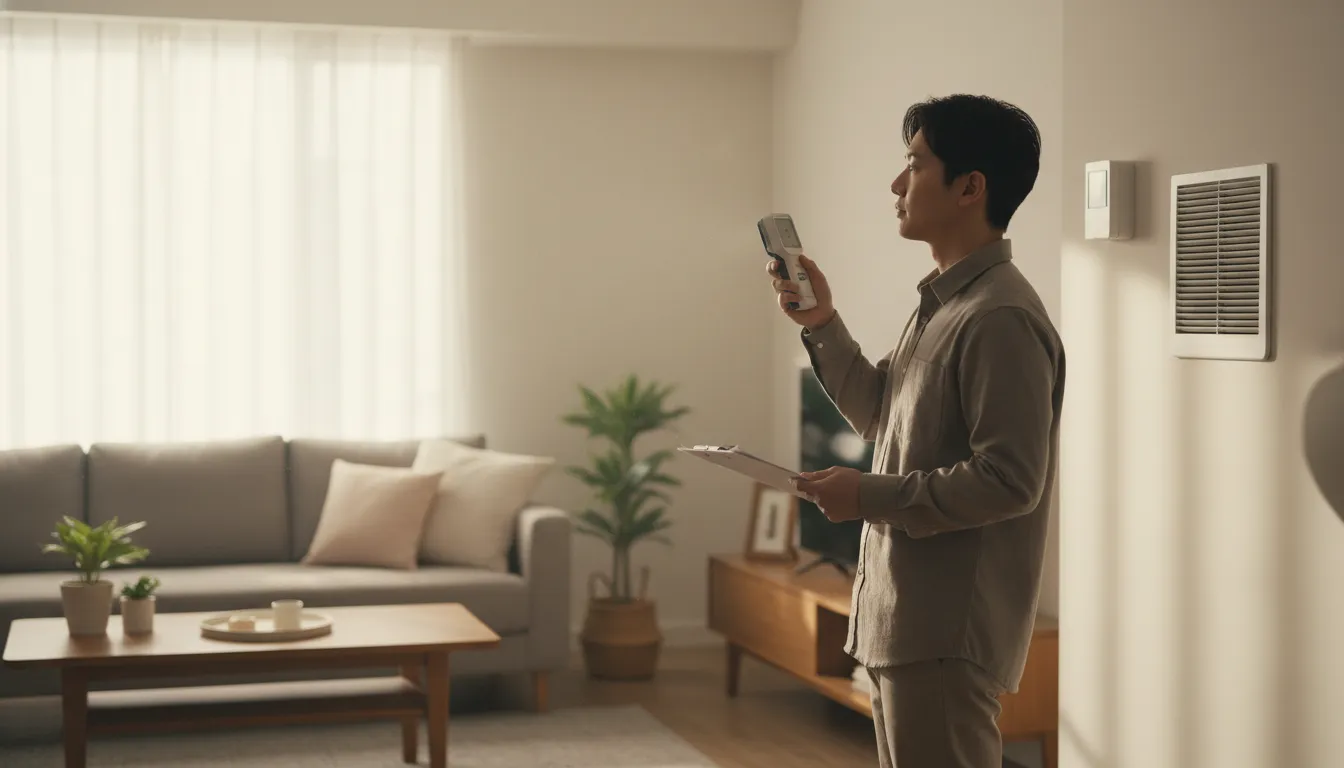
Find the Best Indoor Air Quality Service Providers for Your Business
No obligation • Fast responses • Nationwide coverage

Why you can trust HVAC Firms
HVAC Firms is a leading United States resource for evaluating HVAC service providers. Our team researches companies, checks credentials, and reviews customer feedback to present clear, unbiased information. Listings and rankings are based on merit, and companies cannot pay to change our editorial content.
Search providers near you
Top Indoor Air Quality Service Providers in Beaverton, Oregon Ranked
The air you breathe inside your Beaverton home has a direct impact on your health, comfort, and well-being. Indoor air quality (IAQ) refers to the condition of the air within and around buildings, especially as it relates to the health of the occupants. In Beaverton, this is a critical concern due to the region's unique environmental factors, including high humidity, seasonal wildfire smoke, and the prevalence of tightly sealed, energy-efficient homes that can trap pollutants. Understanding your home's air quality is the first step toward creating a healthier living environment. This guide will help you identify common local air quality challenges, explore professional testing and improvement options, and connect with local expertise to find solutions tailored to your specific needs.
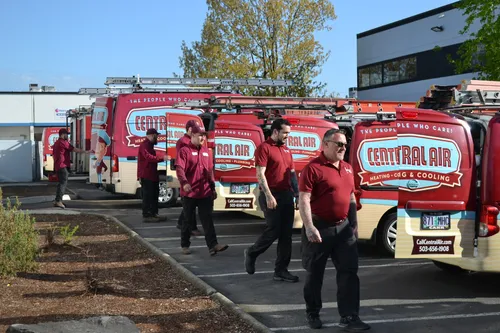
Central Air Heating, Cooling & Plumbing
11640 SW Corby Dr #5, Portland, OR 97225
Central Air Heating, Cooling & Plumbing is a Portland, OR-based company providing heating, cooling, plumbing, and indoor air quality services. Since 2001, they have offered installation, repair, and maintenance for central air conditioners, ductless mini splits, furnaces, and heat pumps. Their services include HVAC tune-ups, air balancing, air purifier installation, and plumbing repairs. The company emphasizes trained technicians and offers a comprehensive HVAC service plan to help maintain system efficiency and reduce breakdowns. They also provide plumbing solutions such as water heater and garbage disposal installation. Central Air Heating, Cooling & Plumbing guarantees repairs lasting at least three years and serves Portland homeowners with a broad range of home comfort needs.
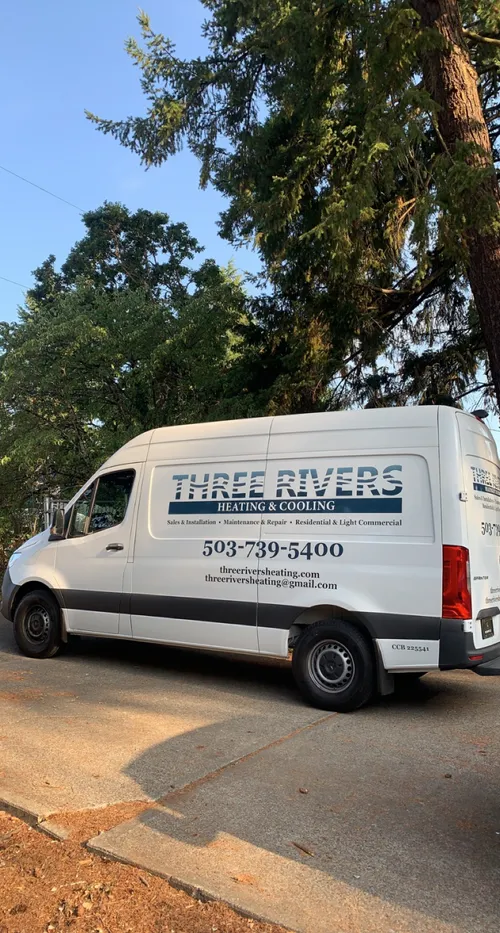
Three Rivers Heating and Cooling
14710 SE Lee Ave, Portland, OR 97267
Three Rivers Heating and Cooling is an HVAC company based in Portland, OR, offering a range of heating and cooling services. They specialize in air conditioning and furnace repair and installation, heat pump and mini split system installation, and indoor air quality services. As an authorized dealer of Lennox, Mitsubishi, and Trane, they provide expert installation and maintenance of these brands' HVAC systems. Their team is knowledgeable in handling these systems to help maintain efficient and comfortable indoor environments.
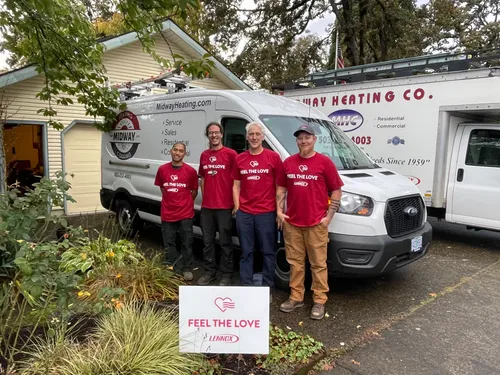
Midway Heating Company
16015 SE 106th Ave, Clackamas, OR 97015
Midway Heating Company is a family-owned HVAC business serving Portland, OR, and the surrounding metro area since 1959. They provide a range of heating and cooling services including furnace and air conditioning repair and installation, mini-split installation, HVAC tune-ups, and indoor air quality solutions such as UV lights, dehumidifiers, and air scrubbers. Midway Heating Company is recognized as a Lennox Premier Dealer and holds an A+ rating from the BBB. Their technicians are available 24/7 to address heating and cooling needs promptly.

Professor Heat Pump Llc
7402 NE 131st Ave, Vancouver, WA 98682
Professor Heat Pump Llc provides HVAC services including air conditioning repair, furnace repair, heat pump repair, HVAC tune-ups, and indoor air quality solutions in Portland, OR. They focus on installation, repair, replacement, and maintenance to keep homes comfortable throughout the year. The company has expertise in restoring air conditioning and heating systems to optimal performance and offers comprehensive air quality services such as air purifiers and ventilation systems. While based near Vancouver, WA, they serve the Portland area with tailored HVAC solutions. Their team is experienced in heat pump maintenance and repair, helping extend system lifespan and improve efficiency.
A-Temp Heating, Cooling, and Electrical
13585 SE Hwy 212, Clackamas, OR 97015
A-Temp Heating, Cooling, and Electrical is a family-owned HVAC company serving Portland, OR, and surrounding counties including Clackamas, Multnomah, and Washington. With over 50 years of experience, they provide a range of services including air conditioning and furnace repair, installation, system tune-ups, and indoor air quality solutions. Their technicians are trained to work with various brands and models, ensuring comprehensive heating and cooling support. The company offers a 10-year parts and labor warranty on new installations and guarantees satisfaction with their work.
Why Beaverton Homes Face Unique Air Quality Challenges
Beaverton's climate and modern building standards create a perfect storm for compromised indoor air. While energy efficiency is a benefit, it often comes at the cost of natural ventilation, allowing contaminants to accumulate to levels that can be much higher than those found outdoors.
- High Humidity and Mold: The Pacific Northwest's signature damp climate leads to persistent moisture issues. This humidity fosters mold growth in common problem areas like crawl spaces, basements, and attics, which can release spores into the living areas and trigger allergic reactions or respiratory problems.
- Seasonal Wildfire Smoke: Increasingly common summer wildfires produce fine particulate matter that can infiltrate homes, significantly degrading indoor air and posing serious health risks, especially for children, the elderly, and those with pre-existing conditions.
- VOCs and Off-Gassing: Modern building materials, furniture, cleaning products, and paints can emit volatile organic compounds (VOCs). In a well-sealed Beaverton home, these chemical vapors have nowhere to go, leading to prolonged exposure.
- Allergens: Local flora, including Douglas fir and oak trees, contribute to high pollen counts. When combined with common indoor allergens like pet dander and dust mites, these particles can make life miserable for allergy sufferers, particularly in homes with inadequate ventilation.
- Combustion Gases and Radon: Odorless and invisible threats like carbon monoxide from gas appliances and radon gas seeping from the soil through foundation cracks are significant health hazards that require specific detection methods.
How to Assess Your Home's Air Quality
Before investing in solutions, it's wise to understand the specific pollutants affecting your space. Assessment ranges from simple DIY checks to comprehensive professional evaluations.
Professional Air Quality Testing: For a definitive analysis, local specialists use advanced equipment to conduct detailed assessments. A common approach is 48-hour continuous monitoring, which measures levels of particulate matter, humidity, carbon dioxide, VOCs, and ventilation rates to provide a complete picture of your indoor environment1 2 3. The cost for such a professional evaluation in Beaverton typically starts around $3901 3.
Targeted Inspections: Specific concerns often warrant specialized tests.
- Mold Inspection: If you smell musty odors or see visible growth, a professional mold inspection can identify the species and concentration of spores in your air.
- Radon Testing: Given Oregon's radon risk, short-term or long-term radon test kits are strongly recommended, as this radioactive gas is a leading cause of lung cancer among non-smokers4.
- Commercial Assessments: Businesses may require testing for OSHA compliance or to ensure employee health in office environments.
DIY Monitoring: Homeowners can get a general sense of their air quality using consumer-grade monitors that track metrics like particulate matter (PM2.5), VOCs, humidity, and temperature. While not as accurate as professional gear, these devices can help identify trends and problem areas5.
Effective Solutions for Cleaner Indoor Air
Once you've identified the issues, a range of solutions can dramatically improve your home's environment. The right approach often involves a combination of technologies.
Advanced Filtration: The first line of defense is your HVAC system's filter. Upgrading to a high-efficiency filter, such as a MERV 13 or higher, can effectively capture fine particles from wildfire smoke, pollen, and dust. For whole-home protection, systems like air scrubbers or specialized media filters can be integrated directly into your ductwork6.
Air Purification: For targeted or supplemental cleaning, portable HEPA air purifiers are excellent for single rooms. Whole-home air purifiers, installed within the HVAC system, provide silent, whole-house filtration of particles and some gases7.
Balanced Ventilation: Since modern homes are so airtight, intentionally bringing in fresh air is crucial. Heat Recovery Ventilators (HRVs) and Energy Recovery Ventilators (ERVs) exchange stale indoor air with fresh outdoor air while recovering most of the temperature energy, preventing the energy penalty associated with simply opening a window 8. This is one of the most effective ways to dilute VOCs and carbon dioxide.
Humidity Control: Keeping indoor relative humidity between 30% and 50% is key to inhibiting mold growth and dust mites. Stand-alone dehumidifiers work for specific areas, while whole-house dehumidifiers integrate with your HVAC to control moisture levels throughout the entire home 9.
Source Control and UV Light: The most effective strategy is to remove the source of pollution. This can mean switching to low-VOC paints and cleaning products, ensuring gas appliances are properly vented, and fixing water leaks promptly. For microbial control within the HVAC system itself, UV-C lights can be installed to kill mold, bacteria, and viruses circulating through the ducts 10.
Find the perfect indoor air quality service providers for your needs
Get personalized recommendations and expert advice
Maintenance and Daily Habits for Healthier Air
Technology is powerful, but daily habits form the foundation of good indoor air quality.
- Control Humidity: Use exhaust fans in bathrooms and kitchens during and after use. Consider a dehumidifier for chronically damp areas like basements to maintain levels below 50%11 12.
- Ventilate: When outdoor air quality is good (check local air quality indexes), open windows to flush out stale air. Run your HVAC fan regularly to circulate air through the filter.
- Upgrade Filters: Change your HVAC system's air filter regularly-at least every 90 days, or more often during high-pollen seasons or wildfire events. Choose the highest MERV rating your system can handle without restricting airflow.
- Clean Smartly: Vacuum frequently using a HEPA-filtered vacuum cleaner to capture settled dust and allergens. Use a damp cloth for dusting. Opt for natural or green-certified cleaning products to minimize chemical fumes.
- Schedule Professional HVAC Maintenance: Have your heating and cooling system inspected and serviced annually. A clean, well-tuned system operates more efficiently and is better at filtering and moving air13.
If household members suffer from persistent allergies, asthma, or unexplained respiratory irritation, it may be time to consider a professional air quality assessment to identify hidden culprits.
Frequently asked questions
Sources
Footnotes
-
Indoor Air Quality - Beaverton - Bruton Comfort Control - https://www.brutoncomfortcontrol.com/indoor-air-quality/ ↩ ↩2
-
Indoor Air Quality Testing Beaverton OR - AirMD - https://airmd.com/areas-served/oregon/beaverton/indoor-air-quality-testing/ ↩
-
Indoor Air Quality Testing in Portland, OR - Alpha Environmental - https://alphaenvironmental.net/indoor-air-quality-portland/ ↩ ↩2
-
Indoor Air Quality - Northwest Clean Air Agency - https://nwcleanairwa.gov/resources/indoor-air-quality/ ↩
-
Indoor Air Quality Testing Portland OR - AirMD - https://airmd.com/areas-served/oregon/portland/indoor-air-quality-testing/ ↩
-
Indoor Air Quality Solutions - Air Systems - https://airsystemsinc.com/services/indoor-air-quality-solutions ↩
-
Indoor Air Quality Services in Beaverton - https://www.oregonheating.com/indoor-air-quality/ ↩
-
Indoor Air Quality Testing in Portland, OR - Alpha Environmental - https://alphaenvironmental.net/indoor-air-quality-portland/ ↩
-
Indoor Air Quality in Beaverton, Oregon - https://allsolutionspdx.com/indoor-air-quality/ ↩
-
Indoor Air Quality Services - Beaverton - Revival Energy Group - https://www.callrevival.com/air-quality-beaverton-or/ ↩
-
Wildfire Smoke | Beaverton, OR - BeavertonOregon.gov - https://www.beavertonoregon.gov/543/Wildfire-Smoke ↩
-
Indoor Air Quality Services in Beaverton - https://www.oregonheating.com/indoor-air-quality/ ↩
-
Improve Indoor Air Quality - Oregon Healthy Homes LLC - https://oregonhealthyhomes.com/improve-indoor-air-quality/ ↩