Find the Best Indoor Air Quality Service Providers for Your Business
No obligation • Fast responses • Nationwide coverage

Why you can trust HVAC Firms
HVAC Firms is a leading United States resource for evaluating HVAC service providers. Our team researches companies, checks credentials, and reviews customer feedback to present clear, unbiased information. Listings and rankings are based on merit, and companies cannot pay to change our editorial content.
Search providers near you
Top Indoor Air Quality Service Providers in St Charles, Missouri Ranked
The air you breathe inside your St. Charles home or business has a direct impact on your health, comfort, and productivity. Indoor air quality, or IAQ, refers to the condition of the air within and around buildings, especially as it relates to the health and well-being of occupants. In our region, factors like Missouri's humid climate, older home construction, and everyday household activities can lead to pollutant levels that are 2-5 times higher indoors than outdoors. This guide is designed to help you understand common indoor air pollutants, recognize signs of poor air, and connect with local expertise for testing and solutions to create a cleaner, healthier indoor environment.
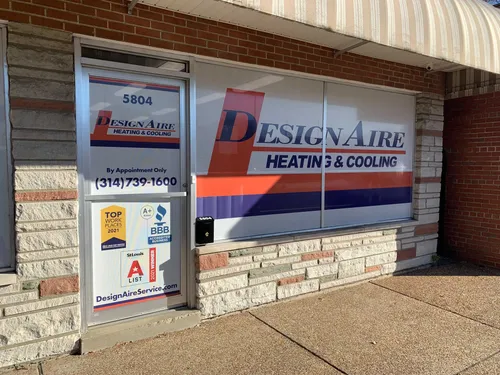
Design Aire Heating & Cooling - St. Louis
5804 Hampton Ave, St. Louis, MO 63109
Design Aire Heating & Cooling - St. Louis provides a full range of HVAC services in St. Louis, MO, including installation, maintenance, and repair of air conditioners, furnaces, boilers, and heat pumps. They also offer indoor air quality improvements such as air duct cleaning and advanced air purifiers. The company specializes in commercial and residential HVAC solutions, using the latest technologies to ensure systems run efficiently and safely. Established in 1904, Design Aire has a long history of serving the St. Louis area with a focus on quality and customer satisfaction.

Indoor Comfort Team
3640 Scarlet Oak Blvd, Kirkwood, MO 63122
Indoor Comfort Team is a family-owned HVAC company serving St Louis, MO, and nearby areas since 1979. They provide a wide range of services including air conditioning repair, furnace and heat pump installation and repair, mini split and geothermal heat pump systems, as well as indoor air quality solutions. Their NATE-certified technicians work with leading manufacturers to deliver heating and cooling services tailored to residential and commercial needs. Indoor Comfort Team offers specialized capabilities such as ground-source geothermal heat pump installations and maintains a commitment to customer satisfaction with workmanship guarantees.
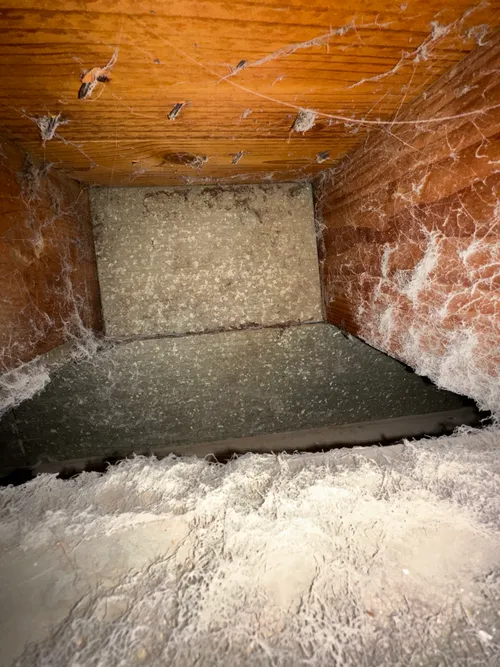
1St Global Air Duct Cleaning
2916 Ohio Ave, St. Louis, MO 63118
1St Global Air Duct Cleaning provides professional air duct and dryer vent cleaning services in St Louis, MO. The company focuses on improving indoor air quality by removing dust, allergens, and debris from HVAC systems in homes and businesses. Their trained technicians use specialized tools and techniques to enhance airflow and reduce allergy triggers, contributing to safer and more efficient HVAC operation. They serve St Louis and surrounding areas including Chesterfield, Wildwood, and Creve Coeur. The business operates 24/7, offering flexible scheduling to meet customer needs.
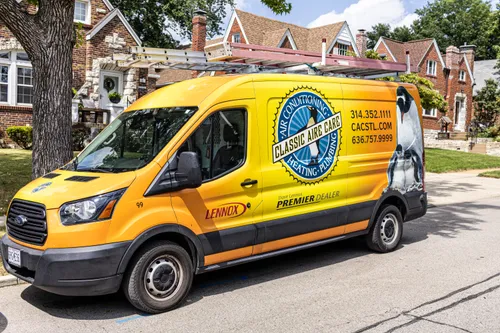
Classic Aire Care
1276 N Warson Rd, St. Louis, MO 63132
Classic Aire Care is an established HVAC and plumbing company serving St Louis, MO, and the surrounding areas. With a history dating back to 1926, they provide a wide range of services including installation, repair, and maintenance of air conditioners, furnaces, heat pumps, boilers, and geothermal systems. They also offer indoor air quality solutions such as air purifiers and humidifiers, along with expert plumbing services. Classic Aire Care is equipped to handle 24/7 emergency heating and cooling repairs, ensuring reliable service year-round.
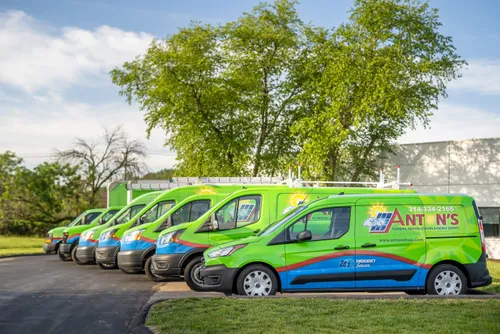
Anton's Plumbing, Heating/Cooling & Energy Experts
950 Bolger Ct, Fenton, MO 63026
Anton's Plumbing, Heating/Cooling & Energy Experts has been serving St. Louis, MO, since 1979, providing comprehensive HVAC and plumbing services. They specialize in heating and cooling system repair, installation, and maintenance, including furnaces, heat pumps, and air conditioning units. Their services also cover indoor air quality solutions and humidity balancing to enhance home comfort. As a family-owned business with over 40 years of experience, Anton's offers energy-efficient system upgrades and expert plumbing services. Their NATE-certified technicians and status as an independent Trane dealer highlight their technical capability and commitment to quality.
Why Indoor Air Quality Matters in St. Charles
Living in the St. Louis metropolitan area, St. Charles residents face unique challenges to maintaining clean indoor air. Modern, energy-efficient homes are built to be airtight, which is great for utility bills but can trap pollutants inside if not properly ventilated. Furthermore, our local climate-with its hot, humid summers-creates an ideal environment for mold and mildew growth, particularly in basements and crawl spaces. Understanding these local factors is the first step toward improving the air in your space, whether it's reducing allergy triggers, eliminating musty odors, or addressing more serious concerns like radon gas.
Common Indoor Air Pollutants in St. Charles Homes
Several specific contaminants are frequently identified by local environmental and HVAC professionals as primary concerns for indoor air in our community.
- Mold and Mildew: High humidity is a persistent issue in Missouri. When indoor relative humidity consistently stays above 60%, it can lead to mold growth on walls, ceilings, and in HVAC systems, causing musty smells and potential health reactions 1 2.
- Allergens: Pollen from the region's abundant flora, along with pet dander and dust mites, can accumulate in carpets, upholstery, and ductwork. These are common triggers for asthma and allergy sufferers, especially in older homes that may be less sealed 3.
- Radon Gas: This colorless, odorless radioactive gas occurs naturally in soil and can seep into homes through cracks in the foundation. Radon is a significant health concern and is prevalent in many areas across Missouri, making testing a critical step for homeowners.
- VOCs (Volatile Organic Compounds): These are gases emitted from everyday household products like cleaning supplies, paints, new furniture, and carpets. Formaldehyde is a common VOC that can off-gas for years, contributing to poor indoor air.
- Particulate Matter (PM2.5): These fine particles can come from cooking, fireplaces, outdoor industrial or transportation sources, and even smoking. They are small enough to inhale deeply into the lungs 4.
- Inadequate Ventilation: When an HVAC system isn't bringing in enough fresh outdoor air, levels of carbon dioxide and other pollutants can build up, leading to stale, stagnant air and feelings of drowsiness or stuffiness 5.
Signs You May Have an Indoor Air Problem
How can you tell if your home's air quality needs attention? Look for these common indicators:
- Persistent musty or stuffy odors.
- Excessive humidity, condensation on windows, or visible mold growth.
- Health symptoms that improve when you leave the house, such as frequent headaches, nasal congestion, dizziness, or worsening asthma and allergies.
- Dust accumulating very quickly on surfaces.
- Feeling unusually tired or having difficulty concentrating at home.
If you notice several of these signs, it may be time to consider a professional assessment.
Find the perfect indoor air quality service providers for your needs
Get personalized recommendations and expert advice
Professional Indoor Air Quality Testing and Assessment
For a definitive answer on what's in your air, local HVAC companies and environmental consultants offer comprehensive IAQ evaluations. A professional assessment typically involves a visual inspection of your home and HVAC system, followed by targeted air sampling.
- What Testing Can Cover: Professionals can test for specific contaminants like mold spores, radon levels, VOC concentrations, formaldehyde, and more. They can also measure humidity levels, carbon dioxide, and particulate counts.
- Cost of Testing: The price depends on the scope. A basic professional IAQ test in St. Charles averages around $422, with a typical range of $285 to $563 6. Specialized tests have their own ranges: mold inspection can cost $300-$1,000, radon testing $150-$800, and VOC-specific testing $200-$400 7 8.
- DIY Monitoring: For ongoing awareness, smart air quality monitors (like AirVisual PRO or Airthings models) are available for $30 to $600. These devices provide real-time data on key metrics like PM2.5, CO2, temperature, and humidity right on your smartphone 9.
Solutions for Cleaner, Healthier Air
Once you understand your home's specific challenges, a range of effective solutions is available. Local service providers can help implement these fixes, which often involve your home's HVAC system.
- Improve Ventilation: This is a cornerstone of good IAQ. Always use exhaust fans in bathrooms and kitchens. For whole-home solutions, consider installing a Heat Recovery Ventilator (HRV) or Energy Recovery Ventilator (ERV), which brings in fresh air without wasting energy.
- Control Humidity: Aim to keep indoor relative humidity between 30% and 50% 10 11. A whole-home dehumidifier, often integrated with your HVAC system, is the most effective tool for managing moisture in our climate and preventing mold.
- Upgrade Filtration: Simply upgrading your furnace filter can make a big difference. Look for filters with a MERV rating of 13 or higher to capture finer particles like allergens and some bacteria. For even greater purification, whole-home air purifiers or UV-C light systems can be installed in your ductwork to neutralize mold, bacteria, and viruses.
- Source Control: Reduce pollutants at their source. Opt for low-VOC paints and cleaning products, avoid excessive use of aerosol sprays and scented candles, and ensure gas appliances are properly vented 12.
- Professional Remediation & Mitigation: For identified hazards, professional remediation is essential. Radon mitigation system installation typically costs between $800 and $1,300 13. Professional mold remediation can range from $1,200 to $3,800, depending on the extent of the problem 13.
- Regular HVAC Maintenance: An annual tune-up of your heating and cooling system is not just about efficiency; it ensures proper airflow, checks for mold in ducts, and confirms that all components are working to filter and condition your air effectively 14.
Maintaining Your Indoor Environment
Good indoor air quality is an ongoing process. Alongside professional services, daily habits play a key role. Vacuum regularly with a HEPA-filtered vacuum, clean bedding often to reduce dust mites, and promptly fix any water leaks to prevent mold. By combining proactive habits with the right professional assessments and system upgrades, you can ensure the air in your St. Charles home supports your family's health and comfort for years to come.
Frequently asked questions
Sources
Footnotes
-
Improve Your Indoor Air Quality With Help From Our St. Charles Team - https://www.integrityaire.com/indoor-air-quality ↩
-
Signs Of Poor Indoor Air Quality | Bardi - https://bardi.com/blog/signs-of-poor-indoor-air-quality ↩
-
Indoor Air Quality Service | Cleaner Air St. Louis St Charles MO - https://www.aaastl.com/indoor-air-quality-service/ ↩
-
St. Charles, MO Poor Air Quality Map and Forecast | First Street - https://firststreet.org/city/st.-charles-mo/2964082_fsid/air ↩
-
Indoor Air Quality - Frequently Asked Questions - OSHA - https://www.osha.gov/indoor-air-quality/faqs ↩
-
How Much Is an IAQ Test for a Home? - Scott-Lee Heating - https://scottleeheating.com/how-much-is-an-iaq-test-for-a-home/ ↩
-
How Much Does Indoor Air Quality Testing Cost? [2026 Data] - https://www.angi.com/articles/how-much-does-indoor-air-quality-testing-cost.htm ↩
-
Air Quality Testing St. Louis MO - Al-Don Heating + Cooling - https://www.al-don.com/air-quality-testing ↩
-
iqair AirVisual PRO AIR-QUALITY Monitor - https://www.google.com/search?q=product&prds=pvt:hg,productid:12731750861393503074,catalogid:16835460390359639346,gpcid:10152811169155146236,mid:576462399365726378&ibp=oshop ↩
-
Improving Indoor Air Quality to Improve Health - St. Louis County - https://stlouiscountymo.gov/st-louis-county-departments/public-health/covid-19/advisories-safety-recommendations/improving-indoor-air-quality/ ↩
-
Indoor Air | Health & Senior Services - https://health.mo.gov/living/environment/indoorair/index.php ↩
-
Air Quality | St Charles County, MO - Official Website - https://www.sccmo.org/792/Air-Quality ↩
-
How Much Does Indoor Air Quality Testing Cost? [2025 Data] - https://www.homeadvisor.com/cost/environmental-safety/test-indoor-air-quality/ ↩ ↩2
-
Indoor Air Quality - NM-Tracking - https://nmtracking.doh.nm.gov/environment/air/IndoorQuality.html ↩