Find the Best Indoor Air Quality Service Providers for Your Business
No obligation • Fast responses • Nationwide coverage

Why you can trust HVAC Firms
HVAC Firms is a leading United States resource for evaluating HVAC service providers. Our team researches companies, checks credentials, and reviews customer feedback to present clear, unbiased information. Listings and rankings are based on merit, and companies cannot pay to change our editorial content.
Search providers near you
Top Indoor Air Quality Service Providers in Florissant, Missouri Ranked
The air you breathe inside your home or office in Florissant directly impacts your health, comfort, and well-being. Indoor air quality (IAQ) refers to the condition of the air within and around buildings, particularly as it relates to the health of the occupants. In our region, factors like high humidity, aging infrastructure, and urban pollutants make managing your indoor environment a critical concern. This guide is designed to help you understand the specific air quality challenges in Florissant, explore professional testing and mitigation options, and take actionable steps to create a cleaner, healthier indoor space.
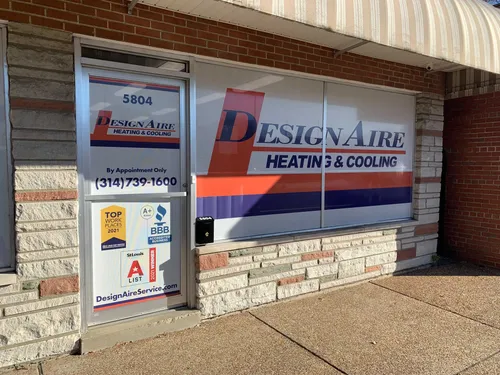
Design Aire Heating & Cooling - St. Louis
5804 Hampton Ave, St. Louis, MO 63109
Design Aire Heating & Cooling - St. Louis provides a full range of HVAC services in St. Louis, MO, including installation, maintenance, and repair of air conditioners, furnaces, boilers, and heat pumps. They also offer indoor air quality improvements such as air duct cleaning and advanced air purifiers. The company specializes in commercial and residential HVAC solutions, using the latest technologies to ensure systems run efficiently and safely. Established in 1904, Design Aire has a long history of serving the St. Louis area with a focus on quality and customer satisfaction.

Indoor Comfort Team
3640 Scarlet Oak Blvd, Kirkwood, MO 63122
Indoor Comfort Team is a family-owned HVAC company serving St Louis, MO, and nearby areas since 1979. They provide a wide range of services including air conditioning repair, furnace and heat pump installation and repair, mini split and geothermal heat pump systems, as well as indoor air quality solutions. Their NATE-certified technicians work with leading manufacturers to deliver heating and cooling services tailored to residential and commercial needs. Indoor Comfort Team offers specialized capabilities such as ground-source geothermal heat pump installations and maintains a commitment to customer satisfaction with workmanship guarantees.
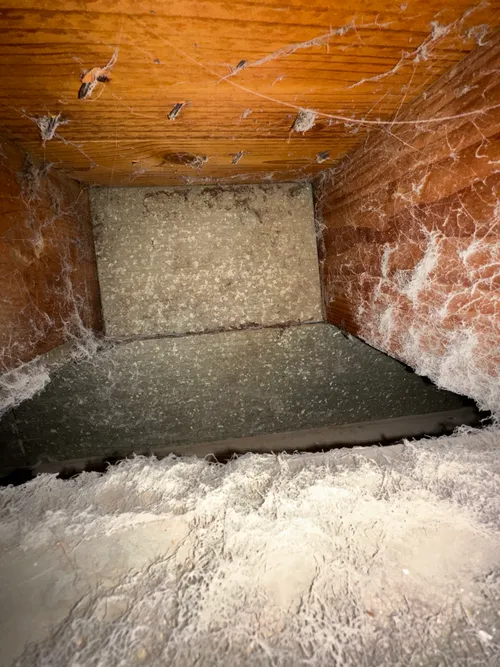
1St Global Air Duct Cleaning
2916 Ohio Ave, St. Louis, MO 63118
1St Global Air Duct Cleaning provides professional air duct and dryer vent cleaning services in St Louis, MO. The company focuses on improving indoor air quality by removing dust, allergens, and debris from HVAC systems in homes and businesses. Their trained technicians use specialized tools and techniques to enhance airflow and reduce allergy triggers, contributing to safer and more efficient HVAC operation. They serve St Louis and surrounding areas including Chesterfield, Wildwood, and Creve Coeur. The business operates 24/7, offering flexible scheduling to meet customer needs.
Tettaton
22 Sycamore Dr, Caseyville, IL 62232
Tettaton is a heating and air conditioning company serving St Louis, MO, and the surrounding Madison and St. Clair counties. They offer a range of HVAC services including repair, installation, and maintenance for air conditioners, furnaces, boilers, and indoor air quality systems. With over 69 years of experience since their founding in 1952, Tettaton provides expertise in custom sheet metal work and air purification solutions. Their technicians are EPA certified and licensed, ensuring professional service for residential and light commercial customers.
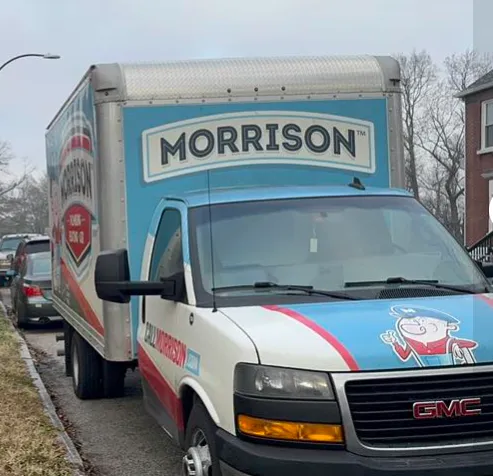
Morrison Plumbing, Heating, Air, & Electrical Services
8124B Bunkum Rd, Caseyville, IL 62232
Morrison Plumbing, Heating, Air, & Electrical Services provides indoor air quality services in St Louis, MO. They serve a wide area including Belleville, Caseyville, Collinsville, and other nearby communities. The company offers solutions to improve air quality and supports customers with financing options. Morrison Plumbing, Heating, Air, & Electrical Services covers multiple locations in the region to address indoor air concerns.
Why Indoor Air Quality Matters in Florissant
Many residents are surprised to learn that pollutant levels inside their homes can be two to five times higher than outdoor levels 1. This is especially true in energy-efficient, well-sealed buildings designed to conserve energy, which can inadvertently trap contaminants inside. For individuals with allergies, asthma, or other respiratory conditions, poor indoor air can significantly worsen symptoms. Common complaints linked to subpar IAQ include persistent headaches, fatigue, dizziness, and irritation of the eyes, nose, and throat. Given that most people spend approximately 90% of their time indoors, the quality of that air is a fundamental component of daily health.
In Florissant, several local factors converge to create unique challenges. The city's housing stock includes many older homes that may have inadequate or outdated ventilation systems, leading to poor air exchange and the accumulation of pollutants 2. Furthermore, our proximity to major transportation corridors like I-70 and I-270 introduces particulate matter from vehicle emissions, while the region's industrial activity can contribute to the outdoor air pollution that eventually finds its way inside.
Common Indoor Air Pollutants in Florissant Homes
Understanding the specific contaminants prevalent in our area is the first step toward effective management. Here are the primary offenders Florissant homeowners and business operators should be aware of:
- High Humidity & Biological Pollutants: St. Louis area summers are notoriously humid, with levels often reaching 70-80% 3. This creates an ideal environment for mold and mildew growth, particularly in damp basements, crawl spaces, and bathrooms. Dust mites also thrive in high-humidity conditions, a common trigger for allergy sufferers.
- Radon Gas: Missouri is known to have areas with elevated levels of radon, a naturally occurring, radioactive gas that seeps from the soil into buildings. It is colorless, odorless, and tasteless, making it undetectable without proper testing. Radon is the second leading cause of lung cancer in the United States, making it a serious health concern for Florissant residents.
- Particulate Matter (PM2.5): These are fine inhalable particles, with diameters that are generally 2.5 micrometers and smaller. In our area, sources include traffic emissions from nearby highways, construction dust, and industrial activity 4. These tiny particles can penetrate deep into the lungs and even enter the bloodstream.
- Volatile Organic Compounds (VOCs): These are gases emitted from certain solids or liquids. Common sources in homes include cleaning and disinfecting products, paints, varnishes, pesticides, air fresheners, and new building materials like flooring or cabinetry. Concentrations of many VOCs can be consistently higher indoors than outdoors.
- Other Chemical Vapors & Combustion Byproducts: This includes carbon monoxide (CO) from malfunctioning fuel-burning appliances, as well as nitrogen dioxide (NO2). Properly functioning and vented appliances are crucial, and carbon monoxide detectors are a non-negotiable safety requirement in any home.
Professional IAQ Testing and Assessment
If you suspect your indoor air is causing health issues or simply want peace of mind, a professional assessment is the most comprehensive approach. Local HVAC and environmental specialists offer several services to diagnose your home's specific air quality profile.
A Professional Air Quality Audit typically involves a certified technician conducting a thorough visual inspection of your home, looking for signs of moisture intrusion, mold growth, and ventilation issues. They will also use specialized equipment to test for key pollutants like carbon monoxide, radon, and VOCs 5 6. This holistic assessment provides a clear picture of your indoor environment's strengths and weaknesses.
For suspected mold issues, Mold Testing & Inspection is a more targeted service. Specialists use a combination of air tests to measure spore counts, surface swabs, and tape lifts to identify the type and extent of mold growth, even behind walls or under floors. This is essential for creating an effective remediation plan.
Radon Testing is highly recommended for every home in Missouri. Professionals use continuous radon monitors for accurate, short-term or long-term testing. The Environmental Protection Agency (EPA) also recommends that homeowners can use certified do-it-yourself test kits as an initial screening tool 7.
For ongoing monitoring, many residents are turning to Consumer Air Quality Monitors. Devices from companies like Airthings can track levels of PM2.5, VOCs, CO2, humidity, and even radon in real-time, providing valuable data through a smartphone app 8. While not a replacement for professional diagnosis, these tools are excellent for tracking trends and the effectiveness of mitigation efforts.
Find the perfect indoor air quality service providers for your needs
Get personalized recommendations and expert advice
Strategies and Solutions for Cleaner Indoor Air
Improving your home's air doesn't necessarily require a massive investment. Experts recommend a multi-pronged strategy focused on source control, ventilation, and air cleaning 9.
1. Source Control: The most effective way to improve IAQ is to eliminate or reduce the sources of pollution.
- Address Moisture: Fix leaks promptly, ensure proper drainage away from your foundation, and use exhaust fans in bathrooms and kitchens to remove moisture at the source.
- Choose Products Wisely: Opt for low-VOC or VOC-free paints, cleaning supplies, and building materials. Store chemicals like pesticides and solvents in a well-ventilated shed, not the basement or garage.
- Ban Smoking Indoors: Do not allow smoking inside your home, as tobacco smoke contains thousands of harmful chemicals.
2. Ventilation: Diluting stale indoor air with fresh outdoor air is crucial.
- Natural Ventilation: Open windows and doors when weather permits to allow cross-ventilation.
- Mechanical Ventilation: Use bathroom and kitchen exhaust fans that vent to the outdoors. For whole-home solutions, consider installing an Energy Recovery Ventilator (ERV) or Heat Recovery Ventilator (HRV), which brings in fresh air while conserving energy by tempering the incoming air with the conditioned air being exhausted.
3. Air Cleaning: Once source control and ventilation are addressed, air cleaners can remove remaining particles and gases.
- Upgrade HVAC Filters: The simplest step is to upgrade the air filter in your central heating and cooling system to a minimum of MERV 11 or, ideally, MERV 13, which can capture finer particles like mold spores and dust 10.
- Whole-Home Air Purifiers: These systems, such as high-efficiency particulate air (HEPA) filtration or electronic air cleaners, are integrated directly into your ductwork to clean all the air that circulates through your home.
- UV Germicidal Lights: Installed inside the HVAC ductwork, these ultraviolet lights can help neutralize mold, bacteria, and viruses that pass through the system 11.
- Stand-Alone Air Purifiers: Effective for single rooms, especially bedrooms. Look for units with a true HEPA filter and appropriate Clean Air Delivery Rate (CADR) for the room size.
4. Humidity Management: Controlling moisture in the air is vital for preventing biological growth.
- Dehumidifiers: Use a portable dehumidifier in chronically damp areas like basements. For whole-home control, a ducted dehumidifier integrated with your HVAC system can maintain an ideal relative humidity level of 30-50% throughout the house 12.
Understanding Costs for IAQ Services
Investing in your indoor air quality involves various potential costs, depending on the services required. Here's a general overview based on market research:
- General IAQ Testing: A professional indoor air quality assessment in Florissant typically costs between $250 and $550+, with an average around $400 13. This usually covers a broad screening for common pollutants.
- Specific Pollutant Testing: Testing for a single specific contaminant like mold, asbestos, or lead dust can range from $100 to over $1,000, depending on the number of samples and the complexity of the analysis 14 15.
- Air Purification System Installation: Adding a whole-home air purifier, UV light system, or advanced media cleaner to your existing HVAC system can vary widely in price based on technology and home size. It's best to get a detailed quote from a qualified contractor.
- Dehumidification Systems: Installing a whole-home dehumidifier generally represents a more significant investment but provides comprehensive moisture control critical for our climate.
Frequently asked questions
Sources
Footnotes
-
Indoor Air - Missouri Department of Health and Senior Services - https://health.mo.gov/living/environment/indoorair/ ↩
-
Air Quality Testing St. Louis | Indoor Air Pollution Assessment - https://www.stlmoldtesting.com/air-quality-testing/ ↩
-
Air Quality Service in Florissant - Goldkamp Heating & Cooling - https://www.goldkamphvac.com/indoor-air-quality ↩
-
Indoor Air Pollution: What Missouri Homeowners Should Know - https://cleanaircolumbia.com/indoor-air-pollution/ ↩
-
Air Quality Service in Florissant - Goldkamp Heating & Cooling - https://www.goldkamphvac.com/indoor-air-quality ↩
-
Air Quality Testing St. Louis MO - Al-Don Heating + Cooling - https://www.al-don.com/air-quality-testing ↩
-
Home Air Safety - Perryville - Perry County Health Department - https://www.perrycountyhealth.com/air-safety.php ↩
-
How to test indoor air quality in your home - Airthings - https://www.airthings.com/resources/how-to-test-air-quality-in-your-home ↩
-
THREE BASIC STRATEGIES TO IMPROVE INDOOR AIR QUALITY - https://airquip.com/three-basic-strategies-to-improve-indoor-air-quality/ ↩
-
Improving Indoor Air Quality to Improve Health - St. Louis County - https://stlouiscountymo.gov/st-louis-county-departments/public-health/covid-19/advisories-safety-recommendations/improving-indoor-air-quality/ ↩
-
Indoor Air Quality Services - Goldkamp Heating & Cooling - https://www.goldkamphvac.com/indoor-air-quality ↩
-
Improving Indoor Air Quality to Improve Health - St. Louis County - https://stlouiscountymo.gov/st-louis-county-departments/public-health/covid-19/advisories-safety-recommendations/improving-indoor-air-quality/ ↩
-
How Much Does Professional Home Indoor Air Quality Testing Cost? - https://www.airpf.com/how-much-does-a-home-indoor-air-quality-testing-cost/ ↩
-
Mold Testing & Indoor Air Quality Services in Florissant - https://www.midwesthealthyhomes.com/service-area/florissant ↩
-
Environmental Site Assessment | Odessa, TX - https://www.etechenv.com/assessments-surveys-and-remediation ↩