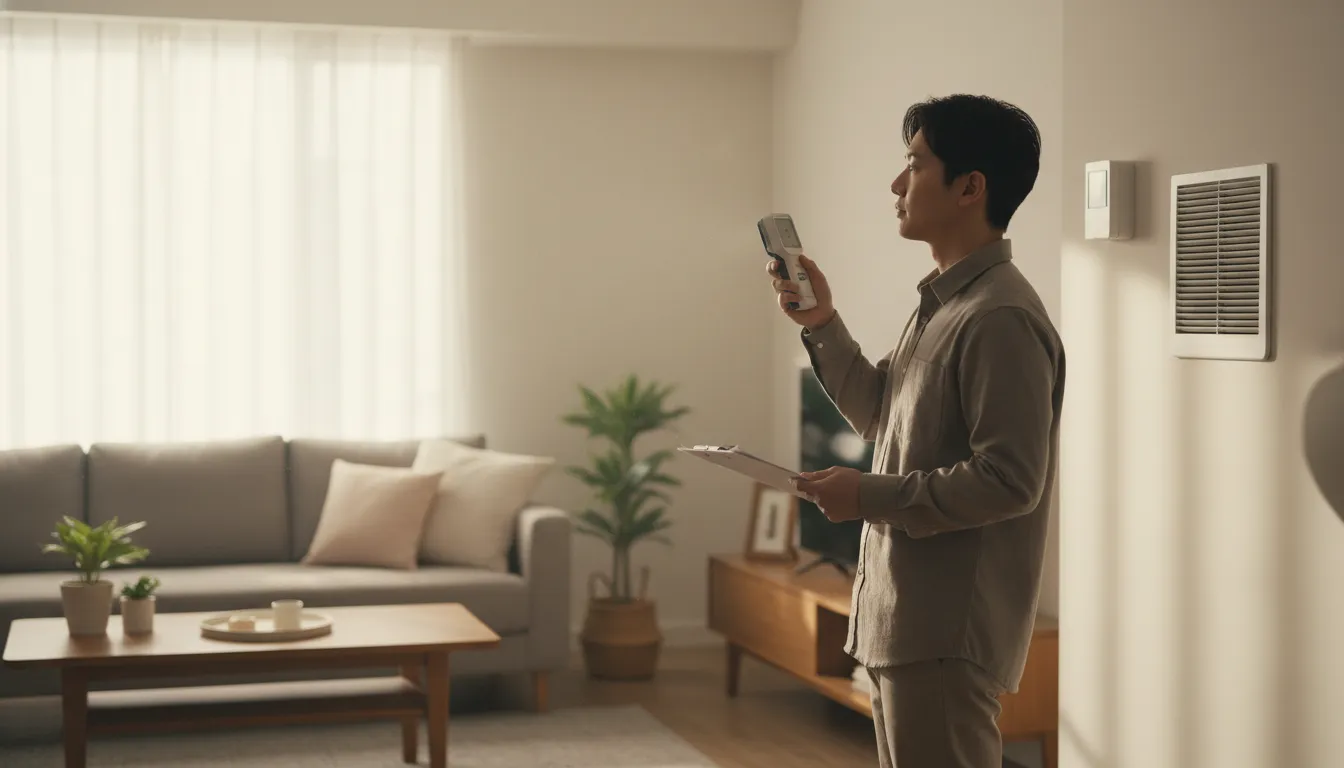
Find the Best Indoor Air Quality Service Providers for Your Business
No obligation • Fast responses • Nationwide coverage

Why you can trust HVAC Firms
HVAC Firms is a leading United States resource for evaluating HVAC service providers. Our team researches companies, checks credentials, and reviews customer feedback to present clear, unbiased information. Listings and rankings are based on merit, and companies cannot pay to change our editorial content.
Search providers near you
Top Indoor Air Quality Service Providers in Chesterfield, Missouri Ranked
The air you breathe inside your Chesterfield home or office has a direct impact on your health, comfort, and productivity. Indoor air quality (IAQ) refers to the condition of the air within and around buildings, particularly as it relates to the health and well-being of occupants. In Chesterfield, energy-efficient construction and the region's humid climate can trap pollutants, making indoor air two to five times more contaminated than outdoor air. Understanding and managing your indoor environment is crucial for reducing allergy symptoms, preventing long-term health issues, and creating a more comfortable living space. This guide will help you identify common local air quality concerns, explore testing and improvement options, and connect with professionals who can provide tailored solutions for your specific needs.
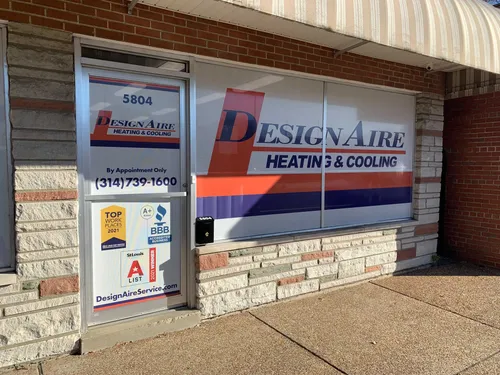
Design Aire Heating & Cooling - St. Louis
5804 Hampton Ave, St. Louis, MO 63109
Design Aire Heating & Cooling - St. Louis provides a full range of HVAC services in St. Louis, MO, including installation, maintenance, and repair of air conditioners, furnaces, boilers, and heat pumps. They also offer indoor air quality improvements such as air duct cleaning and advanced air purifiers. The company specializes in commercial and residential HVAC solutions, using the latest technologies to ensure systems run efficiently and safely. Established in 1904, Design Aire has a long history of serving the St. Louis area with a focus on quality and customer satisfaction.

Indoor Comfort Team
3640 Scarlet Oak Blvd, Kirkwood, MO 63122
Indoor Comfort Team is a family-owned HVAC company serving St Louis, MO, and nearby areas since 1979. They provide a wide range of services including air conditioning repair, furnace and heat pump installation and repair, mini split and geothermal heat pump systems, as well as indoor air quality solutions. Their NATE-certified technicians work with leading manufacturers to deliver heating and cooling services tailored to residential and commercial needs. Indoor Comfort Team offers specialized capabilities such as ground-source geothermal heat pump installations and maintains a commitment to customer satisfaction with workmanship guarantees.
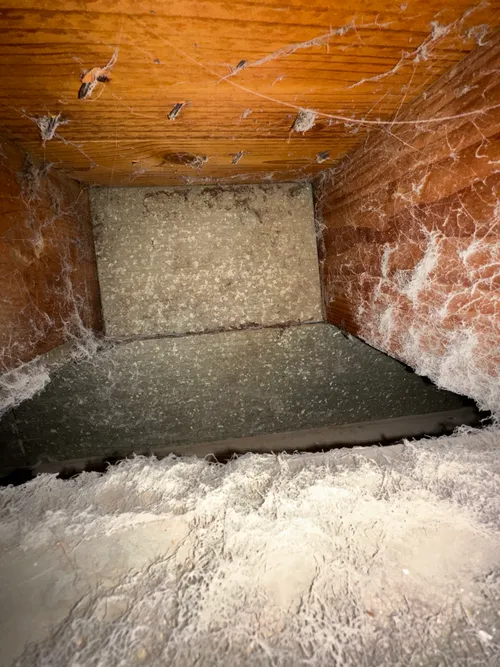
1St Global Air Duct Cleaning
2916 Ohio Ave, St. Louis, MO 63118
1St Global Air Duct Cleaning provides professional air duct and dryer vent cleaning services in St Louis, MO. The company focuses on improving indoor air quality by removing dust, allergens, and debris from HVAC systems in homes and businesses. Their trained technicians use specialized tools and techniques to enhance airflow and reduce allergy triggers, contributing to safer and more efficient HVAC operation. They serve St Louis and surrounding areas including Chesterfield, Wildwood, and Creve Coeur. The business operates 24/7, offering flexible scheduling to meet customer needs.
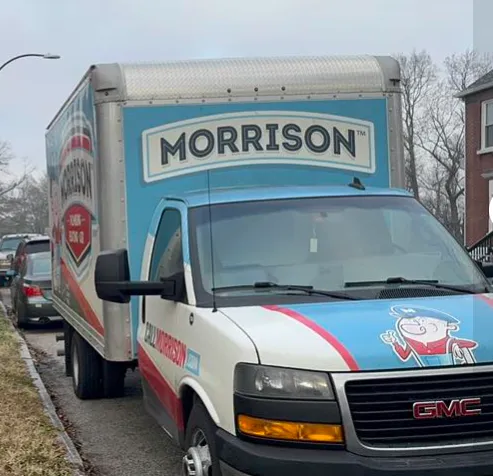
Morrison Plumbing, Heating, Air, & Electrical Services
8124B Bunkum Rd, Caseyville, IL 62232
Morrison Plumbing, Heating, Air, & Electrical Services provides indoor air quality services in St Louis, MO. They serve a wide area including Belleville, Caseyville, Collinsville, and other nearby communities. The company offers solutions to improve air quality and supports customers with financing options. Morrison Plumbing, Heating, Air, & Electrical Services covers multiple locations in the region to address indoor air concerns.
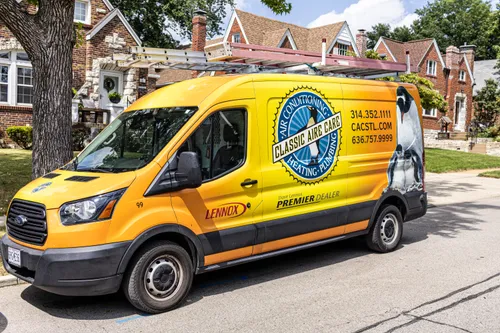
Classic Aire Care
1276 N Warson Rd, St. Louis, MO 63132
Classic Aire Care is an established HVAC and plumbing company serving St Louis, MO, and the surrounding areas. With a history dating back to 1926, they provide a wide range of services including installation, repair, and maintenance of air conditioners, furnaces, heat pumps, boilers, and geothermal systems. They also offer indoor air quality solutions such as air purifiers and humidifiers, along with expert plumbing services. Classic Aire Care is equipped to handle 24/7 emergency heating and cooling repairs, ensuring reliable service year-round.
Why Indoor Air Quality Matters in Chesterfield
For Chesterfield residents, paying attention to the air inside is not a luxury-it's a necessity for maintaining a healthy home. Modern, tightly sealed homes are excellent for energy efficiency but can significantly reduce air exchange, allowing pollutants to accumulate to dangerous levels. When combined with Missouri's characteristic humidity, this creates an ideal environment for mold growth and the persistence of other irritants. Poor IAQ can trigger immediate effects like headaches, dizziness, fatigue, and irritation of the eyes, nose, and throat. For those with asthma or allergies, it can exacerbate symptoms dramatically 1. Long-term exposure to certain indoor pollutants, such as radon or volatile organic compounds, is linked to more serious respiratory diseases and other health conditions. Investing in your indoor environment is an investment in your family's long-term wellness.
Common Indoor Air Pollutants in Chesterfield Homes
The first step toward cleaner air is understanding what you might be up against. Chesterfield's specific climate and housing stock contribute to a distinct set of common indoor air pollutants.
Mold and Excess Humidity
Missouri's humid climate is the primary driver for mold issues in Chesterfield. Basements, crawlspaces, and even HVAC systems can develop condensation, leading to mold growth that releases spores into your air. This often presents as a persistent musty odor and can cause significant respiratory irritation and allergic reactions 2.
Radon Gas
Radon is a naturally occurring, radioactive gas that seeps into homes from the soil. It is the second leading cause of lung cancer and is a major concern in our region. Because it is odorless and colorless, testing is the only way to know if your home has elevated, dangerous levels.
Volatile Organic Compounds (VOCs)
These are gases emitted from a wide array of household products, including paints, varnishes, cleaning supplies, air fresheners, and even new furniture or carpets. In energy-efficient, sealed homes, these chemicals have nowhere to go, leading to elevated indoor concentrations that can cause headaches, nausea, and damage to the liver, kidney, or central nervous system 3.
Particulate Matter and Allergens
This category includes dust, dust mites, pet dander, pollen, and other tiny particles suspended in the air. These are classic triggers for allergies and asthma and can be stirred up by daily activity, pets, or entering the home from outside.
Combustion Pollutants
Sources like gas stoves, fireplaces, wood stoves, and furnaces can release harmful gases like carbon monoxide (CO) and nitrogen dioxide if they are not properly vented, maintained, or are malfunctioning. These pollutants are particularly dangerous because they can be acutely toxic 4.
Asbestos and Lead Dust
In homes or commercial buildings built before the 2000s, there is a potential risk of disturbing asbestos-containing materials or lead-based paint during renovations. If these materials are damaged, they can release hazardous fibers or dust into the air 5.
How to Test Your Indoor Air Quality
If you suspect an issue or simply want peace of mind, testing your indoor air is a logical next step. You have options ranging from DIY kits to comprehensive professional assessments.
Professional IAQ Assessment
Hiring a local professional is the most thorough approach for complex or persistent air quality concerns. Companies like Scott-Lee Heating and MSE Environmental offer on-site inspections that can include a visual assessment for mold and moisture, as well as air sampling for specific pollutants 6 7. A professional can:
- Conduct radon testing with specialized, accurate devices.
- Perform mold sampling to identify the types and concentrations of spores in your air.
- Use tools like photoionization detectors to measure levels of VOCs 8.
- Provide a detailed report and recommend a targeted action plan.
The cost for a basic professional IAQ test in Chesterfield typically ranges from $285 to $563, with an average around $437 9. Specialized testing for a single pollutant like radon or mold can range from $150 to $1,000 10.
Do-It-Yourself Testing
For initial screening or specific concerns, DIY test kits are available. You can find kits for radon, mold, or VOCs at hardware stores or online, typically costing between $15 and $150 11. While convenient and less expensive, these kits may be less accurate than professional equipment and usually require you to send samples to a lab for analysis. They are best for identifying the presence of a known issue rather than diagnosing complex, multi-pollutant problems.
Visual and Sensory Inspection
You can start your investigation for free by using your senses. Look for signs of water damage, condensation on windows, or visible mold growth. Pay attention to persistent musty or chemical odors. Monitor if allergy symptoms improve when you leave the house and worsen upon returning. These clues can tell you a lot about potential IAQ issues 12.
Find the perfect indoor air quality service providers for your needs
Get personalized recommendations and expert advice
Solutions for Improving Your Indoor Air
Once you've identified the pollutants affecting your home, a range of solutions are available, from simple behavioral changes to whole-home system upgrades.
Source Control
The most effective way to improve air quality is to eliminate individual sources of pollution or reduce their emissions.
- Reduce VOCs: Choose low-VOC or VOC-free paints, cleaners, and building materials. Increase ventilation dramatically when using any products that emit fumes. Minimize the use of aerosol sprays, scented candles, and plug-in air fresheners 13.
- Manage Humidity: Use exhaust fans in bathrooms and kitchens, fix plumbing leaks promptly, and ensure your clothes dryer is vented to the outside. In basements, a portable dehumidifier can make a big difference.
Ventilation Improvements
Increasing the amount of outdoor air coming indoors dilutes and removes indoor pollutants.
- Natural Ventilation: Open windows and doors when weather and outdoor air quality permit 14.
- Mechanical Ventilation: For tighter homes, systems like Energy Recovery Ventilators (ERVs) or Heat Recovery Ventilators (HRVs) are excellent investments. They bring in fresh outdoor air while recovering energy from the exhausted indoor air, improving IAQ without sacrificing energy efficiency.
Air Cleaning and Filtration
Air cleaners and filters can remove particles and some gases from circulating air.
- Upgrade HVAC Filters: The simplest upgrade is to use a higher-efficiency filter in your central HVAC system, such as a MERV 13 rating, which can capture finer particles like mold spores and some bacteria 15 16. Remember to change filters regularly.
- Portable Air Purifiers: These are effective for cleaning the air in a single room or specific area. Look for units with HEPA filters for particulate matter and activated carbon filters for odors and some gases.
- Whole-Home Air Purifiers: Installed directly into your HVAC ductwork, these systems clean the air throughout your entire house as it circulates.
- UV Germicidal Lights: Installed inside your HVAC system, UV-C lights can help control microbial growth like mold and bacteria on cooling coils and other surfaces, with installation typically costing between $400 and $800.
Humidity Control Systems
For whole-home humidity control, especially in humid Chesterfield summers, a dedicated dehumidifier system integrated with your HVAC can be installed. These systems actively remove moisture from the air throughout the house, helping to maintain the ideal 30-50% relative humidity range that inhibits mold and dust mites, with costs generally ranging from $1,000 to $3,000+.
Duct Cleaning and HVAC Maintenance
Over time, dust, debris, and even mold can accumulate in your home's air duct system. Having your ducts professionally cleaned (typically $300 to $700+) can remove these reservoirs of pollutants 17. Most importantly, schedule annual maintenance for your HVAC system. A technician can clean the evaporator and condenser coils, check for refrigerant leaks, and ensure the system is operating efficiently and not contributing to indoor pollution 18.
Frequently asked questions
Sources
Footnotes
-
Indoor Air Quality - Saint Louis University - https://www.slu.edu/facilities/-pdf/indoor-air-quality.pdf ↩
-
Mold | Indoor Air | Health & Senior Services - https://health.mo.gov/living/environment/indoorair/mold.php ↩
-
Indoor Air Pollution: What Missouri Homeowners Should Know - https://cleanaircolumbia.com/indoor-air-pollution/ ↩
-
Indoor Air Quality | US EPA - https://www.epa.gov/air-quality/indoor-air-quality ↩
-
Asbestos Removal Chesterfield | WestCross Environmental - https://westcross-es.co.uk/asbestos-removal-chesterfield/ ↩
-
Indoor Air Quality Chesterfield MO | IAQ Services | Scott-Lee - https://scottleeheating.com/indoor-air-quality-chesterfield-mo/ ↩
-
Expert Indoor Air Quality Testing With MSE Environmental - https://msenational.com/indoor-air-quality ↩
-
Indoor Air Quality & Odor Testing Services - Clean Air Sciences - https://www.cleanairsciences.com/services/indoor-air-quality-testing-consultation/ ↩
-
How Much Is an IAQ Test for a Home? - Scott-Lee Heating - https://scottleeheating.com/how-much-is-an-iaq-test-for-a-home/ ↩
-
How Much Does Indoor Air Quality Testing Cost? [2025 Data] - https://www.homeadvisor.com/cost/environmental-safety/test-indoor-air-quality/ ↩
-
How Much Does Indoor Air Quality Testing Cost? [2026 Data] | Angi - https://www.angi.com/articles/how-much-does-indoor-air-quality-testing-cost.htm ↩
-
Air Quality Testing St. Louis MO | Al-Don Heating + Cooling - https://www.al-don.com/air-quality-testing ↩
-
Improving Indoor Air Quality to Improve Health - St. Louis County - https://stlouiscountymo.gov/st-louis-county-departments/public-health/covid-19/advisories-safety-recommendations/improving-indoor-air-quality/ ↩
-
Let the Air in: Low-cost ways to improve your indoor air quality - https://www.lung.org/blog/indoor-air-quality-improvements ↩
-
Improving Indoor Air Quality | AAFA.org - https://aafa.org/asthma/asthma-triggers-causes/air-pollution-smog-asthma/indoor-air-quality/ ↩
-
How to Interpret IAQ Monitor Readings and Take Action | EHA - https://ehasolutions.com/how-to-interpret-iaq-monitor-readings-and-take-action/ ↩
-
Best Indoor Air Quality Service In Greater Philadelphia, PA - https://philadelphia.sila.com/hvac-services/indoor-air-quality-assessment/ ↩
-
Indoor Air Quality | Chesterfield Service - https://www.chesterfieldservice.com/indoor-air-quality/ ↩