Find the Best Indoor Air Quality Service Providers for Your Business
No obligation • Fast responses • Nationwide coverage

Why you can trust HVAC Firms
HVAC Firms is a leading United States resource for evaluating HVAC service providers. Our team researches companies, checks credentials, and reviews customer feedback to present clear, unbiased information. Listings and rankings are based on merit, and companies cannot pay to change our editorial content.
Search providers near you
Top Indoor Air Quality Service Providers in Ypsilanti, Michigan Ranked
The air you breathe inside your Ypsilanti home or office has a direct impact on your health, comfort, and productivity. Indoor air quality (IAQ) refers to the condition of the air within and around buildings, particularly as it relates to the health and well-being of occupants. In our region, a unique mix of older housing stock, seasonal humidity, and local environmental factors can lead to specific air quality challenges. Understanding these concerns and knowing how to address them is crucial for creating a safer indoor environment. This resource connects you with local expertise and practical strategies for testing, monitoring, and improving the air in your Ypsilanti space.
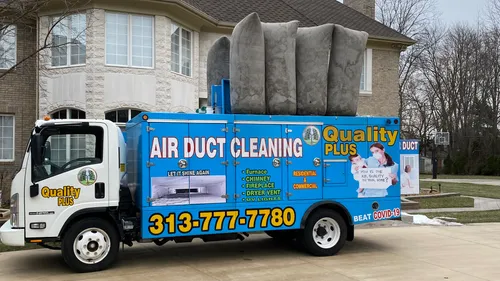
Quality Plus Air Duct Cleaning
5640 Schaefer Rd Unit 2, Dearborn, MI 48126
Quality Plus Air Duct Cleaning is a family-owned business serving Detroit, MI, with over 10 years of experience in air duct cleaning and indoor air quality services. They provide commercial and residential deep cleaning services, including chimney and dryer vent cleaning, using eco-friendly and organic products. Their process involves thorough inspection and cleaning with advanced equipment to improve HVAC performance and air quality. The company operates seven days a week and offers emergency air duct cleaning when needed.
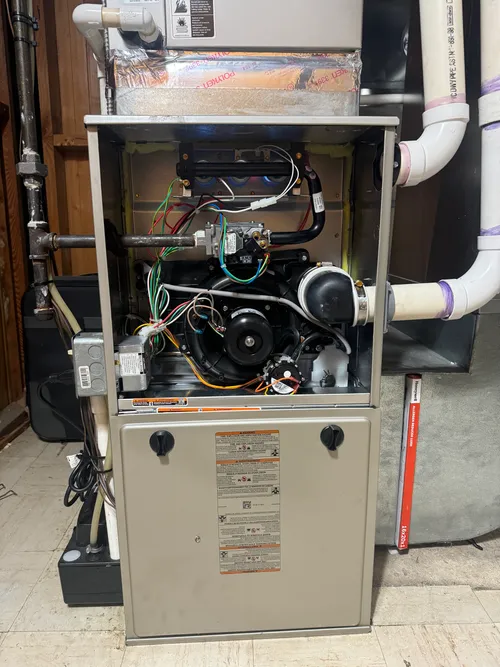
Downriver Climate Control, LLC
3336 Charles St, Trenton, MI 48183
Downriver Climate Control, LLC provides heating, ventilation, and air conditioning services in Detroit, MI. They offer installation, repair, and maintenance for air conditioners, furnaces, heat pumps, and boilers. The company also focuses on improving indoor air quality. Their experienced team serves residential and commercial customers with personalized HVAC solutions.
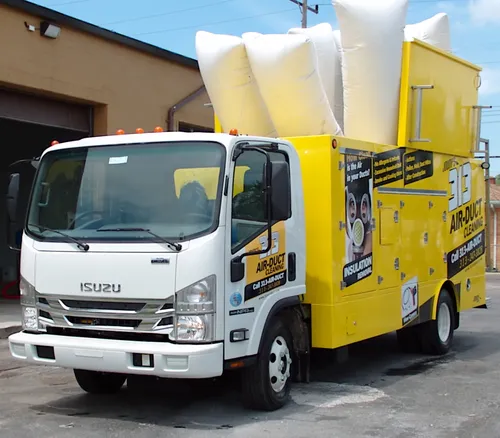
313 Air Duct
Detroit, MI
313 Air Duct provides professional air duct cleaning services in Detroit, MI, focusing on improving indoor air quality for homes and businesses. The company removes dust, allergens, and pollutants from air ducts to create a cleaner environment. Known for transparency and fair pricing, 313 Air Duct emphasizes customer education and quality workmanship. Their reputation includes recognition by the Better Business Bureau and Angi as a Super Service Provider. They also offer guidance on financing options to support energy efficiency improvements.
Quality Air Control Heating & Cooling
18421 Valleyview St, Riverview, MI 48193
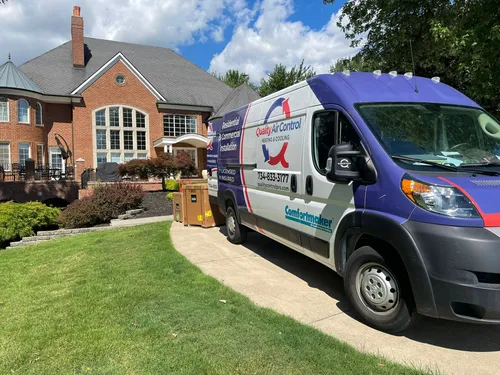
Quality Air Control Heating & Cooling is an HVAC company based in Detroit, MI, serving Downriver, Wayne County, and nearby areas. They offer a full range of heating and cooling services including AC repair and installation, furnace repair and installation, heat pump repair, mini split installation, duct cleaning, and indoor air quality solutions. With over 20 years of experience, the company handles both residential and commercial projects and is licensed, insured, and EPA certified.
Everclean Air
Detroit, MI
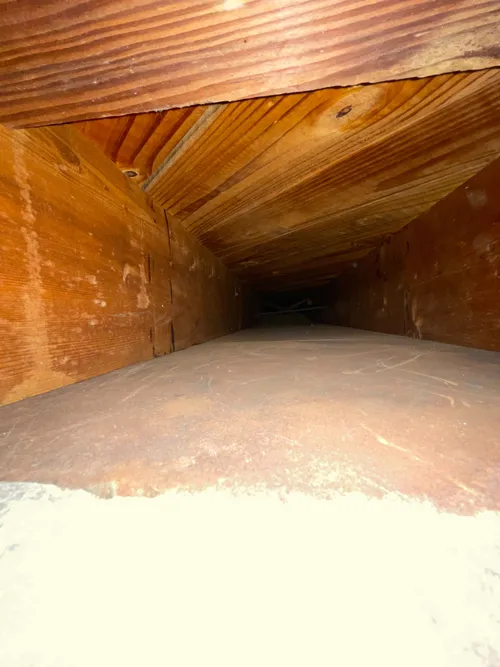
Everclean Air is a duct cleaning company based in Detroit, MI, specializing in commercial and residential air duct and dryer vent cleaning. They focus on improving indoor air quality, enhancing HVAC efficiency, and reducing fire hazards through thorough cleaning techniques. Their services include advanced air duct cleaning with optional fog sanitizing and dryer vent cleaning using rotating brushes to clear clogs and restore airflow. Everclean Air offers 24/7 emergency service and is licensed and insured, providing reliable solutions tailored to each customer's needs.
Understanding Ypsilanti's Indoor Air Profile
The indoor air in Ypsilanti and greater Washtenaw County is influenced by both the built environment and the Great Lakes climate. Many homes and commercial buildings, especially those with historical character, were constructed before modern building science fully understood moisture management and ventilation needs. This can create a perfect storm for air quality issues. Common regional environmental factors combine with everyday household activities to introduce a variety of pollutants 1.
High humidity levels, particularly in summer, can lead to persistent dampness in basements and crawl spaces. During colder months, buildings are sealed tight to conserve energy, which can trap pollutants inside if ventilation is inadequate. Furthermore, Southeast Michigan homes have been shown to have prevalent use of certain household products that release chemicals into the air. Recognizing this local profile is the first step toward targeted and effective air quality management.
Common Local Air Contaminants and Their Sources
Being aware of the most frequent offenders in our area helps you know what to look for and test.
- Radon: This colorless, odorless radioactive gas is a significant health concern in Washtenaw County. It seeps from the ground into buildings through cracks in foundations and can accumulate to dangerous levels. Radon is the second leading cause of lung cancer and requires specific, active monitoring.
- Mold and Mildew: These biological contaminants thrive in damp, humid conditions. Leaky basements, poor bathroom ventilation, and past water damage in Ypsilanti's older homes create ideal breeding grounds. Inhaling mold spores can trigger allergies, asthma attacks, and other respiratory issues.
- Volatile Organic Compounds (VOCs): These are gases emitted from a wide array of everyday products. In Southeast Michigan homes, common sources include aerosol sprays, air fresheners, harsh cleaning chemicals, paints, varnishes, and even deodorizers or pest repellents containing p-Dichlorobenzene 2. These chemicals can cause short-term irritation and may have long-term health effects.
- Particulate Matter (PM2.5): This includes fine dust, pollen, pet dander, and smoke particles small enough to be inhaled deep into the lungs. It can originate indoors from activities like cooking and dusting, or infiltrate from outdoors 3.
- Asbestos and Lead Dust: Found in many buildings constructed before the 1980s, these hazardous materials are typically safe if undisturbed. However, during renovations, repairs, or if materials deteriorate, fibers or dust can become airborne and pose serious health risks.
- Combustion Pollutants: These include carbon monoxide (CO) and nitrogen dioxide from malfunctioning or poorly vented fuel-burning appliances like furnaces, water heaters, fireplaces, and stoves 4.
How to Test and Monitor Your Indoor Air
You can't manage what you don't measure. Assessing your air quality involves a combination of professional expertise and ongoing personal monitoring.
Professional Indoor Air Quality Inspections: For a comprehensive assessment, especially if you suspect a specific issue like mold or asbestos, hiring a local professional is recommended. Firms in the area offer testing services that can identify and quantify pollutants like mold spores, VOCs, asbestos fibers, and allergens 5. A professional inspection is particularly valuable before a major real estate transaction or if occupants are experiencing unexplained health symptoms.
Specialized Radon Testing: Given the local prevalence, radon testing should be conducted by specialists using approved devices. Testing is straightforward and is the only way to know if your home has elevated levels 6.
DIY Air Quality Monitors: For ongoing awareness, smart air quality monitors are an excellent tool. Devices from companies like Alen or Airthings can provide real-time data on key metrics such as PM2.5 levels, humidity, VOC concentrations, and even radon (in some models) 7. This allows you to see the impact of activities like cleaning or cooking and track improvements over time.
Commercial and Building-Wide Assessments: For offices, schools, or multi-family buildings in Ypsilanti, comprehensive IAQ studies can identify issues like inadequate fresh air exchange, elevated carbon dioxide levels from occupant density, or widespread moisture problems 8 9.
Find the perfect indoor air quality service providers for your needs
Get personalized recommendations and expert advice
Strategies for Improving Your Home's Air
Improving indoor air is a multi-faceted approach often described as a three-step strategy: source control, ventilation, and cleaning.
1. Source Control: The most effective way to improve air quality is to prevent pollutants from entering the air in the first place.
- Reduce Chemical Use: Opt for fragrance-free or naturally-scented cleaning products, and limit the use of aerosol sprays, plug-in air fresheners, and scented candles 10.
- Manage Moisture: Promptly repair leaks in roofs, windows, and pipes. Use dehumidifiers in damp basements to keep humidity levels between 30-50% to inhibit mold growth 11.
- Handle Hazards Carefully: If your home contains asbestos or lead-based paint, consult with abatement professionals before disturbing these materials during any renovation project.
2. Enhance Ventilation: Diluting stale indoor air with fresh outdoor air is crucial.
- Natural Ventilation: When weather and outdoor air quality permit, open windows and doors to create cross-ventilation.
- Mechanical Ventilation: Ensure your HVAC system is functioning properly. Clean supply and return vents regularly to avoid blockages. Consider installing energy recovery ventilators (ERVs) or heat recovery ventilators (HRVs) to bring in fresh air without sacrificing energy efficiency 12 13.
- Spot Ventilation: Always use exhaust fans in bathrooms and kitchens to remove moisture and pollutants directly at the source.
3. Air Cleaning: After source control and ventilation, air cleaners can remove remaining airborne particles.
- Upgrade HVAC Filters: Use a high-efficiency filter (rated MERV 13 or higher if your system allows it) in your central forced-air system to capture fine particles as air circulates.
- Use Portable Air Purifiers: For rooms where you spend the most time, such as bedrooms, a portable air cleaner with a true HEPA filter can effectively reduce particulate matter. Some models also include activated carbon to help adsorb certain gases and odors 14.
Investing in Clean Air: Services and Considerations
Addressing air quality concerns often involves an investment in professional services and equipment. Here's a general overview of what you might encounter in the Ypsilanti market:
- Professional IAQ Testing: The cost for a comprehensive indoor air quality test can range widely based on the pollutants screened, but averages locally may fall between $292 and $584 15 16. A targeted inspection for mold or moisture often ranges from $295 to $1,000.
- Radon Mitigation: If testing reveals high radon levels, installing a mitigation system is essential. In this area, typical installation costs can range from $800 to $1,300 17.
- Duct Cleaning: Over time, dust, debris, and even mold can accumulate in your home's ductwork. Having air ducts cleaned by a reputable service is sometimes recommended as part of an overall air quality improvement plan, and local costs are generally considered fair 18.
- Air Purifiers and Filters: The cost for portable air cleaners varies by features and room coverage. Investing in higher-quality HVAC filters is a relatively low-cost maintenance item with potential health benefits.
Frequently asked questions
Sources
Footnotes
-
Air Quality | Washtenaw County, MI - Official Website - https://www.washtenaw.org/3834/Air-Quality ↩
-
Concentrations and Risks of p-Dichlorobenzene in Indoor and ... - https://pmc.ncbi.nlm.nih.gov/articles/PMC3501547/ ↩
-
TOP 10 BEST Indoor Air Quality Testing in Rochester Hills, MI - https://m.yelp.com/search?find_desc=Indoor+Air+Quality+Testing&find_loc=Rochester+Hills%2C+MI ↩
-
Indoor Air Quality Services in Detroit, MI - Andy's Statewide - https://andysstatewide.com/indoor-air-quality ↩
-
Air Quality Testing | Michigan Consulting & Environmental, Inc. - https://www.michenv.com/environmental-testing/air-quality-testing ↩
-
THE BEST 10 ENVIRONMENTAL TESTING in YPSILANTI, MI - Yelp - https://m.yelp.com/search?cflt=environmentaltesting&find_loc=Ypsilanti%2C+MI ↩
-
Alen Air Quality Monitor - https://www.google.com/search?q=product&prds=pvt:hg,productid:4833716064628898133,catalogid:16424513624047989345,gpcid:6207021771193654236,mid:576462714463142544&ibp=oshop ↩
-
Indoor Air Quality - Environment, Health & Safety - https://ehs.umich.edu/living-safely/building-environment-issues/indoor-air-quality/ ↩
-
Indoor air concentrations of carbon dioxide (CO2), nitrogen dioxide (NO2), and ozone (O3) in multiple healthcare facilities | Environmental Geochemistry and Health - https://link.springer.com/article/10.1007/s10653-019-00441-0 ↩
-
Indoor Air Quality Testing for Michigan Homes - https://lakeshoreairtesting.com/indoor-air-quality-testing-for-michigan-homes/ ↩
-
Air Quality Monitoring in Schools: Evaluating the Effects of Ventilation Improvements on Cognitive Performance and Childhood Asthma - https://pmc.ncbi.nlm.nih.gov/articles/PMC12126171/ ↩
-
How to Improve Indoor Air Quality - Strada Services - https://stradaservices.com/about-us/blog/how-to-improve-indoor-air-quality/ ↩
-
Indoor Air Quality Services - Expertise Guaranteed - https://www.arcticairsystems.com/services/air-quality ↩
-
Air Temperature Control - https://www.google.com/viewer/place?mid=/g/1tj4zcms ↩
-
2025 Indoor Air Quality Testing Cost | Get Estimates - Thumbtack - https://www.thumbtack.com/p/indoor-air-quality-testing-cost ↩
-
How Much Does Indoor Air Quality Testing Cost? [2025 Data] - https://www.homeadvisor.com/cost/environmental-safety/test-indoor-air-quality/ ↩
-
Air Quality - Livingston County, MI - https://milivcounty.gov/environmental-health/air-quality/ ↩
-
AIRDUCT CLEAN - https://www.google.com/viewer/place?mid=/g/12hvd0zp8 ↩