Find the Best Indoor Air Quality Service Providers for Your Business
No obligation • Fast responses • Nationwide coverage

Why you can trust HVAC Firms
HVAC Firms is a leading United States resource for evaluating HVAC service providers. Our team researches companies, checks credentials, and reviews customer feedback to present clear, unbiased information. Listings and rankings are based on merit, and companies cannot pay to change our editorial content.
Search providers near you
Best Indoor Air Quality Service Providers in Michigan Ranked
The air inside your Michigan home can have a significant impact on your health, comfort, and energy bills. Indoor air quality (IAQ) refers to the condition of the air within your living spaces, influenced by pollutants like radon, mold, volatile organic compounds (VOCs), and allergens. In Michigan, managing IAQ is especially critical due to our long, cold winters, which encourage tightly sealed homes that can trap contaminants. This guide explains the common air quality challenges in the state, the standards that protect residents, and the practical solutions available from local professionals to help you breathe easier.
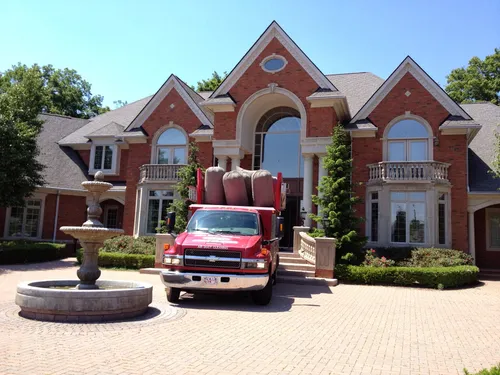
USA Pro-Vac
1700 Barrett St, Troy, MI 48084
USA Pro-Vac is an air duct cleaning and HVAC repair company based near Detroit, MI. They provide air duct cleaning, furnace repair, and indoor air quality services for both residential and commercial customers. The company is certified by multiple industry organizations including NADCA and NATE, and has been in business for over 20 years. USA Pro-Vac serves a broad area around Detroit, including Troy, Oakland, Macomb, Wayne, and several other Michigan counties and cities.
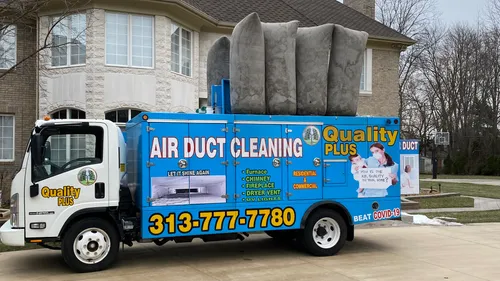
Quality Plus Air Duct Cleaning
5640 Schaefer Rd Unit 2, Dearborn, MI 48126
Quality Plus Air Duct Cleaning is a family-owned business serving Detroit, MI, with over 10 years of experience in air duct cleaning and indoor air quality services. They provide commercial and residential deep cleaning services, including chimney and dryer vent cleaning, using eco-friendly and organic products. Their process involves thorough inspection and cleaning with advanced equipment to improve HVAC performance and air quality. The company operates seven days a week and offers emergency air duct cleaning when needed.
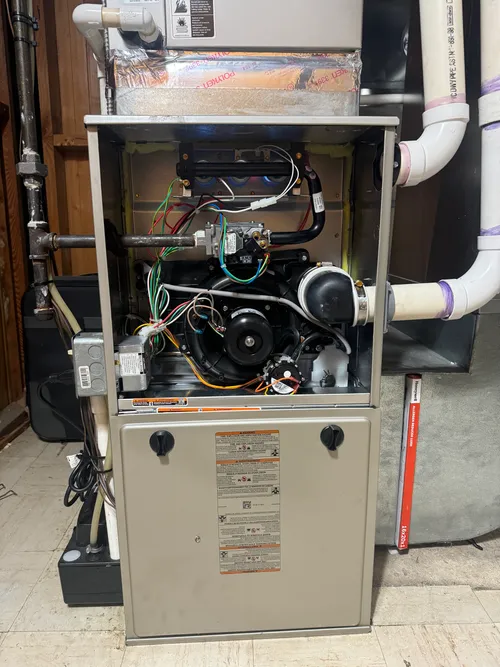
Downriver Climate Control, LLC
3336 Charles St, Trenton, MI 48183
Downriver Climate Control, LLC provides heating, ventilation, and air conditioning services in Detroit, MI. They offer installation, repair, and maintenance for air conditioners, furnaces, heat pumps, and boilers. The company also focuses on improving indoor air quality. Their experienced team serves residential and commercial customers with personalized HVAC solutions.
HomeClear
1500 N Stephenson Hwy, Royal Oak, MI 48067
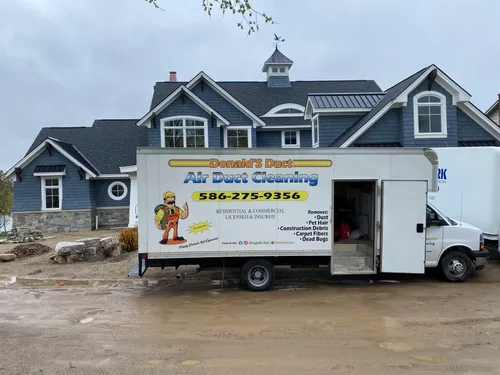
HomeClear is a duct cleaning company based in Detroit, MI, specializing in improving indoor air quality through professional air duct and dryer vent cleaning. Serving the Detroit area, HomeClear focuses on removing allergens and enhancing home safety and efficiency. The company has been committed to these services since its founding and offers clear pricing and transparent service.
313 Air Duct
Detroit, MI
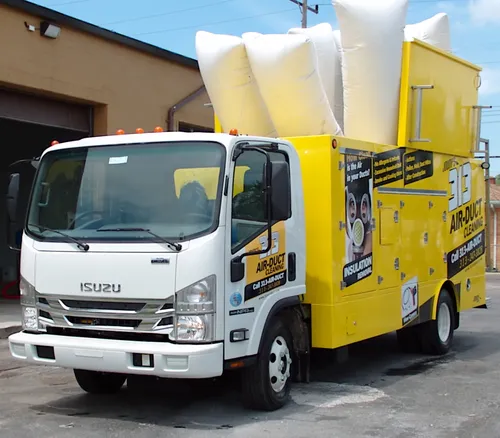
313 Air Duct provides professional air duct cleaning services in Detroit, MI, focusing on improving indoor air quality for homes and businesses. The company removes dust, allergens, and pollutants from air ducts to create a cleaner environment. Known for transparency and fair pricing, 313 Air Duct emphasizes customer education and quality workmanship. Their reputation includes recognition by the Better Business Bureau and Angi as a Super Service Provider. They also offer guidance on financing options to support energy efficiency improvements.
Why Michigan Homes Face Unique Air Quality Challenges
Michigan's climate and geology create a perfect storm for indoor air pollution. During the long heating season, windows stay shut for months, drastically reducing natural ventilation. Modern, energy-efficient homes are built to be airtight, which is great for conserving heat but problematic for allowing fresh air to circulate and dilute indoor pollutants 1. Without deliberate ventilation systems, contaminants from everyday living-cooking fumes, cleaning products, moisture from showers, and even our own breath-accumulate to potentially unhealthy levels.
Furthermore, Michigan's soil composition leads to a high prevalence of radon gas in many regions. This colorless, odorless radioactive gas can seep into basements and living areas, posing a serious long-term health risk. Combined with seasonal humidity that can encourage mold growth, these factors make proactive IAQ management not just a comfort issue, but a health priority for Michigan homeowners.
Common Indoor Air Pollutants in Michigan
Understanding what you're up against is the first step toward a solution. The primary contaminants affecting Michigan homes include:
- Radon: A naturally occurring radioactive gas from soil and rock, radon is the leading cause of lung cancer among non-smokers 2. Testing is the only way to know if your home has elevated levels.
- Mold and Mildew: Caused by excess moisture from leaks, flooding, or high humidity, mold can trigger allergies, asthma attacks, and other respiratory issues 3.
- Volatile Organic Compounds (VOCs): These are gases emitted from a wide array of household products, including paints, varnishes, cleaning supplies, adhesives, and even new furniture and building materials 4.
- Combustion Gases: Carbon monoxide (CO) from malfunctioning or poorly vented fuel-burning appliances like furnaces, water heaters, and stoves is an immediate, life-threatening danger.
- Particulates and Allergens: This category includes dust mites, pet dander, pollen, and other fine particles that can circulate through your forced-air heating and cooling system, aggravating allergies and asthma 5.
Michigan's Ventilation and IAQ Standards
To combat these issues, Michigan has adopted building codes and standards designed to ensure healthier indoor environments.
Residential Building Codes: The Michigan Residential Code requires new homes and major renovations to include mechanical ventilation systems. While opening windows (natural ventilation) is still allowed, it is considered supplemental to engineered systems that provide consistent, controlled air exchange. The state generally follows the ASHRAE 62.2 standard, which sets minimum ventilation rates 6.
Key requirements include:
- Whole-House Ventilation: Systems must provide continuous or calculated intermittent outdoor air exchange to dilute pollutants throughout the entire home 7.
- Local Exhaust: Kitchens and bathrooms must have exhaust fans that discharge directly to the outdoors, not into attics or crawl spaces, to remove moisture and odors at the source.
- Radon Mitigation: Michigan has a state-specific Indoor Radon Program, and building codes in high-risk areas may require radon-resistant construction features.
Workplace Standards: For commercial settings, including offices and salons, the Michigan Occupational Safety and Health Administration (MIOSHA) provides guidelines and enforces rules regarding ventilation and exposure to airborne contaminants 8 9.
How to Assess Your Home's Air Quality
You can't fix what you don't measure. Professional assessment is the most reliable way to identify specific problems.
- General IAQ Assessment: A broad evaluation of multiple factors, costing approximately $69 to $450.
- Comprehensive Energy Audit: Often includes a blower door test to measure home airtightness and pinpoint leakage, averaging around $35010.
- Specific Pollutant Testing: Targeted tests for mold, radon, or VOCs typically range from $150 to $1,000, with an average of $300-$400. A basic radon test averages $99, while mold sampling (2 samples) is about $229 11.
Find the perfect indoor air quality service providers for your needs
Get personalized recommendations and expert advice
Solutions and Improvement Strategies
Once an assessment identifies issues, a range of solutions can be implemented. Costs vary based on home size, system complexity, and your location within Michigan, with metropolitan areas like Detroit often seeing higher service rates 12.
1. Source Control
The most effective strategy is to eliminate or reduce pollutants at their source. This includes using low-VOC paints, ensuring proper venting of gas appliances, fixing water leaks promptly, and maintaining a clean home to reduce dust and dander.
2. Ventilation Improvements
Bringing in fresh outdoor air is essential.
- Exhaust-Only Systems: Simple fans (like bathroom fans) that push stale air out, relying on cracks in the building envelope for makeup air.
- Balanced Systems (HRV/ERV): Highly recommended for energy efficiency. Heat Recovery Ventilators (HRVs) and Energy Recovery Ventilators (ERVs) exhaust stale air and bring in fresh air while transferring heat (and in ERVs, moisture) between the two streams, minimizing energy loss 13. Installation for a whole-house HRV/ERV system typically ranges from $1,000 to $3,000+13.
3. Air Cleaning and Filtration
These devices remove particles and gases from circulating air.
- Advanced HVAC Filters: Upgrading from a basic fiberglass filter to a high-MERV-rated pleated filter can capture more dust and allergens.
- HEPA Filtration Systems: These bypass or standalone units are extremely effective at removing fine particulates, with installation costs between $500 and $1,500+.
- UV Germicidal Lights: Installed in the ductwork, these lights use ultraviolet radiation to kill mold, bacteria, and viruses on HVAC coils and in the airstream. Installation costs approximately $300 to $80014.
4. Humidity Control
Maintaining indoor relative humidity between 30% and 50% is crucial for comfort, preventing mold growth, and reducing the survival rate of some viruses and dust mites 15.
- Whole-Home Humidifiers: Added to your furnace to add moisture to dry winter air.
- Whole-Home Dehumidifiers: Ideal for damp basements or during humid Michigan summers. Installed systems for either can cost $500 to $2,500+16.
5. Specialized Mitigation
- Radon Mitigation: If testing reveals high levels, a sub-slab depressurization system is the standard fix, actively venting radon gas from beneath your home to the outside. Installation typically costs $800 to $1,300+17.
- Duct Cleaning: While not a daily necessity, cleaning heavily contaminated ductwork can remove built-up dust, debris, and mold, improving system efficiency and air quality.
Finding the Right Professional Help
Selecting a qualified provider is key. Look for companies with specific experience in indoor environmental quality. They should be able to explain Michigan's relevant codes (like the whole-house ventilation requirements ), offer comprehensive testing, and provide clear proposals for mitigation. Check for proper licensing, insurance, and references. The Michigan Department of Environment, Great Lakes, and Energy (EGLE) and local health departments are also valuable resources for information and guidance on issues like radon and mold 18 19.
Frequently asked questions
Sources
Footnotes
-
Why Indoor Air Quality Matters More in Michigan Winters - https://www.thirdcoastheating.com/blog/why-indoor-air-quality-matters-more-in-michigan-winters ↩
-
Radon in Michigan - Peak Environment - https://www.peakenvironment.com/blog/radon-in-michigan ↩
-
Healthy homes - Macomb County - https://www.macombgov.org/departments/health-department/environmental-health-services/healthy-homes ↩
-
Indoor Air Quality May Be Hazardous To Your Health - Part Two - https://www.canr.msu.edu/news/indoor_air_quality_may_be_hazardous_to_your_health_part_two ↩
-
Indoor Air Quality Services Michigan | Cregger - https://www.creggerplumbing.com/indoor-air-quality/ ↩
-
How much ventilation do I need in my home to improve indoor air quality? - https://www.epa.gov/indoor-air-quality-iaq/how-much-ventilation-do-i-need-my-home-improve-indoor-air-quality ↩
-
Whole-House Ventilation - https://www.michigan.gov/egle/-/media/Project/Websites/egle/Documents/Programs/MMD/Energy/MEO-Compliance-Aid-Residential-Whole-House-Ventilation-202211.pdf?rev=e1a2a48258e9493b88217f76d359d674&hash=5FD981D1F910E1AE4F1183EC5F2DB025 ↩
-
MIOSHA's Recommendation for Indoor Air Quality - https://www.michigan.gov/leo/bureaus-agencies/miosha/enforcement-and-appeals/how-to-file-a-complaint-with-miosha/indoor-air-quality ↩
-
Nail Salon Ventilation Requirements in Michigan - https://healthyair.com/pages/nail-salon-ventilation-requirements-in-michigan ↩
-
Energy Audit Pricing Information - AEE - http://www.aee-inc.com/pricing.php ↩
-
Indoor Air Quality Service | Levine & Sons Plumbing, Heating ... - https://www.levineandsons.com/hvac-services/indoor-air-quality-assessment/ ↩
-
Main stages of indoor air quality services testing, remediation & maintenance? - Thermacon Service Company, Inc. - https://thermaconservice.com/indoor-air-quality-testing-remediation-maintenance/ ↩
-
Whole-House Ventilation - https://www.michigan.gov/egle/-/media/Project/Websites/egle/Documents/Programs/MMD/Energy/MEO-Compliance-Aid-Residential-Whole-House-Ventilation-202211.pdf?rev=e1a2a48258e9493b88217f76d359d674&hash=5FD981D1F910E1AE4F1183EC5F2DB025 ↩ ↩2
-
How Much Is UV Light Installation Nowadays - https://hvac.filterbuy.com/resources/air-quality/how-much-is-uv-light-installation-nowadays/ ↩
-
Improving indoor air quality - MSU Extension - https://www.canr.msu.edu/news/improving_indoor_air_quality ↩
-
Indoor Air Quality Services Port Huron MI - https://www.vhpinc.com/indoor-air-quality ↩
-
How Much Does Indoor Air Quality Testing Cost? [2025 Data] - https://www.homeadvisor.com/cost/environmental-safety/test-indoor-air-quality/ ↩
-
Michigan Indoor Radon Program - https://www.michigan.gov/egle/about/organization/materials-management/indoor-radon ↩
-
GLWA Rules Page 1 of 89 Version Date: 11/13/2019 TABLE OF CONTENTS Preamble 2 Chapter I Definitions 3 Chapter II Rules Governin - https://www.glwater.org/wp-content/uploads/2020/02/GLWA-Rules-%E2%80%93-Under-Review.pdf ↩