Find the Best Indoor Air Quality Service Providers for Your Business
No obligation • Fast responses • Nationwide coverage

Why you can trust HVAC Firms
HVAC Firms is a leading United States resource for evaluating HVAC service providers. Our team researches companies, checks credentials, and reviews customer feedback to present clear, unbiased information. Listings and rankings are based on merit, and companies cannot pay to change our editorial content.
Search providers near you
Top Indoor Air Quality Service Providers in Taylor, Michigan Ranked
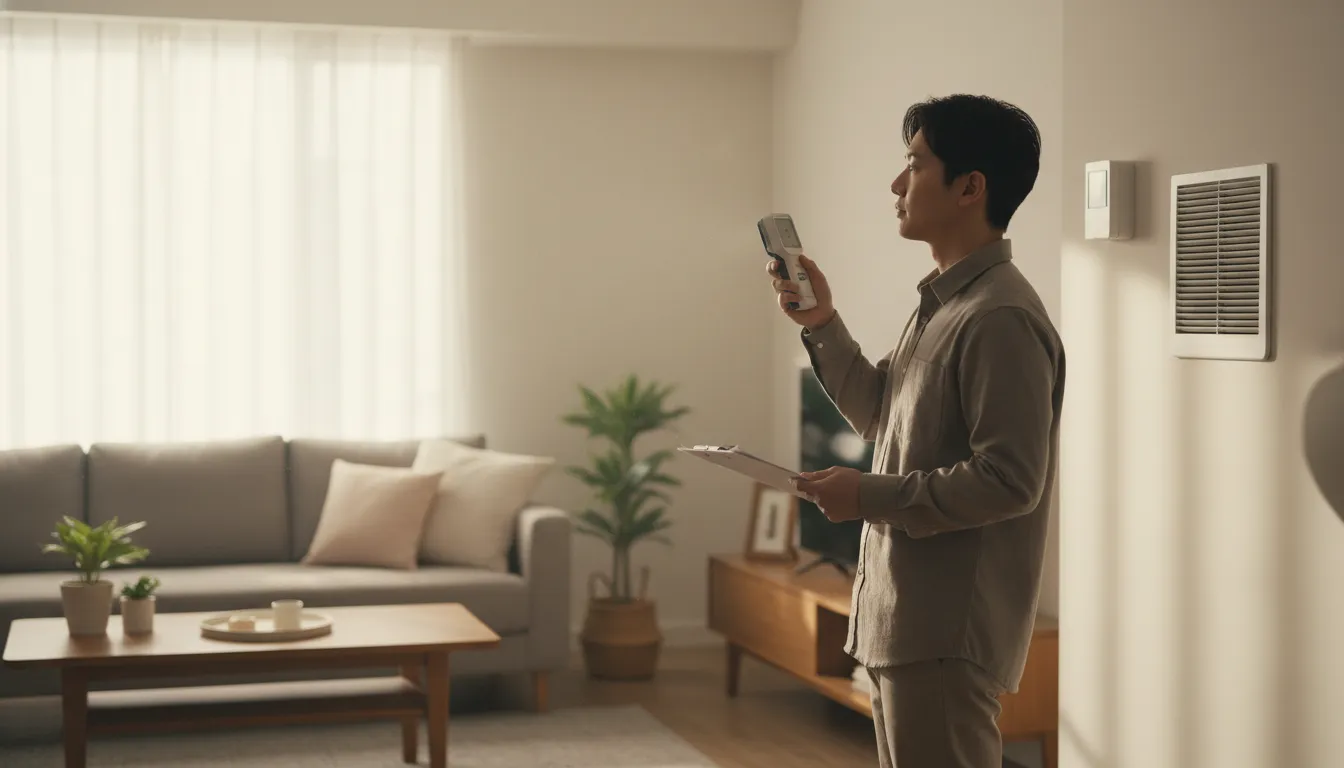
The air you breathe inside your home or office in Taylor has a direct impact on your health, comfort, and productivity. Indoor air quality (IAQ) refers to the condition of the air within and around buildings, and studies show it can be 2-5 times more polluted than outdoor air. For residents and business owners in the Metro Detroit area, managing this environment is crucial due to local factors like humidity, industrial proximity, and seasonal changes. This guide explains the common indoor air pollutants in Taylor, outlines practical testing and improvement strategies, and helps you connect with local expertise to create a healthier indoor space.
USA Pro-Vac
1700 Barrett St, Troy, MI 48084
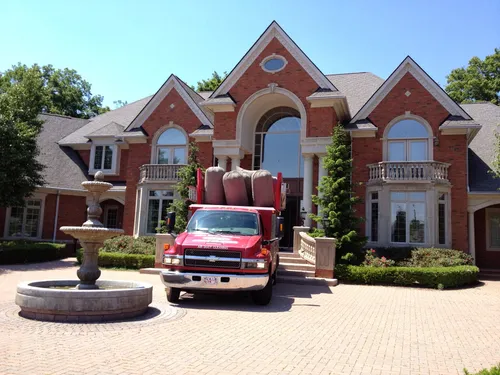
USA Pro-Vac is an air duct cleaning and HVAC repair company based near Detroit, MI. They provide air duct cleaning, furnace repair, and indoor air quality services for both residential and commercial customers. The company is certified by multiple industry organizations including NADCA and NATE, and has been in business for over 20 years. USA Pro-Vac serves a broad area around Detroit, including Troy, Oakland, Macomb, Wayne, and several other Michigan counties and cities.
Quality Plus Air Duct Cleaning
5640 Schaefer Rd Unit 2, Dearborn, MI 48126
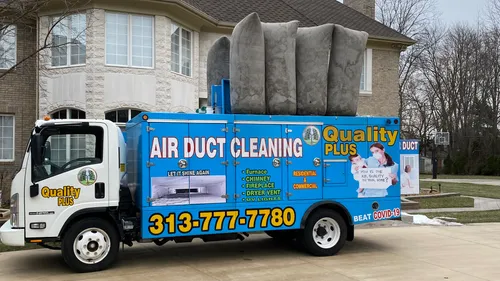
Quality Plus Air Duct Cleaning is a family-owned business serving Detroit, MI, with over 10 years of experience in air duct cleaning and indoor air quality services. They provide commercial and residential deep cleaning services, including chimney and dryer vent cleaning, using eco-friendly and organic products. Their process involves thorough inspection and cleaning with advanced equipment to improve HVAC performance and air quality. The company operates seven days a week and offers emergency air duct cleaning when needed.
Downriver Climate Control, LLC
3336 Charles St, Trenton, MI 48183
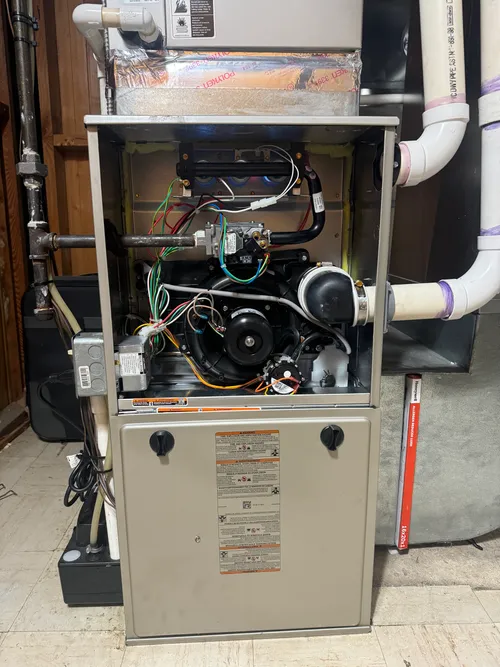
Downriver Climate Control, LLC provides heating, ventilation, and air conditioning services in Detroit, MI. They offer installation, repair, and maintenance for air conditioners, furnaces, heat pumps, and boilers. The company also focuses on improving indoor air quality. Their experienced team serves residential and commercial customers with personalized HVAC solutions.
HomeClear
1500 N Stephenson Hwy, Royal Oak, MI 48067
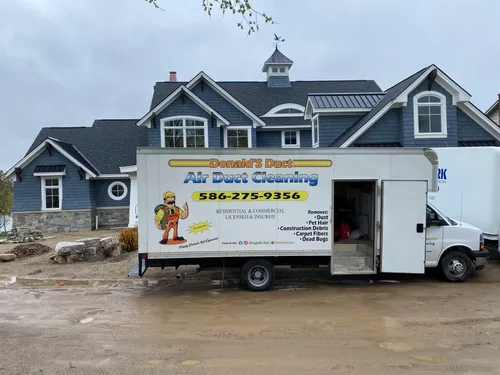
HomeClear is a duct cleaning company based in Detroit, MI, specializing in improving indoor air quality through professional air duct and dryer vent cleaning. Serving the Detroit area, HomeClear focuses on removing allergens and enhancing home safety and efficiency. The company has been committed to these services since its founding and offers clear pricing and transparent service.
313 Air Duct
Detroit, MI
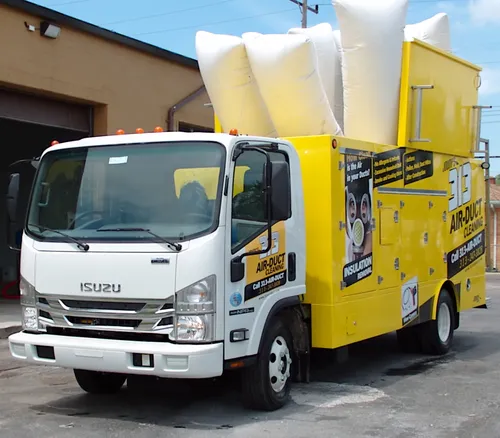
313 Air Duct provides professional air duct cleaning services in Detroit, MI, focusing on improving indoor air quality for homes and businesses. The company removes dust, allergens, and pollutants from air ducts to create a cleaner environment. Known for transparency and fair pricing, 313 Air Duct emphasizes customer education and quality workmanship. Their reputation includes recognition by the Better Business Bureau and Angi as a Super Service Provider. They also offer guidance on financing options to support energy efficiency improvements.
Why Indoor Air Quality Matters in Taylor
Your home or workplace should be a sanctuary, but unseen pollutants can turn it into a source of health issues. Poor indoor air is linked to headaches, fatigue, irritation of the eyes, nose, and throat, and can exacerbate allergies and asthma 1. For vulnerable groups like children, the elderly, or those with respiratory conditions, the effects are even more pronounced. In Taylor and the wider Detroit region, specific environmental conditions make proactive air quality management not just a comfort issue, but a health priority. Understanding and controlling common pollutants can lead to better sleep, improved concentration, and overall well-being.
Common Local Air Contaminants
The first step to cleaner air is knowing what you're up against. Taylor's climate and industrial history contribute to a unique mix of indoor air concerns.
- Particulate Matter (PM2.5 & PM10): This includes dust, pollen, pet dander, and mold spores. These tiny particles can penetrate deep into the lungs and are especially problematic during dry, windy days or high-pollen seasons 2.
- Mold & Mildew: Michigan's humidity, particularly in summer, creates ideal conditions for mold growth. Basements, crawl spaces, and areas with past water damage are common hotspots. Mold spores can trigger severe allergic reactions and respiratory problems 3.
- Volatile Organic Compounds (VOCs): These are gases emitted from a wide array of household products, including paints, varnishes, cleaning supplies, adhesives, and even new furniture or carpets4 5. Off-gassing can continue for years, contributing to poor indoor air.
- Combustion By-products: Carbon monoxide (CO) and nitrogen dioxide (NO2) can come from malfunctioning fuel-burning appliances like furnaces, water heaters, stoves, or from vehicles idling in an attached garage6.
- Radon: This colorless, odorless radioactive gas is a significant concern in Michigan. It seeps from the soil into homes through cracks in foundations and can accumulate to dangerous levels, posing a long-term health risk7.
- Humidity Imbalance: Both high and low humidity are problematic. High humidity fosters mold and dust mites, while low humidity in winter can dry out mucous membranes and make you more susceptible to viruses.
How to Test Your Indoor Air
You can't manage what you don't measure. Several approaches range from DIY to professional assessment.
Professional IAQ Assessments: For a comprehensive evaluation, local specialists like SGI Heating & Cooling or environmental consultants offer detailed testing8 9. They use calibrated equipment to measure levels of specific pollutants like VOCs, formaldehyde, particulate matter, and carbon dioxide. A professional assessment often includes an inspection of your HVAC system and ductwork, which are critical for air circulation and filtration10.
Targeted Testing:
- Radon Testing: Inexpensive short-term DIY test kits are available at hardware stores, or you can hire a professional for a more accurate, long-term test.
- Mold Testing: If you see or smell mold, a professional can identify the species and concentration, which is important for determining the proper remediation method.
Real-Time Air Quality Monitors: Consumer-grade smart monitors, such as the IQAir AirVisual Pro (approximately $330), allow for continuous tracking of key indicators like PM2.5, CO2, temperature, and humidity right from your smartphone11. These devices are excellent for identifying patterns and verifying the effectiveness of your improvement efforts.
Find the perfect indoor air quality service providers for your needs
Get personalized recommendations and expert advice
Solutions for Cleaner, Healthier Air
Improving your indoor environment involves a combination of source control, ventilation, and air cleaning. Here are actionable steps tailored for Taylor homes and businesses.
1. Enhance Ventilation
Simply bringing in fresh outdoor air can dilute indoor pollutants.
- Use exhaust fans in bathrooms and kitchens to remove moisture and cooking fumes directly at the source12.
- Open windows when weather and outdoor air quality permit.
- Ensure your HVAC system is properly balanced to bring in a controlled amount of fresh air.
2. Upgrade Filtration in Your HVAC System
Your furnace filter is your first line of defense against particulate matter.
- Regular Replacement: Change standard filters every 1-3 months during peak heating and cooling seasons.
- High-Efficiency Filters: Upgrade to a filter with a higher MERV rating (13-16) to capture finer particles like mold spores and pet dander. These filters typically cost between $50 and $200+ and must be compatible with your HVAC system to avoid restricting airflow.
3. Consider Additional Air Cleaning Technologies
- Air Purifiers: Portable units are effective for single rooms, while whole-home systems integrate directly with your ductwork. Prices range from $200 for a room unit to $1,000+ for whole-home solutions13.
- UV Germicidal Lights: Installed inside your HVAC ductwork, these lights use ultraviolet radiation to kill mold, bacteria, and viruses as air passes by. Installation typically costs between $500 and $1,000+14.
- Humidity Control: A standalone dehumidifier for a damp basement or a whole-home humidifier/dehumidifier integrated with your HVAC can maintain the ideal 30-50% humidity range. Professional installation for these systems can range from $500 to $2,000+15.
4. Practice Source Control
The most effective strategy is to prevent pollutants from entering the air in the first place.
- Choose low-VOC or VOC-free paints, cleaning products, and building materials.
- Minimize the use of scented candles, air fresheners, and incense.
- Address water leaks and dry wet areas within 24-48 hours to prevent mold growth.
- Never idle a car in an attached garage.
- Install Carbon Monoxide Detectors: This is a non-negotiable safety measure for any home with fuel-burning appliances or an attached garage16.
5. Maintain Your Home Systems
Regular maintenance is key to sustained air quality.
- Schedule annual HVAC inspections to ensure safe and efficient operation.
- Consider professional air duct cleaning (generally $300-$600 in Taylor) if there is visible mold, vermin infestation, or excessive dust/debris in your ducts17.
- Keep houseplants, which can help with certain VOCs, but avoid overwatering to prevent mold in the soil.
Frequently asked questions
Sources
Footnotes
-
Indoor Air Quality - Healthy Homes Coalition of West Michigan | - https://hhcwm.org/hazards/indoor-air-quality ↩
-
Taylor, MI Poor Air Quality Map and Forecast | First Street - https://firststreet.org/city/taylor-mi/2679000_fsid/air ↩
-
Indoor Air Quality Services Monroe County MI - https://www.michigancomfortsystems.com/indoor-air-quality ↩
-
Indoor Air Quality Services Taylor MI - Lewis Heating and Cooling - https://www.lewisheatingandcooling.com/webapp/p/626/indoor-air-quality-services-taylor-mi--lewis-heating-and-cooling ↩
-
Indoor Exposure to Selected Air Pollutants in the Home Environment - https://www.mdpi.com/1660-4601/17/23/8972 ↩
-
SOURCES, TYPES AND CONTROL OF INDOOR AIR POLLUTANTS According to EPA, scientific evidence has indicated that the air within home - https://www.rcet.org.in/uploads/academics/rohini_52268250718.pdf ↩
-
Essential Detroit Office Air Quality Testing Compliance Guide - https://www.myshyft.com/blog/indoor-air-quality-testing-for-offices-detroit-michigan/ ↩
-
Indoor Air Quality Testing in Michigan | SGI Heating & Cooling - https://sgiheating.com/indoor-air-quality/testing/ ↩
-
Indoor Air Quality (IAQ) Testing - Michigan - AEE - https://www.aee-inc.com/indoor-air-quality-testing.php ↩
-
Indoor Air Quality Assessment - https://www.michenv.com/environmental-testing/air-quality-testing/indoor-air-quality-assessment ↩
-
iqair AirVisual PRO AIR-QUALITY Monitor - https://www.google.com/search?q=product&prds=pvt:hg,productid:12731750861393503074,catalogid:16835460390359639346,gpcid:10152811169155146236,mid:576462399365726378&ibp=oshop ↩
-
Improving indoor air quality - MSU Extension - https://www.canr.msu.edu/news/improving_indoor_air_quality ↩
-
Indoor Air Quality Specialists - Michigan Building & Mechanical - https://www.mbmi.com/services/indoor-air-quality-specialists/ ↩
-
Indoor Air Quality Services Taylor MI - Lewis Heating and Cooling - https://www.lewisheatingandcooling.com/webapp/p/626/indoor-air-quality-services-taylor-mi--lewis-heating-and-cooling ↩
-
How safe is my air quality? Understanding Detroit pollution problems - https://planetdetroit.org/2022/10/how-safe-is-my-air-quality/ ↩
-
Top 10 Factors That Affect Indoor Air Quality + What To Do - Carney & Son - https://carneyandson.com/top-10-factors-that-affect-indoor-air-quality-what-to-do/ ↩
-
Bclean Air Maintenance Services LLC - https://www.google.com/viewer/place?mid=/g/11fyzhm9vq ↩